Diving Deep into Medaka Color Genetics | Types of Chromatophores and Color Expression Mechanisms
Detailed explanation of medaka color inheritance. Introduction to the roles and inheritance patterns of melanophores, xanthophores, iridophores, and leucophores.
Key Takeaways
Detailed explanation of medaka color inheritance. Introduction to the roles and inheritance patterns of melanophores, xanthophores, iridophores, and leucophores.
Related Species
Four Types of Chromatophores That Determine Medaka Color
A medaka's body color is determined by the types, numbers, and arrangement of specialized cells called "chromatophores" within the skin. While body color may appear simple to the human eye, it actually results from the complex interplay of multiple chromatophore layers stacked and overlapping, combined with intricate reflection and absorption of light.
Medaka have four main types of chromatophores, each containing different pigments or crystals. Understanding the basics of these chromatophores is essential for anyone interested in selective breeding.
Melanophores (Black Chromatophores)
Melanophores generate and accumulate melanin pigment, giving the body surface a black or brown color. These cells extend dendritic processes and disperse melanin granules to intensify body color. The deep coloration of black and blue medaka is due to their abundant and widespread distribution of melanophores.
Xanthophores (Yellow Chromatophores)
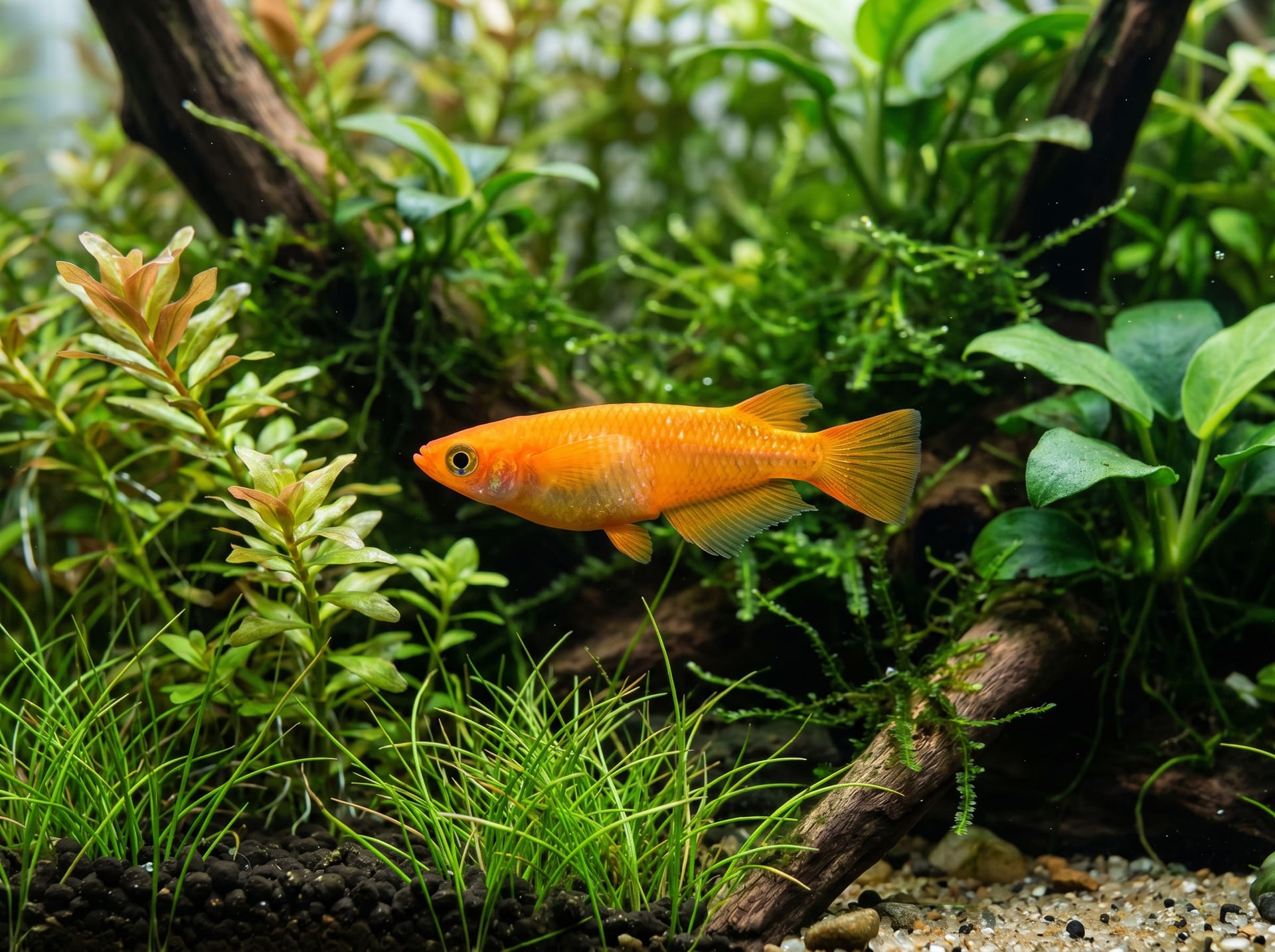
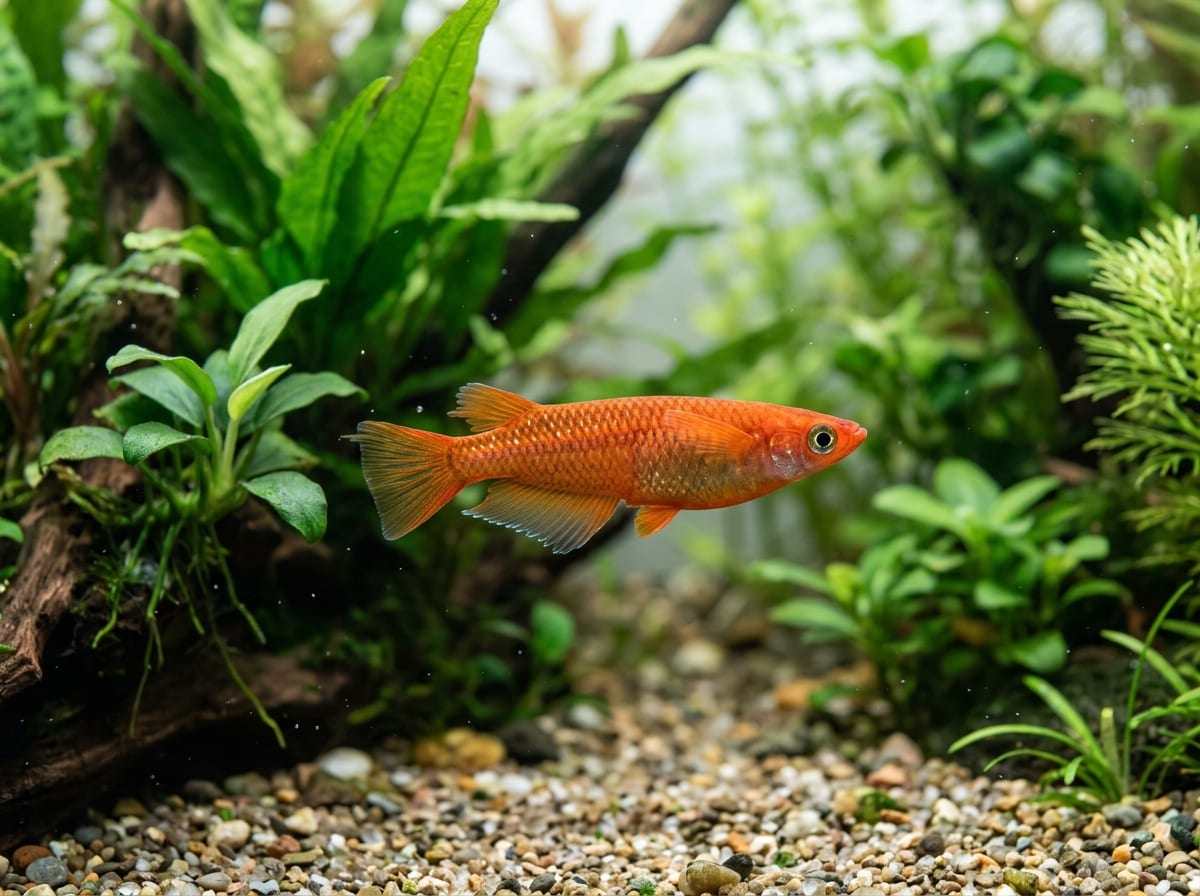
Xanthophores contain pigments such as carotenoids and pteridines and produce yellow to orange coloration. The vivid crimson-red color of Yangguifei medaka results from xanthophores distributed densely across their entire body surface. Since the intensity of coloration varies with the amount of carotenoids in food, rearing conditions also influence body color.
Iridophores (Iridescent Chromatophores)
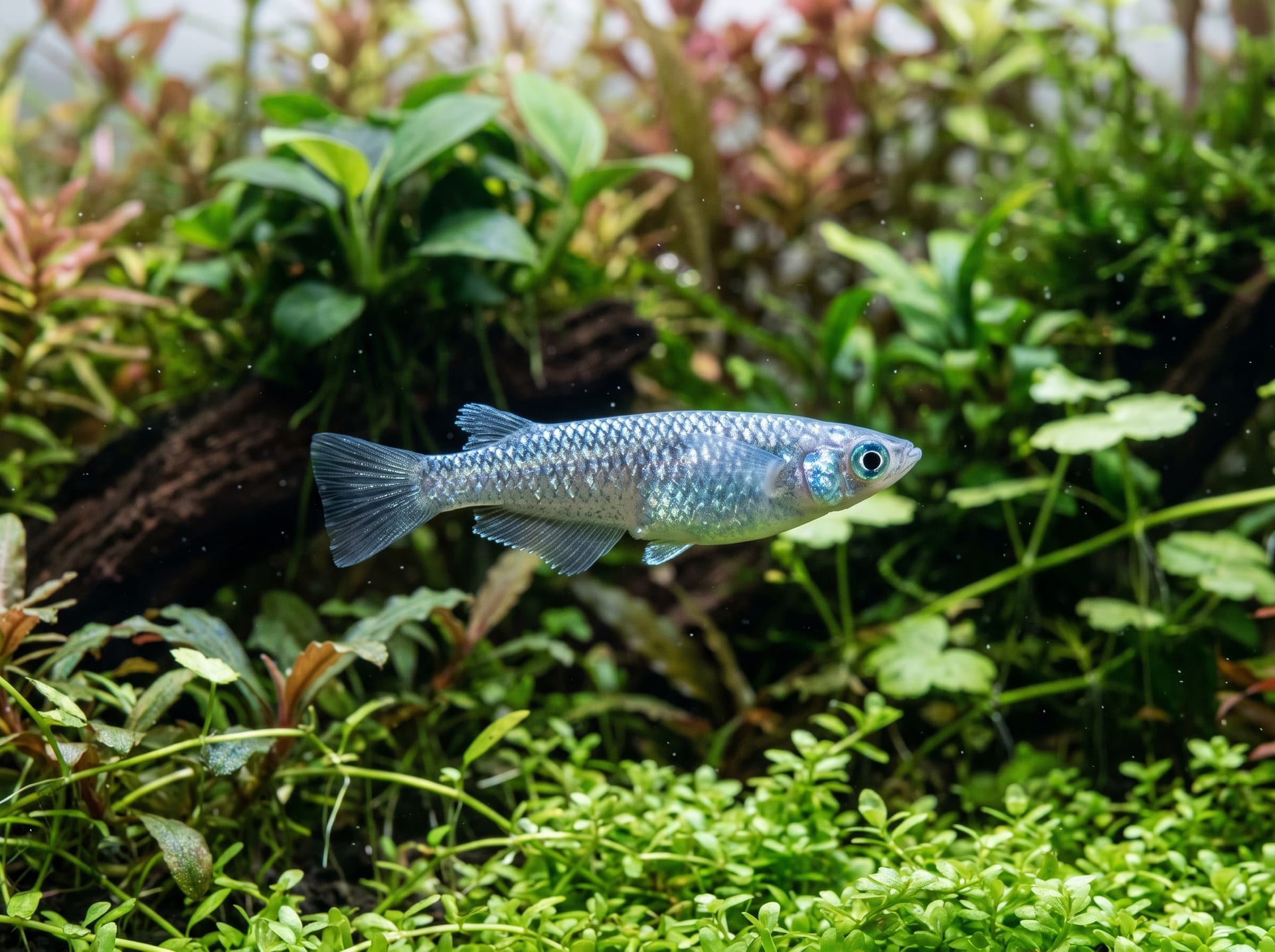
Iridophores are cells containing guanine crystals that produce metallic sheen and structural color by reflecting and interfering with light. The "body light" that runs along the back of Mikiya medaka is a phenomenon resulting from the aggregation of iridophores in specific patterns. Simply changing the orientation or density of the crystals produces diverse appearances, from bluish-white light to golden brilliance.
Leucophores (White Chromatophores)
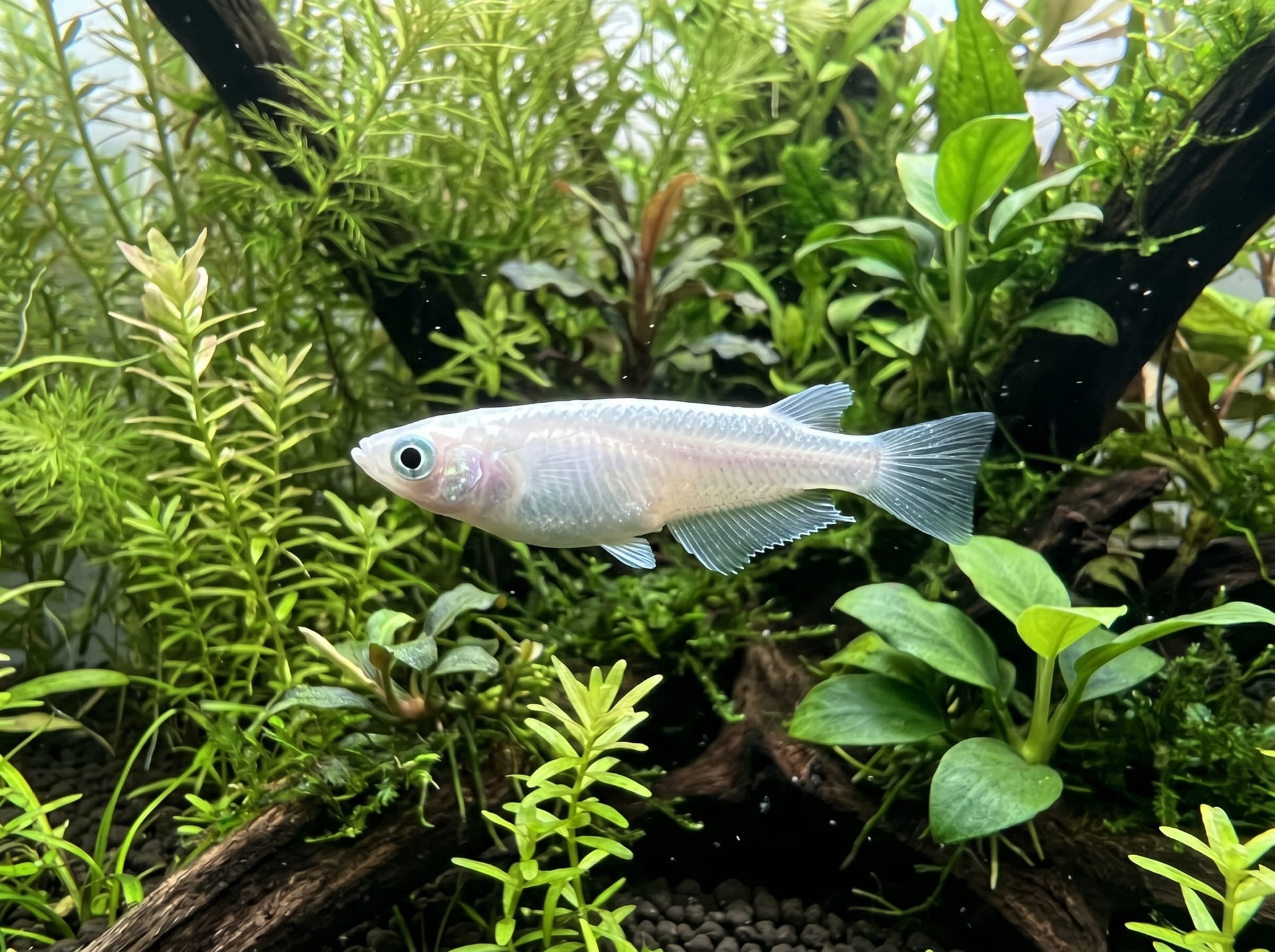
Leucophores contain purine crystals, primarily hypoxanthine, and scatter light to produce white or off-white coloration. White medaka have almost no melanophores or xanthophores; the white body color emerges when leucophores become dominant. The sparkling brilliance of lame varieties also involves the interaction between leucophores and iridophores.
Basics of Color Inheritance: Major Genes and Inheritance Patterns
✍️
BreederDirect Editorial
The BreederDirect editorial team specializes in care information for animals, covering veterinary care and breeding to deliver beginner-friendly guides.
Find Medaka on BreederDirect
Buy directly from verified breeders
Browse Related Listings
Find Medaka listings related to this article on BreederDirect. Buy directly from verified breeders.
Medaka color inheritance involves multiple genes and is polygenic, with complexity that cannot be fully explained by simple Mendelian dominance and recessiveness alone. However, understanding the key genes that form the foundation makes selective breeding more predictable.
The b Gene (Black) and the Birth of Himedaka
The b gene is recessive; when homozygous (bb), melanophores are significantly reduced. Wild-type medaka (black medaka) have a B_ genotype (BB or Bb), but when bb, black pigment fades and the himedaka phenotype—characterized by prominent yellow tones—appears. Himedaka, cherished since the Edo period, is a variety that arose from this single-gene mutation.
The r Gene (Red) and the Path to White Medaka
The r gene is also recessive; when rr, xanthophore function declines and yellow and orange pigments decrease. When combined with bb to form bbrr (all four alleles recessive homozygous), both black and yellow pigments are lost, and white medaka emerge with only leucophores prominent. Thus, a combination of just two genetic loci produces dramatic changes in body color.
The gu Gene and Mikiya's Light
The hallmark body light of Mikiya medaka results from the development and increase of iridophores (iridescent chromatophores) on the back. (Note: the mutation "guanineless (gu)" caused by the gene pnp4a reduces iridophores, the opposite direction from body light; body light is a polygenic trait influenced by multiple modifier genes.) When guanine crystals line up in regular patterns on the back skin, they produce characteristic silvery light stripes. The intensity and extent of the light are regulated by multiple modifier genes, and traits like "full-body body light" result from long years of selective breeding.
Polygenic Inheritance: The Truth Behind the Beauty of Yangguifei and Lame Varieties
The deep crimson-red of Yangguifei medaka and the scales of lame medaka that sparkle across their entire body are classic examples of polygenic inheritance that cannot be explained by a single gene. Multiple "quantitative trait loci (QTLs)" each subtly influence the intensity of color expression, and their cumulative effect produces vivid phenotypes. This is why even crossing two Yangguifei medaka produces offspring with a range of color intensity.
Chromatophore Development and Environmental Influences
All chromatophores differentiate from neural crest cells during embryonic development. Neural crest cells migrate to various parts of the body, where they differentiate into melanophores, xanthophores, iridophores, and leucophores.
While this differentiation process is controlled by genes, rearing conditions also influence color expression.
Water Temperature: Higher water temperatures increase metabolism and tend to promote active pigment synthesis.
Dietary Carotenoid Content: Since xanthophores take up carotenoids from food, color-enhancing diets improve color expression.
Stress and Water Quality: Deteriorated water quality and chronic stress reduce chromatophore activity and dull body color.
To maximize genetic potential, proper husbandry tailored to the variety is essential.
Application to Selective Breeding: Designing Target Coloration
With knowledge of chromatophores and genetics, selective breeding becomes a matter of "design and verification" rather than "intuition and luck."
How to Plan Crosses
Define Your Target Phenotype: For example, "a variety with strong red coloration and full-body body light on the back."
Determine the Necessary Gene Combinations: The basic approach involves crossing xanthophore-enhancing strains (such as Yangguifei) with iridophore-proliferating strains (such as Mikiya).
Evaluate the F1 Generation: First-generation hybrids often do not express the target phenotype, but this generation helps you understand which genes are present.
Selection and Fixation from F2 Onward: Select individuals closest to your target and repeat crosses over several generations to establish stable genotypes.
Beware of "Hidden" Recessive Genes
Recessive alleles do not express in heterozygous carriers. For example, a Bb individual appears to be a black medaka but "carries" the bb (himedaka) trait. If such carriers are mixed into breeding stock, unexpected colors may appear in offspring. Rigorous line management and record-keeping are essential. In recent years, more enthusiasts manage breeding records with photos using spreadsheets or apps, making it easier to review and estimate parent genotypes later—a useful strategy.
BreederDirect's Trust and Safety System
Medaka selective breeding is the crystallization of breeders' painstaking effort based on deep understanding of chromatophores and genetics. However, from a buyer's perspective, there is often anxiety about not knowing "what the genetic background of this individual is."
At BreederDirect, breeders list individuals after understanding and documenting their own breeding records and genetic backgrounds. Buyers can confirm breeding history, parental lineages, and degree of fixation before purchase, and can directly inquire with breeders about details like "which generation of selection is this" and "which genes does it carry."
Whether you are looking for breeding stock for selective breeding or simply want to raise beautiful medaka, BreederDirect's assured genetic transparency lets you purchase with confidence.
Experience the beauty of chromatophores and the fascination of genetics at BreederDirect.