Animal Welfare and Ethical Breeding of Medaka | Achieving Both Breed Development and Living Fish Health
Examines what sound breeding practices entail from the perspective of medaka selective breeding and animal welfare. Explains the ethics of culling selection, risks of excessive trait modification, health-prioritized crossing strategies, and breeders' sense of responsibility.
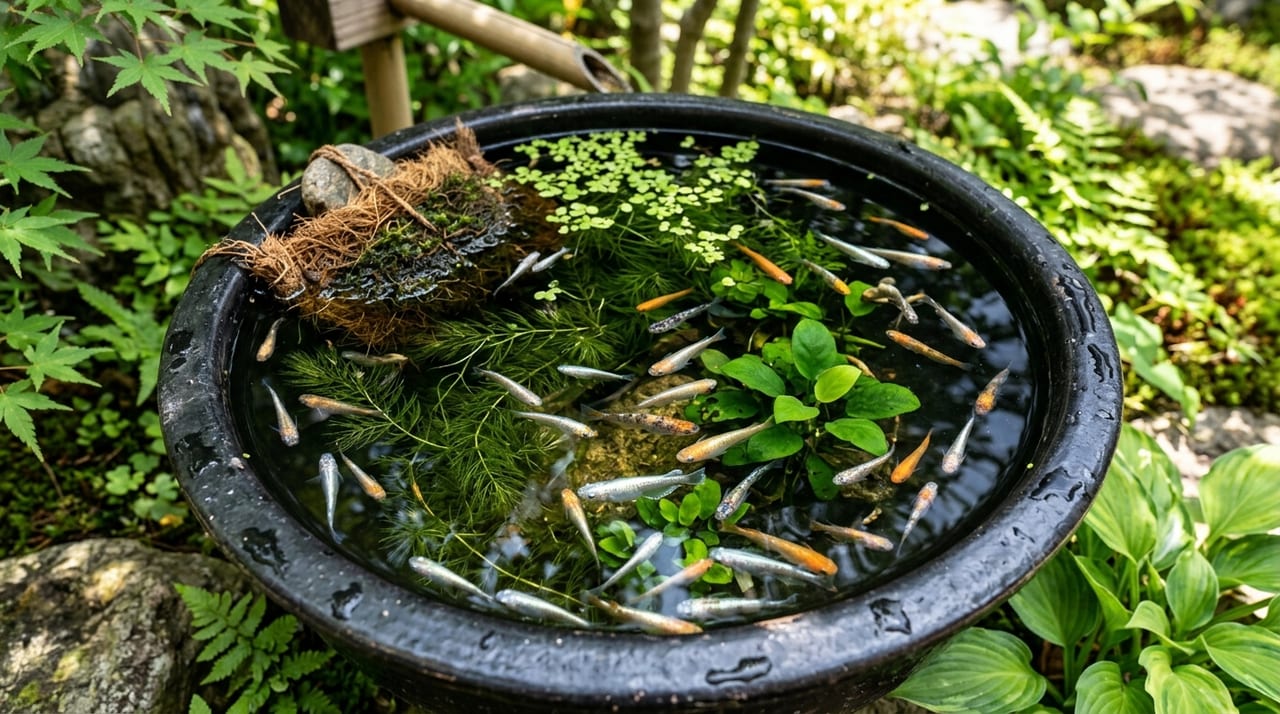
Key Takeaways
Examines what sound breeding practices entail from the perspective of medaka selective breeding and animal welfare. Explains the ethics of culling selection, risks of excessive trait modification, health-prioritized crossing strategies, and breeders' sense of responsibility.
Related Species
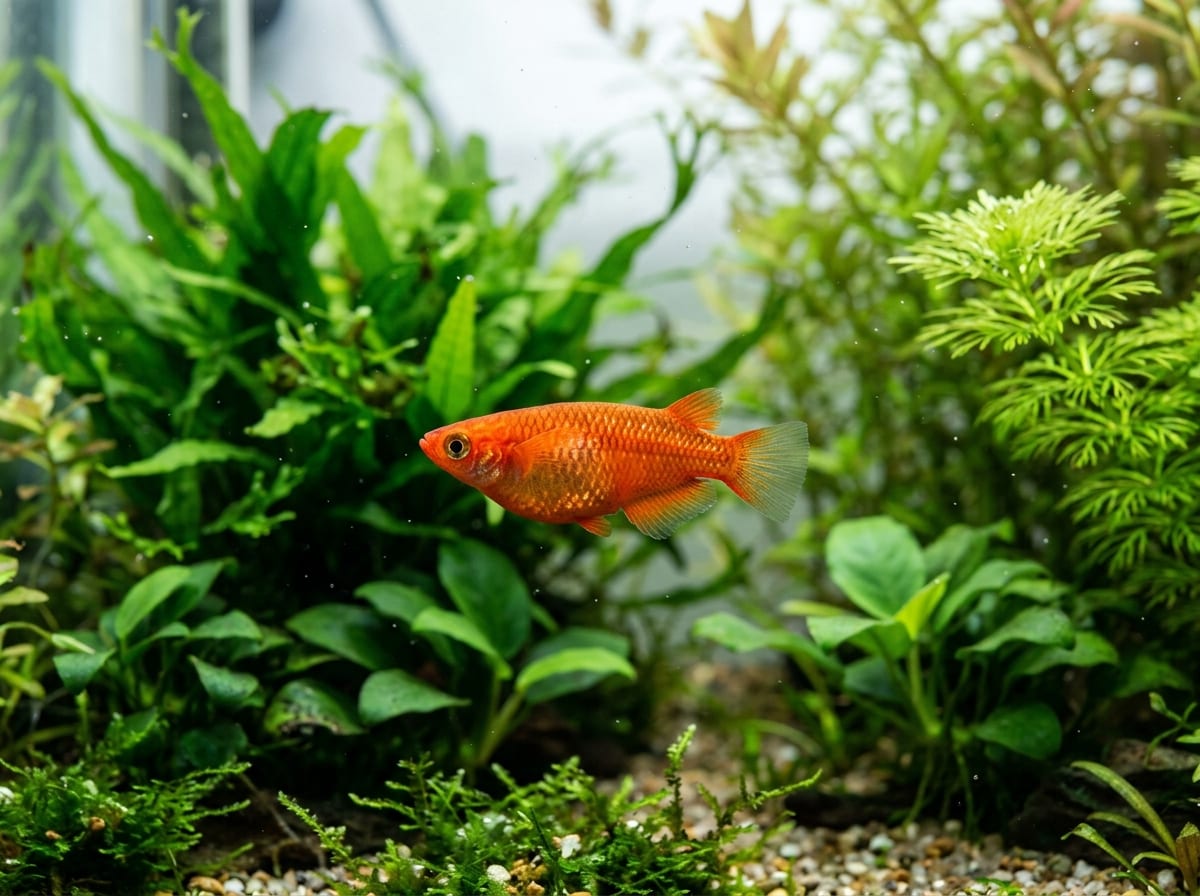
Medaka selective breeding is progressing at a remarkable pace. New phenotypes such as lame, body-light, Hikari-body, and transparent scales are continuously being produced, and the diversity is truly striking. Meanwhile, as selective breeding has progressed, discussion of "medaka animal welfare" has been gradually increasing among keepers and breeders in recent years.
This article examines from the perspective of "consideration for living animals"—something all those who enjoy medaka keeping should have—based on specialized knowledge. Rather than criticism, I hope this is received as information toward a healthier and more sustainable medaka culture.
What is Animal Welfare
Animal Welfare refers to the concept of ensuring that animals are free from pain, stress, disease, and fear, and can express natural behaviors befitting their species. The "Five Freedoms of Animals" advocated by the UK Farm Animal Welfare Council (FAWC) is widely known.
- Freedom from hunger and thirst
- Freedom from discomfort
- Freedom from pain, injury, or disease
- Freedom to express normal behavior
- Freedom from fear and suffering
There was once a time when fish were believed to have "lower" pain sensitivity compared to mammals, but current research has made clear that teleosts including medaka have nervous systems that sense pain and exhibit stress responses.
Selective Breeding and Health Impact
Issues from Body Type Modification
Among improved medaka varieties, some body type modifications have the potential to affect health.
Daruma-body and Half-Daruma-body Types
Daruma medaka is a variety characterized by shortened and deformed vertebrae. Their round, endearing appearance is popular, but there is a structural problem in that internal organs are easily compressed. Swimming tends to become unstable, and the risk of swim bladder disorder (a condition where they float with their belly up) tends to be higher than in standard varieties.
Fin Mutation Varieties (Matsui Long-fin, Tennyo no Mai, etc.)
Varieties with long-extending fins have high ornamental value, but the fins create water resistance that reduces swimming efficiency. In environments with strong water currents, there is an aspect where stamina is easily consumed.
This is not to say they should not be kept. It is important to have knowledge, not neglect observation of individual fish, and create a rearing environment suited to their body type characteristics (water current, space, feeding methods, etc.).
Risks of Inbreeding and Countermeasures
Medaka breed fixation involves a certain degree of inbreeding. However, repeated inbreeding can give rise to a phenomenon called "inbreeding depression."
Main Effects of Inbreeding Depression
- Decline in immune function
- Decline in reproductive capacity (number of eggs laid, hatch rate)
- Increased variation in body shape and body color
- Weakening of overall vitality
Measures: Line Maintenance and Moderate Outcrossing
Responsible breeders practice the following management:
- Maintain multiple bloodlines (lines) in parallel and regularly introduce blood from different lines
- Include balance of body shape, vigor, and color as selection criteria, and do not become biased toward prioritizing appearance alone
- Record hatch rate, growth rate, and normality of swimming as indicators of health
The Issue of Selection and Culling
In the process of breed fixation, selection produces individuals that do not meet standards. How these "rejected individuals" are handled is an ethically important issue.
Practical Options
- Raise them in separate containers as "outlet individuals" and sell at a lower price: While they lack breed-quality characteristics, they are given the opportunity to live as healthy medaka under the care of other keepers
- Release into community ponds or biotopes (with caution regarding hybridization risk with native species): Since they readily hybridize with Japan's native medaka, release into natural environments should in principle be avoided. Move them instead to enclosed ponds or large containers
- Find foster homes: Transfer them through local medaka enthusiast communities or SNS
What Must Never Be Done
- Release into rivers, ponds, or irrigation channels (invasive species problem, genetic contamination of native medaka)
- Do not produce unnecessarily large numbers of individuals; establish proper plans before management becomes impossible
Enrichment of the Rearing Environment
Considering how medaka spend their time in aquariums is also one welfare perspective.
Securing Space
Overcrowding is a source of stress. Particular caution is needed in varieties where territorial behavior is observed (males with males). Even in breeding tanks, set an upper limit on the number of individuals per container.
Environmental Diversity
Placing objects such as aquatic plants, driftwood, and pebbles promotes natural behaviors of hiding and exploration in medaka. For medaka in particular that easily sense predators, having "hiding places" leads to a sense of security.
Feeding Adjustments
Distributing food at multiple locations can ease competition between individuals. Periodically confirm that slower-eating individuals are receiving sufficient nutrition.
Responsible Sales and Information Sharing
There is an important attitude when handling live animals as a breeder or seller.
Accurate Information Disclosure
- Communicate to buyers the breed name and body type characteristics (points requiring health attention such as Daruma or long-fin)
- Clearly state the rearing environment (water temperature, water quality, feeding frequency)
- Do not sell weak or unhealthy individuals
Support for Buyers
- Answer questions honestly
- Provide basic information on keeping to novice buyers
When purchasing and selling medaka on BreederDirect, this "information disclosure and honesty" creates trust in transactions. An environment where questions to the breeder are welcome leads to peace of mind for buyers as well.
For a Sustainable Medaka Culture
Medaka selective breeding is one aquarium culture that Japan takes pride in worldwide. For that culture to become richer and continue long-term, "consideration for living animals" and "enjoyment" must coexist.
Pursuing breed diversity while valuing the health and quality of life of each individual—as breeders and enthusiasts with this balance increase, medaka culture will mature further.
BreederDirect has many breeders who hold these values and practice breeding that prioritizes the health of individual animals. When welcoming medaka, please be sure to check the breeder's profile and management policy, and welcome healthy individuals from someone you can trust.