Reef-Safe Saltwater Fish Guide | Fish You Can and Cannot Keep in Coral Tanks | ブリちょく
Marine Fish| ✍️ BreederDirect Editorial
Reef-Safe Saltwater Fish Guide | Fish You Can and Cannot Keep in Coral Tanks
A guide to fish species that are safe to add to coral tanks and species that require caution. We explain reef-safe ratings by category.
Key Takeaways
A guide to fish species that are safe to add to coral tanks and species that require caution. We explain reef-safe ratings by category.
Related Species
Reef-Safe Saltwater Fish Guide | Fish You Can and Cannot Keep in Coral Tanks
When you want to introduce fish to your coral tank (reef tank), the first concern that comes to mind is likely: "Will this fish eat my corals?" It's not uncommon for aquarists to have experienced the heartbreak of carefully nurtured corals being damaged in a single night.
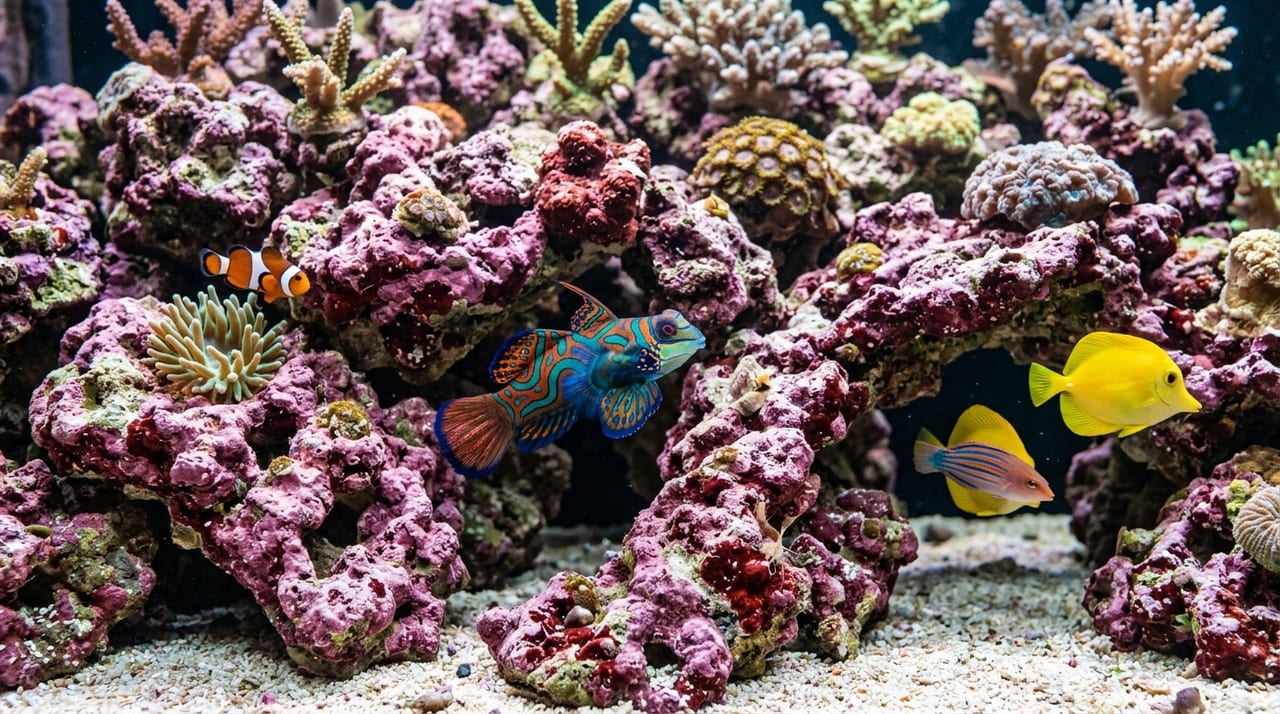
The appeal of a reef tank where fish and corals coexist is the natural beauty that looks like a fragment of the ocean cut out and placed in your home. However, making this a reality requires a solid understanding of each fish species' "reef-safe rating." This article comprehensively covers major saltwater fish groups while providing practical tips to minimize risk. For general beginner information about saltwater fish, see also 15 Recommended Saltwater Fish for Beginners.
---
What is a Reef-Safe Rating? Basic Concepts
"Reef-Safe" refers to the nature of fish that do not harm corals, anemones, and other invertebrates. However, keep in mind that this evaluation is merely a "tendency" and can vary greatly depending on individual differences and rearing environment.
Generally, reef-safe ratings are classified into the following four tiers:
Rank
Description
◎ Completely Reef-Safe
Does not affect corals at all
○ Mostly Reef-Safe
Rare individuals may nip at corals
△ Caution Required
High individual variation; higher likelihood of nipping
✍️
BreederDirect Editorial
The BreederDirect editorial team specializes in care information for animals, covering veterinary care and breeding to deliver beginner-friendly guides.
Find Marine Fish on BreederDirect
Buy directly from verified breeders
Browse Related Listings
Find Marine Fish listings related to this article on BreederDirect. Buy directly from verified breeders.
There are broadly two types of damage fish can inflict on corals. One is direct feeding damage (eating polyps or slime coat), and the other is indirect stress (pressing against the coral, stirring up sand that accumulates over them, etc.). The latter is often overlooked but can weaken corals over time.
---
Reef-Safe Ratings by Category—A Comprehensive Breakdown
Gobies ◎ (Completely Reef-Safe)
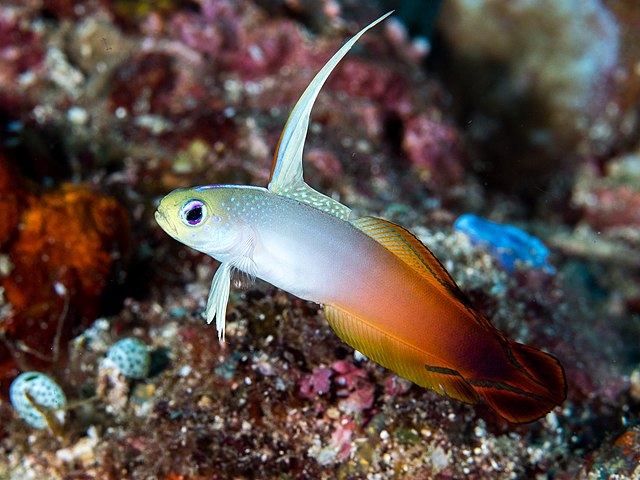
Gobies are among the most reef-friendly fish groups in saltwater aquariums. Species like Flame Gobies, Black Fin Gobies, and Longfin Jawfish offer high ornamental value and rarely show coral-nipping behavior.
However, symbiotic gobies (species that live in symbiosis with pistol shrimp) have the habit of excavating large amounts of sand. Be careful that sand doesn't accumulate on corals placed at lower levels. While sand disturbance itself prevents anaerobic zones—a benefit—be thoughtful about placement so that coral frags and small SPS corals don't get buried in sand.
Clownfish ◎–○
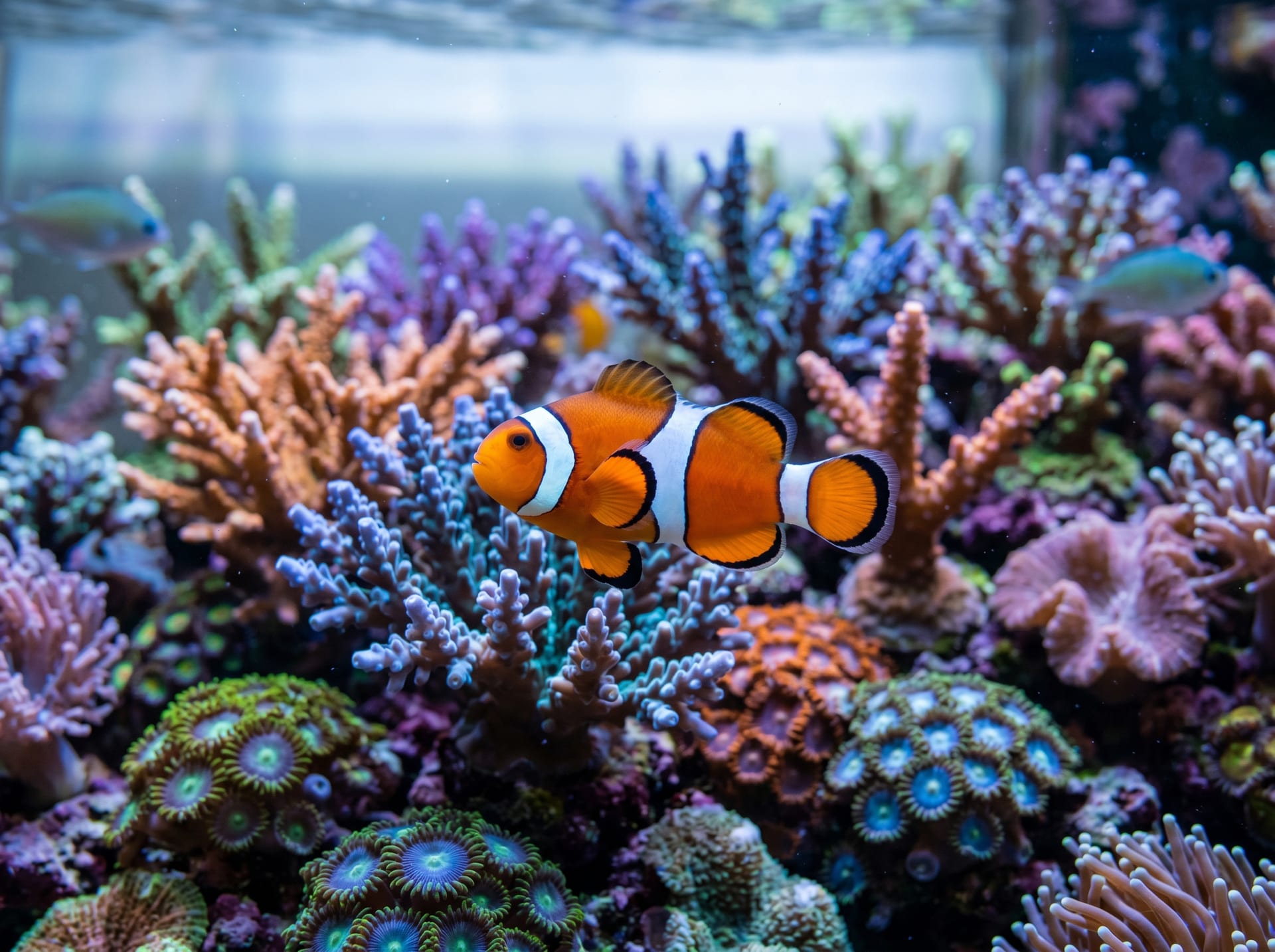
Clownfish, including the Ocellaris Clownfish, are fundamentally reef-safe. However, since they host sea anemones in nature, if no anemone is present in the aquarium, they may try to "settle" on soft corals like Torch Corals or Sea Fans instead. Frequent rubbing against corals can damage the slime coat and lead to tissue necrosis, so it's ideal to keep them with an anemone host if possible.
Damselfish ○–○
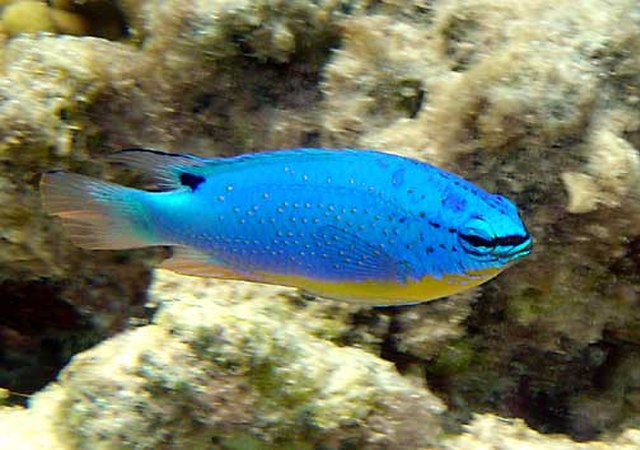
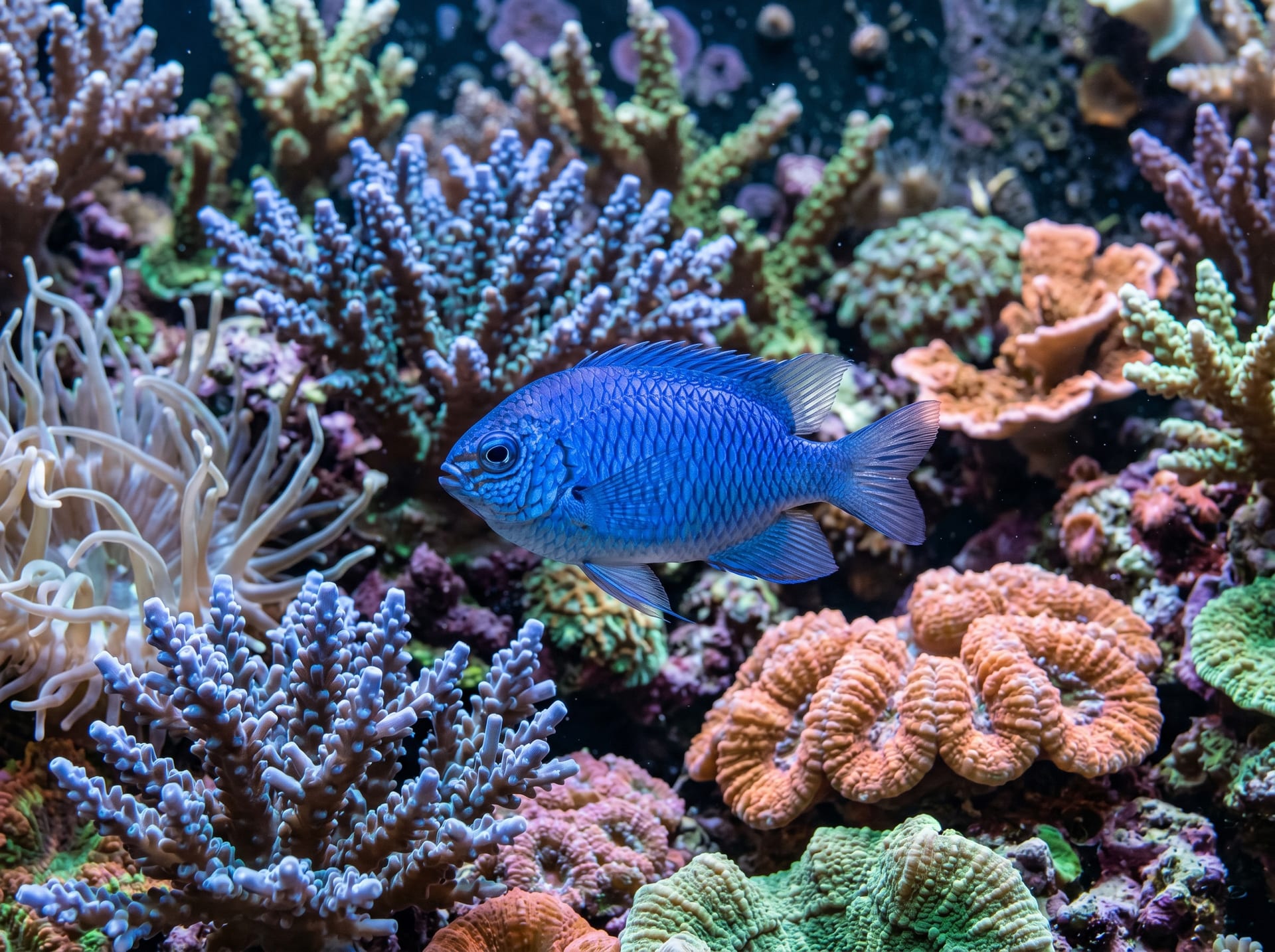
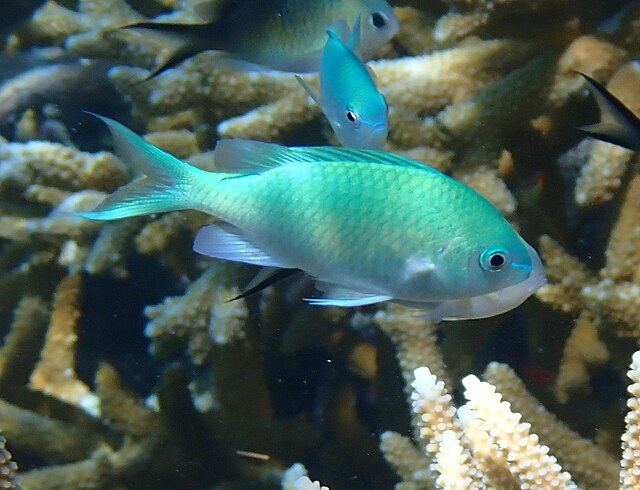
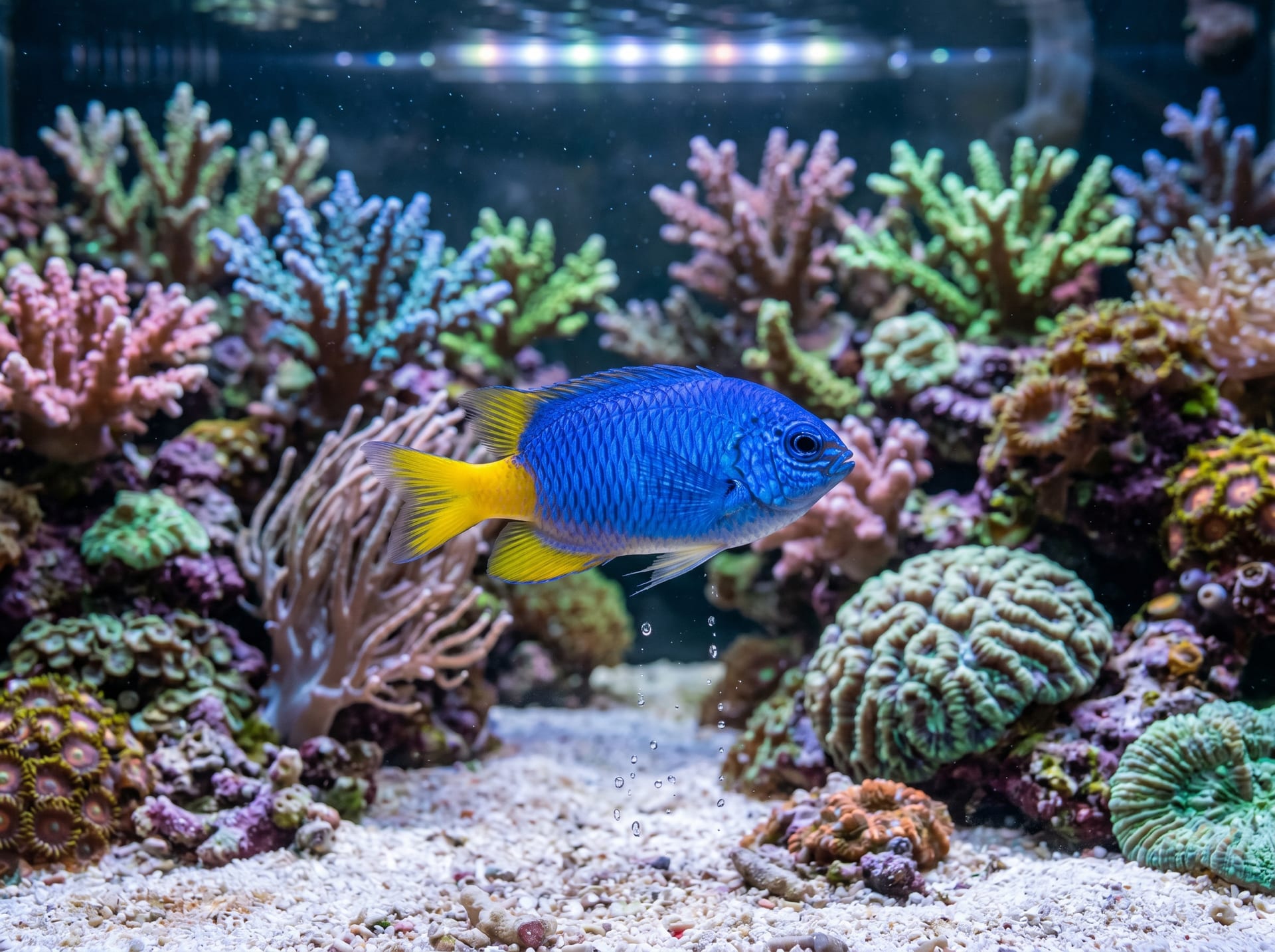
Many damselfish species, such as Blue Damsels and Yellowtail Blue Damselfish, are reef-safe. Schooling them creates a striking display and they're popular with beginners. However, damselfish in general are known for strong territorial behavior. They aggressively chase other fish, causing stress that can lead to immune suppression and diseases like ich. Care must be taken when selecting tank mates.
Tangs ◎–○
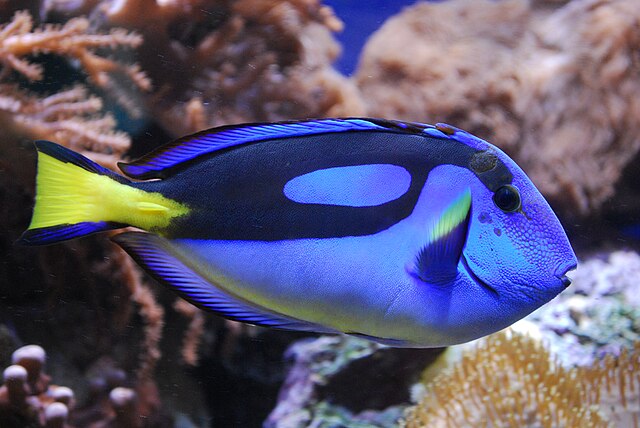
Popular tangs like Yellow Tangs and Rainbow Tangs are generally reef-safe. They are herbivorous and feed mainly on algae and detritus. When hungry, they may nip at LPS coral polyps. The key to prevention is providing ample seaweed and plant-based foods daily. Also, tangs are susceptible to ich, so rigorous quarantine in a treatment tank is essential.
Wrasses ○–△
Small wrasses (Sixline Wrasses, False Clown Wrasses, etc.) are mostly reef-safe and also help remove parasites. However, medium to large wrasses prey on small crustaceans, sea cucumbers, and sea urchins, so caution is needed. They may target small organisms attached to Octopus Corals and Sea Fans. Additionally, some species are known to eat sea anemones, so mixing them with anemones is best avoided.
Angelfish △–×
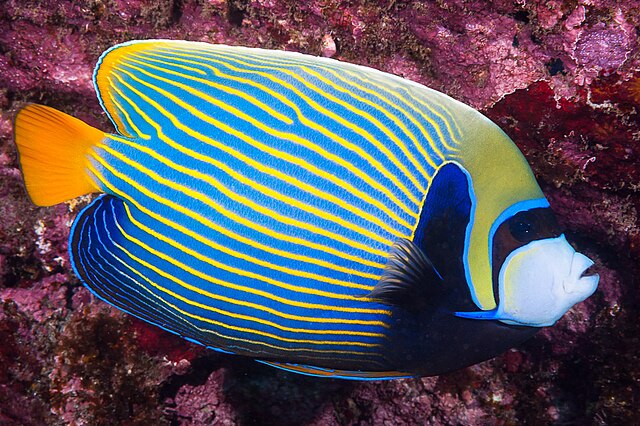
Angelfish are the group requiring the most caution in reef tanks. Even small species like Flame Angelfish may nip coral polyps and slime coating depending on the individual. The probability varies widely by individual—the same species can have both "completely safe" individuals and "daily feeders" on corals. Large angelfish (Blue-faced Angelfish, Semicircle Angelfish, etc.) will almost certainly feed on corals, making a fish-only tank (FO tank) the recommended setup. For detailed guidance on choosing angelfish, see Angelfish Selection Guide.
Butterflyfish ×(Reef-Unsafe)
Nearly all butterflyfish species are coral feeders. In the wild, coral polyps are their primary diet, so introducing them to reef tanks should be avoided. Their beautiful appearance sometimes tempts beginners to purchase them, but enjoying them in a fish-only tank is the best choice.
---
Techniques to Minimize Risk
When keeping fish rated "△" or "×," or when you want to be extra cautious with your reef tank, these techniques are helpful:
Provide abundant food: Hunger is the primary trigger for coral-feeding behavior. Feed 2–3 times daily as a baseline, and add plant-based foods or seaweed especially for tangs and angelfish.
Choose coral types carefully: SPS corals (like Acropora) are generally less frequently nipped than LPS corals (like Torch Corals and Bubble Corals), which are less frequently nipped than soft corals (like Sea Fans and Mushroom Corals). In tanks with high-risk fish, an SPS-centric layout is relatively safer.
Use isolation boxes: When introducing new fish and checking their reef-safe behavior, using an in-tank isolation box to observe them for a few days is effective.
Early detection and rapid response: If nipping behavior appears, isolate the fish promptly. If coral tissue has only minor damage, it may recover if water quality is well maintained.
Optimize lighting: The better condition your corals are in, the more resilient they are to feeding damage. For proper lighting guidance, see also Coral Lighting and Spectrum Basics.
---
Br-Choku's Safe and Secure System
The difficult part of selecting reef-safe fish is dealing with individual differences. Experienced breeders can offer specific insights like "this individual has never nipped corals" or "this is how it reacted to anemones."
Br-Choku is a platform where you can purchase livestock directly from domestic breeders. Before purchasing, you can message breeders with questions like: "I want to introduce this fish to a coral tank—how did it affect corals in your care?" The greatest benefit is being able to confirm individual histories unavailable from retail stores before bringing your fish home.
Additionally, direct breeder sales mean less stress from intermediary handling, and healthier individuals are more likely to arrive. Fish with strong immune systems carry lower risk of introducing diseases like ich and minimize impact on corals during acclimation.
If you're aiming for a beautiful reef tank where corals and fish coexist, connect with Br-Choku's breeders for guidance to find your ideal fish.