Complete Guide to Marine Fish Quarantine (Acclimation) | Essential Pre-Introduction Steps | ブリちょく
Marine Fish| ✍️ BreederDirect Editorial
Complete Guide to Marine Fish Quarantine (Acclimation) | Essential Pre-Introduction Steps
Explains the quarantine method before introducing marine fish to the main tank. Introduces how to set up a quarantine tank, recommended duration, and copper ion treatment procedures.
Key Takeaways
Explains the quarantine method before introducing marine fish to the main tank. Introduces how to set up a quarantine tank, recommended duration, and copper ion treatment procedures.
Related Species
Complete Guide to Marine Fish Quarantine (Acclimation) | Essential Pre-Introduction Steps
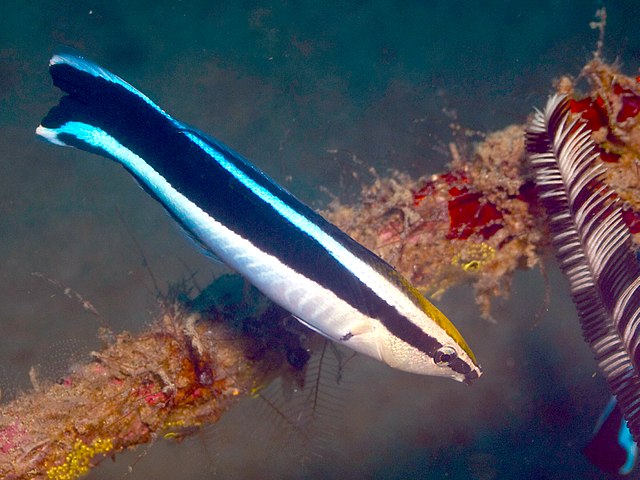
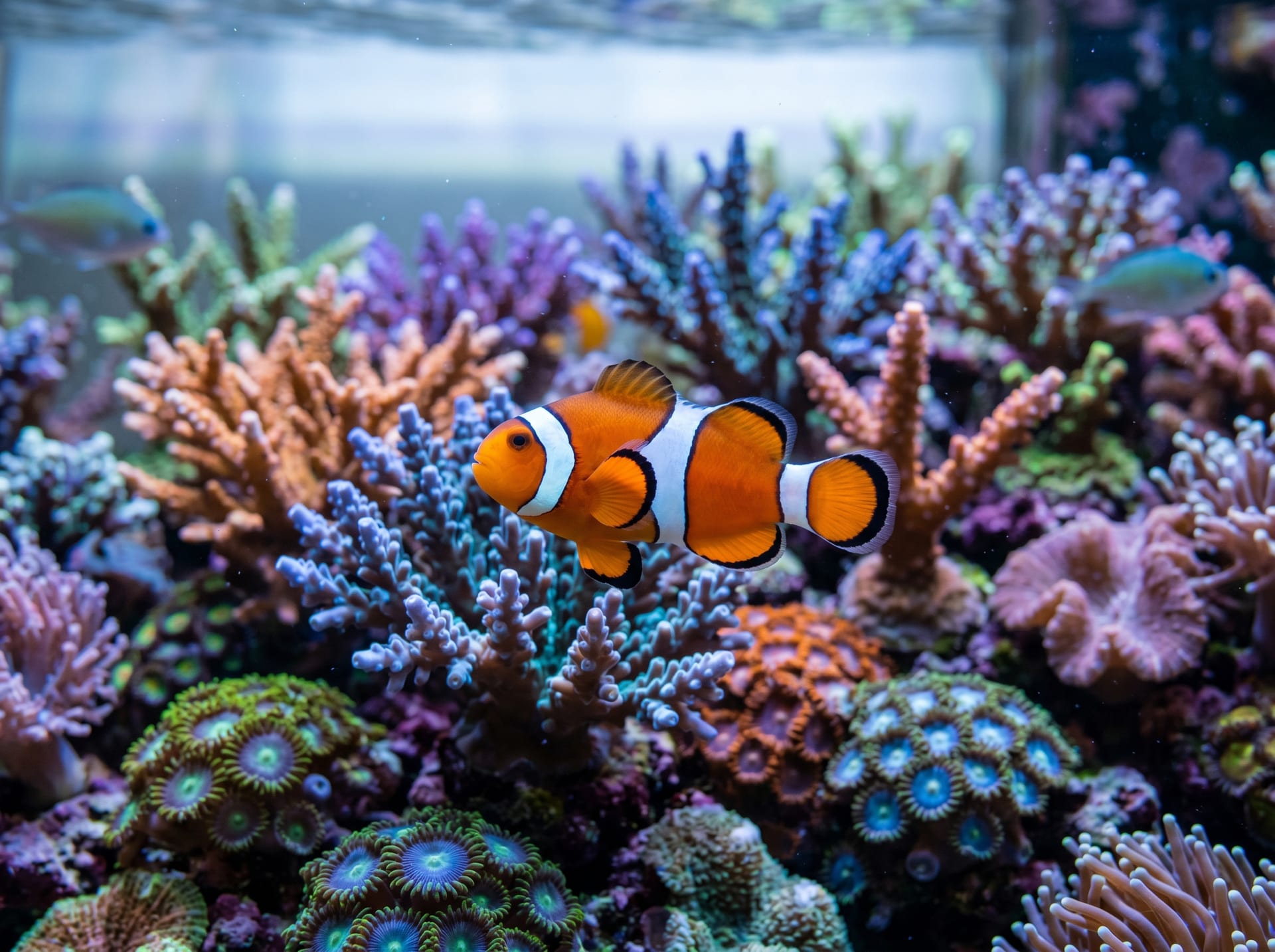
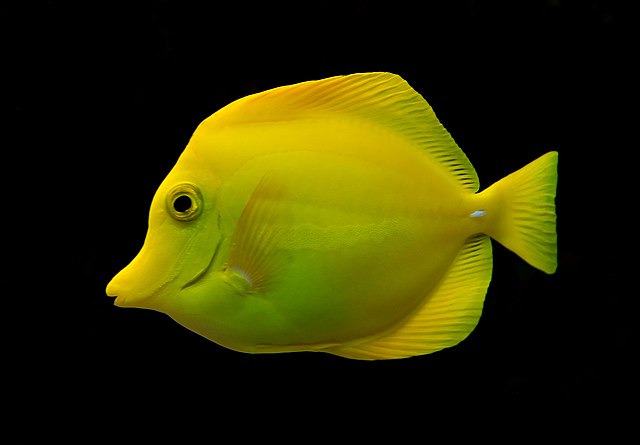
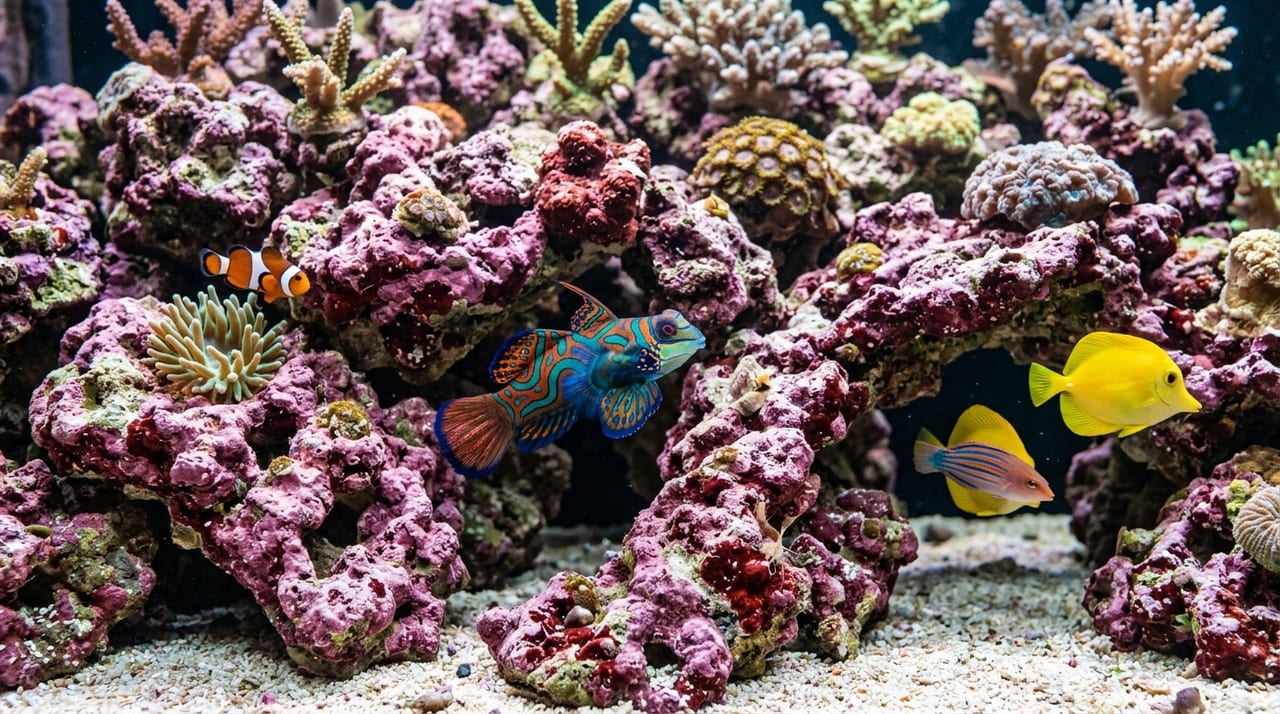
When you purchase a new marine fish, the natural impulse is to add it directly to your main tank. However, skipping this one critical step has led many aquarists to the heartbreaking experience of watching their entire main tank crash. Quarantine is one of the most important processes in marine fish keeping. Popular, high-volume species such as ocellaris clownfish, yellow tangs, and cleaner wrasses are especially prone to carrying pathogens through transport and distribution chains, making quarantine particularly vital for these fish. While it may seem tedious, proper quarantine protects your main tank and significantly enhances fish health and long-term enjoyment. This guide provides a thorough explanation from the principles of quarantine through specific procedures and troubleshooting.
---
What is Quarantine?
Quarantine is the process of isolating newly purchased fish in a separate "quarantine tank" for a set period to prevent the introduction of disease or parasites into the main tank.
Marine fish may carry various pathogens due to stress during transport and contact with other fish during distribution. Even if a fish appears healthy to the naked eye, white spot parasites (Cryptocaryon irritans) or other parasites may be in a latent stage, only to spread explosively once introduced to the main tank. This is not uncommon at all.
White spot disease is a prime example—free-swimming parasites disperse throughout the water column and infect all fish in the tank, making eradication extremely difficult once established. By conducting thorough quarantine, you can reduce this risk to nearly zero.
---
Setting Up the Quarantine Tank
A quarantine tank should have a simple setup. Elaborate equipment like the main tank is unnecessary.
Essential Equipment
Tank: 30–60cm (choose size based on fish size)
Sponge filter or air-lift filter: Bacteria establish easily and work well during medicated baths
✍️
BreederDirect Editorial
The BreederDirect editorial team specializes in care information for animals, covering veterinary care and breeding to deliver beginner-friendly guides.
Find Marine Fish on BreederDirect
Buy directly from verified breeders
Browse Related Listings
Find Marine Fish listings related to this article on BreederDirect. Buy directly from verified breeders.
Body observation: Daily check for white spots, excess mucus, redness, torn fins, or injuries
Water changes: 30% every 2–3 days. Water deterioration causes stress and immune suppression
Lighting: Keep lighting subdued to help the fish settle in
Weeks 2–3: Preventive Treatment Period
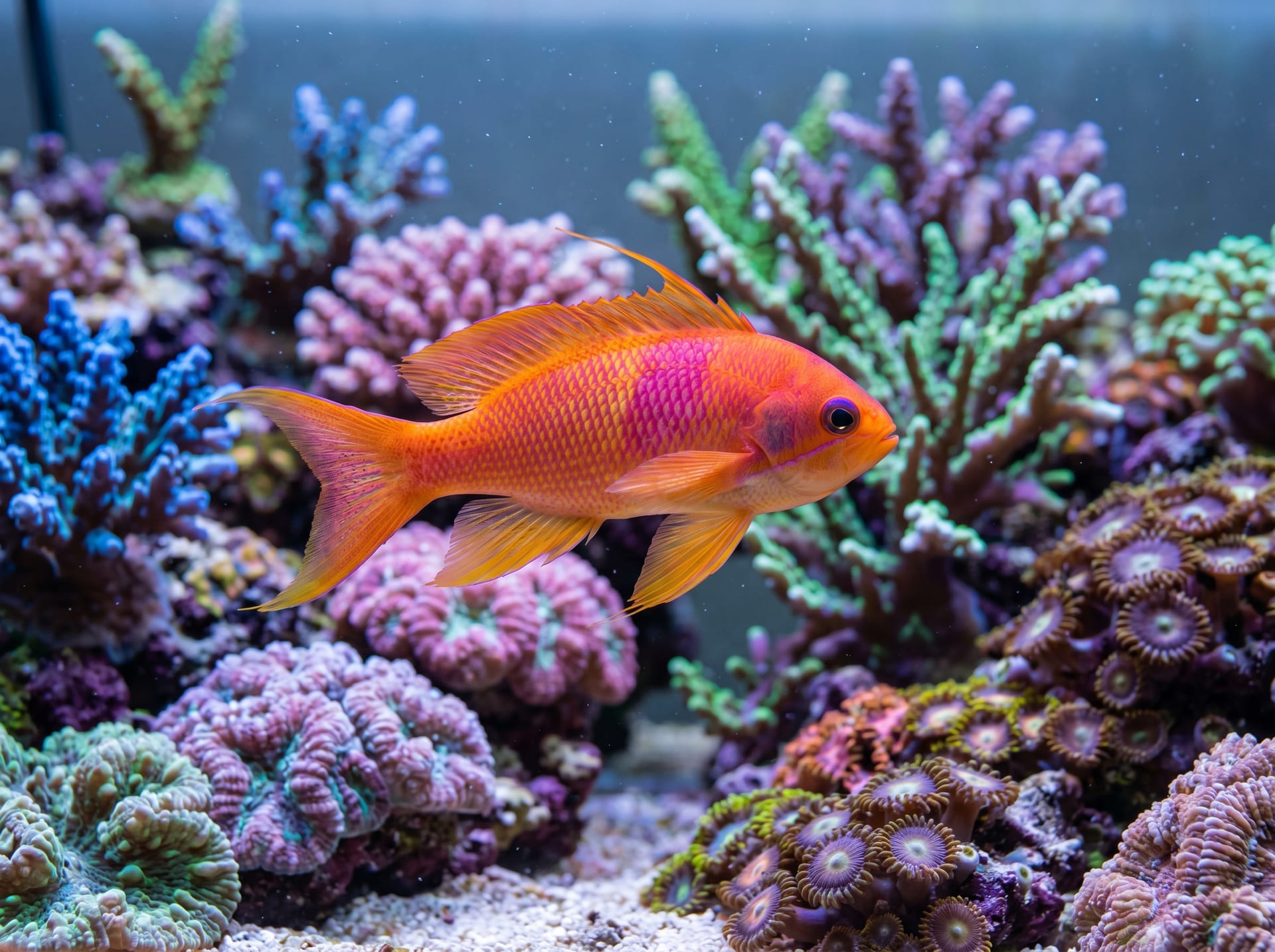
Even if no major problems appear during the observation period, preventive treatment is strongly recommended. Anthias species in particular are sensitive to environmental changes and prone to undetected latent infections, so preventive treatment provides extra peace of mind regardless of visible symptoms.
Copper Ion Treatment (External Parasite Control)
- Add commercial copper medications like Cupramin or CopperSafe at the specified concentration
- Typical treatment concentration ranges from 0.3–0.5 ppm, depending on product
- Monitor copper levels daily using a test kit (reagent or digital) and maintain the target concentration
- Copper dissolves easily but drops due to evaporation and absorption, so frequent supplementation is necessary
Praziquantel Treatment (Internal and External Parasite Control)
- Effective against flukes, roundworms, and other internal parasites
- Can be used concurrently with copper treatment
- Dissolve powder or tablets at the specified dose; effects are often achieved with one or two applications
Week 4: Recovery and Transition Period
Complete treatment and prepare for introduction to the main tank.
Remove copper: Use activated carbon over 2–3 days to gradually remove copper from the water
Continue observation: Watch for relapse or abnormalities over several days
Gradual acclimation: Add small amounts of main tank water to the quarantine tank to equilibrate water conditions before transfer
---
Common Symptoms During Quarantine and How to Address Them
Various symptoms may appear during quarantine. Early detection and prompt action are key to recovery.
Symptom
Suspected Disease
Treatment
Numerous white spots on body surface
White spot disease (Cryptocaryon irritans)
Continue copper treatment at specified concentration
Redness or inflammation on fins or body
Bacterial infection
Apply antimicrobial agents (furazolidone, etc.)
Fish rubbing against glass or gravel
External parasites (velvet disease, etc.)
Copper treatment + freshwater dip if needed
Whitish sores around mouth
Mouth rot (columnaris disease)
Antimicrobial agents + water quality improvement
Loss of appetite or lethargy
Stress or early infection
Review environment; consider medication if needed
Abnormal abdominal swelling
Intestinal parasites or ascites
Apply praziquantel; monitor symptoms
If symptoms do not improve or multiple symptoms occur together, consulting a veterinarian experienced with aquatic species is an option.
---
Newly introduced fish should undergo a minimum of 2 weeks, and ideally 4 weeks, of quarantine. This period extends beyond the incubation time of white spot and velvet diseases, ensuring you can confidently confirm whether the fish will develop symptoms. A 30–60 liter quarantine tank is sufficient—no substrate necessary (bare bottom)—and adding PVC pipes or ceramic hiding places helps the fish stay calm. Water management remains critical; test for ammonia and nitrite daily, and perform water changes using water from the main tank as needed. Even species with special behaviors, like cleaner wrasses that naturally seek out other fish, must be kept in isolation during this period. By making quarantine a routine practice, you can dramatically reduce the risk of introducing disease to your main tank.
---
Brichoku's Safety Assurance System
Brichoku is a platform where you can purchase livestock directly from breeders. Because you buy directly from breeding and husbandry professionals without going through retail distribution channels, fish are typically in excellent condition.
Some sellers list individuals that have already been through quarantine prior to shipping. Before purchase, use the messaging feature to ask: "Have you quarantined this fish?" and "What treatments have you performed?" Learning about the breeder's experience and husbandry methods will give you even greater confidence in your purchase.
However, even quarantined fish cannot escape transport stress. Once your fish arrives, we recommend setting up your own short observation period of 1–2 weeks. To enjoy healthy fish long-term, that extra step is well worth it.
Quarantine is not a "tedious chore"—it is an act of care for your fish and protection for your main tank. A careful beginning leads to long-term success in fish keeping.