Small Saltwater Aquarium (Nano Tank) Setup Guide | Starting Saltwater Fish Keeping in a 30cm Tank | ブリちょく
Marine Fish| ✍️ BreederDirect Editorial
Small Saltwater Aquarium (Nano Tank) Setup Guide | Starting Saltwater Fish Keeping in a 30cm Tank
A guide to starting saltwater fish keeping in a small 30cm tank. This article covers how to choose equipment suitable for nano tanks, recommended fish species and stocking levels, tips for maintaining water quality, and solutions to common mistakes.
Key Takeaways
A guide to starting saltwater fish keeping in a small 30cm tank. This article covers how to choose equipment suitable for nano tanks, recommended fish species and stocking levels, tips for maintaining water quality, and solutions to common mistakes.
Why Nano Tanks Are Popular
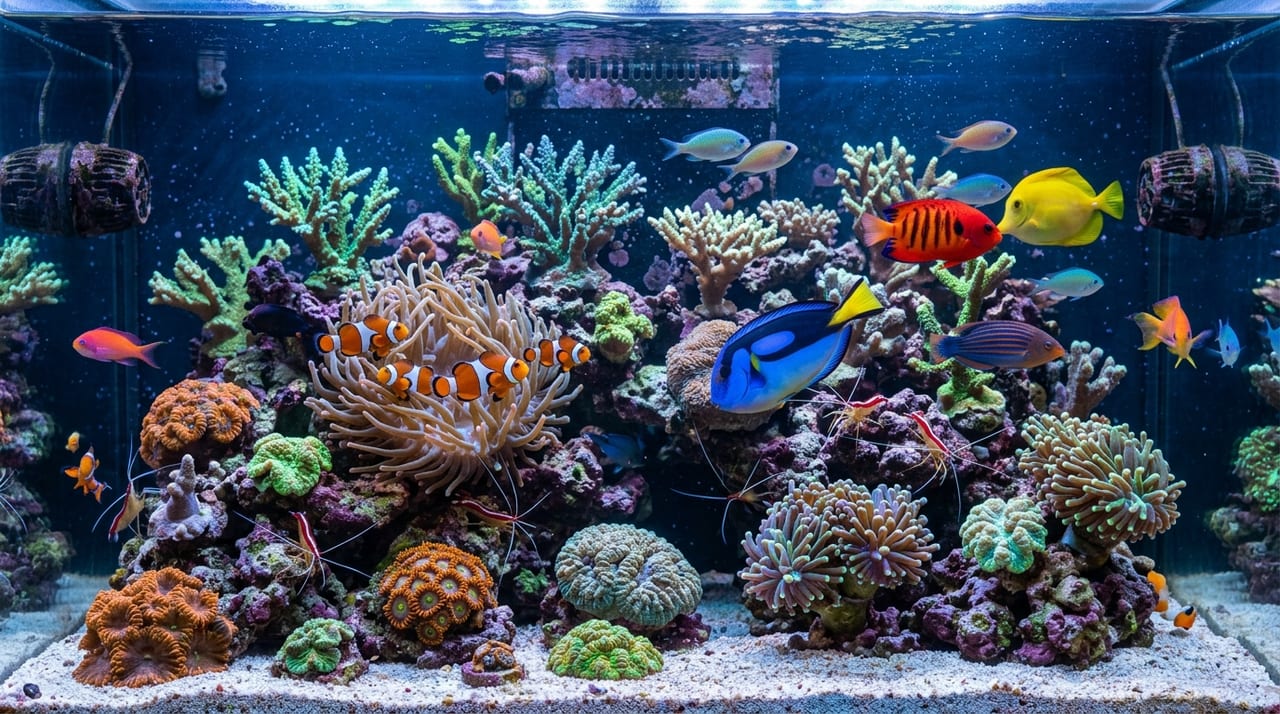
Saltwater aquariums are often thought to require large tanks and are difficult to maintain, but in recent years the hobby of keeping saltwater fish and corals in small tanks around 30cm—known as "nano tanks"—has become increasingly popular. Their greatest appeal is that they are easy to set up even in apartment living with limited space, and allow you to create an authentic saltwater environment while keeping initial costs and maintenance expenses low.
✍️
BreederDirect Editorial
The BreederDirect editorial team specializes in care information for animals, covering veterinary care and breeding to deliver beginner-friendly guides.
Find Marine Fish on BreederDirect
Buy directly from verified breeders
Browse Related Listings
Find Marine Fish listings related to this article on BreederDirect. Buy directly from verified breeders.
However, because they are small, they contain less water and water quality can change more easily. If you master the setup procedure and learn the basics of water quality management, even beginners can maintain a beautiful nano reef. This article uses a 30cm tank as an example and walks through the setup process step-by-step, from initial setup to introducing fish.
---
Gathering the Necessary Equipment
Here is what you'll need to set up a nano tank in a 30cm tank (approximately 25-30 liters).
Tank and Filtration
- 30cm all-in-one tank (with built-in filtration) or a 30cm glass tank
- Hang-on filter or small canister filter (flow rate: approximately 150-300 L/h)
- Protein skimmer (nano-sized; optional but recommended)
Lighting
- Marine LED light (if adding corals, aim for PAR value of 50 or higher)
- Control lighting to 8-10 hours per day using a timer outlet
Temperature Control
- Small heater (100-150W; integrated thermostat models are convenient)
- Thermometer (digital type recommended)
Water Testing and Additives
- Hydrometer or refractometer (high-accuracy refractometer recommended)
- Ammonia, nitrite, and nitrate test kit
- pH meter or test kit
Substrate and Live Rock
- Aragonite sand (particle size 1-3mm, depth of 3-4cm)
- Live rock (approximately 10-15% of tank volume; around 200-400g)
All-in-one tanks have built-in filters and pumps with fewer plumbing issues, making them ideal for beginners. If budget is limited, a hang-on filter combined with a 30cm glass tank works just fine.
---
Setup Steps
The most important aspect of setting up a saltwater tank is "establishing bacterial colonies." Bacteria (Nitrosomonas and Nitrobacter) that neutralize ammonia from fish waste and uneaten food need at least 4-6 weeks to establish sufficient populations.
STEP 1: Preparing Substrate and Saltwater
Mix artificial sea salt with distilled water or RO water (reverse osmosis water) to achieve a specific gravity of 1.023-1.025 (approximately 3.3-3.4% salinity). Tap water can be used after dechlorination, but since it may contain trace heavy metals and chlorine byproducts, using RO water is strongly recommended if possible.
Spread cleaned substrate to a depth of 3-4cm and slowly add the artificial saltwater. Install the filter and heater, set the temperature to 25-26°C, and start circulation.
STEP 2: Adding Live Rock
Live rock is porous limestone naturally colonized with beneficial bacteria and microorganisms. Adding it to the tank provides a substrate for filter bacteria and greatly accelerates the cycling process. Arrange the rocks to create hiding places for fish.
STEP 3: Bacterial Establishment Period
From setup, ammonia levels rise in 1-2 weeks, nitrite begins to appear in 2-3 weeks, and both approach zero around 4-6 weeks (nitrogen cycle complete). Do not add any fish or animals during this period; test water quality 1-2 times per week with test kits. Using commercial bacterial additives (such as Psycho Marine or Bicom 8) can shorten the cycling period by 1-2 weeks.
---
Choosing Suitable Fish and Animals
Nano tanks hold little water, so large fish or territorial species are not suitable. Use the following as a guide:
Beginner-Friendly Saltwater Fish (Recommended for 30cm Nano Tanks)
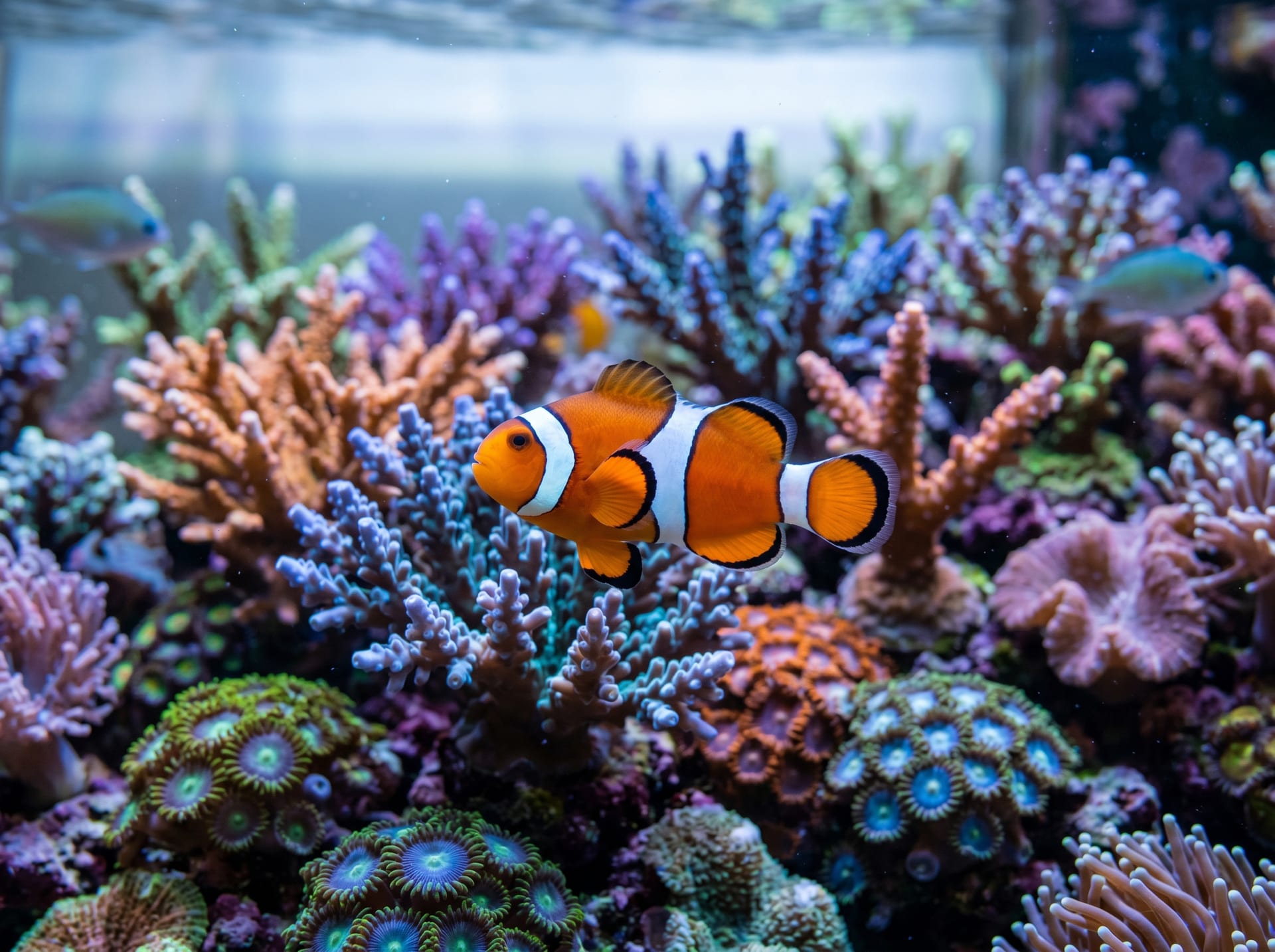
- Ocellaris Clownfish (Clownfish) (1-2): Hardy, easy to care for, and the #1 choice. Consider anemones after water quality is stable.
- Firefish Goby: An adorable small species that hovers over the substrate. Peaceful and good for community tanks.
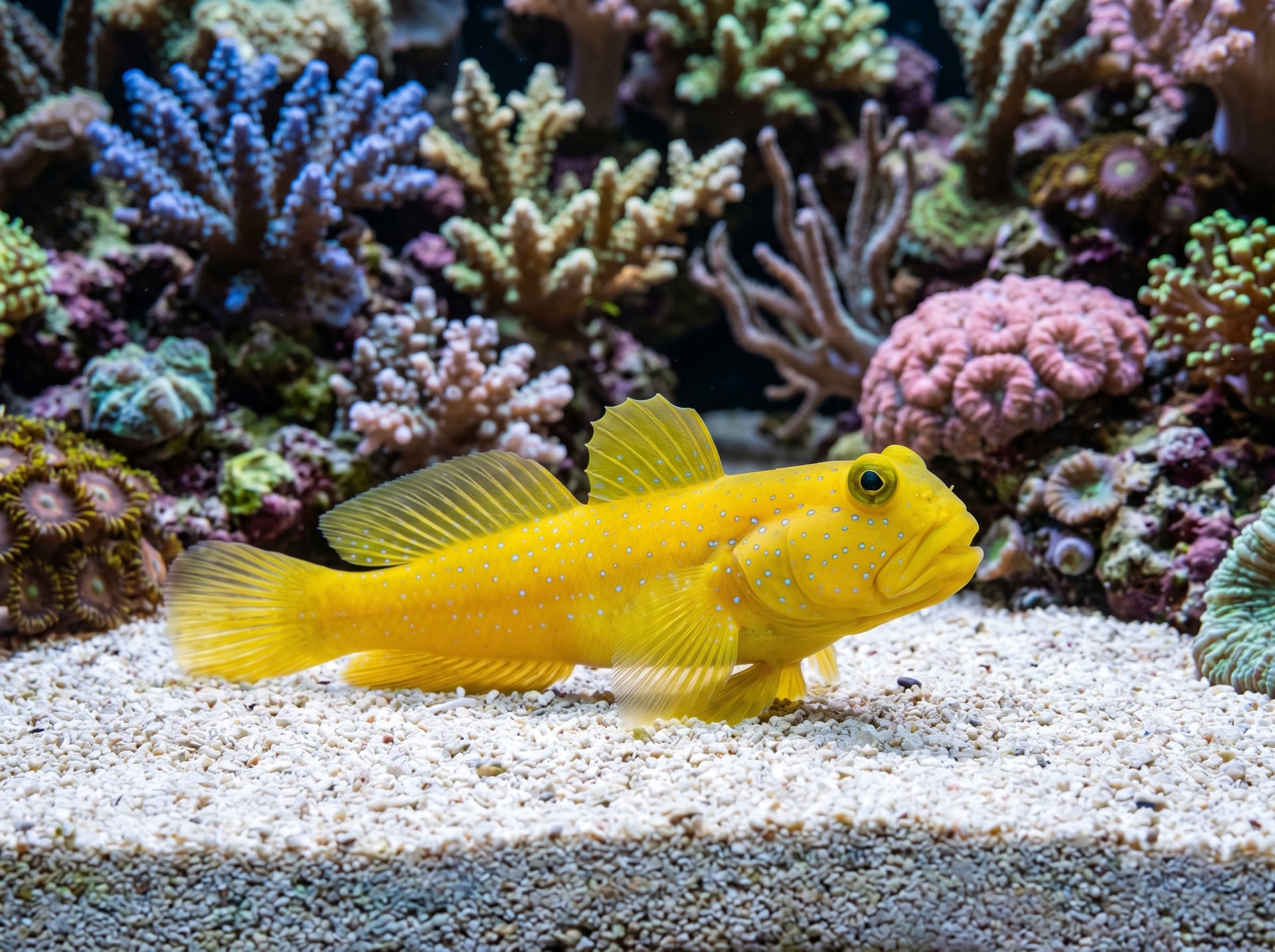
- Yellow Coris Wrasse (Rainbow Wrasse): Active and colorful. One per 30cm tank is appropriate.
Cleanup Crew Invertebrates
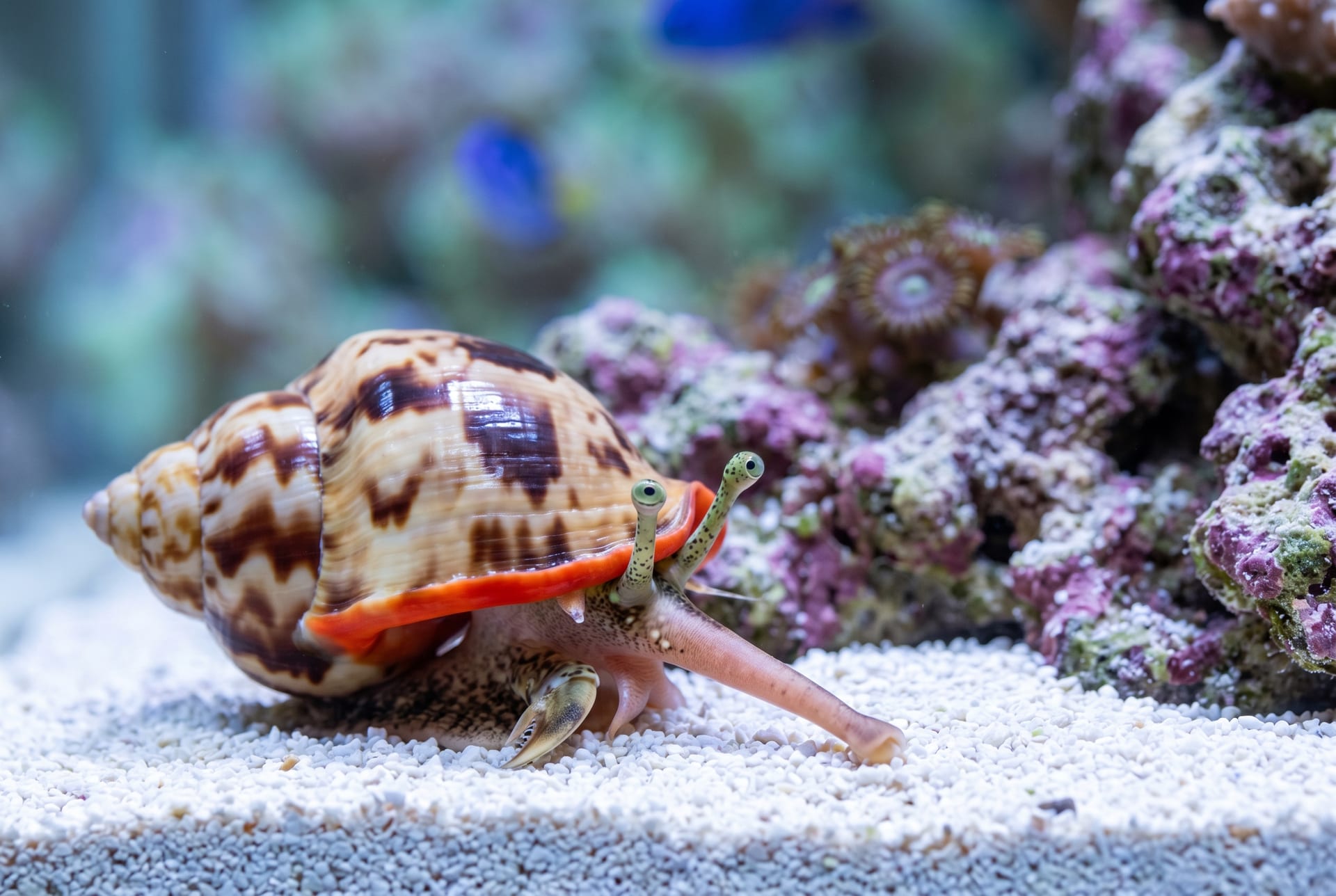
- Hermit crabs (coral banded shrimp) and Turbo snails: Natural cleanup crew that eat algae and uneaten food.
- Turbinaria snails: Extremely effective at removing algae from glass surfaces.
Corals (Soft Corals)
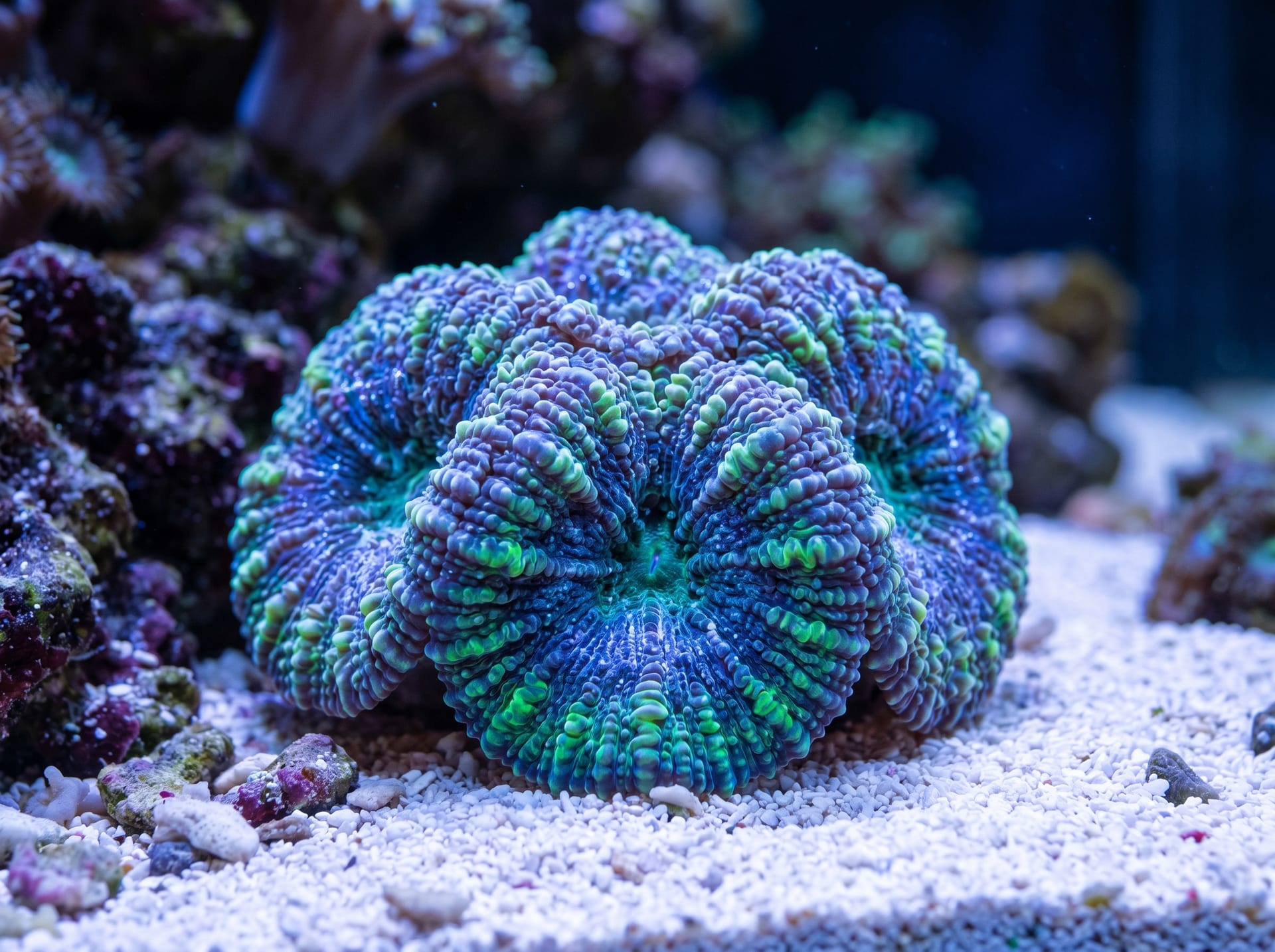
- Disc corals and Zoanthids: Low light and flow requirements; ideal for nano tanks.
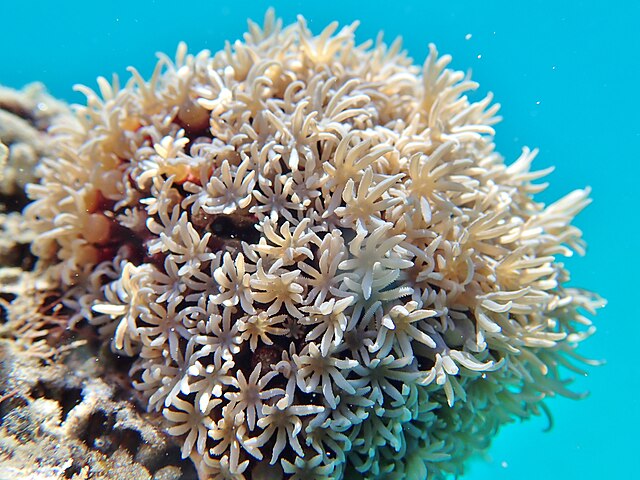
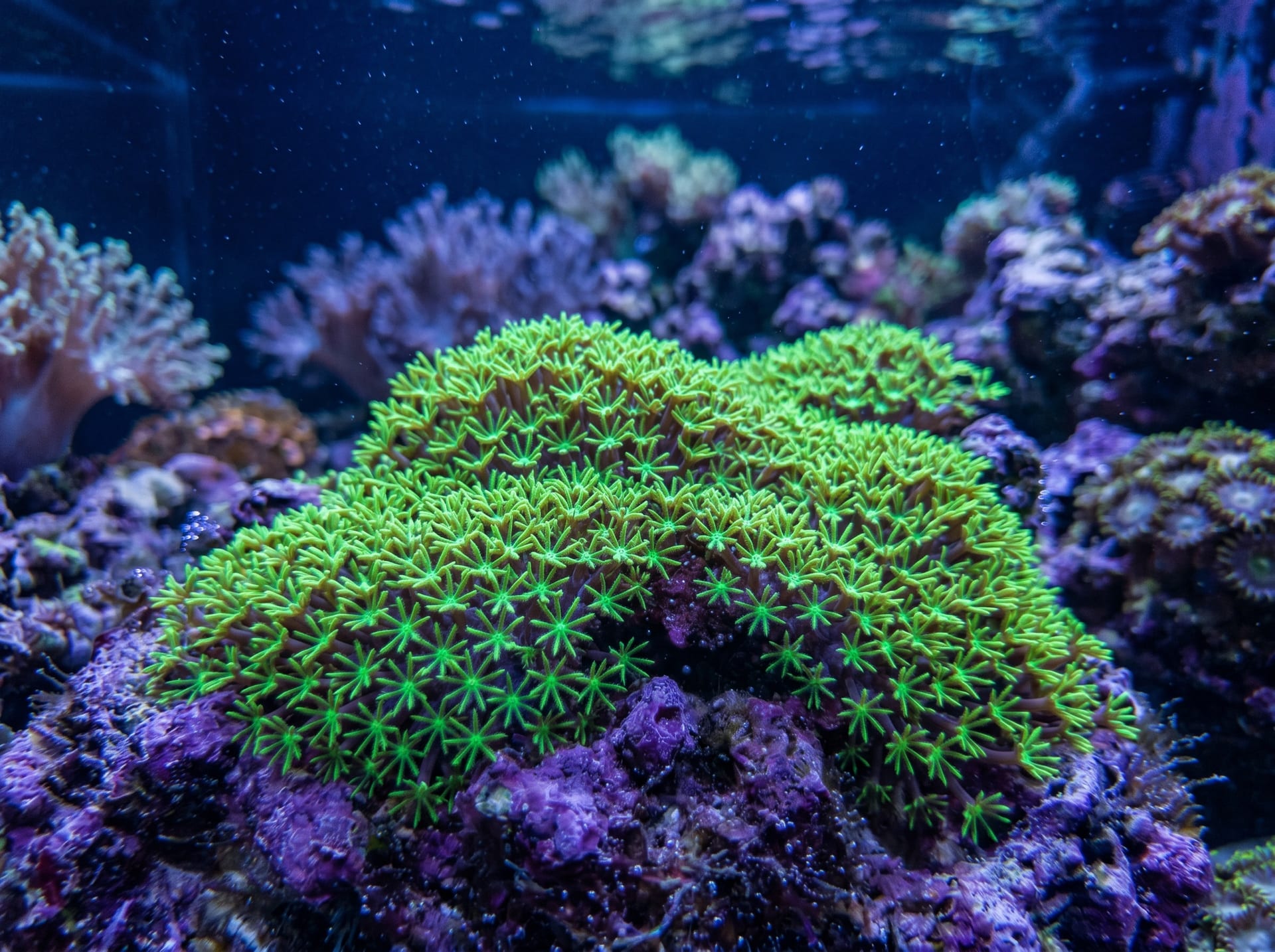
- Palythoa and Star Polyps: Fast-growing and striking; popular with beginners.
Do not add many fish at once; add 1-2 at a time with intervals between additions. If the bioload is too high for the tank volume, water quality will deteriorate rapidly. For a 30L tank, keep stocking to 3 or fewer small fish.
---
Daily Water Quality Management and Maintenance
Water Change Schedule
Change 10-15% (3-5L) of the tank water with fresh artificial saltwater once per week. When changing water, watch for specific gravity increases due to evaporation; maintain it in the 1.023-1.025 range at all times. Top off evaporation with distilled water only (salts do not evaporate).
Nitrate Management
While nitrate is relatively non-toxic, high concentrations (50mg/L or higher) can harm fish and corals. In addition to water changes, you can control nitrate through bacterial denitrification in anoxic zones within live rock and by maintaining a refugium with macroalgae (such as Chaetomorpha).
Algae Control
Diatoms (brown algae) commonly appear during the initial setup but typically subside in 2-3 weeks when left to snails and crabs. If green algae becomes problematic, reduce lighting duration (6-8 hours) and lower nutrient levels (phosphate and nitrate).
---
Common Mistakes and Solutions
Mistake 1: Adding Fish Too Soon
Introducing fish before bacteria are established will result in ammonia poisoning and death. Always confirm that ammonia and nitrite are zero before adding any fish.
Mistake 2: Neglecting Specific Gravity
Small tanks are greatly affected by evaporation; specific gravity can exceed 1.030 if neglected for a few days. Make it a habit to check the water level daily and top off evaporation with distilled water.
Mistake 3: Overstocking
"A few extra won't hurt" doesn't apply to saltwater aquariums. Nano tanks with their small water volume are especially sensitive to bioload. Conservative stocking is key to long-term success.
Nano tanks are a deeply rewarding hobby that lets you enjoy a concentrated ocean ecosystem in a small space. The setup process—taking time to establish stability and gradually adding inhabitants—is itself part of the joy. With patience and careful setup, you can maintain a beautiful miniature ocean for years to come.