How to Set Up Saltwater and Brackish Water Tanks with Mangroves | Balancing Nitrate Removal and Aesthetics | ブリちょく
Marine Fish| ✍️ BreederDirect Editorial
How to Set Up Saltwater and Brackish Water Tanks with Mangroves | Balancing Nitrate Removal and Aesthetics
This guide explains how to introduce mangroves (Rhizophoraceae plants) into your aquarium. We detail the benefits of using mangroves in saltwater and brackish tanks—including nitrate absorption, natural aesthetics, and their role as a bacterial substrate—along with cultivation tips.
Key Takeaways
This guide explains how to introduce mangroves (Rhizophoraceae plants) into your aquarium. We detail the benefits of using mangroves in saltwater and brackish tanks—including nitrate absorption, natural aesthetics, and their role as a bacterial substrate—along with cultivation tips.
Mangroves are a collective term for plants that grow in tropical and subtropical coastal areas, featuring specialized root systems adapted to saltwater and brackish environments. In recent years, more aquarists have been introducing mangroves into marine fish and coral tanks. While mangroves offer numerous benefits—including nitrate removal, natural aesthetics, and ecosystem diversification—they require specialized care and techniques. This article provides a detailed guide on how to incorporate mangroves into your tank.
✍️
BreederDirect Editorial
The BreederDirect editorial team specializes in care information for animals, covering veterinary care and breeding to deliver beginner-friendly guides.
Find Marine Fish on BreederDirect
Buy directly from verified breeders
Browse Related Listings
Find Marine Fish listings related to this article on BreederDirect. Buy directly from verified breeders.
Nitrate and Phosphate Absorption: Mangrove roots absorb nutrients directly from the water. In saltwater tanks, the accumulation of nitrates can cause fish stress and coral bleaching. Mangroves, however, absorb nitrates and phosphates as energy for their own growth. As mangroves mature, they can function as an alternative to a refugium.
Natural Aesthetics: The intricate aerial roots spreading above the waterline recreate the atmosphere of a natural mangrove coastline and mudflats. Mangroves pair exceptionally well with biotopes for tropical fish, crabs, and gobies, making it possible to create a naturalistic aquascape.
Biological Substrate: The complex structure of aerial and underwater roots provides habitat for copepods, amphipods, and bacteria. The increase in these foundational organisms enriches the tank's ecosystem and food chain.
Oxygen Production: As a photosynthetic plant, mangroves produce oxygen during the day, helping maintain stable dissolved oxygen levels in the tank.
Types of Mangroves Used in Aquariums
Most mangroves available in the Japanese aquarium trade are one of three species: Bruguiera gymnorhiza, Kandelia obovata, or Rhizophora stylosa.
Kandelia obovata (White Mangrove): Native to the southern regions of mainland Japan, this species tolerates relatively cool temperatures (15°C and above). Its small, oval leaves make it suitable for smaller tanks.
Rhizophora stylosa (Tall Mangrove): Native to Ishigaki and Iriomote Islands, this is the most commonly available species. It develops impressive aerial roots that extend well into the water, creating the iconic mangrove appearance.
Bruguiera gymnorhiza (Black Mangrove): Distinguished by its characteristic knee roots. This species prefers warmer conditions and requires a truly tropical environment.
Young seedlings (propagules) are available for purchase through specialty aquarium shops and online retailers.
Setup and Installation
Tank Selection: Since mangroves grow tall and extend above the waterline, you'll need a tall tank or one without a lid. An open-top tank at least 60 cm wide is generally suitable. Many aquarists also grow mangroves in a sump (refugium).
Substrate: Spread 5–10 cm of sandy-silty substrate (such as aragonite sand or coral sand) to promote good root development. Anchoring roots deep in the substrate improves stability. Using live sand introduces beneficial bacteria simultaneously.
Water Level and Planting: The base of the mangrove (hypocotyl and lower seedling) should be submerged in water. As roots develop, the plant can adapt to deeper conditions. Plant deep in the substrate for stability.
Lighting: Mangroves prefer bright light. Use saltwater-grade T5 or LED lighting for 8–12 hours daily. Insufficient light causes yellowing leaves and stunted growth. Natural light (near a window or in a greenhouse) is ideal if available.
Daily Care Tips
Fertilization: During the growing season (spring–summer), occasional liquid fertilization (containing nitrogen, phosphorus, and potassium) improves leaf color. Use sparingly, as excess nutrients can accumulate in the tank.
Water Changes and Salinity: In saltwater tanks, maintain a specific gravity of 1.020–1.025; in brackish tanks, 1.005–1.015. While mangroves tolerate a range of salinities, they are sensitive to rapid changes.
Pruning: Excessive upward growth becomes difficult to manage. Prune branches regularly to maintain a compact form. Make cuts just above nodes, where they're less prone to rot.
Yellowing and Leaf Drop: Older leaves naturally yellow and fall, which is normal growth. However, if new leaves also yellow, suspect insufficient light, nutrient deficiency, or rapid water quality changes.
Compatible Tank Inhabitants
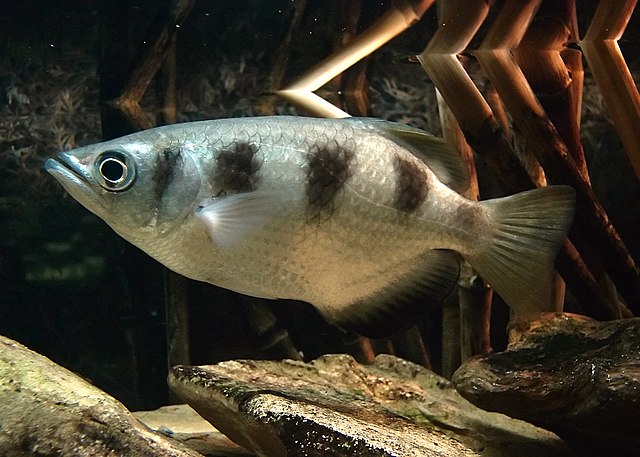
Saltwater and Brackish Fish: Gobies (such as mudskippers and green pufferfish), archerfish, and mangrove jacks (juvenile snappers) are naturally found in brackish mangrove habitats and pair well with these tanks.
Crustaceans: Crabs, mantis shrimp, and hermit crabs utilize the complex root structure as shelter. Note that crabs may graze on mangrove roots and leaves, so compatibility should be verified.
Cohabitation with Corals: Some aquarists attempt to keep SPS corals with mangroves to benefit from nitrate absorption. However, both require high light levels, which can create competing demands—careful tank design is necessary.
While setting up a mangrove tank requires initial effort, the unique beauty of a natural coastal ecosystem and the water quality improvements make it worthwhile. As a form of "living filtration" that nurtures a self-sustaining ecosystem, mangrove tanks represent an exciting new dimension of aquarium keeping.