Saltwater Fish Breeding Guide | Foundational Knowledge for Home Breeding
Learn foundational knowledge for attempting saltwater fish breeding. Introduces species that are easy to breed (Ocellaris Clownfish and Neon Gobies), pairing methods, egg spawning induction conditions, and methods for cultivating rotifers for fry.
Key Takeaways
Learn foundational knowledge for attempting saltwater fish breeding. Introduces species that are easy to breed (Ocellaris Clownfish and Neon Gobies), pairing methods, egg spawning induction conditions, and methods for cultivating rotifers for fry.
Related Species
What You Should Know Before Attempting Saltwater Fish Breeding
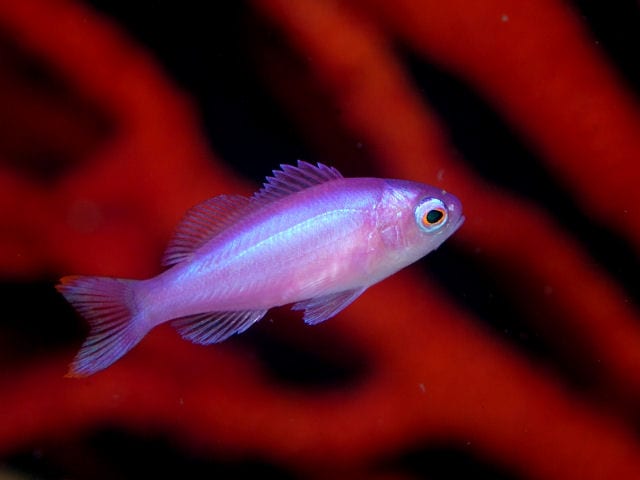
Saltwater fish breeding has traditionally been considered more difficult than freshwater fish breeding. However, with recent advances in husbandry techniques and equipment, enthusiasts successfully breeding fish in home aquariums are steadily increasing. Many species are well-suited to breeding, including Ocellaris Clownfish, Flame Fish types, and Dottyback species.
First, it is important to understand that saltwater fish breeding has three main challenges:
- "Maturation of parent fish and induction of spawning"
- "Management of eggs and larvae"
- "Securing initial food sources"
Creating an environment to overcome these three challenges is the first step to successful breeding.
Selecting Species Suitable for Breeding
When attempting saltwater fish breeding for the first time, species selection is extremely important. We strongly recommend starting with species that have low difficulty and a proven track record.
| Species | Characteristics |
|---|---|
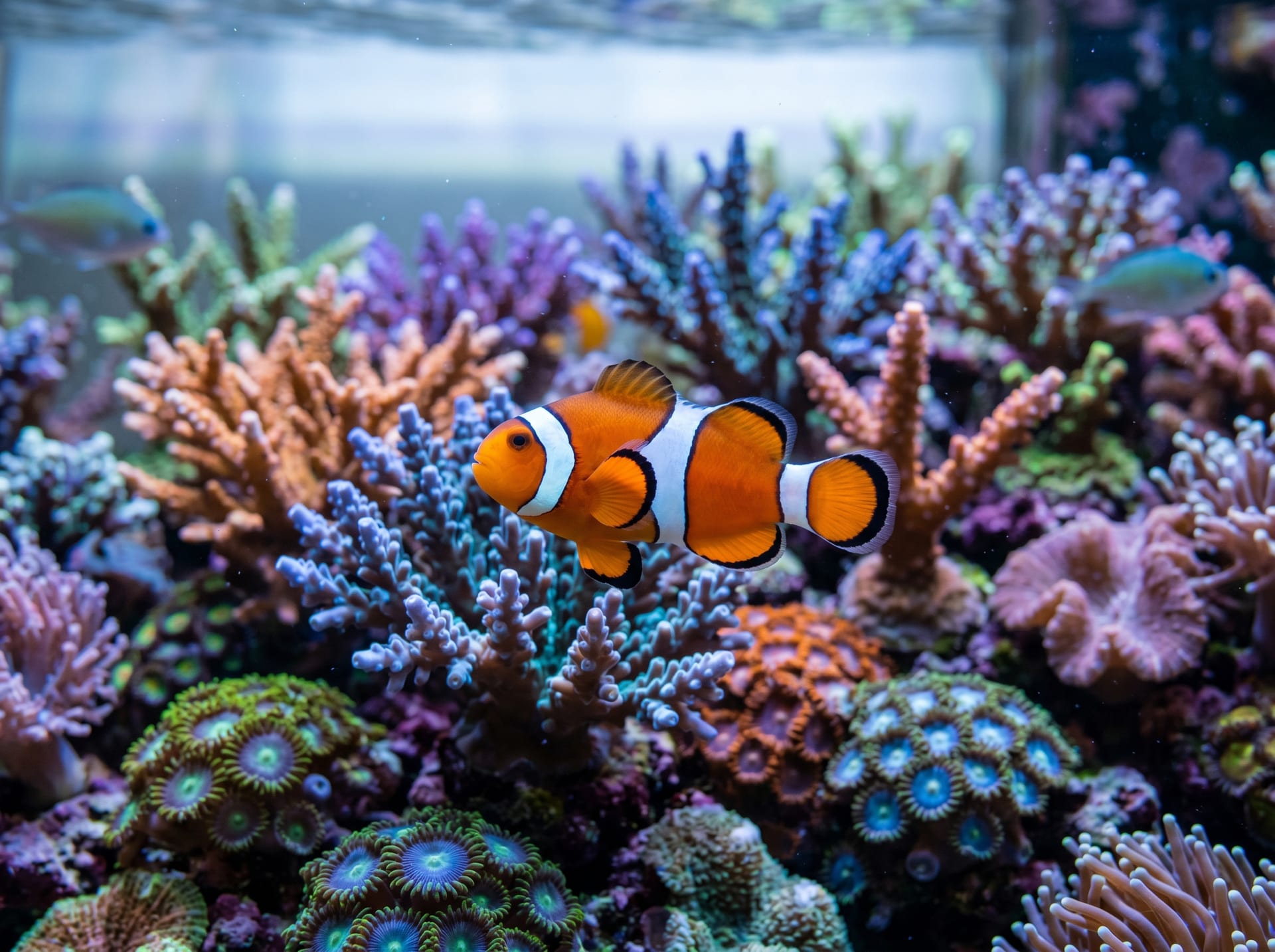
| Ocellaris Clownfish (Amphiprion ocellaris) | The most popular choice for breeding beginners. Hermaphroditic (protandrous), they spawn regularly on rocky surfaces or spawning substrates once a pair is stable. Eggs are tended by parent fish, making post-collection management relatively simple. |
| Ocellaris and Skunk Clownfish Varieties | Like Ocellaris Clownfish, these breed easily and are attractive for undertaking color morph breeding work. |
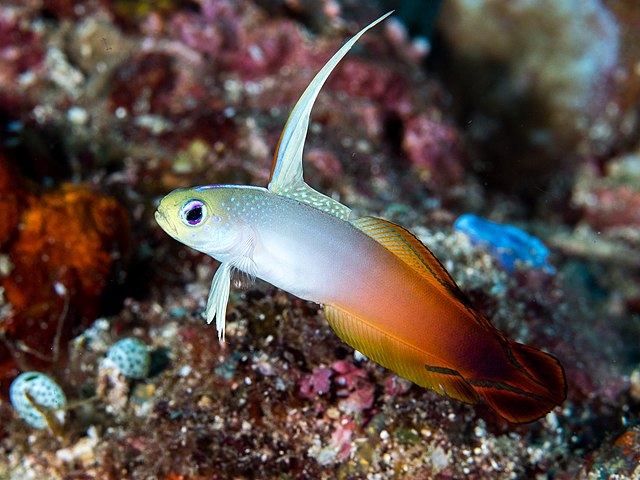
| Firefish (Nemateleotris magnifica) | Pair formation is difficult, but with large spawn quantities and relatively fast fry growth, it is suitable as a challenge for intermediate breeders. It is also valued for its ease of using SS-Rotifer as an initial food source. |
Setting Up a Proper Rearing Environment for Spawning and Hatching
To successfully breed, you must create an environment where parent fish feel the urge to breed. Lighting cycles and temperature management synchronized with wild spawning seasons are effective.
| Item | Details |
|---|---|
| Water Temperature | For Ocellaris Clownfish, around 26–27°C is a range that readily promotes breeding. Some reports indicate that mimicking seasonal variation by introducing slight temperature fluctuations can make the breeding trigger more likely to activate. |
| Lighting | Standard lighting is 12–14 hours per day. Maintaining a regular cycle with a timer is important, as irregular light cycles can disrupt spawning rhythm. |
| Spawning Substrate | Ocellaris Clownfish prefer to spawn on flat rock surfaces, ceramic tiles, or dedicated spawning plates. The placement of live rock is also important; design your tank layout so that parent fish can form a "territory" where they feel secure enough to spawn. |
| Water Quality | Maintain a specific gravity of 1.023–1.025, pH 8.1–8.3, and zero ammonia and nitrite. Keeping nitrate levels low as well reduces parent fish stress and promotes breeding behavior. Regular water changes and use of high-quality protein skimmers are effective. |
Rearing Fry and Securing Initial Food Sources
The most difficult aspect of saltwater fish breeding is considered to be larval stage management. Newly hatched fry are extremely small and require live food small enough to fit in their mouths.
SS-Rotifer (Brachionus rotundiformis) is widely used as an initial food source for saltwater fish fry. Cultivation requires specialized microalgae (such as Nannochloropsis), and rotifer cultivation must be maintained alongside phytoplankton cultivation.
Preparation of a dedicated fry tank (larval tank) is also necessary. Separate from the parent fish tank, set up a small tank (approximately 10–20 L) with aeration and temperature control capability. Since fry exhibit phototaxis and gather toward light, using a weak light source to guide them to food is also an effective technique.
Fry consume the egg yolk within 2–3 days after hatching and then begin eating food. Missing the timing of this "first feeding" can affect survival rate. Maintain a constant suspension of rotifers in the water (density: approximately 5–10 individuals/ml).
Around 10–14 days after birth, begin switching to brine shrimp (Artemia) nauplii. Properly managing food size and density during this transition period greatly affects fry survival rate.
Growth Management from Fry to Juveniles
Fry that survive the larval stage grow rapidly. During this period, frequent water changes and careful feeding management are important.
For Ocellaris Clownfish, metamorphosis begins approximately three weeks after hatching, and body shape and coloration close to adult form emerge. During this metamorphosis period, they are particularly susceptible to stress, so avoid sudden changes in water quality and provide hiding places.
| Item | Details |
|---|---|
| Feeding Management | Gradually transition from brine shrimp to crushed flakes to normal dry food. Ideally, feed small amounts 3–4 times per day. Uneaten food causes ammonia buildup, so remove it with a siphon after 1–2 hours or perform a water change. |
| Sorting Individuals | As growth variance appears among individuals, larger individuals may attack smaller ones. Grouping individuals of similar size prevents cannibalism and growth problems. |
Growing as a Breeder Through Keeping Breeding Records
As you continue breeding, keeping detailed records is extremely important. By maintaining notes on spawning dates, egg count, hatch rates, fry survival rates, food types and quantities, water quality data, and more, you accumulate valuable data that can be applied to future breeding attempts.
By repeatedly breeding the same species, "management methods suited to your own tank" become apparent. Even if failures continue at first, repeating records and improvements eventually allows you to establish a stable breeding cycle.
Saltwater fish breeding certainly requires considerable effort. However, watching fry born in your own tank grow and develop brings a profound joy that you can never experience with commercially available specimens. Please try starting with a pair of Ocellaris Clownfish and a spawning substrate.