10 Beginner-Friendly Saltwater Fish | Hardy and Easy-to-Keep Starter Species
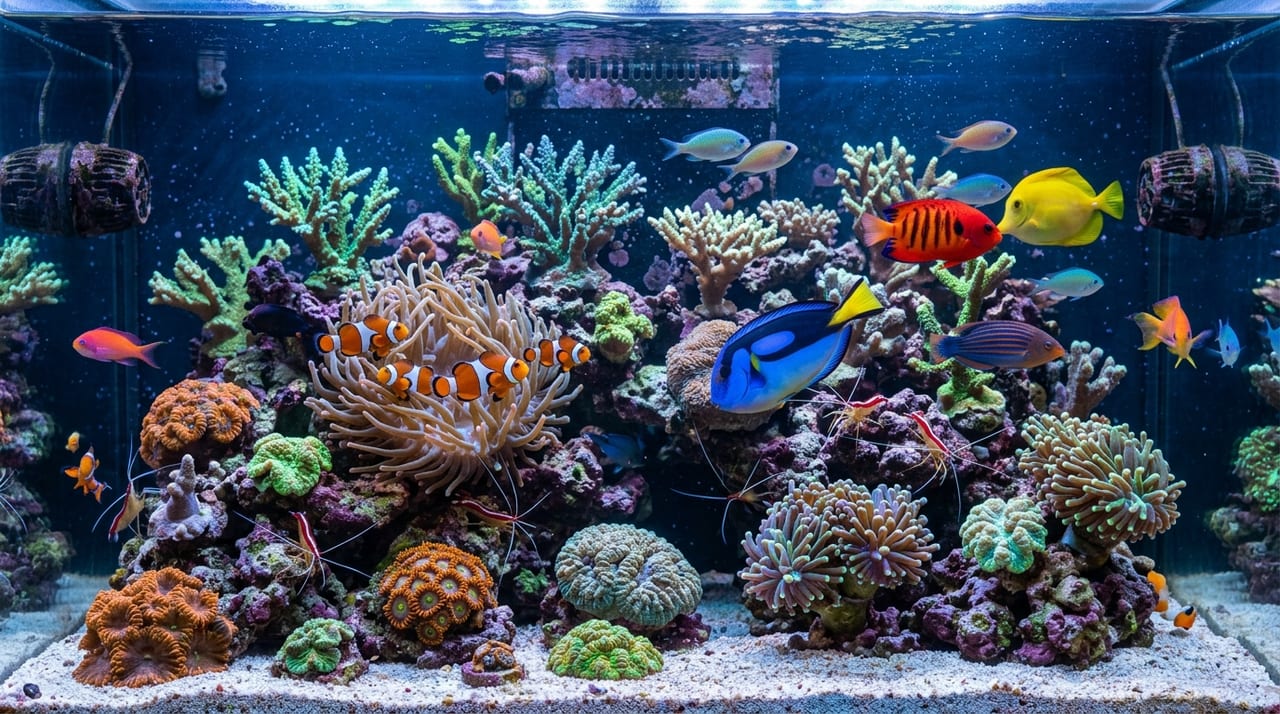
Introducing hardy starter species recommended for those starting saltwater fish keeping. We explain ranking-format easy-to-keep saltwater fish that are resistant to water quality changes, including Ocellaris Clownfish, Blue Damselfish, and Firefish.
Key Takeaways
Introducing hardy starter species recommended for those starting saltwater fish keeping. We explain ranking-format easy-to-keep saltwater fish that are resistant to water quality changes, including Ocellaris Clownfish, Blue Damselfish, and Firefish.
Related Species
Saltwater Fish Keeping Isn't Difficult! Fundamental Knowledge for Beginner Success
"Saltwater fish are difficult"——many people hesitate after hearing this. While it's true that water quality management requires more effort than freshwater, if you choose the right species and set up the basics properly, beginners can absolutely enjoy it.
The greatest appeal of saltwater fish keeping is the overwhelming colors and diversity. Cobalt blue, vibrant orange, and beautiful gradations create a world in your aquarium that freshwater fish simply cannot match. This article details the key points for species selection where beginners are less likely to fail, and introduces 10 particularly recommended species.
4 Key Points for Selecting Beginner-Friendly Saltwater Fish
Among saltwater fish, many are extremely sensitive to water quality changes and suited only for experienced aquarists. When selecting your first individual or group, keep these 4 criteria in mind.
1. Environmental Change Tolerance
In saltwater fish keeping, managing specific gravity (salinity) and pH is especially important. The standard is to maintain specific gravity between 1.020–1.025, but water naturally fluctuates daily due to evaporation. Choosing species that are relatively resistant to these changes provides beginner aquarists with significant peace of mind.
2. Adaptability to Artificial Feed
Species that eat only live prey or specific foods in nature become significantly harder to keep. Select species that readily accept commercial pellets, frozen brine shrimp, and flake foods.
3. Disease Resistance
"Ich" (White Spot Disease / Oodinium disease) is common in saltwater fish and easily triggered by stress or poor water quality. Choosing species with high immunity that are less susceptible to ich greatly reduces initial problems.
4. Compatibility for Mixed Tank Setup
If keeping only one species, compatibility is less of an issue. However, when keeping multiple species together, it's important to choose docile species with low aggression. Combining species with strong territorial behavior can cause weaker individuals to become stressed and decline.
10 Recommended Beginner-Friendly Saltwater Fish
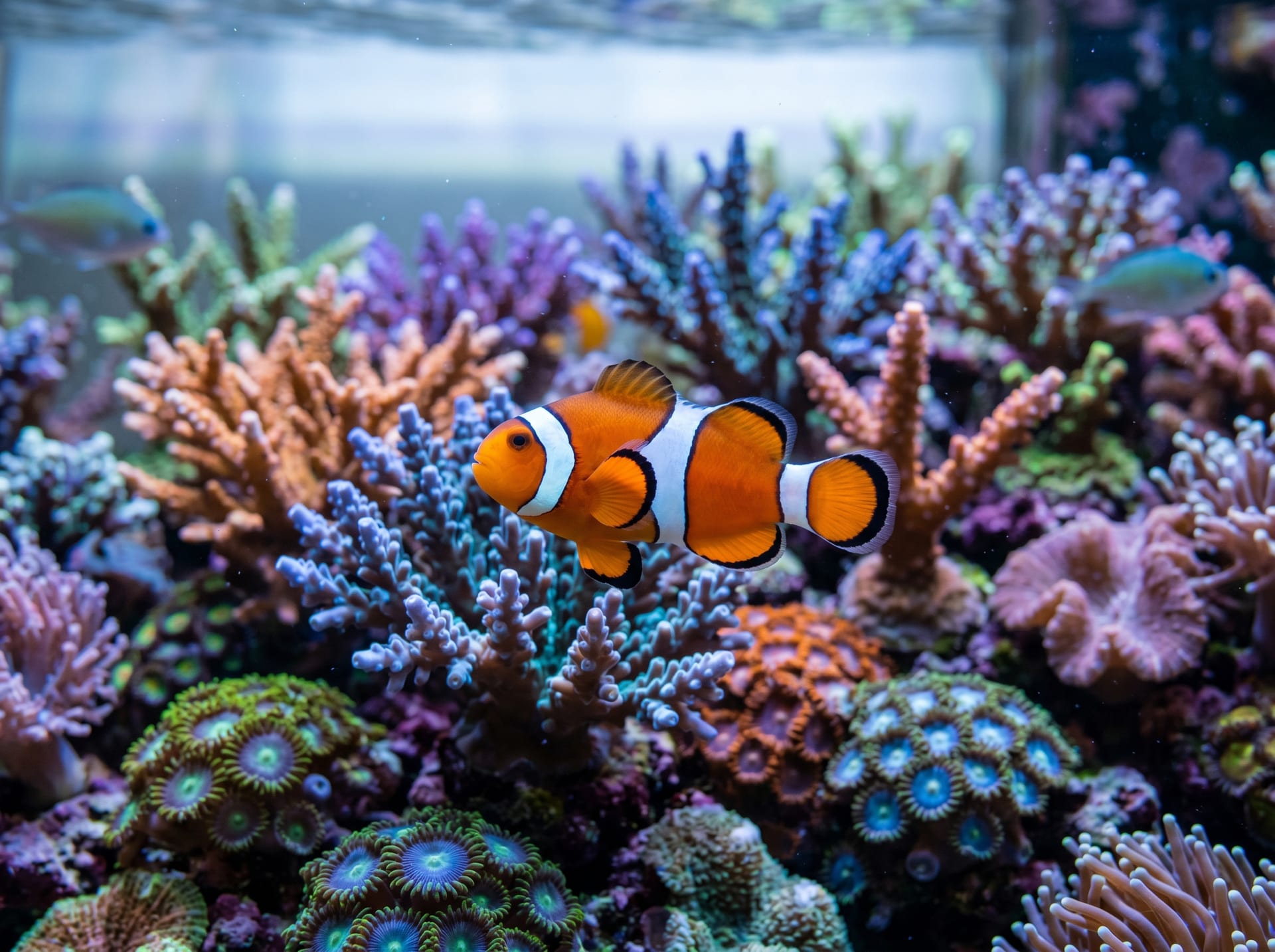
1. Ocellaris Clownfish
The quintessential saltwater fish—a hugely popular species. Their orange and white stripe pattern became famous through movies. They can be kept without anemones and readily accept artificial feeds. Relatively hardy and resistant to water quality fluctuations, making them an ideal first saltwater fish. Keeping a pair may result in spawning behavior, offering the joy of long-term keeping.
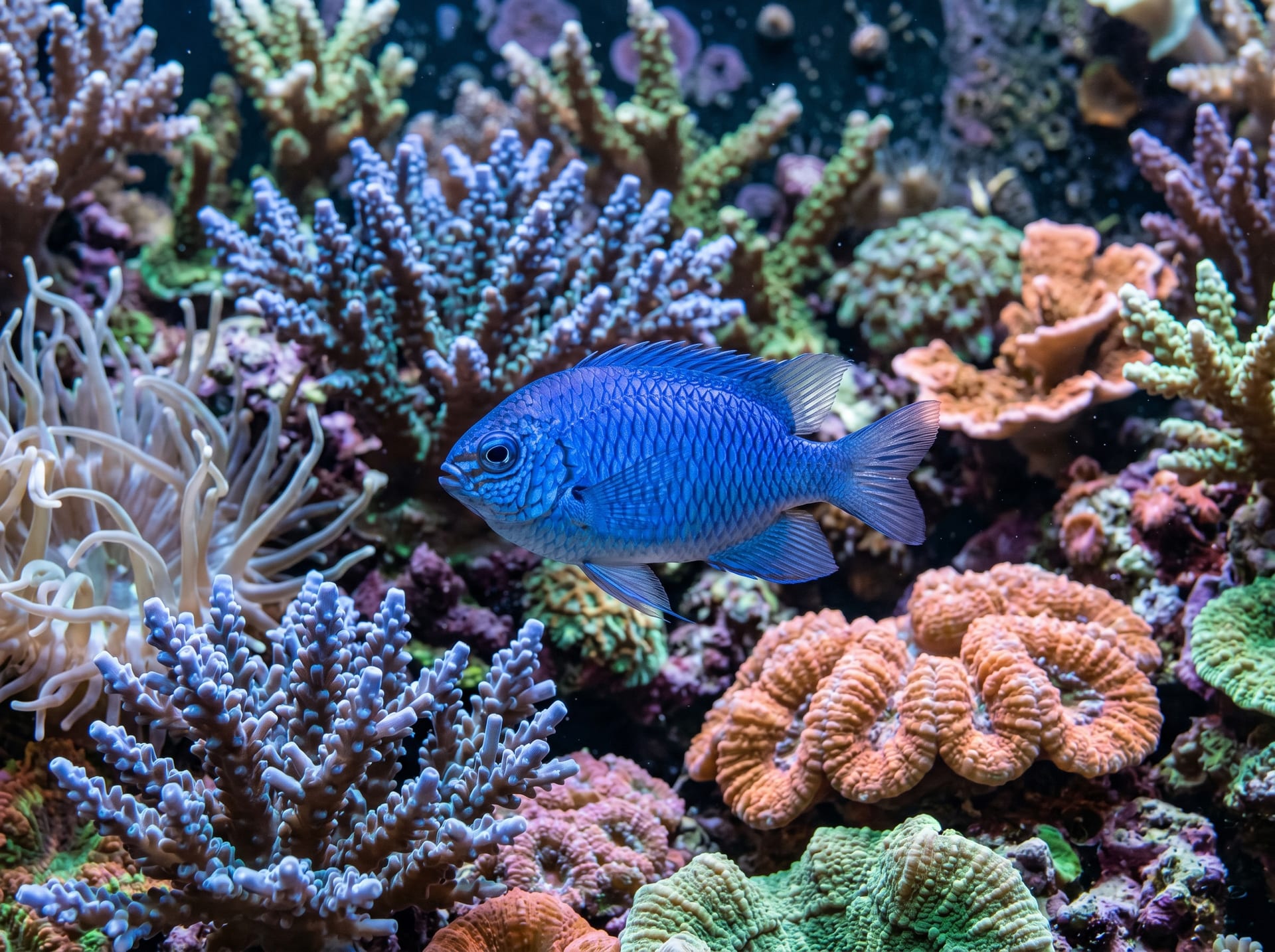
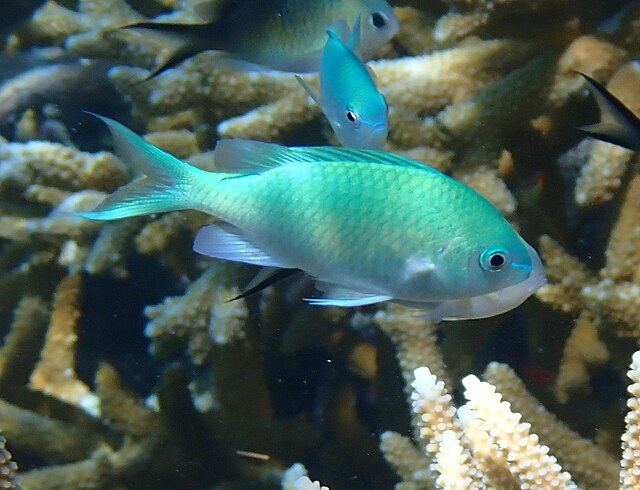
2. Blue Damselfish
Among damselfish, particularly docile, with cobalt blue coloring that looks spectacular when schooling. Affordable and widely available. High water quality adaptability—even introduced as a "pilot fish" in newly set-up tanks. Especially recommended for those who want to enjoy schooling behavior.
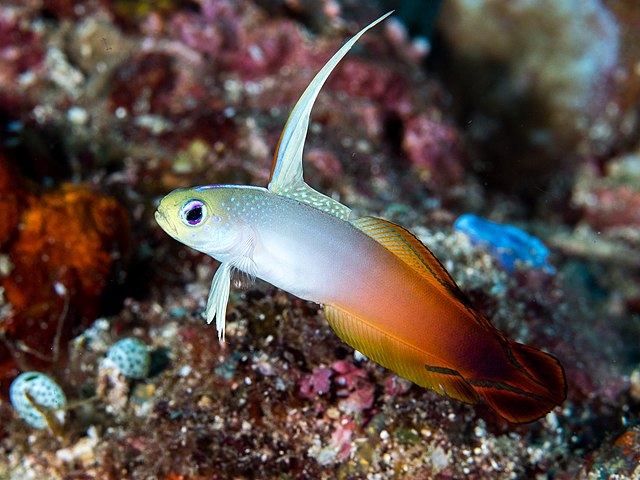
3. Firefish (Fire Goby)
A beautiful goby with gradient coloring from white to yellow to vibrant red. Docile in temperament, rarely attacking other fish. However, they have a habit of jumping out when startled, so be sure to provide a secure lid. Watching them rest on the sand bottom is endearing and never gets boring.
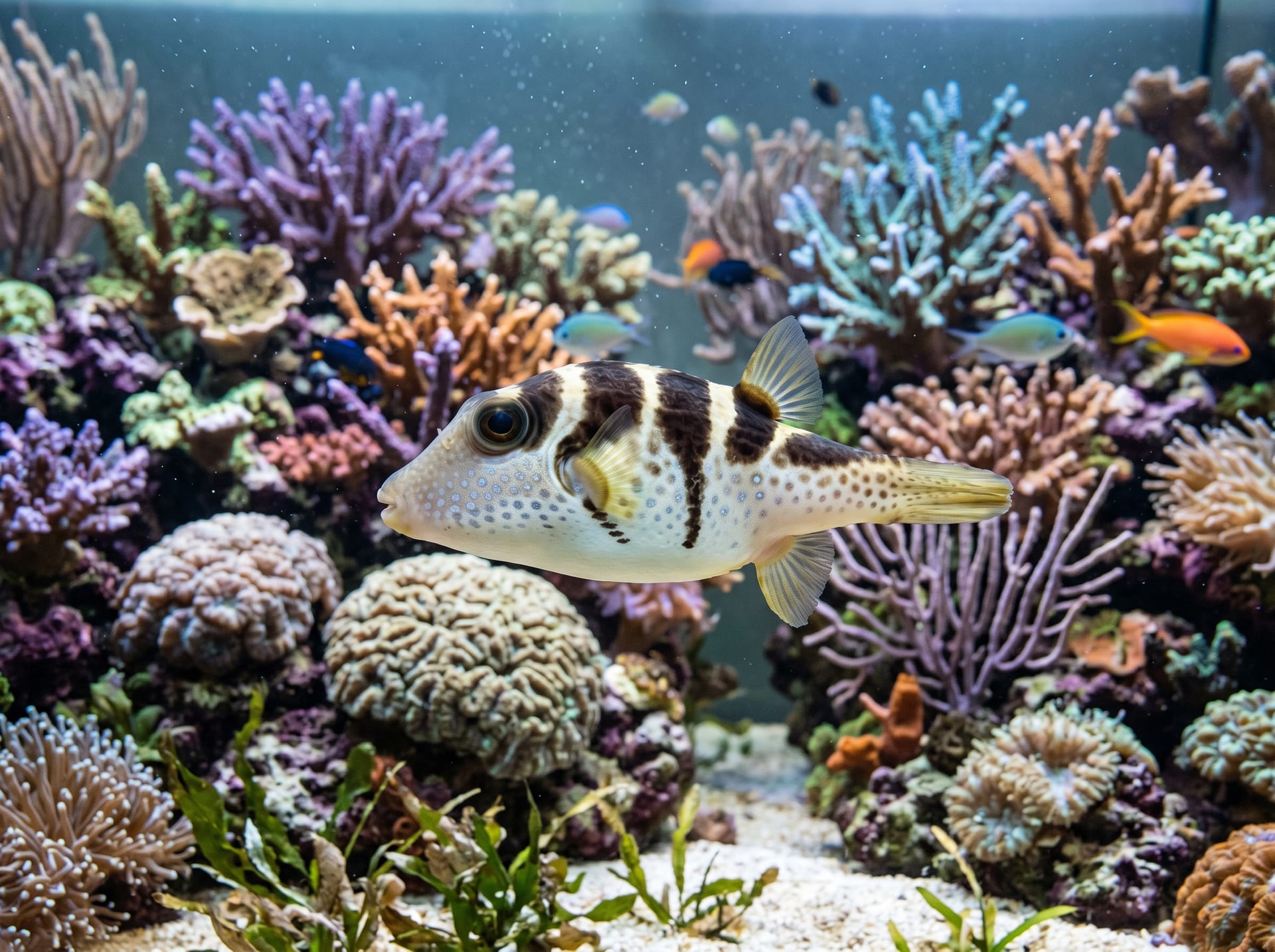
4. Spotted Pufferfish
Popular for their round, plump body shape and the charming way they flutter their fins while swimming. They quickly adapt to artificial feeds and become quite familiar with their keepers. However, like all puffers, they may prey on crustaceans like shrimp and crabs, so be cautious with mixed tanks.
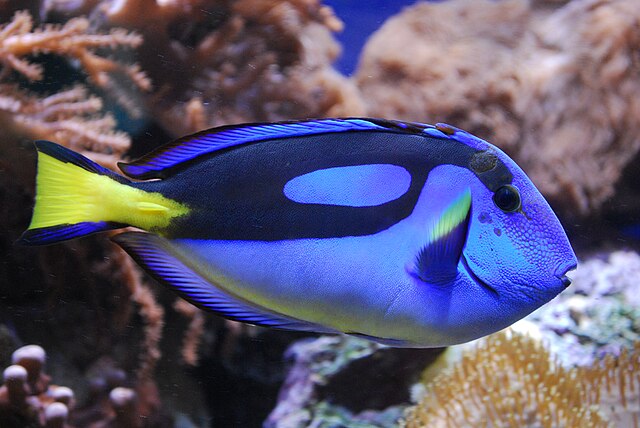
5. Blue Tang (Palette Surgeonfish)
The vibrant three-color pattern of blue, yellow, and black stands out prominently in a saltwater tank. While they tend to be susceptible to ich, requiring careful water quality management, they offer a good balance of hardiness and beauty. Allowing them to swim freely in a 60cm+ tank will showcase their true beauty.
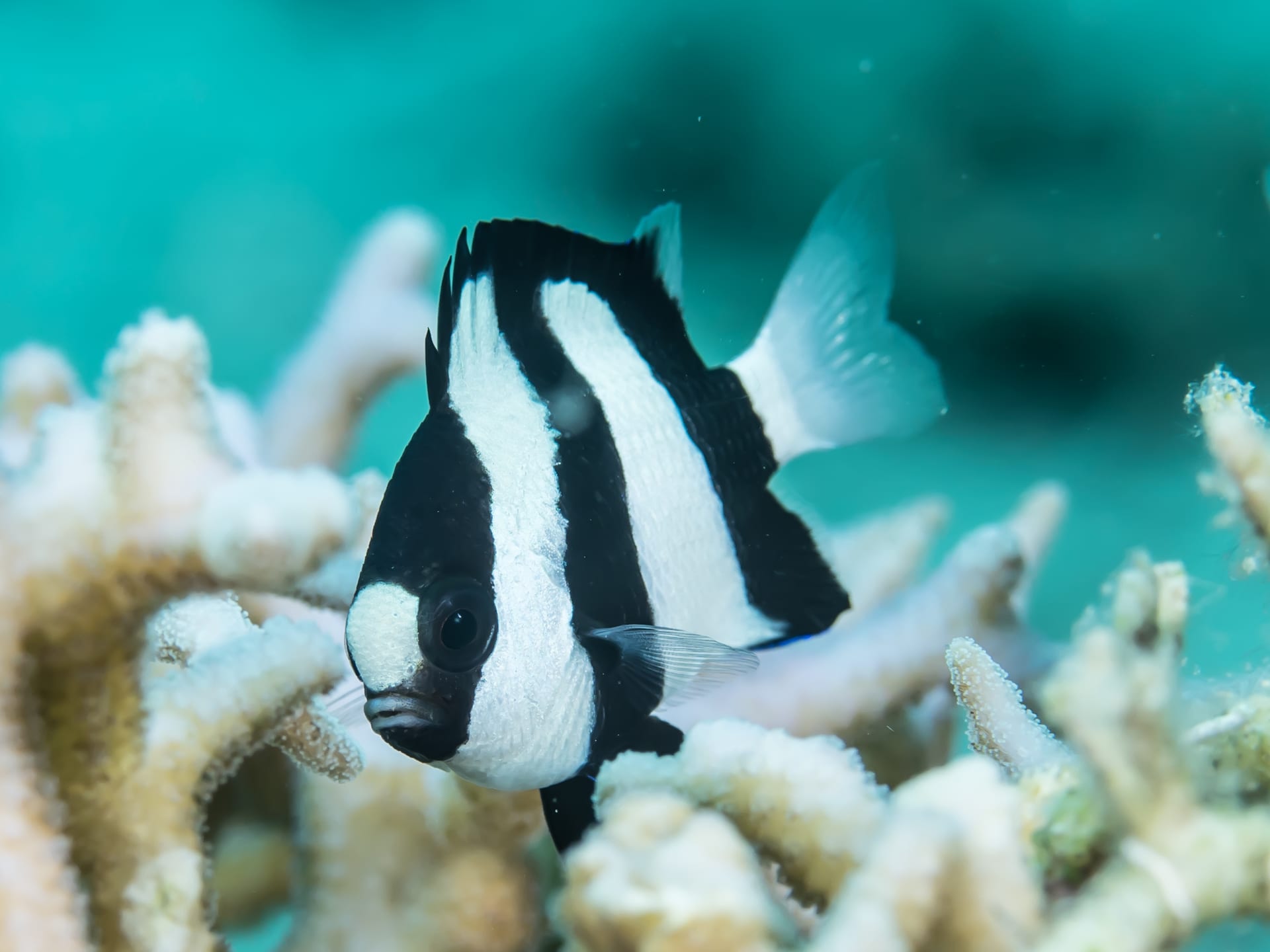
6. Tri-Stripe Damselfish
The sharply contrasting black and white stripe pattern creates excellent presence in the tank. Like Blue Damselfish, they're affordable and hardy, but have a stronger territorial instinct. When keeping mixed tanks, it's best to pair them with docile species of similar size.
7. Black Goby
An elegantly slender goby that swims gracefully through the water. Extremely docile and compatible with most fish. When kept as a pair, you may witness courtship behavior and can attempt breeding. Since they rest on the sand bottom, provide substrate in your tank setup.
8. False Cleaner Wrasse (Golden Wrasse)
A colorful wrasse that actively swims and responds quickly to food, offering the pleasure of feeding. They have a habit of burrowing in sand to sleep, so substrate should be thick. Mixed tank keeping is relatively easy, and they add movement and color to your aquarium as a reliable choice.
9. Yellow Coris Wrasse
A wrasse with a brilliant yellow body color that brightens your entire tank. Extremely docile and compatible with virtually all saltwater fish, with minimal aggressive issues. Active swimmers that quickly adapt to artificial feed, making them a low-maintenance species that beginners can rely on.
10. Small Goby Species (such as Yeastail Blenny)
These gobies and blennies serve as maintenance fish by consuming algae in the tank. Their unique faces and playful movements never get boring to watch. Highly adaptable to artificial feeds, their constant movement along the bottom becomes an accent to the entire tank.
Basic Aquarium Setup
Here's a summary of equipment and setup guidelines necessary for beginners to maintain stable keeping.
- Tank Size: 60cm or larger recommended. Larger water volumes are more stable and easier to manage
- Filter: External canister or overflow (sump) systems are ideal. Choose one with high biological filtration capacity
- Protein Skimmer: Nearly essential equipment for saltwater keeping. Removes organic matter and prevents water quality decline
- Artificial Sea Salt and Hydrometer: Maintain specific gravity (salinity) between 1.020–1.025. Measure regularly with a hydrometer or refractometer
- Live Rock: Facilitates bacterial colonization, aids water purification, and provides hiding places for fish. Have it ready when setting up your tank for peace of mind
- Temperature Control: Use heaters and coolers to maintain stable temperature around 25–26°C. Pay special attention to summer water temperature rises
BreederDirect's Safe and Secure System
BreederDirect is a platform where you can purchase saltwater fish directly from breeders and experienced enthusiasts. Unlike fish sold at retail shops, you can ask sellers specific questions beforehand like "What's the current water temperature?" "What artificial feed are they used to?" and "Do you have mixed tank experience with other fish?" This is our greatest strength.
Many beginner failures in saltwater fish keeping occur from purchasing individuals without knowing their condition or history. On BreederDirect, you can communicate directly with sellers via message, allowing you to thoroughly verify the individual's condition before purchase and start keeping with confidence.
Fish from breeders with years of saltwater experience are often already adapted to artificial feeds or have mixed tank experience, making them an exceptionally reassuring choice for beginners. As you gain experience, you can also use the platform to search for rare species and special color variations. Begin your saltwater fish keeping journey by connecting with a trustworthy seller.