Advanced Saltwater Fish Acclimation Techniques: Drip Method vs. Bucket Method
Explains advanced techniques for successful saltwater fish acclimation. Covers specific procedures for the drip method and bucket method, appropriate methods by fish species, how to match temperature, specific gravity, and pH, and detailed observation points after introduction.
Key Takeaways
Explains advanced techniques for successful saltwater fish acclimation. Covers specific procedures for the drip method and bucket method, appropriate methods by fish species, how to match temperature, specific gravity, and pH, and detailed observation points after introduction.
Why Acclimation Determines Introduction Success
In saltwater fish keeping, acclimation should not be viewed as a "tedious chore" but as a "life-saving medical procedure." Inside the transport bag, ammonia accumulates from fish waste, and pH drops rapidly due to CO2 from respiration. Moving the fish directly into aquarium water from this state exposes them to a triple crisis: osmotic shock, pH shock, and ammonia poisoning.
What's often overlooked is the "change in ammonia toxicity." In transport water with low pH, ammonia exists as ammonium ion (NH4⁺), which is relatively harmless due to its low toxicity. However, the moment pH rises as aquarium water is added, it converts to highly toxic ammonia (NH3), which damages the fish's gills and nervous system. Whether you understand this phenomenon completely changes how you approach acclimation.
Advanced keepers aim not just to "match water parameters" but to "safely transition water quality while minimizing physiological stress on the fish."
Essential Pre-Acclimation: Checking Transport Water Condition
Measuring transport water quality before beginning acclimation greatly improves decision accuracy. Key items to check are the following four:
Temperature: If the difference from aquarium water is 2°C or more, prioritize temperature acclimation
pH: If the difference from aquarium water is 0.3 or more, choose the time-intensive drip method
Specific gravity (salinity): If the difference is large, increase the number of gradual dilution cycles
Ammonia concentration: If levels are high, discard most of the transport water and start with fresh aquarium water
If transport time exceeds 6 hours, the transport water itself may have become a collection of harmful substances. In this case, it's effective to discard most of the transport water, move the fish to a bucket with a small amount of transport water, and then begin acclimation with aquarium water.
Keeping ammonia, pH, and specific gravity measurement kits on hand allows you to confidently handle any fish species.
✍️
BreederDirect Editorial
The BreederDirect editorial team specializes in care information for animals, covering veterinary care and breeding to deliver beginner-friendly guides.
Find Marine Fish on BreederDirect
Buy directly from verified breeders
Browse Related Listings
Find Marine Fish listings related to this article on BreederDirect. Buy directly from verified breeders.
Drip Method: Gentle Approach Ideal for Delicate Fish Species
The drip method involves continuously adding aquarium water in small amounts through an air tube. Because water parameter changes are extremely gradual, it's ideal for fish species sensitive to environmental changes.
Basic Procedure
Move the fish with its transport water into a clean bucket
Tie a knot in the air tube or attach a flow control valve
Drip aquarium water at approximately 2–3 drops per second
When the bucket water volume has doubled or tripled, discard half and resume dripping
Repeat the "add and discard" cycle 2–3 times (60–90 minutes total)
Species-Specific Adjustment Points
For especially delicate species like butterflyfish and angelfish, reduce the flow to approximately 1 drop per second and take 90 minutes or more for thorough acclimation. If there's a large temperature difference, place a submersible heater beside the bucket and drip while managing temperature.
Be sure to provide aeration during acclimation to prevent weakening from oxygen depletion. Additionally, covering the bucket with a lid or dark cloth to block light can significantly reduce stress on the fish.
Bucket Method (Gradual Dilution): Efficient Choice for Hardy Fish Species
The bucket method involves adding a fixed amount of aquarium water at regular intervals. It's easier to set up than the drip method and takes less time.
Basic Procedure
Move the fish with its transport water into a clean bucket
Add one cup (approximately 100–150ml) of aquarium water every 15 minutes
Repeat this 4–5 times, and when water volume is sufficiently increased, acclimation is complete (approximately 60 minutes)
Suitable Fish Species
It's suitable for relatively hardy fish species such as clownfish, damsels, and gobies. However, being hardy doesn't mean carefulness can be neglected—basic care is still necessary. It becomes an efficient option when water parameter differences between transport and aquarium water are small, or when acclimating multiple fish simultaneously.
Species-Specific and Condition-Specific Acclimation Techniques
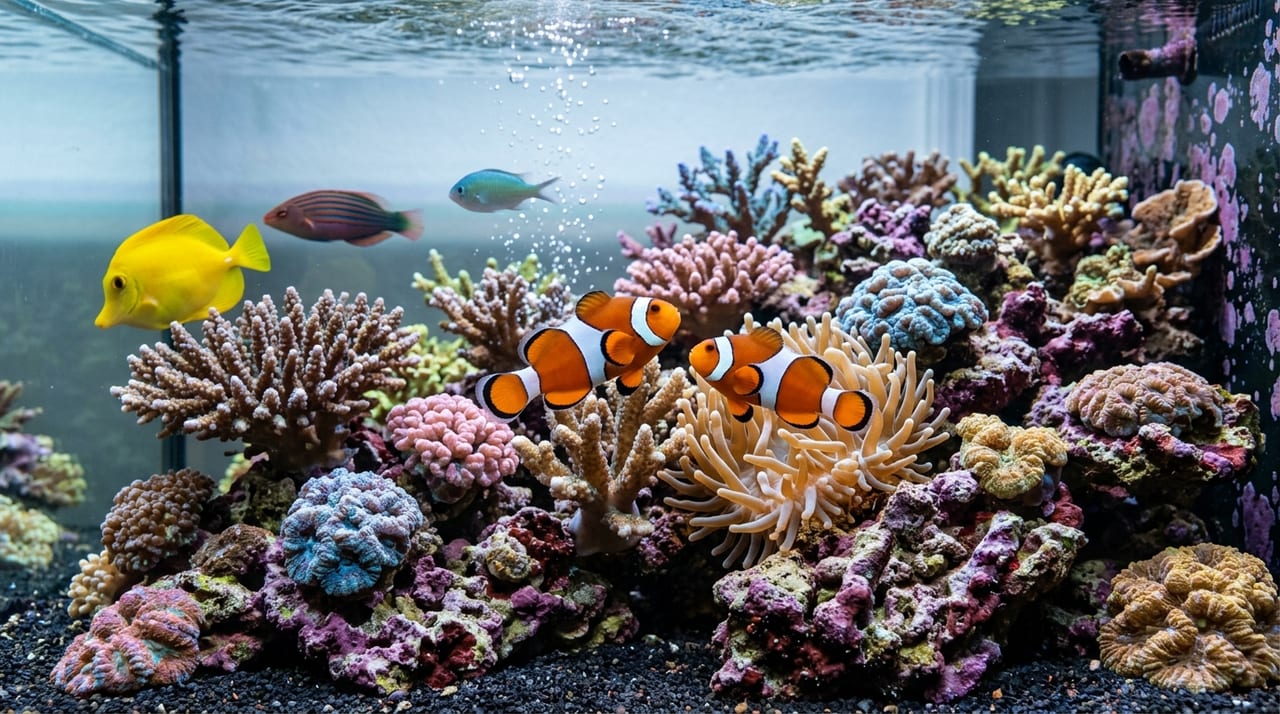
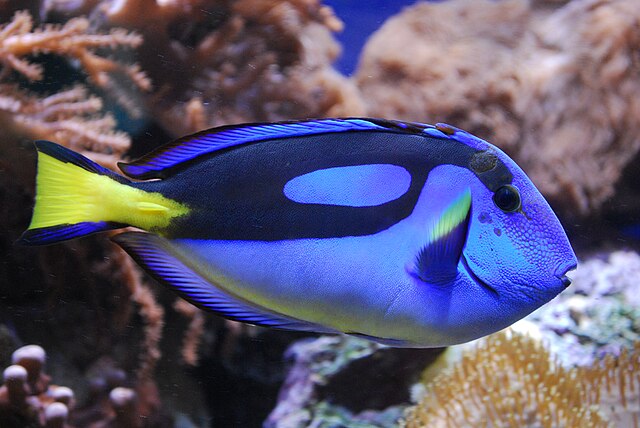
Tangs (Yellow Tang, Rainbow Tanga, etc.)
Because they're prone to white spot disease, minimizing stress is top priority. During acclimation, keep them in a dark, quiet area and avoid handling as much as possible. Observing them in a darkened quarantine tank for a while after acclimation reduces the risk of introducing white spot disease to the main tank.
In addition to sensitivity to water parameter changes, their strong territorial nature can cause conflicts with existing fish. Introduce them at night with the lights off, when existing fish activity is calm. The "fencing method," which uses a quarantine container to visually acclimate them, is also effective.
Gobies and Benthic Fish
These fish species are easily injured on tail and pelvic fins when netted. After acclimation, avoid using a net; instead, scoop them with a container or cup with water and gently place them into the tank.
Fish After Extended Transport
Fish that take 24 hours or more to arrive are severely exhausted and have weakened immunity. Use the drip method taking twice the normal time, and after introduction, allow a fasting period to prioritize recovery.
For advanced keepers, measure water parameters (specific gravity, pH, temperature) of both the destination and source water beforehand, and if differences are significant, use a time-intensive drip method. If specific gravity difference is 0.003 or more or pH difference is 0.3 or more, perform acclimation for at least 3 hours.
During acclimation, it's important to match both temperature and water parameters. First, float the bag in the tank for 30 minutes to 1 hour to match temperature, then use the drip method with an air tube and valve to add tank water at a rate of 2–3 drops per second. When the bag's water volume has doubled, discard half and repeat the cycle of filling back up 2–3 times. By taking 1–2 hours for this process, you can minimize stress from sudden water parameter changes. Maintain a dark, quiet environment during acclimation.
BreederDirect's Safety and Security System
No matter how carefully you acclimate, if the fish's initial health condition is poor, introduction success rates drop. BreederDirect ensures that breeders allow sufficient acclimation and feeding time before shipping, selling only fish in optimal condition.
A major advantage is the ability to message breeders directly before purchase to confirm details such as "oxygen adjustment for transport time," "fasting period," and "final health condition." You can obtain detailed information unavailable from pet shops, allowing you to plan acclimation based on the predicted condition of the fish upon arrival.
You can also discuss packaging methods, allowing advance coordination with breeders on seasonal shipping measures such as cool packs in summer or heat packs in winter. Taking in a healthy fish in appropriate condition with careful acclimation—only when all these elements align does saltwater fish keeping truly achieve "success."