Saltwater Fish Feeding Strategy | Nutritional Balance and Conditioning Techniques
Explains the types of saltwater fish feed and nutritional balance. Introduces methods for conditioning fish to artificial feed, how to use frozen feed effectively, and feeding plans by dietary type.
Key Takeaways
Explains the types of saltwater fish feed and nutritional balance. Introduces methods for conditioning fish to artificial feed, how to use frozen feed effectively, and feeding plans by dietary type.
Related Species
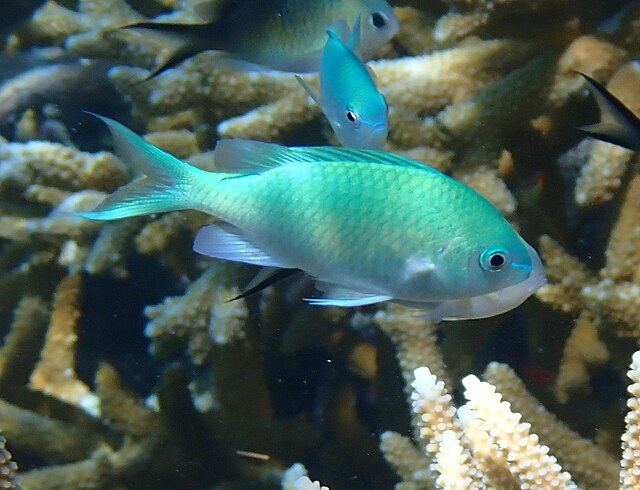
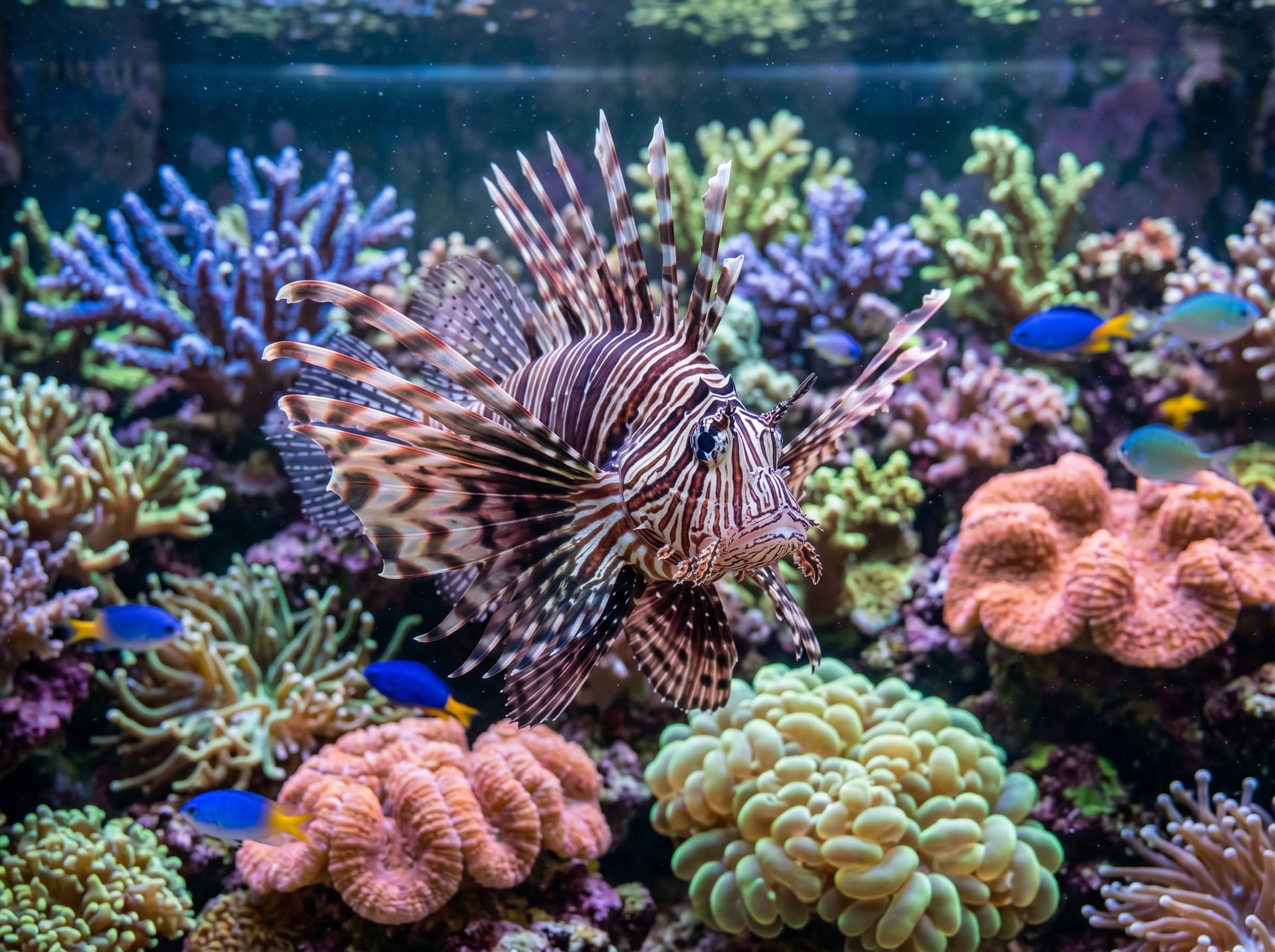
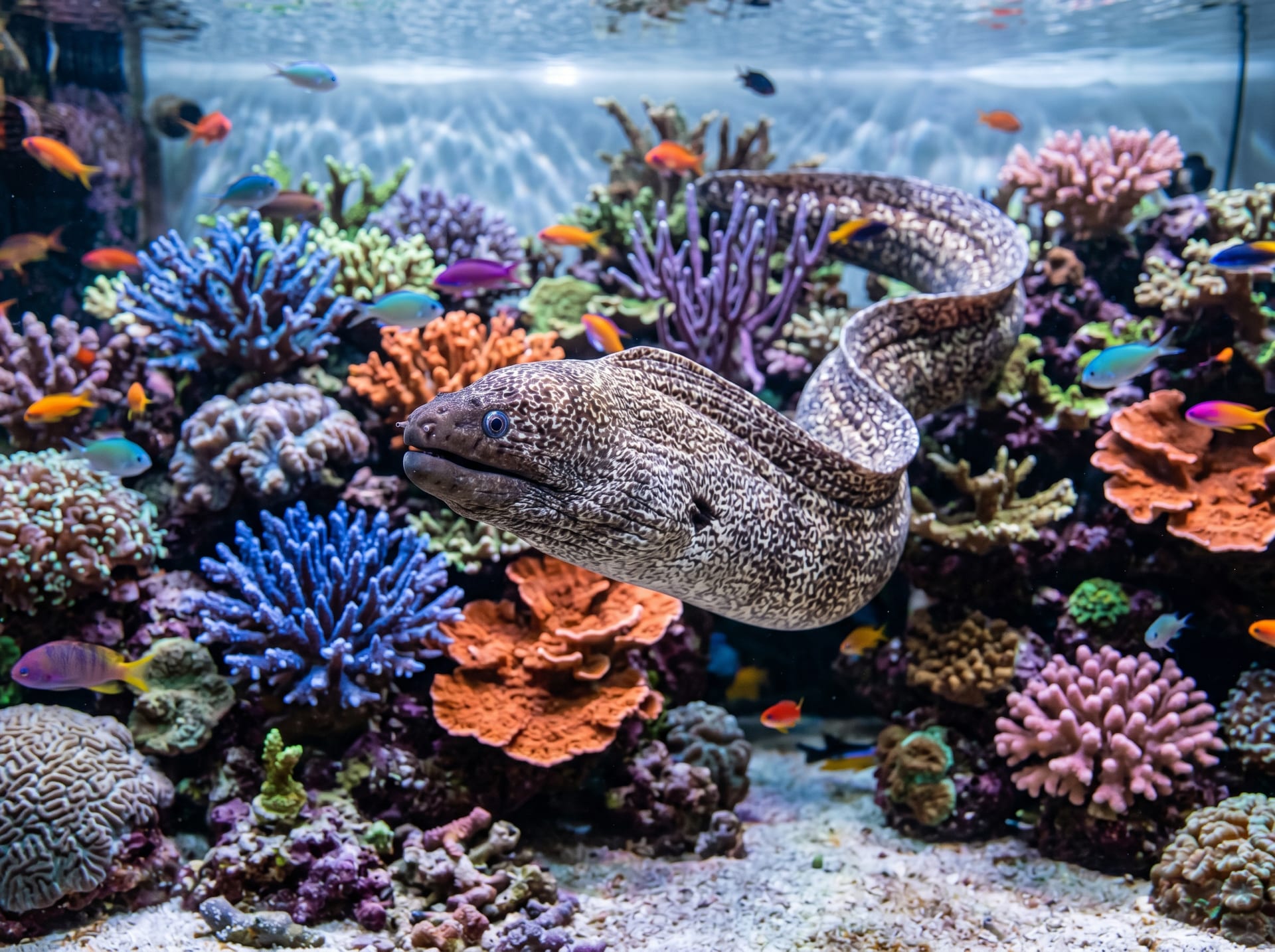
In saltwater fish keeping, feeding is far more than simply "filling the belly." Proper nutritional balance and feeding techniques significantly influence fish health, coloration, and lifespan. Saltwater fish have a wider range of dietary preferences compared to freshwater species, and nutritional requirements vary by species. Establishing a feeding strategy tailored to your fish is key to long-term success. This article provides systematic guidance from dietary classification fundamentals through practical conditioning steps and nutritional considerations—valuable information for beginners through intermediate keepers alike.
Understanding Fish Dietary Preferences Is the Starting Point for Feeding
The first principle in saltwater fish feeding is understanding the "dietary preference" of the species you're keeping. Continuously feeding without understanding dietary requirements can lead to malnutrition, digestive issues, and water quality degradation.
Herbivorous Fish (Surgeonfish, Blennies, etc.)
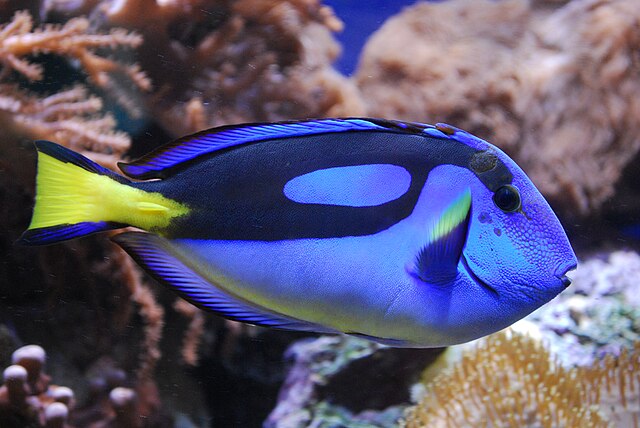
Surgeonfish such as Yellow Tang and Yellow-Faced Angelfish, along with algae-eating blennies, primarily consume plant-based feed. Main feed options include:
- Dried seaweed (additive-free, salt-free)
- Plant-based artificial feed rich in spirulina
- Frozen or dried marine algae foods
Herbivorous fish ideally receive multiple small portions throughout the day. Prolonged hunger can lead to excessive algae consumption from coral and tank walls, so feed frequently in amounts without leaving leftovers.
Omnivorous Fish (Clownfish, Damsels, etc.)
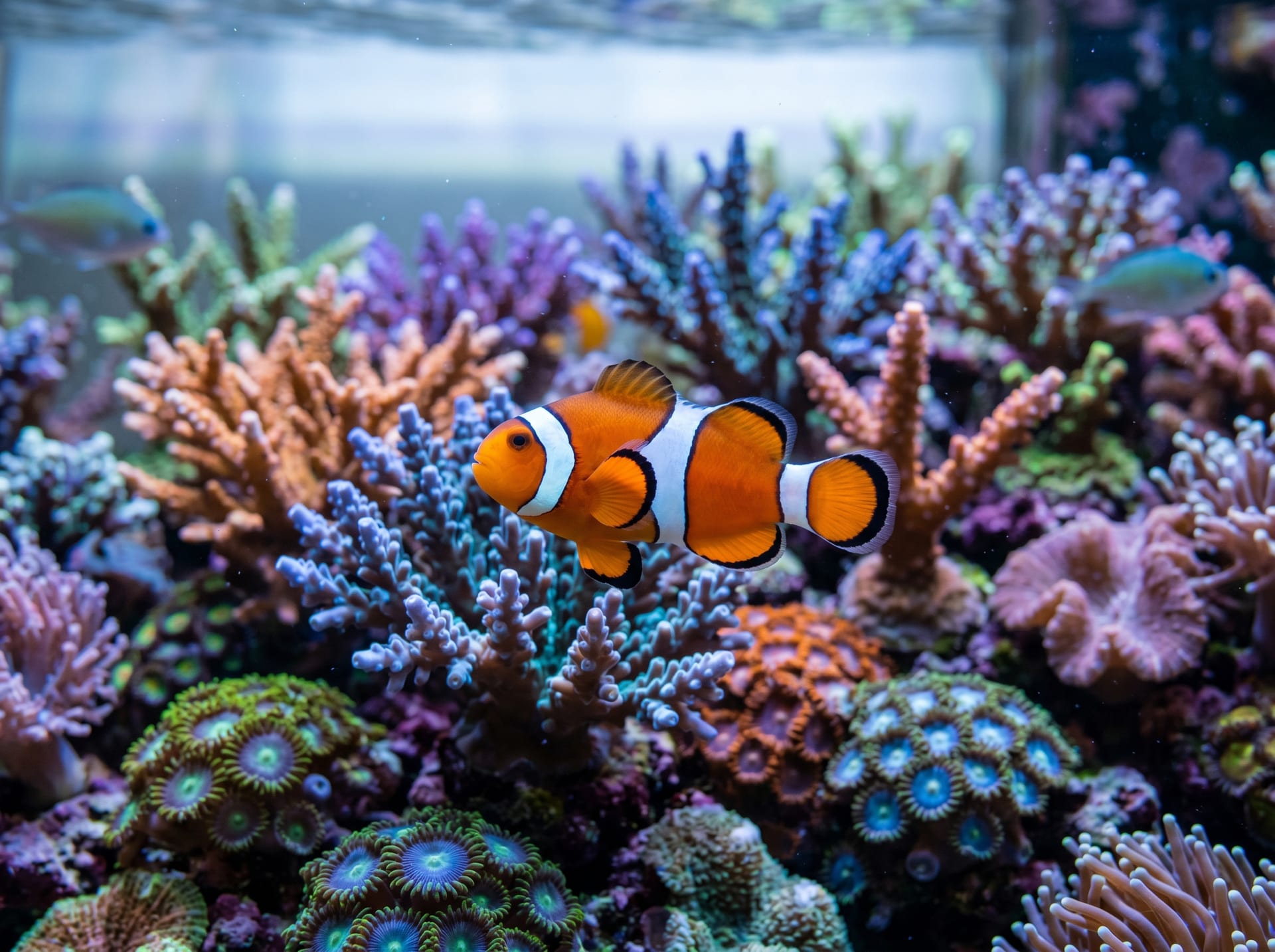
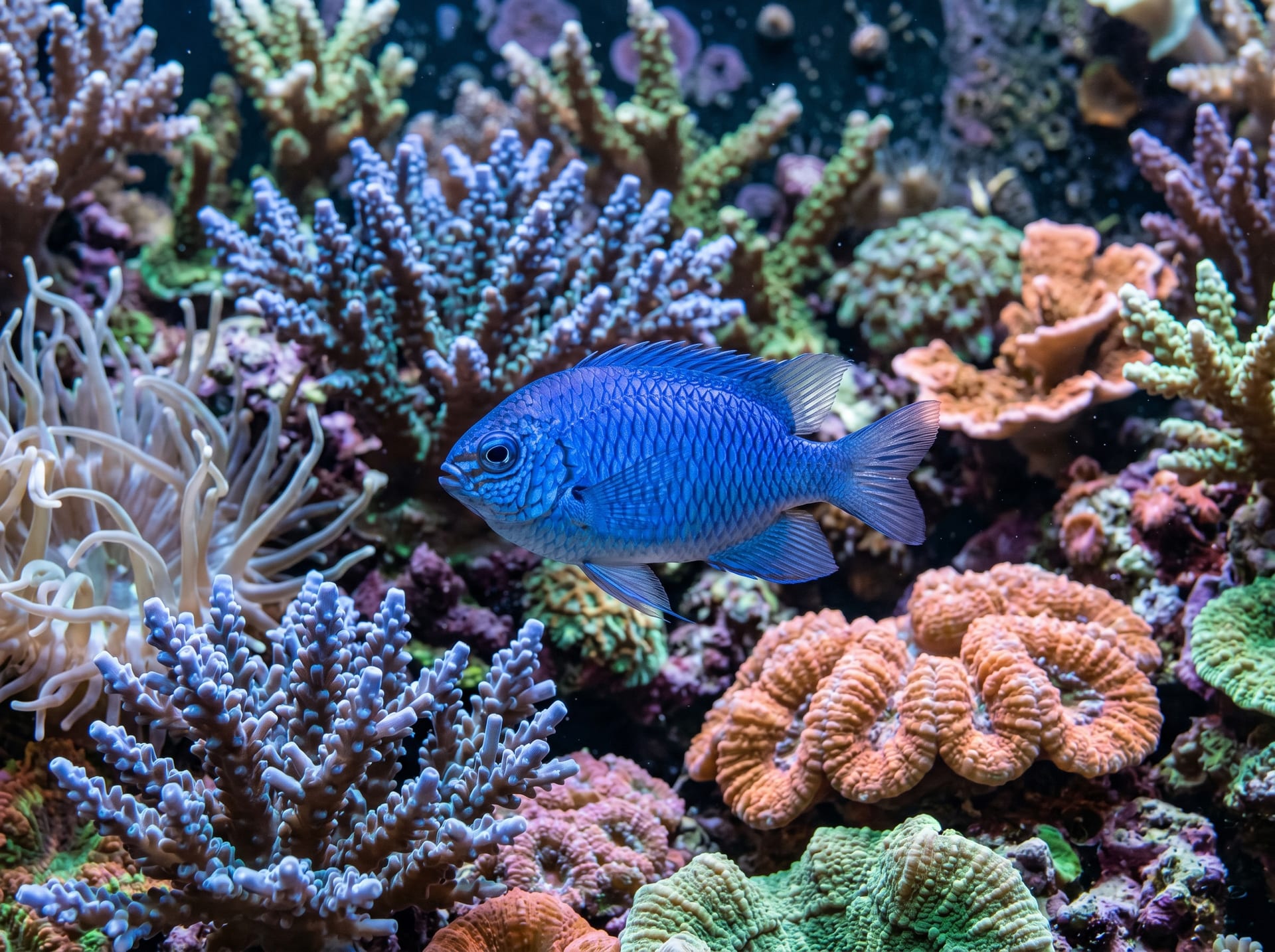
Omnivorous species like Ocellaris Clownfish and Three-Striped Damselfish require a balanced mix of both animal and plant-based nutrition. Using versatile saltwater fish artificial feed as a base and adding frozen brine shrimp or frozen copepods several times weekly maintains nutritional balance. While these species are generally easier to keep, nutritional imbalance can lead to weakened immunity and color fading, making nutritional diversity important.
Carnivorous Fish (Groupers, Scorpionfish, Moray Eels, etc.)
Carnivorous species such as Squaretail Grouper, Lionfish, and Moray Eels require primarily animal protein. Main feed options include frozen small fish (anchovies, horse mackerel), krill (dried shrimp), and live feed (small fish, shrimp). Since digestion takes considerable time, daily feeding is unnecessary—feeding every 2-3 days is appropriate. Overfeeding causes rapid water quality deterioration, so caution is warranted.
Step-by-Step Conditioning Techniques
Wild-caught individuals or those unfamiliar with artificial feed may refuse it if offered immediately. Following these steps allows most individuals to transition to artificial feed.
Step 1: Prioritize Environmental Acclimation Immediately After Introduction
Newly transferred saltwater fish experience significant stress. For 2-3 days after introduction, withhold feed and provide ample hiding places while observing quietly. When the fish begin swimming throughout the tank during this period, environmental adaptation is progressing well.
Step 2: Confirm Appetite with Naturally Occurring Feed
Begin by offering small amounts of live brine shrimp, frozen copepods, frozen daphnia, or similar feed the fish would consume in the wild, and observe their response. When feeding interest is confirmed, you're ready to proceed to the next step.
Step 3: Gradually Mix in Artificial Feed
Mixing small amounts of artificial feed with frozen feed is effective. Start with a ratio of "9 parts frozen feed to 1 part artificial feed," and gradually increase the artificial feed proportion over 1-2 weeks. Ideally, the fish will eventually feed primarily on artificial feed.
Step 4: Establish a Feeding Routine
By feeding at the same time daily, fish learn "food is available at this time." When fish approach you as you stand before the tank, conditioning has entered a stable phase. Hand-feeding with tweezers deepens trust with your fish and allows close observation of individual health status.
Essential Nutrients for Saltwater Fish and Signs of Deficiency
Nutritional quality is equally important as feeding volume and frequency. Even frequent feeding cannot compensate for nutritional imbalance, which gradually causes health deterioration.
| Nutrient | Primary Role | Signs of Deficiency |
|---|---|---|
| Protein | Growth and maintenance of muscle and body tissue | Thinness, poor growth |
| Lipids | Energy source, cellular membrane composition | Color fading, reduced activity |
| Vitamin C & E | Immune maintenance, antioxidant action | Increased disease susceptibility |
| Vitamin D | Calcium absorption support | Skeletal abnormalities |
| HUFA (Highly Unsaturated Fatty Acids) | Stress resistance, reproductive capacity | Reproductive problems, reduced stress tolerance |
Quality commercial saltwater fish artificial feeds contain these nutrients in proper balance, but long-stored oxidized feed or inexpensive generic products may have reduced nutritional value. After opening, store feed in the refrigerator and use within six months. Adding frozen or live feed several times monthly prevents nutritional imbalance while supporting immunity and stress resistance.
Feeding Frequency and Quantity Guidelines
"How many times daily and how much to feed?" is one of the most common questions from beginners. Basic guidelines are as follows:
- Typical tropical saltwater fish (clownfish, damsels, etc.): Once to twice daily, in amounts consumed within 3-5 minutes
- Herbivorous fish (surgeonfish): 2-3 times daily, small portions (supplemented by algae grazing)
- Carnivorous fish (groupers, scorpionfish): Once every 2-3 days, in amounts consumed completely
- Juveniles and young fish: More frequent smaller portions than adults (2-3 times daily)
Uneaten food is the primary cause of water quality degradation. Feed in amounts consumable within 5 minutes, and promptly remove excess with a siphon.
BreederDirect's Safety and Security System
At BreederDirect, most saltwater fish sellers are experienced breeders. Drawing from years of keeping experience, they implement proper feeding management, and most listed individuals are already conditioned to artificial feed.
A distinct advantage of BreederDirect is the ability to ask breeders before purchase: "What feed are you currently using?" and "How often are you feeding?" Knowing an individual's feeding history significantly reduces post-introduction feeding problems. For beginners uncertain about conditioning, selecting pre-conditioned individuals is recommended.
Starting with healthy individuals from trusted breeders and continuing appropriate feeding care opens the door to a rich life with saltwater fish. Find your perfect match for your tank through BreederDirect.