Dottyback Aggression Management Guide | Mixed-Tank Techniques for Dottybacks
Explains methods for managing aggressive dottybacks in mixed-tank environments. Covers species selection, introduction order, and aquascaping strategies.
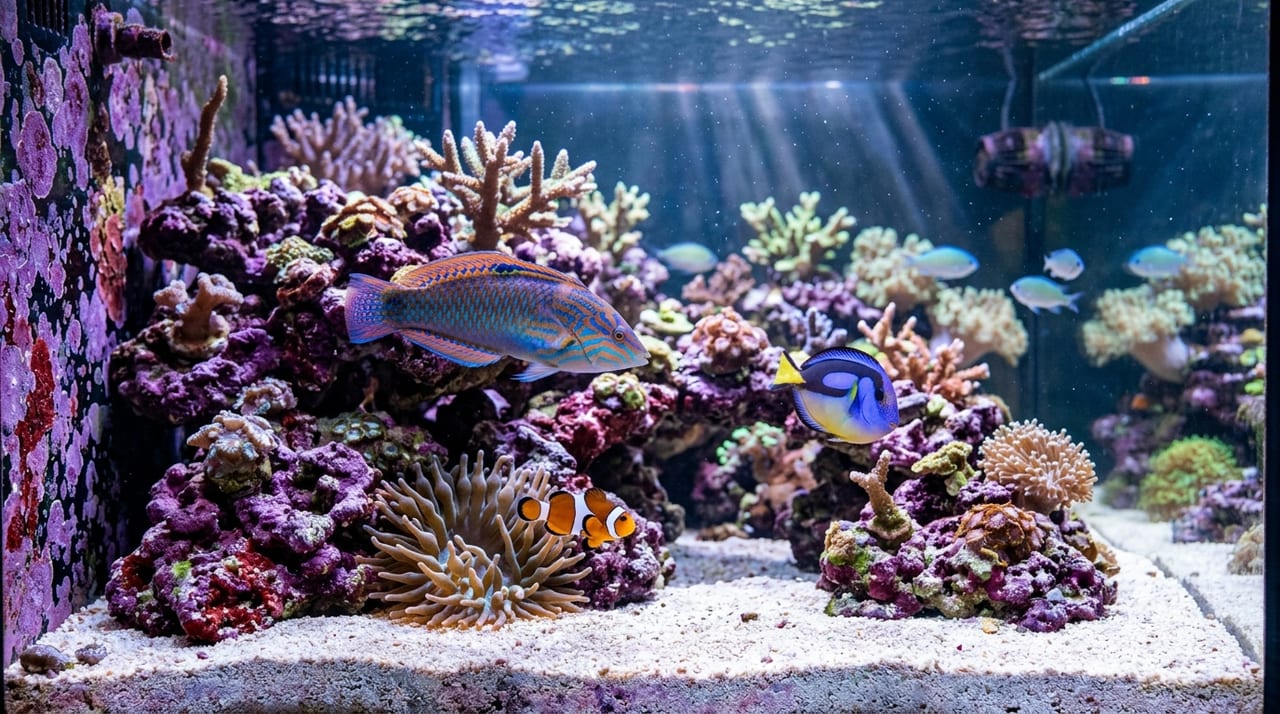
Key Takeaways
Explains methods for managing aggressive dottybacks in mixed-tank environments. Covers species selection, introduction order, and aquascaping strategies.
Related Species
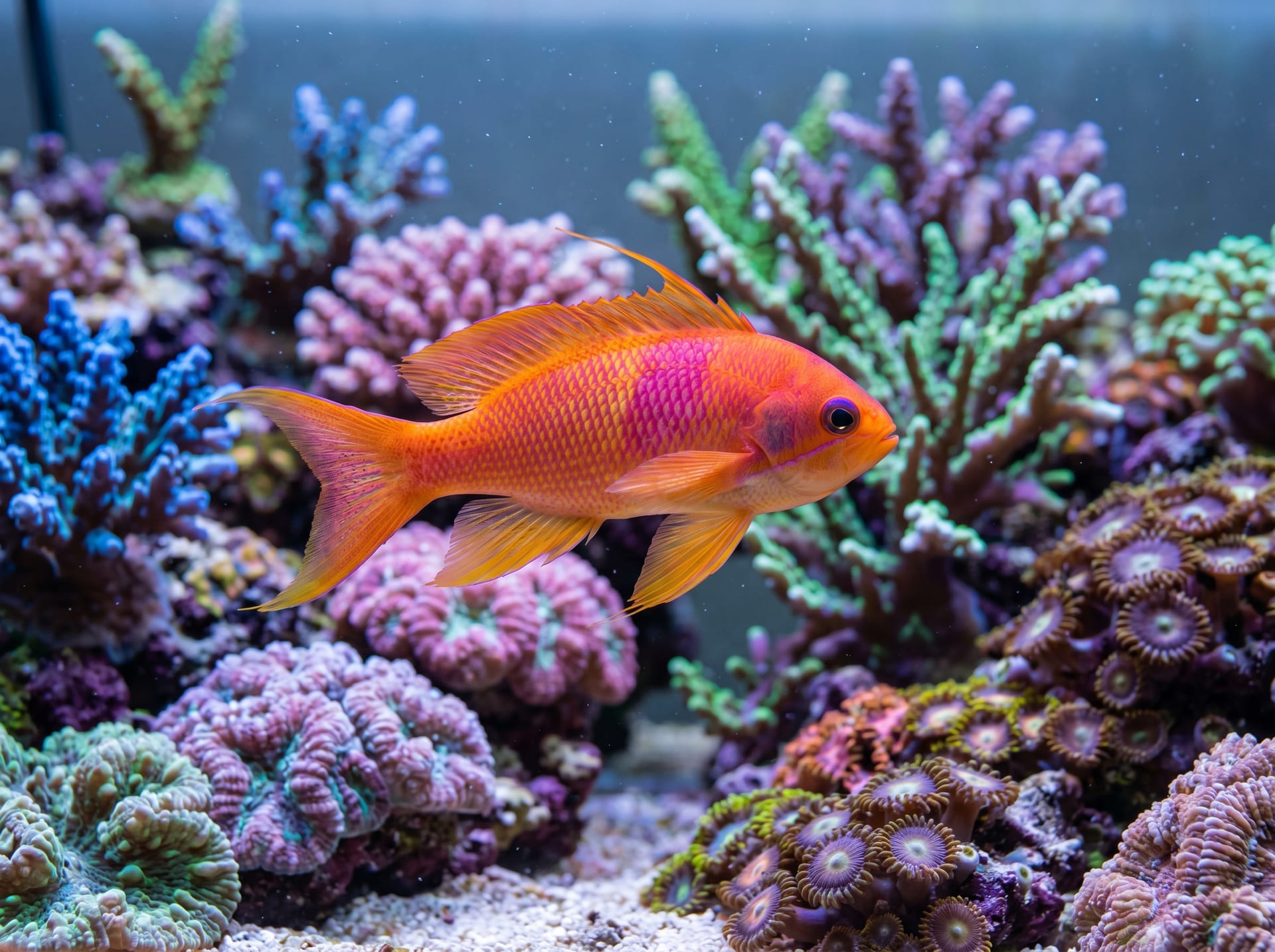
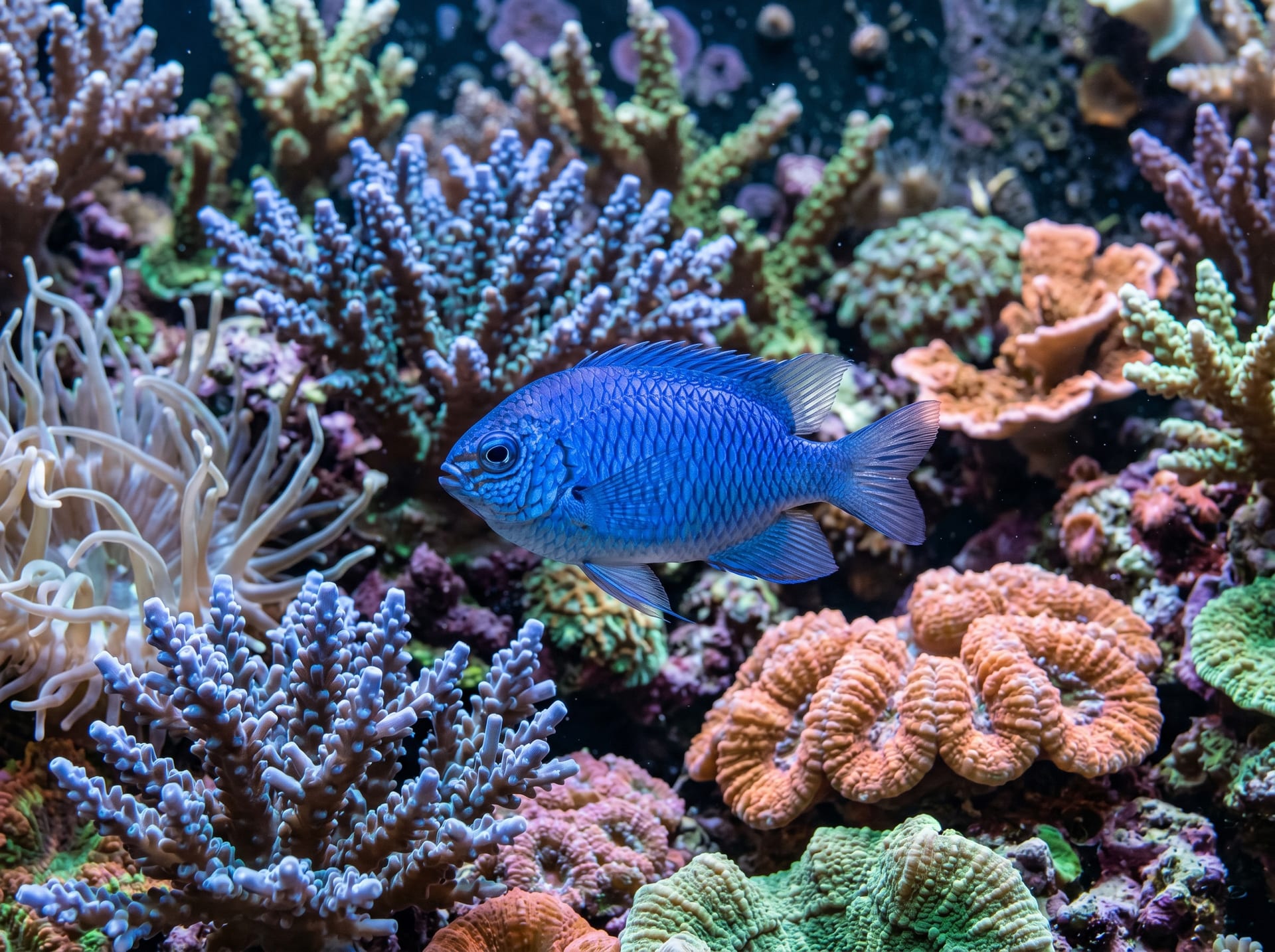
Dottybacks (genus Pictichromis) are among the most popular small fish for saltwater aquariums. While their vibrant colors and charming behavior are appealing, they are known as "difficult fish for mixed-tank environments" due to their aggressive temperament. This article systematically explains the causes of dottyback aggression toward other fish, as well as tank design, species selection, and aquascaping techniques to ensure successful mixed-tank setups. If building an SPS-focused reef tank, also reviewing [[/column/coral-ulns-system]] from a nutrient management perspective will provide additional factors to consider when selecting livestock.
Why Do Dottybacks Display Aggression?
Ecological Background
The dottyback genus inhabits rocky reef areas of coral reefs and consists of small carnivorous fish. They live in narrow territories and have a strong habit of rejecting intruders. This ecological trait of defending territory within a narrow range readily manifests as aggression even in captive environments.
Significant Individual Variation
Dottybacks display marked individual personality differences.
- Mild-mannered individuals: Remain relatively calm even in mixed tanks, with minimal aggression toward other fish
- Aggressive individuals: Relentlessly pursue other fish immediately after introduction, potentially causing injury in severe cases
Basic Strategies for Successful Mixed-Tank Setups
Strategy 1: Optimizing Tank Size
Dottyback aggression depends on territory size.
- Minimum size: In 60cm tanks (60L), aggression tends to increase
- Recommended size: In 90cm tanks (150L or larger), the territory expands, reducing contact with other fish
Larger tanks tend to reduce dottyback aggression. Larger tanks maintain more stable water quality, which relates to advanced water management systems like [[/column/coral-ulns-system]] that minimize nutrient levels.
Strategy 2: Careful Fish Selection
Some fish are compatible with dottybacks, while others are not.
Compatible fish:
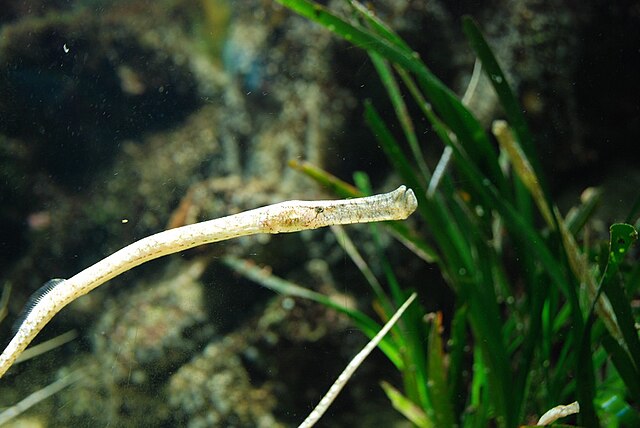
- Pipefish (their elongated body shape makes them less visible to dottybacks)
- Sergeant Major fish (their quick movements make them difficult to prey upon)
- Anthias species (they swim quickly in mid-water and avoid invading the dottyback's territory)
Incompatible fish:
- Gobies (they inhabit the same bottom layer as dottybacks, easily leading to territorial conflicts)
- Small wrasse species (their slow movement makes them easy targets for attack)
Reducing Aggression Through Aquascaping
Point 1: Create Plenty of Hiding Spots
Providing a secure "home base" for the dottyback creates a sense of security, which can reduce aggression.
- Arrange live rock in an L-shape or dome formation
- Create spaces where the dottyback can hide and where other fish can escape
- Multiple escape routes reduce stress for fish being chased
- PVC pipe or shelters
- Place several PVC pipes with approximately 8mm diameter
- Serve as hiding places for fish
Point 2: Block Line of Sight
- Arrange obstacles that block line of sight, such as live rock and Kotobuki-brand shelters
- Make it harder for the dottyback to "see" other fish, preventing relentless pursuit
Introduction Timing and Order
Optimal Introduction Order
- Introduce other fish first (1-2 weeks before)
- By establishing territory among other fish before adding the dottyback, the dottyback is less likely to view itself as an intruder
- Rearrange live rock when introducing the dottyback
- Making the environment appear "new" to all fish reduces the dottyback's relentless pursuit of existing inhabitants
Feeding and Behavior Control
Aggression When Hungry
Hungry dottybacks display increased aggression toward other fish.
- Feed twice daily in small amounts (morning and evening) to maintain contentment
- Aggression temporarily decreases after feeding, so observing during this period can reveal the fish's true personality
Troubleshooting
Scenario 1: Dottyback is bullying a newly introduced fish
Initial stage (within 3 days of introduction):
- Territory defense is natural behavior. Observe and wait
- However, if the victim fish hides constantly or stops eating, intervention is needed
If it persists:
- Insert a divider in the tank for 2 weeks of separation
- Then remove the divider and observe (aggression may have subsided by this point)
Scenario 2: Conflicts between multiple dottybacks
Keeping multiple dottybacks together is virtually impossible. Never house them in the same tank with a divider.
Aggression Differences by Species
Overview of temperament for three major dottyback species:
| Species | Aggression | Difficulty | Notes |
|---|---|---|---|
| Flame Dottyback | ★★★ (High) | High | Striking red color, but most individuals have aggressive temperaments |
| Royal Dottyback | ★★ (Medium) | Medium | Most individuals are relatively mild-mannered |
| Kenya Dottyback | ★ (Low) | Low | Lowest aggression level, suitable for beginners |
Frequently Asked Questions
Q: What is the safest fish to keep with dottybacks? A: Pipefish and anthias species. Their elongated body shapes make them less likely to become prey for dottybacks.
Q: My dottyback hides at night. Is it sick? A: Dottybacks are nocturnal and hiding during the day is normal behavior. However, if they don't emerge during the day at all, stress or illness is likely.
Summary
Dottybacks are beautiful and fascinating fish, but their aggression varies significantly based on their environment. Successful mixed-tank setups are achievable by combining appropriate tank size, careful species selection, and thoughtful aquascaping. The key to successful dottyback keeping is viewing aggression not as an "uncontrollable problem" but as a "characteristic that can be mitigated through proper planning."
Article date: July 2026