Goliath Beetle Care Guide | How to Keep the World's Heaviest Beetle in Japan | ブリちょく
Insects| ✍️ BreederDirect Editorial
Goliath Beetle Care Guide | How to Keep the World's Heaviest Beetle in Japan
A comprehensive guide to keeping the world's heaviest beetle, the Goliath Beetle (Goliathus goliatus), in Japan. Detailed information on high-protein dog food substrate for larvae, adult feeding methods, temperature management, acquisition methods, and legal considerations.
Key Takeaways
A comprehensive guide to keeping the world's heaviest beetle, the Goliath Beetle (Goliathus goliatus), in Japan. Detailed information on high-protein dog food substrate for larvae, adult feeding methods, temperature management, acquisition methods, and legal considerations.
About the Goliath Beetle
The Goliath Beetle (Goliathus goliatus) is a beetle of the Cetoniinae subfamily native to the tropical rainforests of West and Central Africa. Adult males reach 80–110 mm in length, with larvae sometimes exceeding 100 g in weight, earning it the title of "world's heaviest beetle" in entomology circles.
✍️
BreederDirect Editorial
The BreederDirect editorial team specializes in care information for animals, covering veterinary care and breeding to deliver beginner-friendly guides.
Find Insects on BreederDirect
Buy directly from verified breeders
Browse Related Listings
Find Insects listings related to this article on BreederDirect. Buy directly from verified breeders.
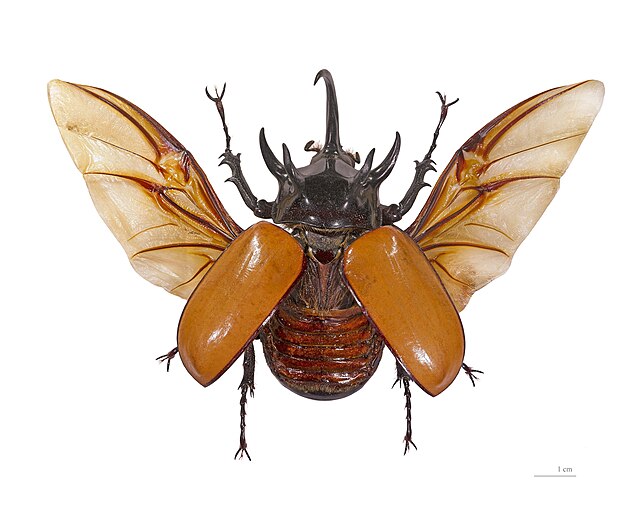
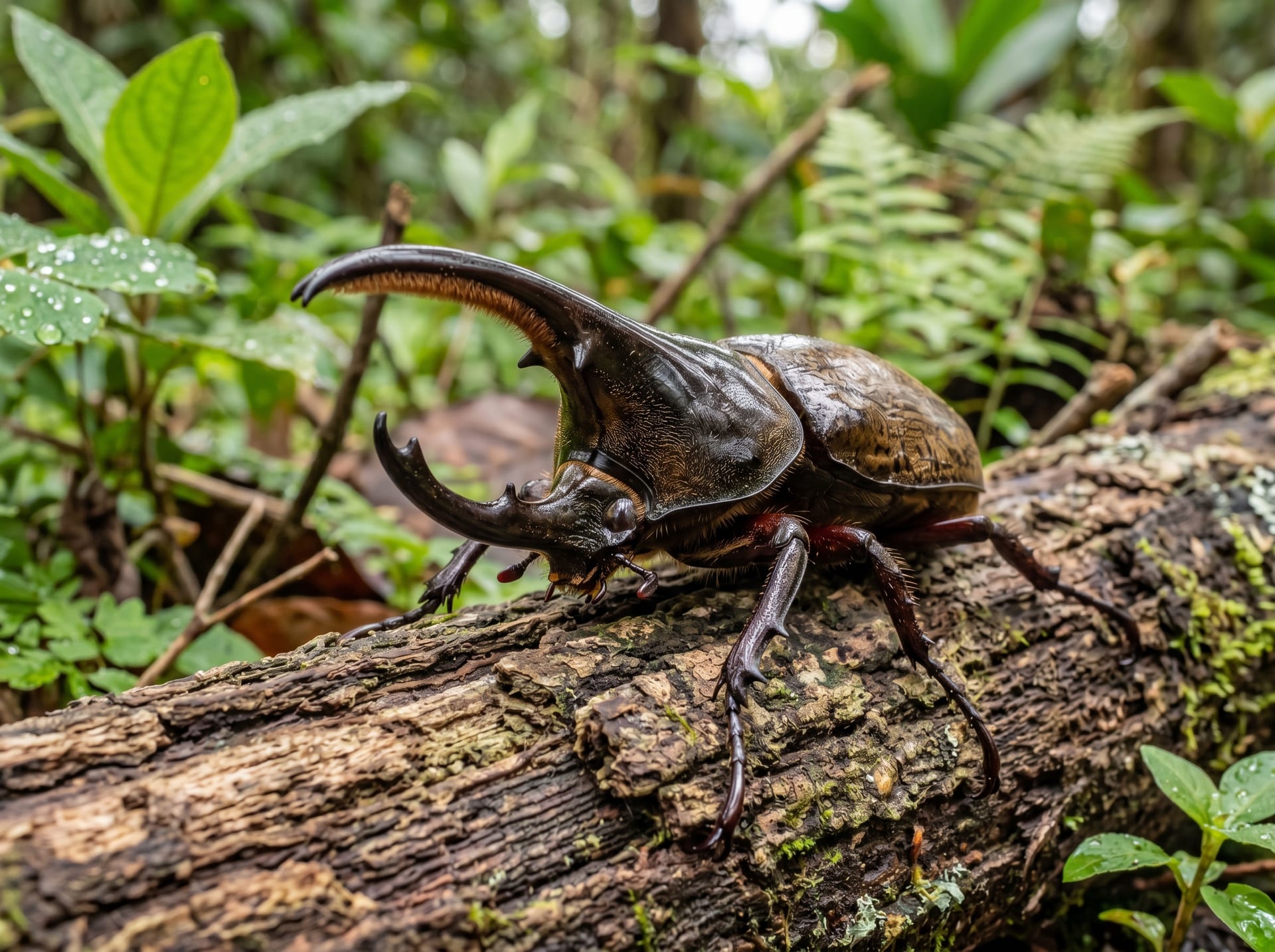
Males feature striking black-and-white vertical stripe patterns on the thorax, with a distinctive Y-shaped forked horn on the head. Females lack horns and have a more subdued appearance, though they can grow equally large or larger. Their overwhelming presence makes them highly popular alongside Hercules beetles and Five-horned beetles as "a species every keeper wants to raise at least once."
In Japan, acquisition from domestic breeders has become increasingly common, and husbandry information has accumulated. However, since larval diet fundamentally differs from other beetles, it is an advanced species prone to failure without proper knowledge.
The most critical aspect of Goliath Beetle husbandry is larval management. While rhinoceros and stag beetle larvae feed primarily on decayed leaves and fermented substrate, Goliath larvae require animal protein as their main nutritional source. Raising them on fermented substrate alone leads to growth failure and death in most cases.
Preparing Larval Substrate
Grind dried dog food (26–32% crude protein, low-salt) finely and mix it at 10–15% by weight with fermented insect substrate (or unfermented, wood-chip-based substrate). Adjust moisture to form a clump when squeezed firmly (approximately 60–65% moisture content) and fill containers at least 15 cm deep. Keep larvae individually—housing multiple larvae together causes cannibalism and growth inhibition.
Temperature and Duration
Optimal temperature range is 25–30°C, with 28°C providing the best growth efficiency. Larval duration varies by temperature and individual, typically 12–20 months from hatching to emergence in Japan. Change substrate every 1–2 months; when replacing, mix some old substrate with new substrate to reduce larval stress.
Important Notes
Excess dog food causes substrate to ferment and heat, generating harmful gases that kill larvae. First-time keepers should start at ~10% protein and adjust gradually. Temperature management is especially critical in summer—larvae weaken above 32°C.
Managing Pupation and Emergence
When third-instar larvae mature sufficiently, their bodies develop an orange tint and they begin constructing pupal chambers. Once this occurs, discontinue substrate changes and minimize vibration and disturbance.
If the pupal chamber is damaged, an artificial chamber is necessary. Carve a florist's foam (Oasis) to fit the larva's size and place the pupa horizontally inside. Pre-pupae and pupae are particularly sensitive to drying and vibration, so maintain humidity with regular misting in a dark, quiet location.
After emergence, keep adults in the pupal chamber for 1–2 months to mature before removing them. Forced removal causes wing-closure failures and leg-hardening problems. Ideally, wait for adults to excavate out of the substrate themselves.
Adult Care and Feeding
Adult lifespan is relatively short at around 6 months, making a healthy environment essential.
Enclosure Setup
Use a 30–45 cm plastic or acrylic enclosure with cork bark, driftwood, and thick branches for perching. Goliath Beetles have exceptional flight strength and explosive power, so weak lid locks result in quick escapes. Secure lids with duct tape or specialized clips.
Feeding
Adults are obligate liquid feeders on flower nectar and tree sap. Commercial insect jelly (high-protein or fruit-flavored) is easiest to manage, though they also enjoy high-sugar fruits like banana, ripe mango, and pineapple. They reject dry food, so replace fresh offerings every 1–2 days.
Temperature and Humidity
Optimal conditions are 25–32°C and 60–70% humidity. Maintain temperature with heaters or heat panels, and mist the enclosure during dry periods.
Handling Male Horns
Males use their Y-shaped horns to fight; housing males together results in fierce combat with risk of lost legs or broken horns. Only house with females for mating, then return males to separate enclosures after egg-laying for safety.
Breeding
The rise of domestic breeders reflects growing breeding attempts. Allow females to mature (2–3 months post-emergence) and provide abundant high-protein jelly before mating.
Use high-protein substrate (dog-food-enriched) for egg-laying, identical to larval substrate. When females begin burrowing, egg-laying has begun. Excavate after 1–2 months to find white eggs and newly-hatched first-instar larvae. Eggs are spherical, 3–4 mm diameter, and dry-sensitive; store immediately in moistened vermiculite after extraction.
Acquisition and Legal Considerations
Japan regulates foreign insect imports under the Plant Protection Act. While Goliath Beetles are not listed in CITES appendices, importing living adults or larvae requires prior notification to the Ministry of Agriculture, Forestry and Fisheries and quarantine inspection. Importing without proper procedures is illegal.
The safest and most reliable method is purchasing domestic CB (captive-bred) individuals from trusted domestic breeders. Domestically bred individuals avoid import restrictions and adapt better to captive conditions. Third-instar larvae typically cost ¥2,000–¥8,000, though adult pairs exceed ¥20,000.
Breeder direct-sale platforms like Br-choku let you verify seller ratings, husbandry experience, and breeding records before purchase—ideal for first-time buyers. Post-purchase access to breeder guidance is a major advantage.
The Goliath Beetle offers the ultimate beetle-keeping experience: raising the "world's heaviest beetle" in Japan from larva to adult. The satisfaction of witnessing this transformation makes the long months of care worthwhile. As a rite of passage to advanced keeping, we highly encourage you to try.