Ant Keeping (Ant Husbandry) Beginner's Guide | How to Start Observing Your Colony
Explaining how to keep ants. Introducing how to obtain a queen ant, how to build a nest (formicarium), and how to manage your colony.
Key Takeaways
Explaining how to keep ants. Introducing how to obtain a queen ant, how to build a nest (formicarium), and how to manage your colony.
Related Species
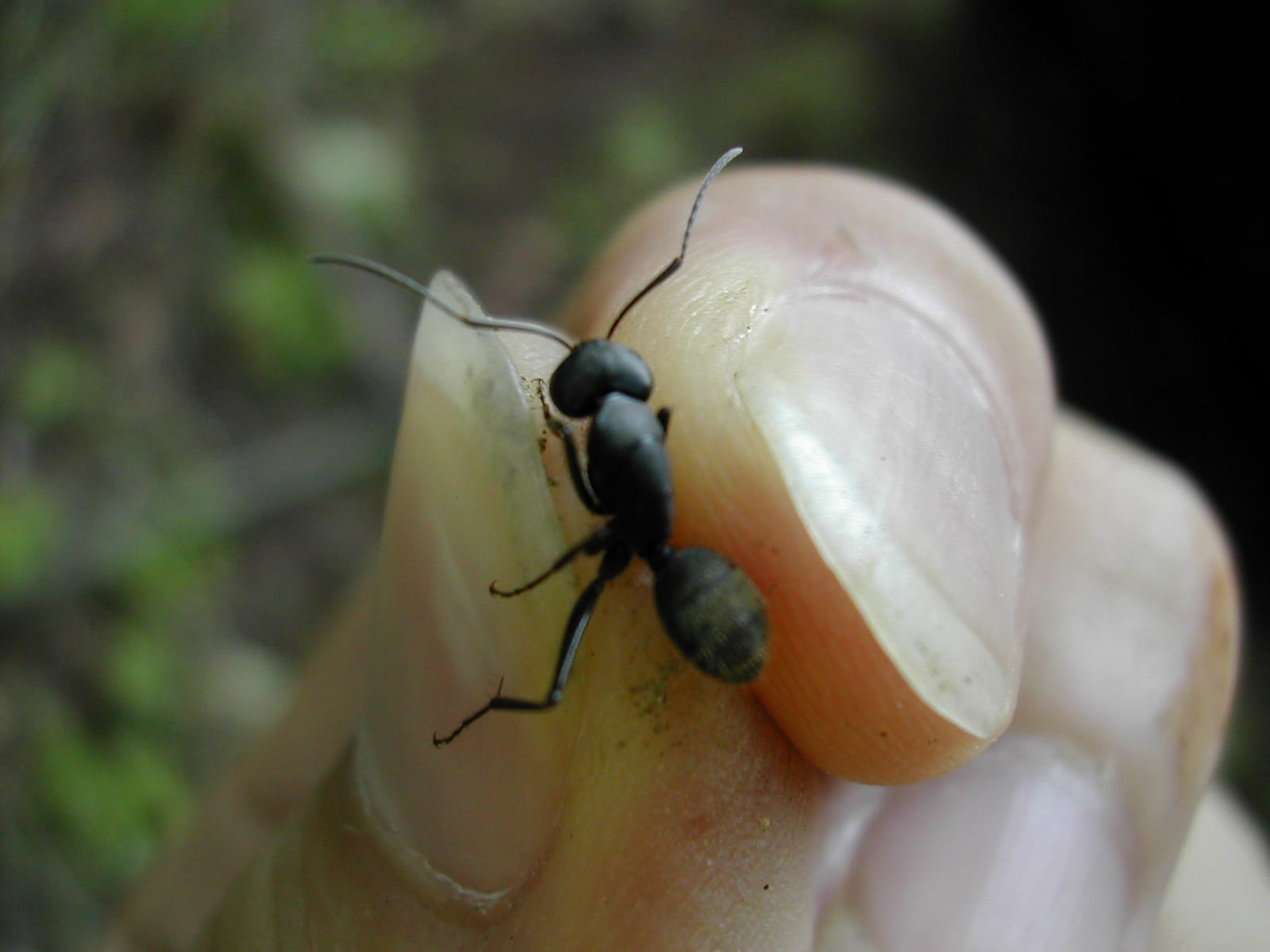
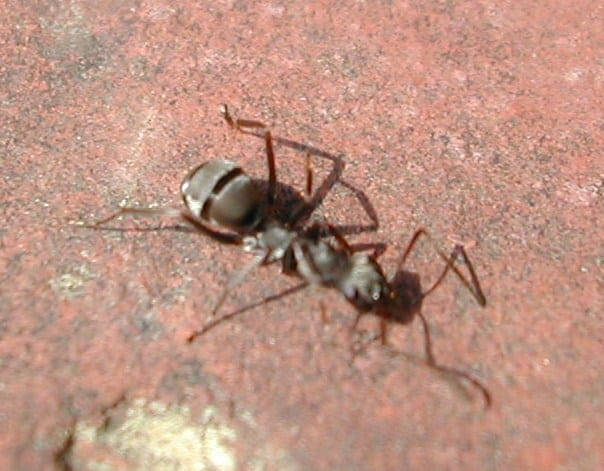
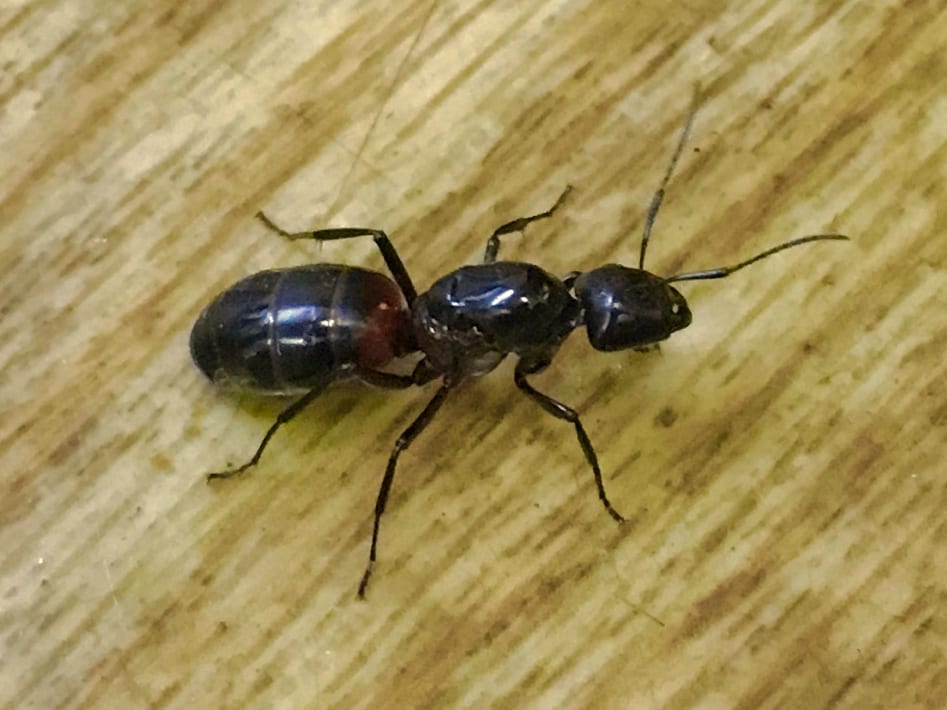
Ant keeping (ant husbandry, ant-keeping) has been gaining steady popularity in recent years as an intellectual hobby that allows you to observe the social life of small creatures up close. Starting with a single queen ant and watching it grow into a colony of hundreds or thousands, it feels like witnessing the birth of a tiny civilization. Even those who don't usually like insects often find themselves captivated by the orderly movements of ants behind glass. In this article, we'll provide detailed guidance for those interested in starting ant-keeping, from how to obtain a queen ant to tips for managing your colony.
How to Obtain a Queen Ant
Ant keeping starts with securing a "queen ant." Without a queen, the colony cannot grow, so obtaining a healthy queen is the most important first step.
Collecting from the wild
The easiest method is to collect newly mated queen ants walking on the ground after the nuptial flight (when winged ants suddenly take flight). After their nuptial flight, queen ants shed their wings themselves and wander alone searching for a nest site. The timing varies by species, but in Japan, this is most commonly seen between April and July. Warm, humid nights or mornings after rain are particularly good times to search.
When collecting, avoid touching the ant directly; gently retrieve it using a small container or dropper. Individuals that have already shed their wings and have a plump abdomen are likely mated queens. If you plan to take collected ants to a different region, it's wise to confirm in advance that the species isn't designated as an invasive or regulated exotic species.
Purchasing from shops or breeders
If you're not confident about collecting, or if you want to reliably obtain a specific species, purchasing from a specialty shop or breeder is recommended. Purchased specimens have clearly identified species, and some retailers also offer queens that have already begun laying eggs or starter colonies that include worker ants. For beginners, this is reassuring in terms of ease of management.
Beginner-friendly species
- Camponotus japonicus: One of Japan's largest black ants. Slow movements make it easy to observe, and it adapts well to temperature and humidity changes
- Camponotus obscuripes: Beautiful with a red thorax. A foundational species alongside the carpenter ant
- Lasius niger: Active with plenty of care information available online; good for beginners (※ Note: Samurai ants are a socially parasitic species that practices slave-making; queens cannot establish nests alone and must takeover a black garden ant colony, making them unsuitable for beginners)
Starting with either Camponotus japonicus or Camponotus obscuripes is the standard approach.
Choosing a Formicarium (Artificial Nest)
A specialized container for keeping ants is called a "formicarium." Choose the type that matches the size and species of your ants and what you want to observe.
Acrylic formicariums
Currently the most common type. Transparent acrylic plates have corridors and chambers etched between them, allowing real-time observation of the inside of the nest. Models with water tanks make humidity management easier and are user-friendly for beginners. With a variety of designs available, many people enjoy them as interior decoration.
Sand-type (sand nest)
Sand is packed between double-pane glass or acrylic, and ants tunnel through and create their own pathways. While this recreates a more natural environment, observation is somewhat limited since the tunnels aren't fully visible. This type is well-suited for those who enjoy watching ants build their own nests.
Gel-type
A feeding container using nutrient-rich gel originally developed by NASA for space experiments. Watching ants tunnel through the gel is visually beautiful and ideal for short-term observation or display. However, it's not suitable for long-term care, and as your colony grows, you'll often find it limiting. It's best to think of this as an introductory experience tool.
Daily Colony Management
Maintaining a healthy colony requires balancing three key factors: food, temperature, and humidity.
Feeding your ants
Ants need both carbohydrates (energy source) and protein (for larval and queen growth).
- Sugar water or honey water: Dilute and soak in a sponge or cotton ball. Provides energy for the entire colony
- Dead insects: Crickets, mealworms, etc. Thawed frozen specimens are easy to manage
- Jelly (insect-type): Commercial insect jelly can also be used
Don't overfeed—leftover food can cause mold and rot. Remove uneaten portions by the next day.
Temperature and humidity management
- Ideal temperature: 20–28°C (varies slightly by species). Room temperature is usually sufficient
- Humidity: Create a "humidity gradient" by keeping part of the formicarium moist while leaving some areas dry. Ants will move to the spot that suits them best
In winter, activity slows as temperatures drop (dormancy). This is natural and doesn't require artificial heating. In recent years, extended summer heat is becoming common in some regions, so avoid placing your formicarium in direct sunlight or in sealed rooms where temperatures might spike. Place it in a location where the room temperature won't become extreme.
Cleaning and maintenance
Ants naturally create a "garbage disposal area (midden)" inside their nest. Regularly cleaning this area, where food scraps and dead bodies accumulate, keeps the entire colony hygienic. Also periodically check that the tube connections on your formicarium haven't loosened.
Colony Growth and the Joy of Observation
The best part of ant-keeping is being able to watch your colony grow dramatically over an extended period.
The period from when the queen begins laying eggs until the first workers emerge (the claustral phase) is particularly delicate—it's important to observe quietly without external disturbance. Once the first workers hatch, the colony rapidly becomes more active.
| Period | Colony size estimate |
|---|---|
| ~3 months | Queen + several to dozens of ants |
| ~1 year | Dozens to hundreds of ants |
| ~3 years | Hundreds to thousands of ants (varies by species) |
As the colony grows, soldier ants and larger workers emerge, and role specialization becomes clearer. Transporting food, caring for larvae, guarding the queen—each ant fulfilling its role is like watching a tiny society in action. In recent years, more enthusiasts have been sharing colony growth records on social media through photos and videos, and observing other keepers' records can help you gauge whether your colony's growth rate falls within the typical range.
BreederDirect's Safe and Reliable System
When starting ant-keeping, many wonder "where should I get a queen ant or colony?" At BreederDirect, experienced ant-keeping breeders sell healthy queen ants and starter colonies directly.
Why BreederDirect is the choice:
- Direct from breeders for peace of mind: Purchase directly from the keeper themselves without middlemen
- Species information is clear: Sales pages include detailed information such as species name, collection location, and colony status
- Ask questions before purchasing: Get care tips and management advice directly from breeders, so even beginners can start with confidence
- Formicarium and queen ant bundles: Some products come as a set with both nest and queen ant, letting you start keeping right away
Whether you want to "start by raising a small colony from a single queen" or "begin with workers already born," you can find products suited to your pace. Take your first step into the world of ant-keeping with a trusted breeder.