Guide to Goldfish Shows and Contests | How to Enter and Judging Criteria
Overview of major shows, judging criteria (body shape, color, swimming), and entry preparation.
Key Takeaways
Overview of major shows, judging criteria (body shape, color, swimming), and entry preparation.
Related Species
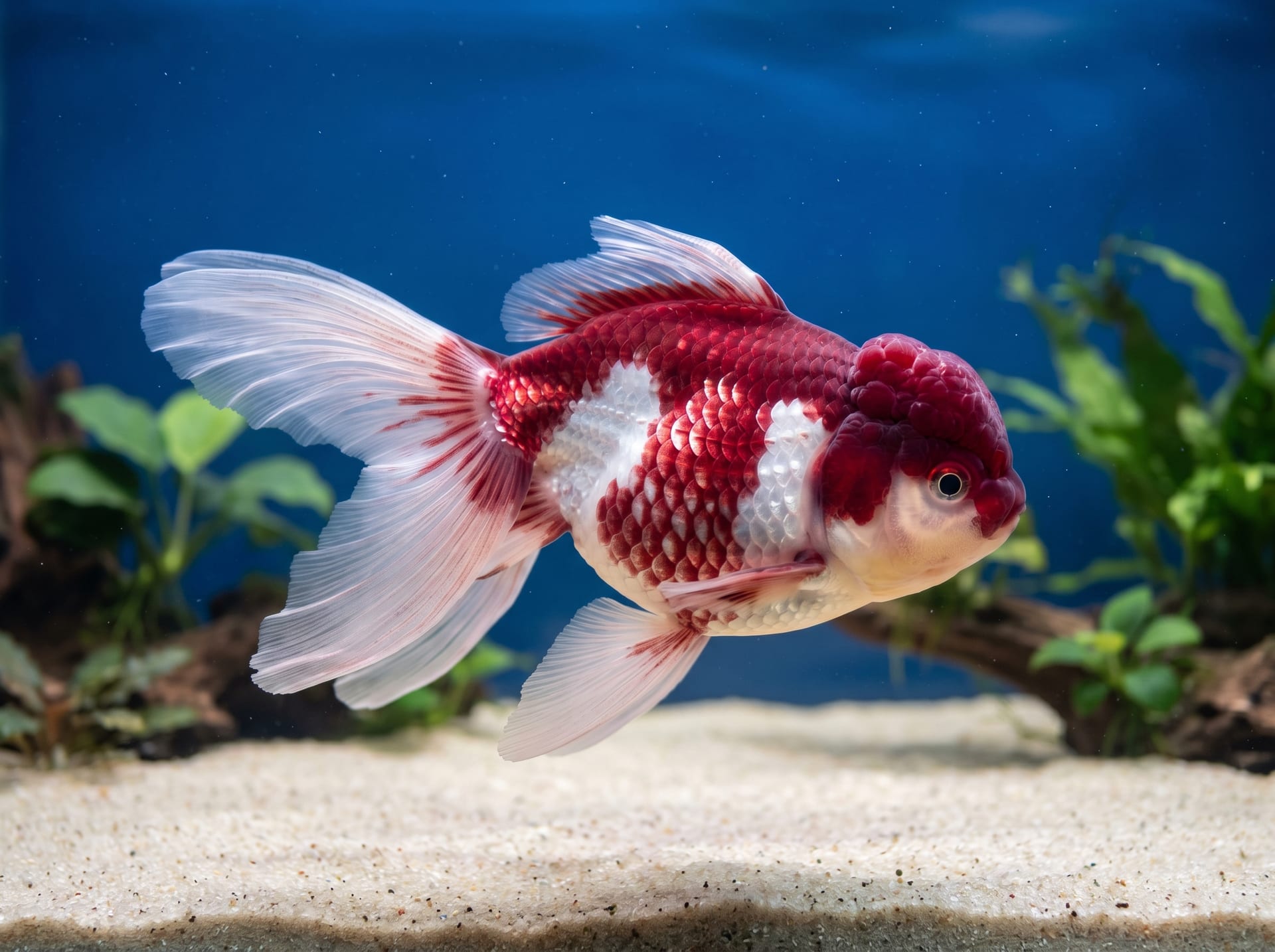
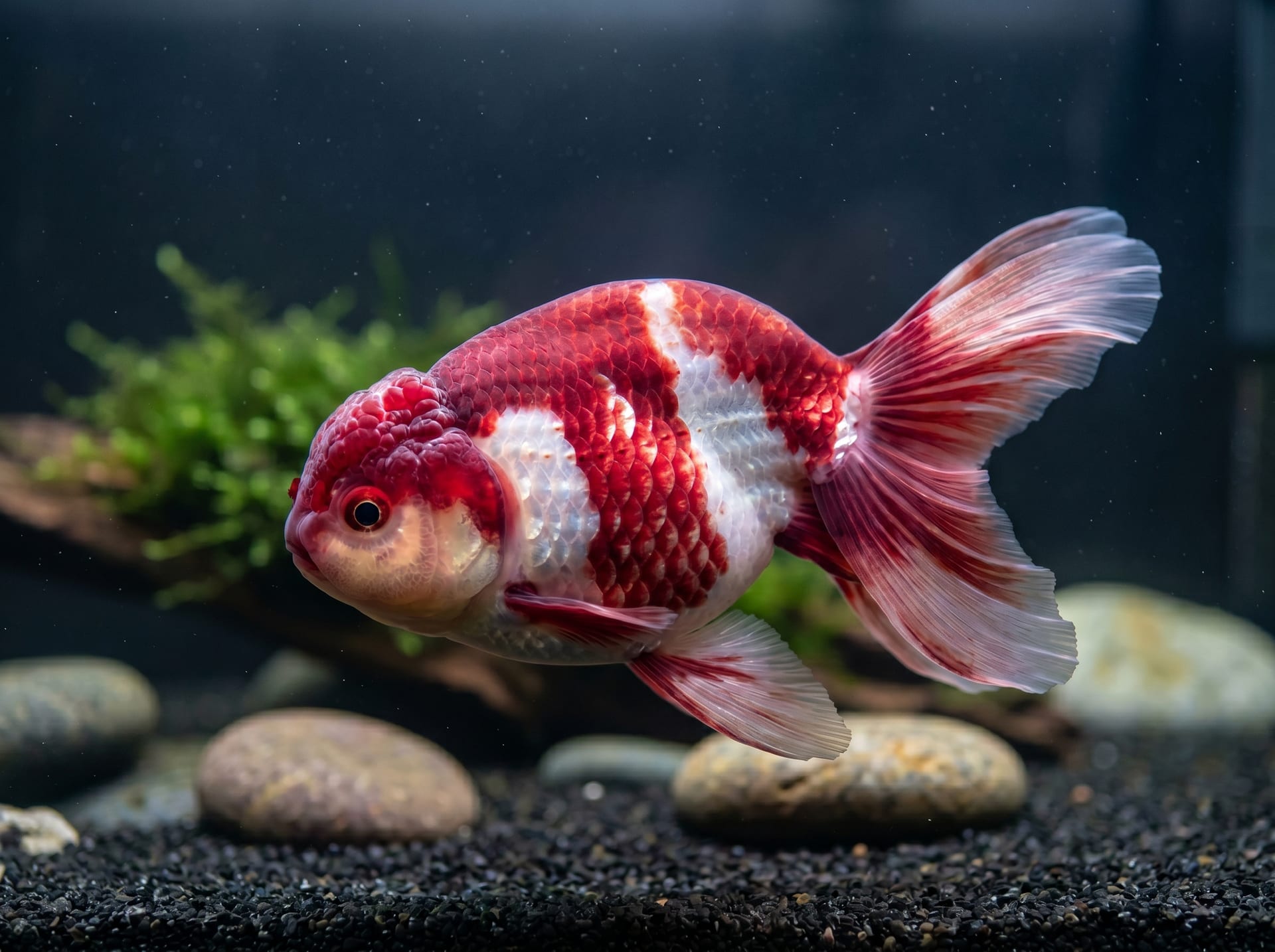
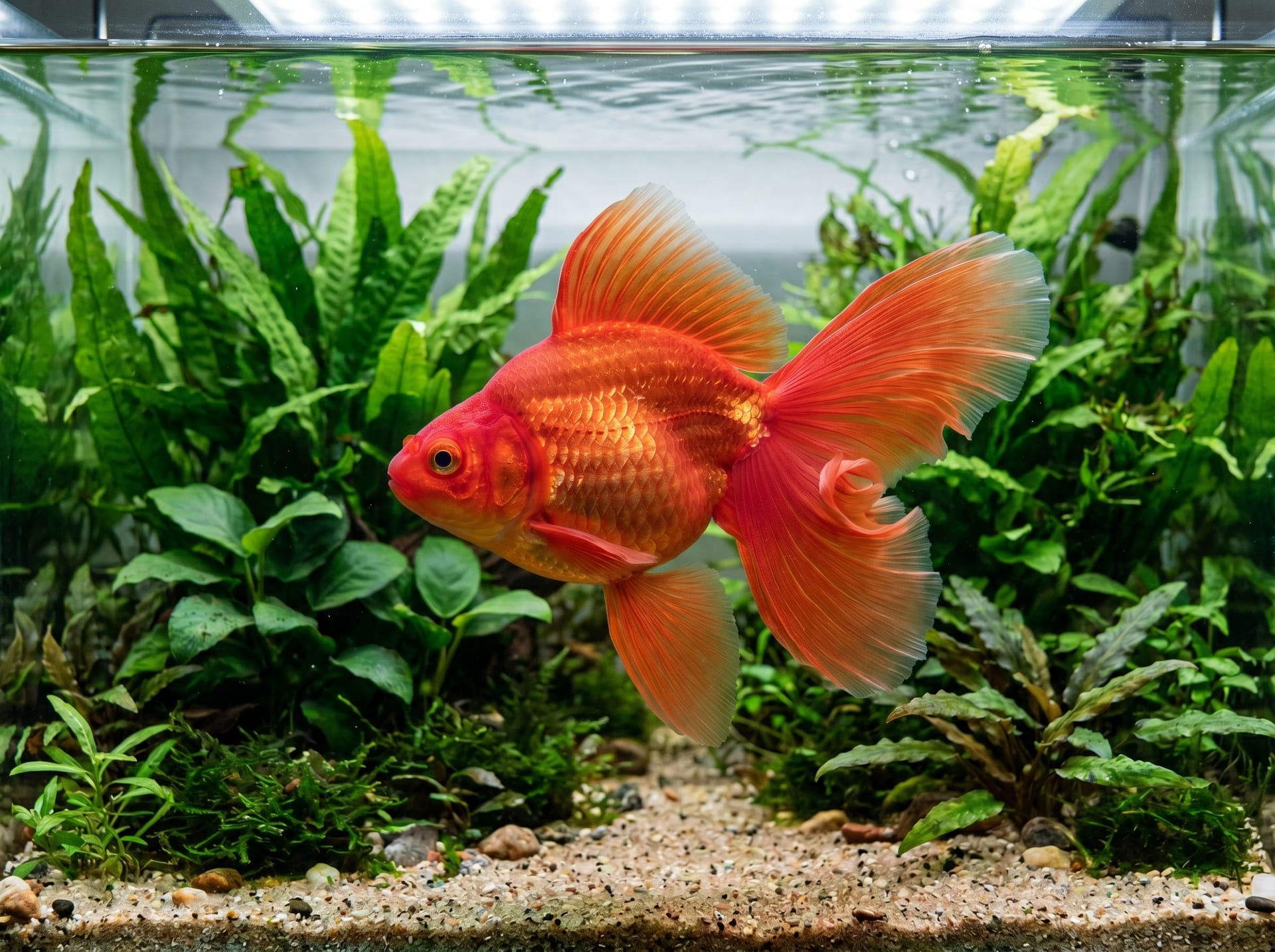
Goldfish shows are traditional events where breeders and enthusiasts bring their prized goldfish to compete in showcasing their beauty. Japanese goldfish culture has a history spanning hundreds of years, and shows play an important role in preserving and advancing this cultural tradition. Even first-time participants can fully enjoy the experience if they grasp the basic knowledge. This article provides a comprehensive guide to the world of goldfish shows, from introducing major shows to explaining judging criteria and entry preparation.
Major Goldfish Shows and Contests
Japan hosts a variety of goldfish shows at different times and scales, each targeting different varieties.
- All Japan Goldfish Show: The largest goldfish show hosted by the Japan Ornamental Fish Promotion Cooperative. Features multiple varieties including ranchu, ryukin, and orandas
- Japan Ranchu Association National Show: The most authoritative specialized show for ranchu. Regional preliminaries are held in spring and fall, with the national tournament in autumn
- National Goldfish Scooping Championship: Held annually in Yamato-Koriyama City, Nara Prefecture. A unique competition where goldfish scooping is enjoyed as a competitive sport
- Regional Festival Shows: Local shows held in goldfish production regions such as Yatomi City (Aichi Prefecture), Yamato-Koriyama City (Nara Prefecture), and Edogawa Ward (Tokyo)
- Monthly Enthusiast Club Meetings: Small-scale shows held monthly by breed-specific clubs. Ideal for beginners to gain experience
Goldfish shows are typically concentrated in spring (April-May) and autumn (September-November). Shows are less frequent in summer and winter because goldfish health management is more challenging during these seasons. In recent years, show information is increasingly announced in advance on social media and enthusiast club websites, making it easier to participate in distant competitions.
Basic Judging Criteria
While judging standards vary by variety, there are common evaluation points across all shows.
- Body Shape: How closely the fish matches the ideal type for its variety. Bilateral symmetry and balanced body proportions are emphasized
- Color: Vibrancy and intensity of coloration. For sarasa patterns (red and white coloring), the balance of the pattern is also evaluated
- Scale Formation: Whether scales are uniformly arranged in neat rows. Absence of scale loss or irregularities
- Fin Shape: Tail fins, pectoral fins, and ventral fins conform to breed standards with bilateral symmetry
- Swimming: Whether the fish swims in a manner appropriate for its breed. Ranchu should swim with dignified bearing; ryukin should display elegant fin movement
- Size: Usually judged by size class. Size itself is not what is evaluated; rather, the degree of perfection within the class is important
- Health Status: Absence of signs of disease. Vigorous swimming is a prerequisite
In ranchu shows in particular, the development of the head knot, the curve of the back line, and the angle and width of the tail are especially emphasized. Since the ideal type varies by breed, it is important to first develop a deep understanding of the judging criteria for your own breed.
Preparation and Procedures for Entry
Preparing a goldfish for show requires planning and care over several months.
- 3-6 months before: Select candidate fish for entry. Narrow down selections while observing development of body shape and coloration
- 2-3 months before: Feed color-enhancing pellets to intensify coloration. Control water temperature and light exposure to optimize the fish's condition
- 1 month before: Decide on the fish to be entered. Photograph and record it. Complete show registration procedures
- 1 week before: Conduct thorough health checks. Use salt baths to condition the fish's body mucus layer
- Day before: Stop feeding (to prevent water quality degradation during transport). Prepare transport containers and oxygen
- Day of the show: Arrive early. Report the breed and size class at registration, then transfer the fish to the judging container
Entry fees vary by competition but typically range from 500 to 2,000 yen per fish. Regional enthusiast club monthly meetings often charge little to nothing, making these smaller shows ideal for beginners.
Tips for Achieving Good Results at Shows
Raising goldfish that will be highly evaluated at shows depends entirely on daily husbandry. Sound fundamental care is more important than special techniques.
- Breeding from Quality Bloodlines: To achieve good results at shows, first acquiring fish with good genetics is essential
- Proper Stocking Density: Overcrowding causes body shape to deteriorate. Increase tank size as the fish grows
- Thorough Water Quality Management: Maintain a clean environment through regular water changes. Poor water quality directly affects body shape and color
- Feed Quality and Quantity: Provide breed-appropriate feed in proper amounts. Live foods such as bloodworms and brine shrimp are effective for developing the head knot in ranchu
- Color-Enhancing Techniques: Feed carotenoid-based color-enhancing pellets at appropriate times. Sunbathing also enhances coloration
- Selection Technique: Identifying superior individuals from spawned fry through selective breeding is the most important task in raising show-quality goldfish
- Stress Reduction: Stress from transport or environmental changes can cause health problems. Keep fish in quiet conditions, especially before shows
If you aim for top placings, it's also valuable to seek guidance from experienced enthusiasts who breed the same variety. Joining an enthusiast club not only improves your husbandry skills but also expands access to quality breeding stock.
How to Enjoy Watching Shows
Even without entering, shows are thoroughly enjoyable simply to watch. Consider visiting a show as an opportunity to discover the depth of the goldfish world.
- Train Your Eye: A rare opportunity to observe top-quality fish up close. Learn the ideal type for each breed in person
- Network and Exchange Information: Talk directly with breeders and enthusiasts. Ask questions about husbandry tips and breed characteristics
- Buying Opportunities: Show-related sales booths often allow you to purchase quality fish directly
- Make Friends: Meet fellow enthusiasts of the same breed. Many people connect on social media and continue exchanging information
- Photography: Beautiful fish can be photographed at shows (following competition rules)
If you're visiting a show for the first time, arriving before judging begins during the "washing" period (when fish are transferred to judging containers) allows you to observe the exhibitors' preparations, which is educational.
Etiquette and Important Considerations for Shows
Goldfish shows have unwritten rules and etiquette. Keep these in mind for a pleasant experience.
- Stay Quiet During Judging: Avoid talking during judging so judges can concentrate
- Don't Touch Others' Fish: Don't reach into judging containers or handle other exhibitors' fish
- Confirm Photography Rules: Flash photography is usually prohibited. Check beforehand
- Be Considerate of Exhibitors: Avoid negative comments about results. Exhibitors have invested considerable time raising their fish
- Follow Venue Rules: Observe rules about trash removal, parking, and other venue-specific guidelines
Goldfish shows are an important community that sustains goldfish culture. Even as a first-time visitor, if you participate with courtesy and enthusiasm, experienced hobbyists will warmly welcome you.
Find Show-Quality Goldfish on BreederDirect
On BreederDirect, you can purchase goldfish directly from breeders with proven show records. Since you can learn in detail about pedigree and breeding conditions, it's ideal for those aiming for shows. Meeting breeders who carry regionally distinctive varieties, including ranchu and tosaki, can be your first step toward show participation.