Complete Guide to Raising Ranchu Goldfish | Care, Selection, and Show Entry Guide
A complete guide explaining everything about ranchu goldfish care, from tank setup, feeding, water changes, and selection methods to preparing for show competition.
Key Takeaways
A complete guide explaining everything about ranchu goldfish care, from tank setup, feeding, water changes, and selection methods to preparing for show competition.
Related Species
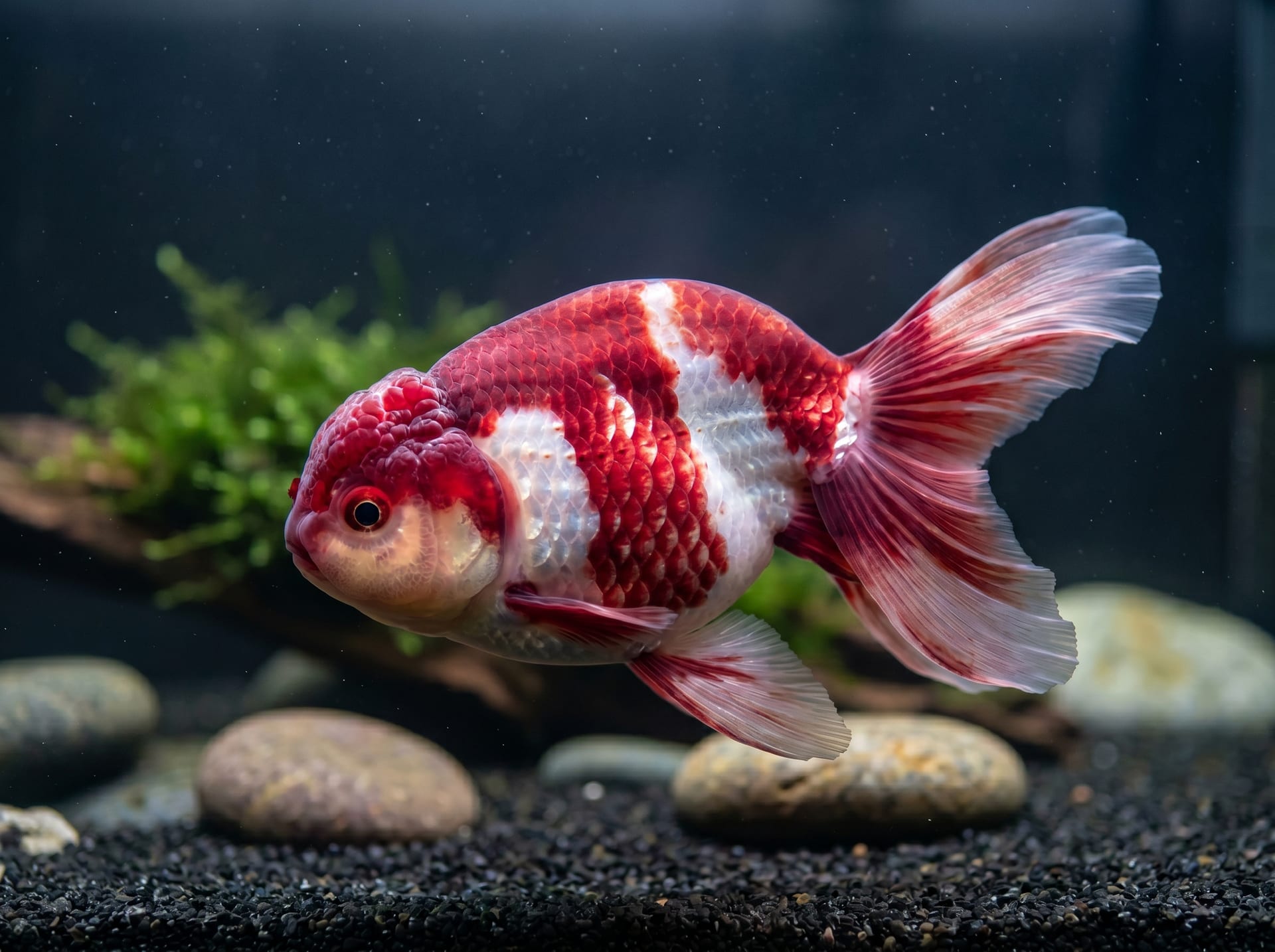
Ranchu is the most prestigious goldfish variety, known as the "king of goldfish." Characterized by the absence of a dorsal fin, a rounded body shape, and a prominent head growth called a wen, ranchu embodies Japanese goldfish culture. At shows, ranchu compete for beauty under strict judging standards and represent the ultimate goal for enthusiasts. This article covers everything from ranchu care to entering shows.
Creating the Right Tank Environment
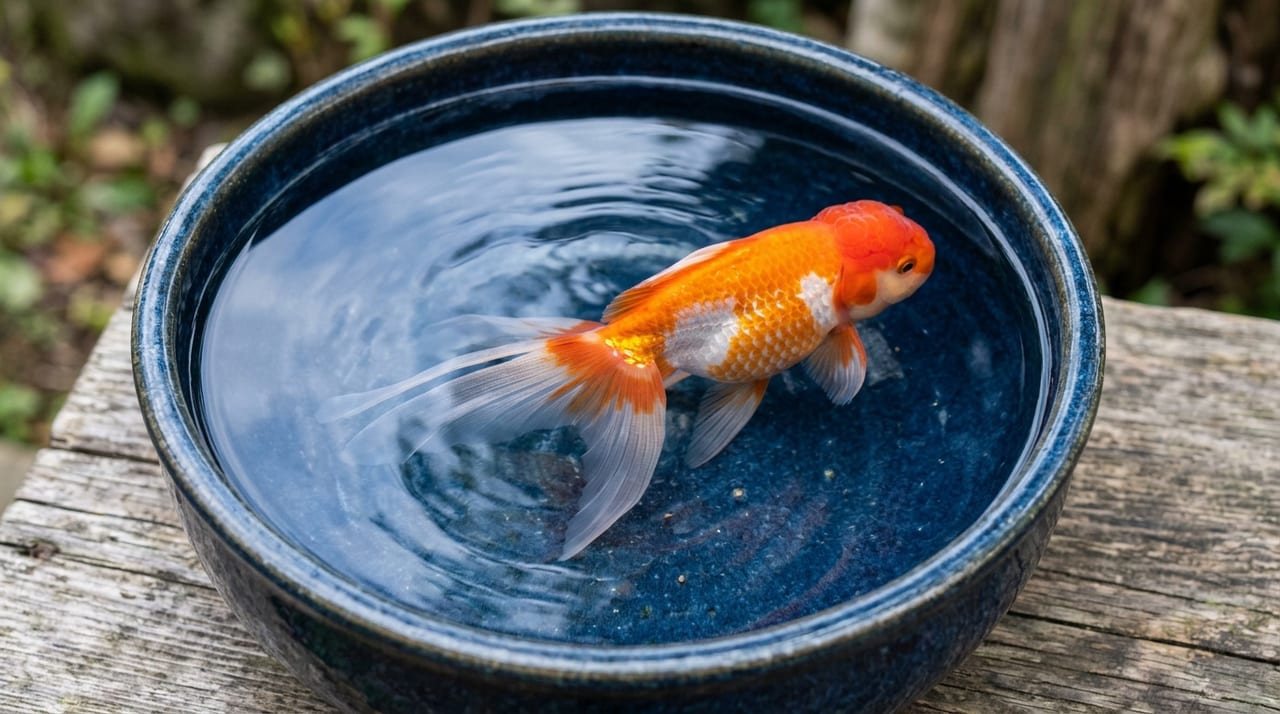
Ranchu are best kept in shallow tanks that emphasize top-view display. Traditionally, shallow basins 30-40cm deep are used, but FRP containers and plastic troughs work well for keeping them.
Water volume guideline: 20-30 liters per fish is ideal. Overcrowding causes stunted growth, so maintain adequate tank density.
Filtration: For outdoor tanks, air-lift sponge filters are standard, providing both aeration and biological filtration. For indoor tanks, box filters or hang-on filters work well. Key is to set water flow to gentle levels—ranchu are not strong swimmers, so strong currents cause stress.
Substrate: Bare-bottom tanks are the standard approach. Without substrate, feces are easy to spot and remove, and water changes are more efficient.
Feeding and Feeding Methods
Ranchu diet varies by growth stage and breeding goals.
Fry stage (up to 3 months): Newly hatched brine shrimp nauplii (Artemia) are ideal. High in nutrition and easily digestible, they're essential for growing fry. Feed 3-5 times daily in small amounts.
Yearlings (first year): Feed high-protein ranchu-specific pellets 2-3 times daily, adjusted for water temperature. This critical growth period requires high-nutrition food and proper water temperature (25-28°C) for optimal wen development.
Age 2+: Growth slows, so shift to maintenance feeding focused on body shape. Incorporating color-enhancing pellets improves red coloration. Avoid overfeeding, as it increases the risk of swim bladder disease.
Winter (water temperature 15°C or below): Reduce or stop feeding as digestion slows. Forcing food causes indigestion.
The Importance of Water Changes
Water changes are more critical for ranchu care than for other goldfish. Fresh water stimulation promotes growth, especially in yearlings.
Frequency and amount: Change 30-50% of water 2-3 times weekly as standard. Professional breeders often change water daily. Use settled tap water matched to tank temperature before adding.
During water changes, check: Swimming behavior, body surface for white spots or redness, and feces (white stringy feces indicate digestive issues).
Selection Criteria
In ranchu breeding, selection is the critical task determining quality. Cull inferior fish and retain superior specimens at each growth stage.
First selection (2-3 weeks post-hatch): Remove deformed individuals (curved spine, abnormal tail). This severe culling keeps only 30-50% of fish.
Second selection (1-2 months): Select by body proportions, tail development, and swimming ability. Retain fish with symmetrical tail forks and balanced swimming.
Third and subsequent selections: Evaluate wen development, body thickness and roundness, and color balance holistically. For show prospects, select against the judging standard. See Ranchu and Oranda Selection Standards for detailed guidance on body shape, wen, and coloration.
Show Exhibition Guide
Ranchu shows are held throughout the country, and beginners can enter. For comprehensive preparation guidance and judging details, see The Joy of Ranchu Shows.
Judging criteria: Body shape (width and roundness viewed from above), wen (balance of head bulge), tail (symmetrical four-pointed development), swimming ability (graceful and stable), and overall color and pattern balance.
Show preparation: 2-3 weeks before the show, intensively feed color-enhancing pellets and increase water change frequency for optimal clarity. Prepare transport containers and oxygen. Acclimate carefully on show day. Keep photos for reference—they help track growth. See Complete Goldfish Photography Guide for specific photography tips.
Practical Ranchu Care Tips
Ranchu require more care than other goldfish, but the rewards are equally great. Following these key points ensures healthy, beautiful fish.
- Keep water depth shallow: Ideal depth is 20-30cm. Too deep stresses the body
- Maintain gentle water flow: Sponge filters are ideal. Strong currents exhaust the fish
- Feed small portions frequently: Feed high-quality ranchu pellets 2-3 times daily in small amounts for good digestion
- Change water regularly: Ideal is 1/3 to 1/2 water changes 2-3 times weekly
- Consider greenwater cultivation: Outdoors, light greenwater (cultured algae) benefits wen development
- Winter care: Stop feeding when water temperature drops below 10°C and minimize water changes
While wen development is largely genetic, high-protein food and stable water quality management can enhance it.
Keys to Successful Breeding
Spring (March-May) is ideal for goldfish breeding. Rising water temperature and longer daylight hours trigger spawning. Keep these points in mind for successful breeding:
- Condition broodstock: Provide adequate winter dormancy to build stamina
- Sex determination: Males develop white nodules called "breeding stars" on pectoral fins and gill covers during spawning season
- Spawn substrate placement: Add water sprite or artificial spawning nets for easy egg collection
- Isolate eggs: Move eggs and spawning medium to a separate container immediately after spawning to prevent adults from eating them
- Temperature management: Optimal hatch temperature is 20-25°C. Higher temperatures reduce hatching time (5 days at 20°C, 3 days at 25°C)
- Initial fry food: Once yolk sacs are absorbed (2-3 days post-hatch), feed brine shrimp nauplii
Breeding is one of the most rewarding aspects of goldfish keeping, and watching fry you've raised grow is incredibly fulfilling.
Handling Culled Fish
Every breeder faces the question of what to do with culled fish. Here are some options:
- Give to friends or acquaintances: The best option if they're interested in goldfish
- Local pet shops: Some shops accept fish for free
- Hobbyist clubs: Many local clubs facilitate fish exchanges among members
- Online communities and social media: Post on goldfish enthusiast forums and social media to find adopters
While culling is necessary for maintaining quality, remember these fish have lives. Handle them as responsibly as possible.
On BreederDirect, you can purchase ranchu directly from award-winning breeders. You can verify bloodline information and parent fish's show records, and consult on bloodline selection for future show prospects. Whether you're a complete beginner or serious enthusiast, find your perfect ranchu on BreederDirect.
