Introduction to Outdoor Goldfish Cultivation | Getting Started with Ponds and Plastic Troughs | ブリちょく
Goldfish| ✍️ BreederDirect Editorial
Introduction to Outdoor Goldfish Cultivation | Getting Started with Ponds and Plastic Troughs
A guide to outdoor goldfish cultivation. Covers how to choose plastic troughs, water preparation, shading strategies, and freeze prevention for winter. A comprehensive introduction to enjoying goldfish in your garden or balcony.
Key Takeaways
A guide to outdoor goldfish cultivation. Covers how to choose plastic troughs, water preparation, shading strategies, and freeze prevention for winter. A comprehensive introduction to enjoying goldfish in your garden or balcony.
Benefits of Outdoor Cultivation
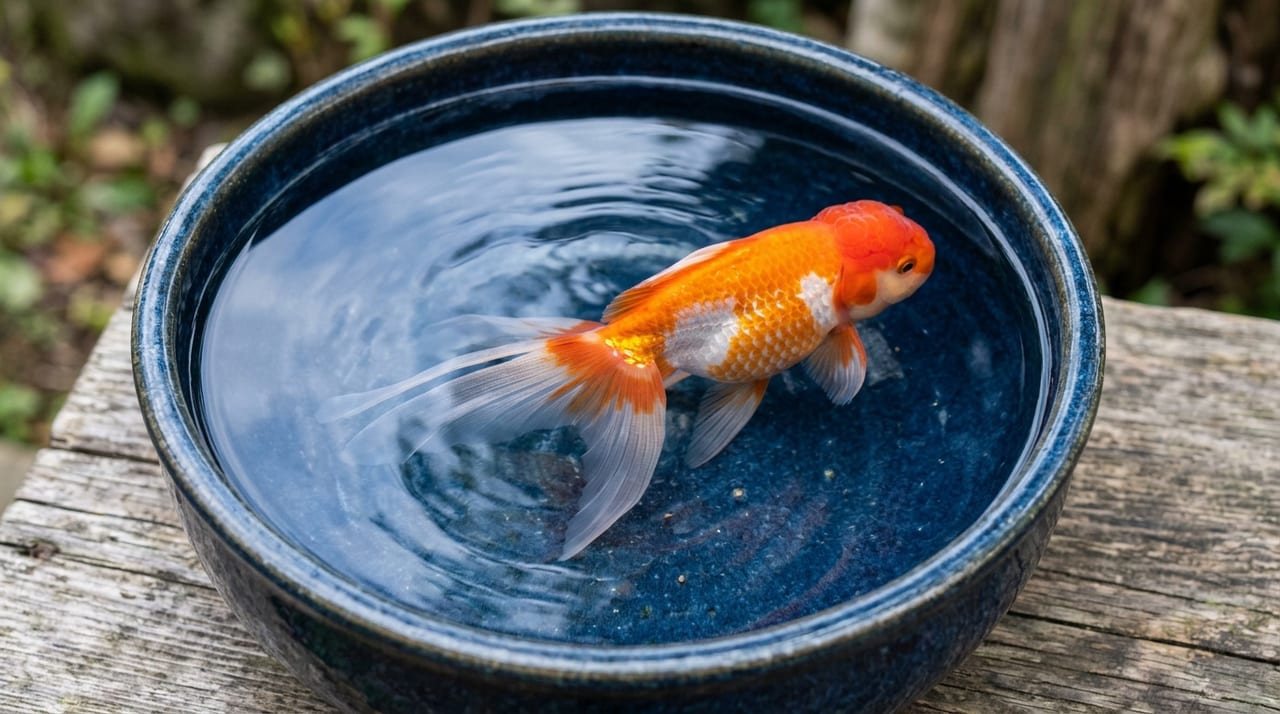
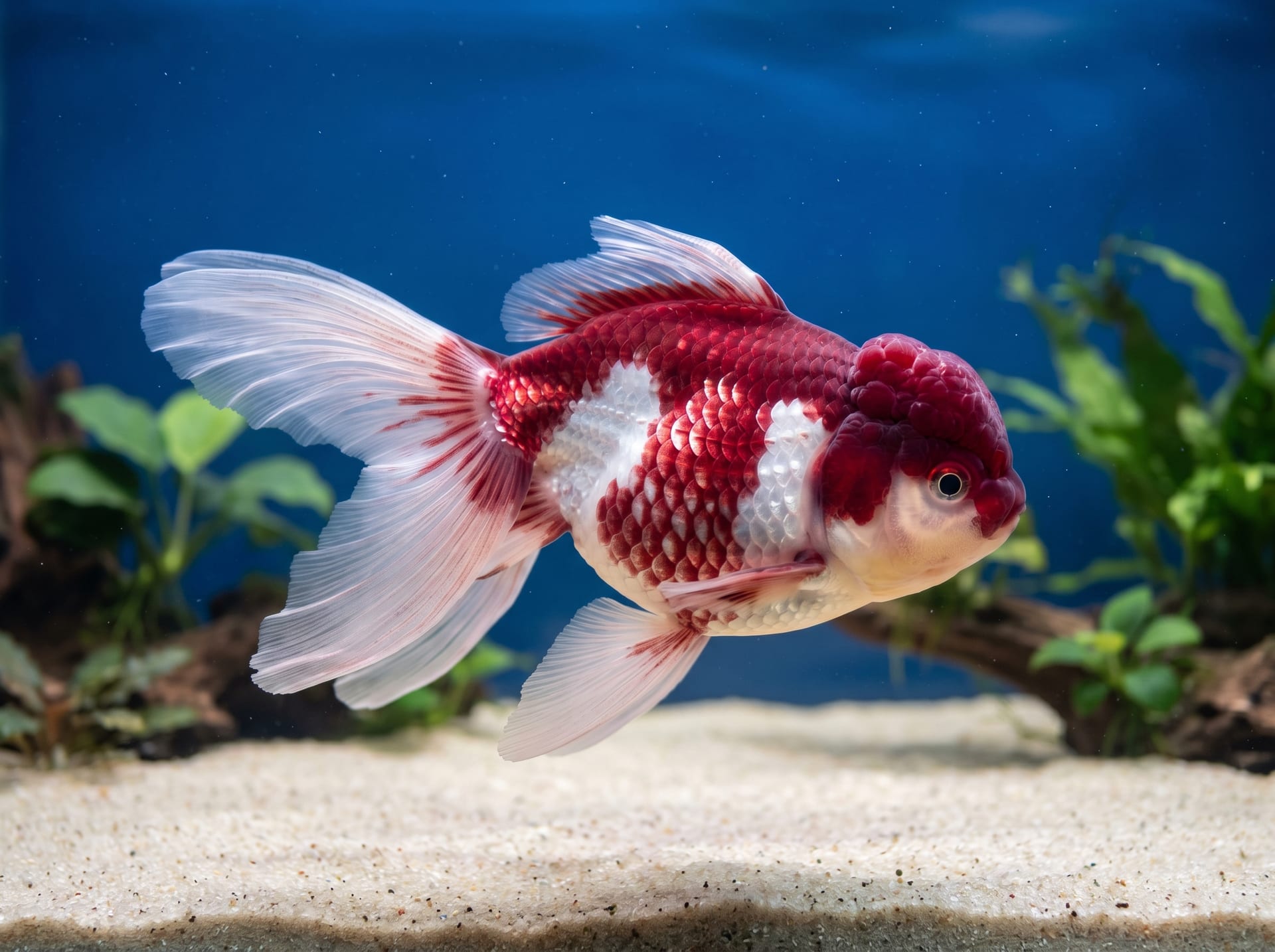
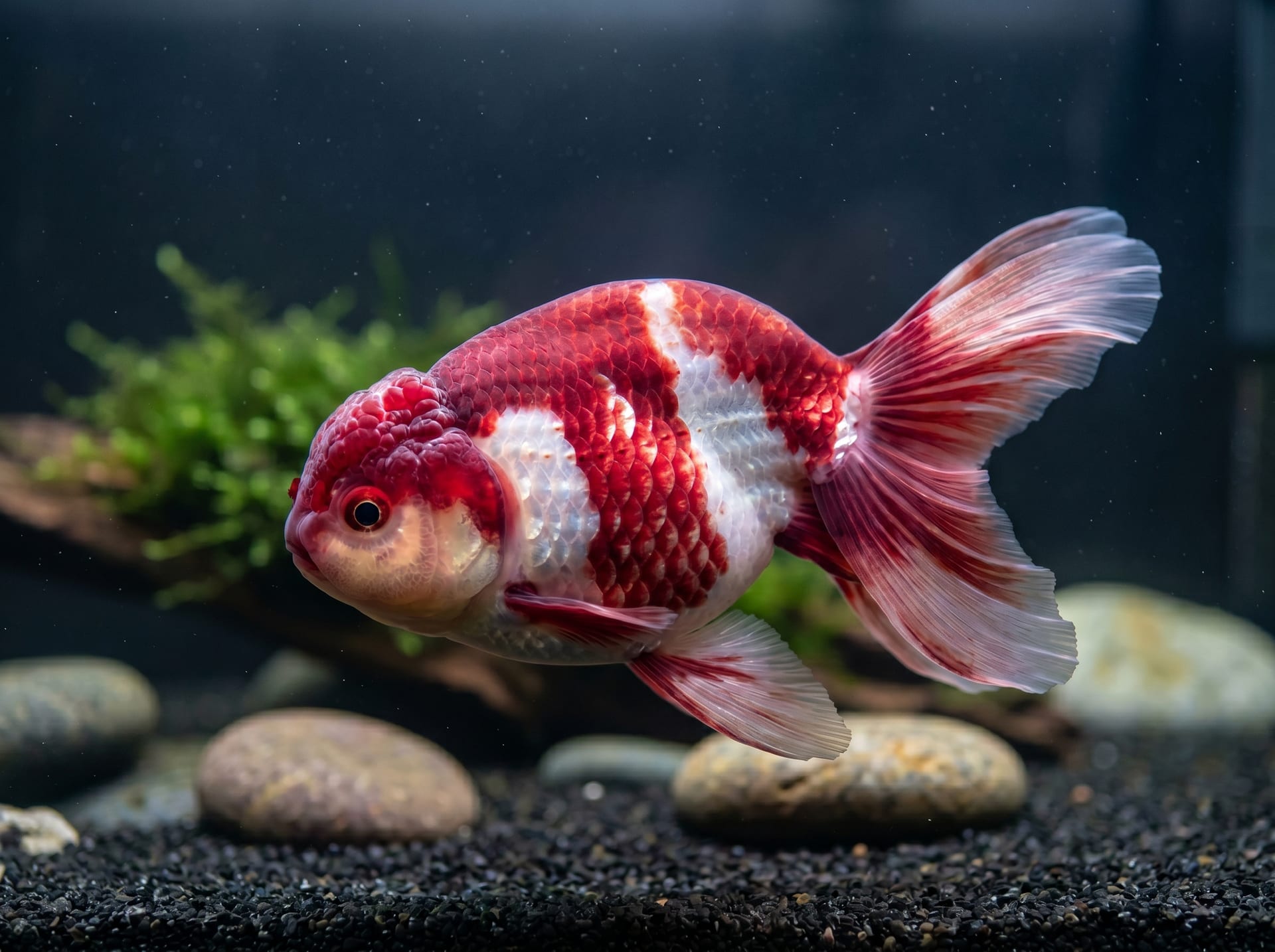
Keeping goldfish outdoors offers numerous advantages unavailable indoors. The greatest appeal is color enhancement from natural sunlight. Ultraviolet rays in sunlight promote carotenoid synthesis, making the red and orange hues of kohaku and Oranda varieties strikingly vibrant. What takes a year to achieve indoors often materializes in just a few months outdoors.
✍️
BreederDirect Editorial
The BreederDirect editorial team specializes in care information for animals, covering veterinary care and breeding to deliver beginner-friendly guides.
Find Goldfish on BreederDirect
Buy directly from verified breeders
Browse Related Listings
Find Goldfish listings related to this article on BreederDirect. Buy directly from verified breeders.
Related Tools
Related Articles
Browse by Category
🪸Coral
🐠Marine Fish
🐟Tropical Fish
🐡Goldfish
🐟Medaka
🦎Reptiles
Share
Additionally, outdoor setups allow for large containers without compromise, ensuring ample water volume. Greater water volume stabilizes water quality and temperature, creating a low-stress environment for goldfish. With spacious areas to swim actively, growth accelerates, and breeds such as Ranchu and Tosakin develop their characteristic body shapes more naturally. Furthermore, the natural seasonal temperature fluctuations stimulate goldfish breeding instincts and promote spawning.
Choosing Your Container
Outdoor Container Comparison
Container
Typical Capacity
Characteristics
Best Use
Plastic trough
60–180L
Affordable, durable, most popular
Beginners (80L+ recommended)
Water lily pot / ceramic pot
Medium capacity
Japanese aesthetic, gradual temperature change
Ranchu and Tosakin viewing
FRP pond / concrete pond
500L+
Large capacity, lasts decades
Competitions, serious cultivation
General guideline: 10–15L per goldfish. Containers 30cm deep or deeper offer better overwintering conditions.
Plastic Troughs
Plastic troughs are the most widely used container for outdoor goldfish cultivation. Originally designed for mixing concrete at construction sites, these polypropylene vessels offer excellent weather and wear resistance.
Capacity guidance: Aim for 10–15L per goldfish; select from 60L, 80L, 120L, or 180L options. 80L or larger recommended for beginners
Color selection: Black or dark gray absorb significant heat, requiring caution in summer, but provide striking contrast that makes goldfish colors pop—popular for ornamental viewing
Placement: Always position on level ground; elevating with blocks or lumber dramatically improves drainage and cleaning
Depth: Choose containers 30cm deep or deeper to reduce winter freeze risk
Water Lily Pots and Ceramic Pots
Ceramic water lily pots complement Japanese gardens and entryways. Their depth maintains stable water temperature, making them ideal for observing Ranchu and Tosakin, which prioritize body shape. However, their weight makes relocation difficult once installed. To prevent cracking, drain water in winter or store indoors.
FRP and Concrete Ponds
For serious cultivation, custom-built or prefabricated FRP (fiberglass-reinforced plastic) ponds are optimal. They accommodate 500L+ volumes and remain usable for decades. Many Ranchu breeders competing in exhibitions adopt this format.
Water Preparation Essentials
Most outdoor cultivation failures stem from inadequate water cycling. Follow these steps carefully:
Dechlorination: Never use tap water directly. Add liquid dechlorinator at recommended dosage, or let water sit in direct sunlight for 1–2 days. Exercise extra caution during major water changes
Bacterial establishment: Run aeration and a submersible filter for at least 1–2 weeks to establish beneficial bacteria before introducing goldfish. Commercial bacterial cultures can accelerate cycling
Green water cultivation: Outdoor environments naturally develop "green water"—a slight greenish tint from phytoplankton proliferation. Green water is rich in bacteria, aids goldfish digestion, and enhances coloring. However, excessive density causes oxygen depletion; maintain roughly 30cm visibility
Aquatic plants: Anacharis and water sprite absorb excess nitrogen, significantly stabilizing water quality. Water sprite also provides shade and covers water surface for evaporative cooling
Water Temperature Management and Shading
The greatest outdoor risk is summer temperature spikes. In small containers, direct sunlight can push water temperature above 40°C, causing fatal damage.
Shade netting and bamboo screens: Install over the container's top or south side; aim for 50–70% light reduction. Complete darkness inhibits green water development, so avoid total blackout
Floating plants: When water sprite covers 30–50% of the surface, it provides both shade and evaporative cooling. Its vigorous growth requires regular thinning
Location selection: Choose spots receiving morning sunlight but afternoon shade (after 2 PM). East-facing wall bases or the east side of large trees are ideal
Water surface misting: On scorching summer days, add small amounts of tap water at dawn and dusk to reduce temperature by 1–2°C as an emergency measure
Goldfish thrive at 15–28°C. Once water exceeds 28°C, implement shading and water changes immediately.
Winter Overwintering Management
Goldfish are cold-blooded and enter dormancy when water temperature drops below 5°C. Outdoor overwintering is feasible with appropriate species selection and regional conditions.
Feeding cessation: Reduce feeding at 10°C; stop completely below 5°C. Undigested food rots in the intestine, causing swim bladder disorder and dropsy
Water depth: Containers 30cm deep or deeper maintain above-freezing temperatures at the bottom even when the surface partially freezes. Allow thin ice to melt naturally rather than breaking it forcefully
Insulation: Foam board covers reduce heat loss significantly. Insulating tape on container sides is also effective
Heater use: In cold regions like Tohoku and Hokkaido, a thermostat-controlled submersible heater maintaining 5°C minimum is safest. A 50–100W heater suffices
Species differences: Wakin, Comet, and kohaku varieties closely resemble wild carp and tolerate cold well. Conversely, Bubble eye and Pearl scale, which are heavily domesticated, struggle with cold; beginners should start with hardier types
Advantages of Purchasing from Breeders
To maximize outdoor cultivation, seek individuals raised in outdoor environments. Through Brichoku, you can purchase directly from breeders who have cultivated goldfish in their ponds and troughs across generations.
Breeder-raised goldfish adapt readily to outdoor temperature fluctuations and green water environments, minimizing introduction stress. When purchasing, share your region, container size, and temperature management approach with the breeder to receive tailored advice unavailable at home improvement stores—an invaluable depth of information exchange unique to direct breeder sales.
The variety of available species is extensive, ranging from outdoor-friendly Wakin, kohaku, and Ranchu to impressive large koi that become pond centerpieces. Consulting with Brichoku breeders to select species suited to your container or pond creates an unmatched experience.