Complete Guide to the Differences Between Goldfish and Carp: Breeds, Difficulty Level, and Price Comparison
A comprehensive comparison of goldfish and carp across breeds, body characteristics, difficulty level, price range, and lifespan. This article clearly explains common points of confusion for beginners and the differences in their care environments.
Key Takeaways
A comprehensive comparison of goldfish and carp across breeds, body characteristics, difficulty level, price range, and lifespan. This article clearly explains common points of confusion for beginners and the differences in their care environments.
Goldfish and carp are freshwater fish that share a common ancestor in the crucian carp, yet their characteristics and care requirements differ significantly. They are often sold side by side in pet shops, making it common for beginners to confuse them. This article provides a thorough comparison of goldfish and carp across breeds, body characteristics, difficulty level, price, and lifespan.
✍️
BreederDirect Editorial
The BreederDirect editorial team specializes in care information for animals, covering veterinary care and breeding to deliver beginner-friendly guides.
Find Goldfish on BreederDirect
Buy directly from verified breeders
Browse Related Listings
Find Goldfish listings related to this article on BreederDirect. Buy directly from verified breeders.
Goldfish (Carassius auratus) and carp (Cyprinus carpio) belong to the same family (Cyprinidae) but are different species. Goldfish were developed through selective breeding of crucian carp, while carp were developed through selective breeding of carp itself.
The easiest way to tell them apart is the barbels (whiskers) around the mouth. Carp have two pairs of barbels (four total) around their mouth, while goldfish have none. This alone makes identification simple.
Size is another significant difference. Mature carp can reach 60 cm to 1 meter in length, while even large goldfish varieties typically remain 20-30 cm. This difference is crucial to consider when planning tank space.
Comparing Breed Diversity
Major Goldfish Breeds
Goldfish have a long history of selective breeding in China spanning over 1,000 years, with over 200 varieties now existing worldwide. Here are some representative varieties found in Japan.
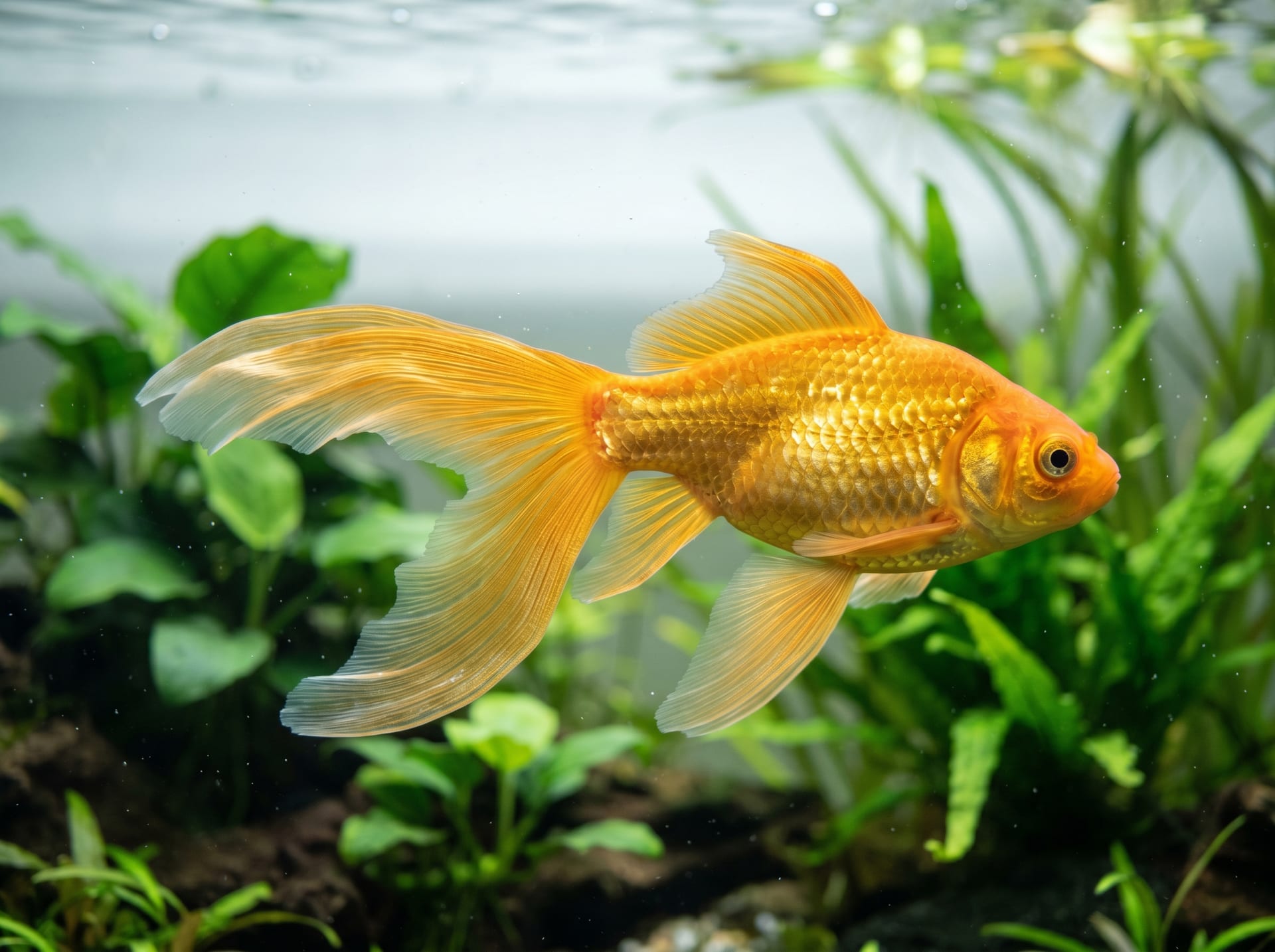
Wakin: Closest in body shape to the original crucian carp; extremely hardy and easy to care for. Most recommended for beginners.
Ryukin: Characterized by a rounded body shape and triple or quadruple tail fins. Highly valued for ornamental purposes and popular.
Demekin (Telescope Eye): Characterized by large, protruding eyes. Has poor eyesight, so care must be taken when housing with other fish.
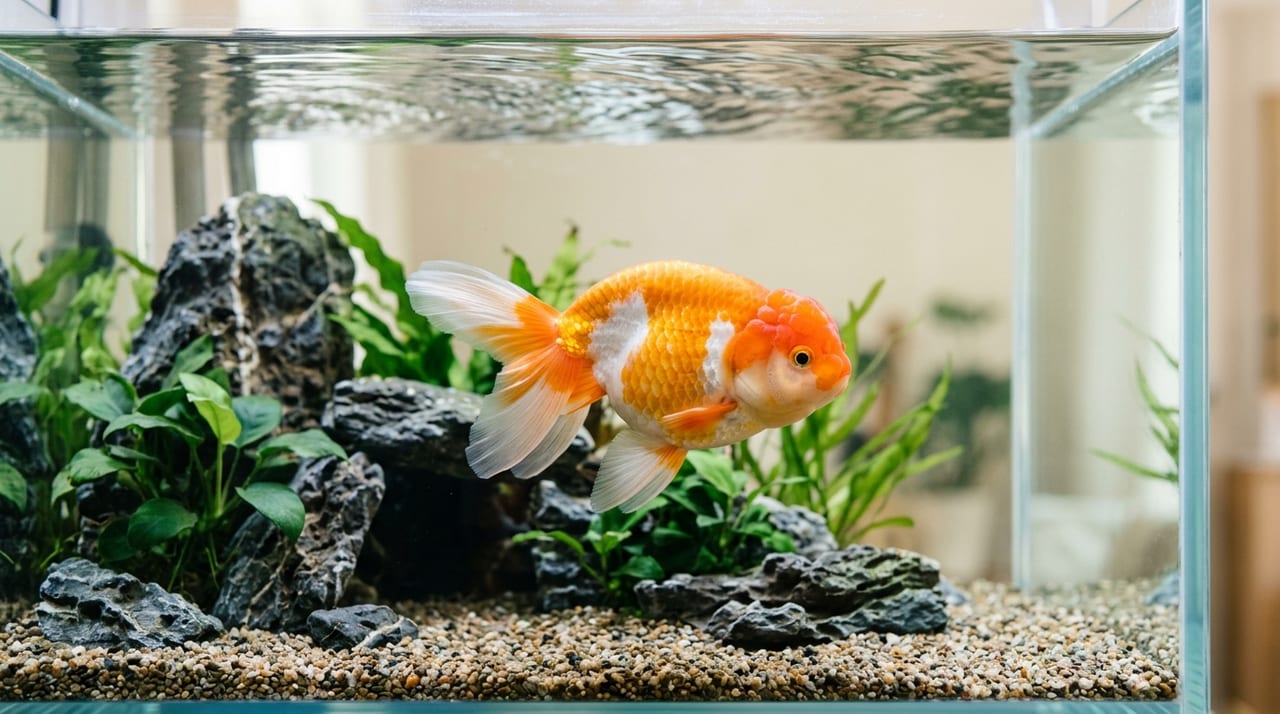
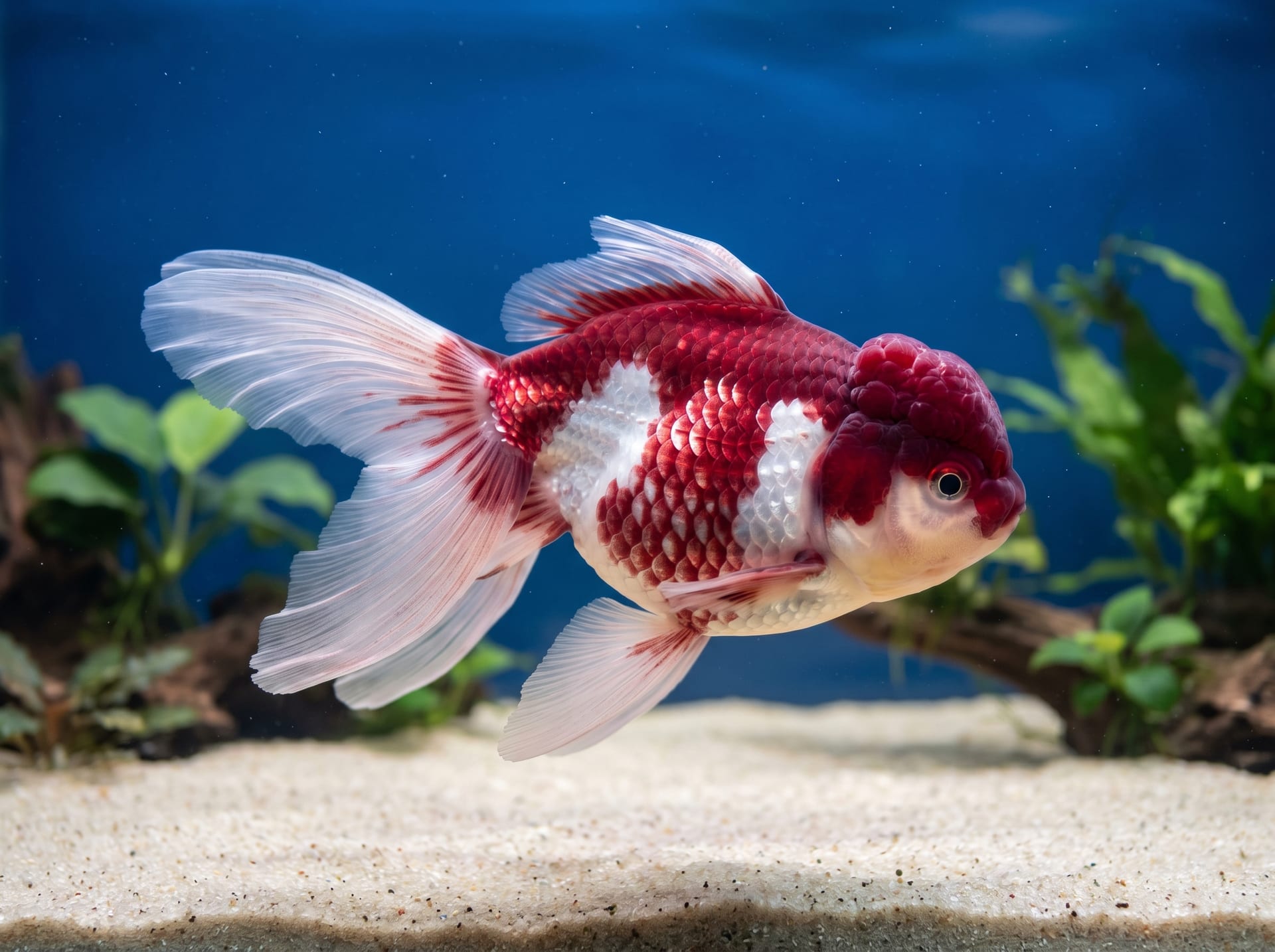
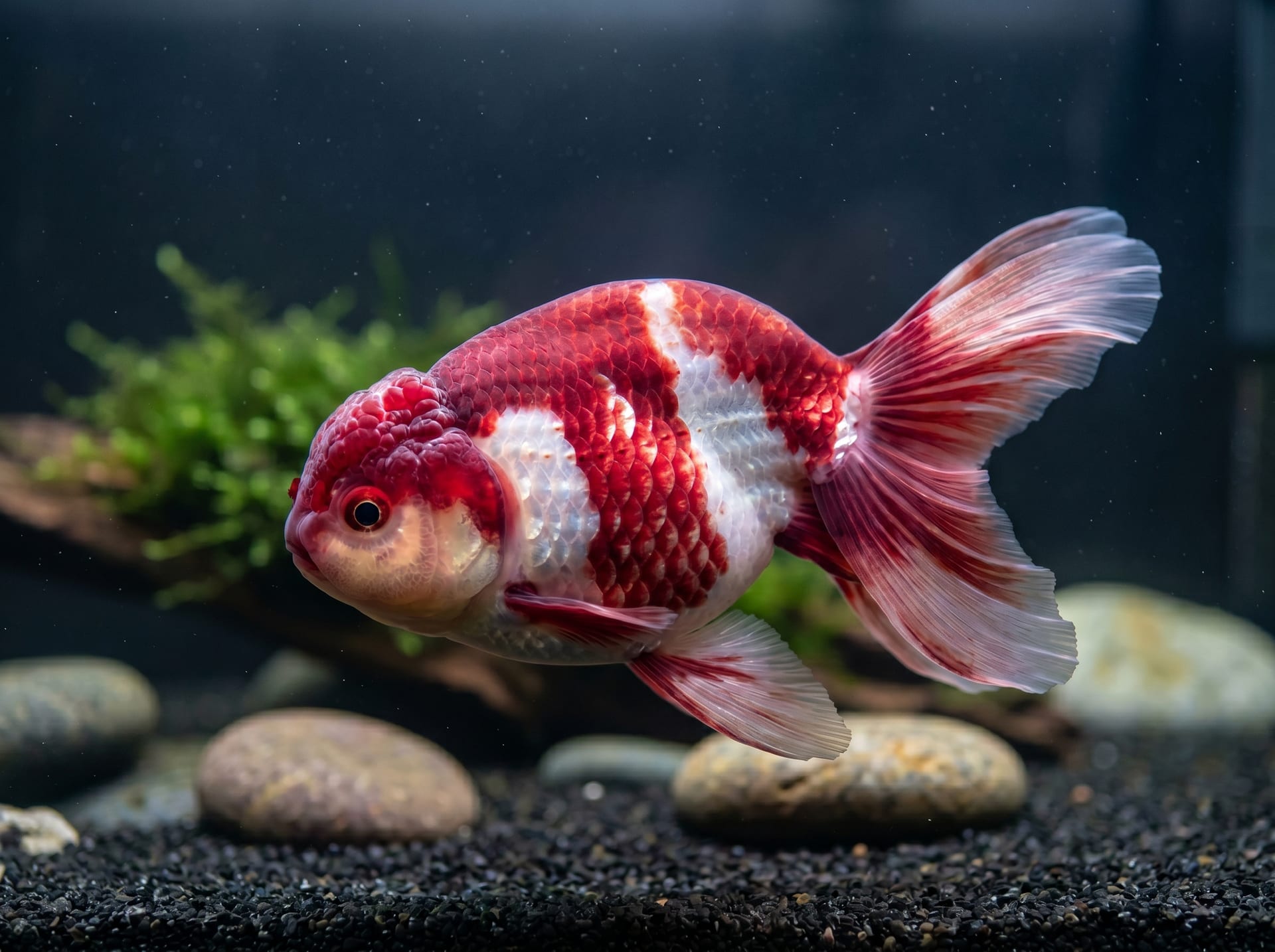
Ranchu: A premium variety without a dorsal fin and with a distinctive fleshy bump (wen) on the head. Has a well-established show culture.
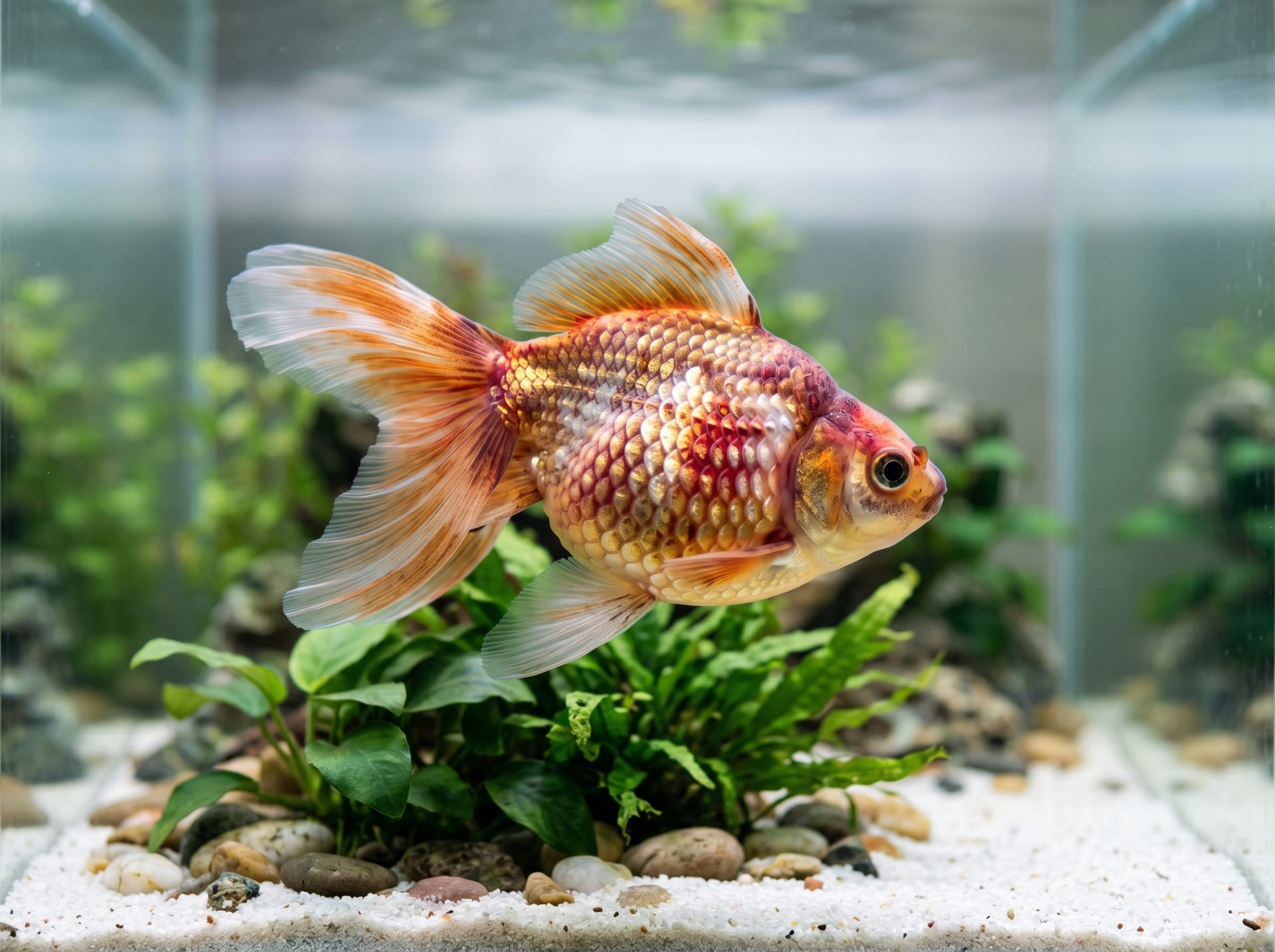
Ping Pong Pearl: Has an extremely rounded body shape and pearl-lustered scales that are charming. However, it has poor swimming ability and is sensitive to water quality changes.
Major Carp Breeds
The history of carp breeding in Japan began in Niigata Prefecture and became internationally famous as koi (錦鯉).
Kohaku: White body with red (crimson) markings. Considered the most prestigious koi variety.
Taisho Sanshoku: Features three colors: white, red, and black.
Showa Sanshoku: Black body with red and white markings; gives a bold impression.
Yamabuki Ogon: A solid variety that shines entirely in golden color.
Asagi: An older variety with net-patterned, bluish scales on the back.
Koi are judged on the beauty of their pattern and bilateral symmetry, and they have a strong aspect as collector's items.
Honest Comparison of Care Difficulty
Goldfish Care Difficulty
Goldfish care difficulty varies significantly by breed.
Breed
Difficulty
Key Points
Wakin/Comet
★☆☆ Easy
Hardy and tolerant of temperature fluctuations
Ryukin/Oranda
★★☆ Moderate
Slow swimmers; care needed for tank mates
Ranchu
★★★ Difficult
Requires careful water quality management; high oxygen consumption
Ping Pong Pearl
★★★ Difficult
Weak digestive system; prone to overeating
A common concern for all goldfish is that excessive water current from the filter can stress their bodies. In particular, rounded-body varieties have weak swimming ability, so it's best to set the water flow to a gentler level.
They can tolerate water temperatures from 5-30°C, though the ideal range is 18-24°C. Sudden temperature changes (fluctuations of 5°C or more in a day) lower immunity, so caution is necessary.
Carp Care Difficulty
While basic care of carp is not particularly difficult, securing adequate space is the biggest challenge.
Raising adult carp in an indoor aquarium is not practical. Typically, a garden pond or large FRP (fiberglass reinforced plastic) pond (1,000 liters or larger) is needed. A powerful filtration system and regular water changes are essential for maintaining water quality.
Carp are extremely hardy and can tolerate water temperatures from 5-30°C. They are also strongly omnivorous and have the habit of eating aquatic plants and digging around the pond bottom, so planted layouts will be destroyed.
Protection against Koi herpesvirus (KHV) is also important. It is a highly contagious disease with high mortality, so always quarantine (isolate) any new fish before introducing them to the pond.
Price Differences: Goldfish and Carp Are This Different
Goldfish Prices
Goldfish prices vary widely depending on breed and quality.
Wakin/Comet (mass-produced): ¥100-300
Ryukin/Demekin (common varieties): ¥300-1,500
Oranda (high-quality individuals): ¥2,000-10,000
Ranchu (show-quality): ¥10,000-hundreds of thousands
Ping Pong Pearl (imported high-quality individuals): ¥3,000-10,000
Wakin like those caught at festival goldfish scooping games are produced for around tens to 100 yen in cost. In contrast, Ranchu have an established show culture, and top-quality individuals can fetch hundreds of thousands to over a million yen.
Carp (Koi) Prices
Koi price ranges are even wider.
Common varieties (10-15 cm): ¥1,000-5,000
Mid-grade (25-40 cm): ¥10,000-100,000
High-quality individuals (large/prestigious bloodlines): Hundreds of thousands to millions of yen
Show-winning class: Tens of millions of yen and up (highest auction prices at international shows have exceeded ¥200 million)
Koi are also called "living jewels" and "swimming works of art." Prize-winning specimens at shows fetch astounding prices at international auctions. There is high demand from wealthy collectors in China and Southeast Asia, making them a traditional Japanese export product.
Lifespan Comparison: Preparing for Long-Term Care
Goldfish Lifespan
With proper care, goldfish typically live 10-15 years. On record, some individuals have lived over 40 years.
However, many people experience their goldfish dying within just a few years. This is usually due to overcrowding, overfeeding, poor water quality, or insufficient oxygen. With proper care conditions, goldfish are actually long-lived.
Carp Lifespan
Carp live longer than goldfish, typically 20-30 years. In Japan, there is a record of a female carp called "Hanako" that reportedly lived to 226 years old, though this is an exceptional case.
When raising koi, keep in mind they could become "lifelong partners." It's reassuring to also consider how to adapt to lifestyle changes like moving or renovating your garden.
Summary: Which Is Right for You?
Goldfish and carp are both attractive fish, but here's how to think about choosing between them:
Goldfish are recommended for:
Those who want to keep fish in an indoor aquarium
Those with limited space
Those who want to enjoy diverse body shapes and color variations
Those who want to start with relatively low cost
Koi are recommended for:
Those with a garden or large outdoor space
Those considering building a pond
Those who want to enjoy the dynamic movements of large fish
Those who can invest in it as a long-term hobby
With proper care and affection, both can become wonderful long-term companions. The first step toward successful, lasting care is choosing the one that fits your lifestyle and living situation.