Highfin Shrimp Goby Care Guide | Symbiotic Pair Keeping of Burrowing Goby and Pistol Shrimp
The Highfin Shrimp Goby (Stonogobiops nematodes) is a small saltwater fish known for its symbiosis with pistol shrimp (Alpheidae family). This comprehensive guide covers symbiotic pair establishment, sand substrate preparation, feeding, water quality management, and precautions for multi-pair keeping, detailing both the appeal and technical aspects of raising symbiotic gobies.
Key Takeaways
The Highfin Shrimp Goby (Stonogobiops nematodes) is a small saltwater fish known for its symbiosis with pistol shrimp (Alpheidae family). This comprehensive guide covers symbiotic pair establishment, sand substrate preparation, feeding, water quality management, and precautions for multi-pair keeping, detailing both the appeal and technical aspects of raising symbiotic gobies.
Related Species
About the Highfin Shrimp Goby
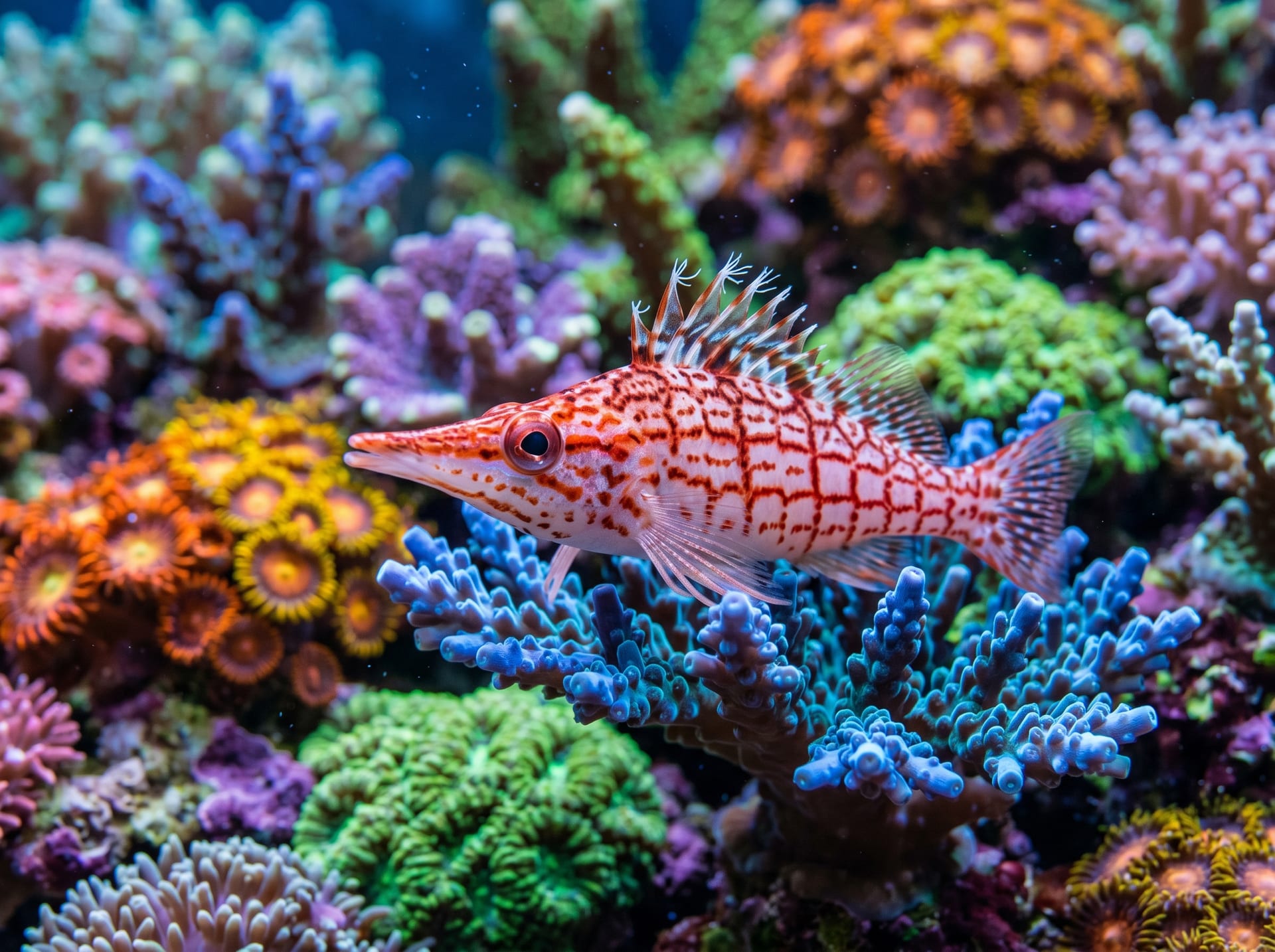
The Highfin Shrimp Goby (Stonogobiops nematodes) is a small saltwater fish in the Goby family (Gobiidae), known in English as the "Highfin Shrimp Goby." It is renowned for its symbiosis with pistol shrimp (Alpheidae family), forming a mutualistic relationship where the shrimp digs sand burrows as their dwelling while the goby stands guard at the entrance to watch for threats.
Growing to approximately 5–7 cm in body length, it is characterized by striking coloration featuring white base with reddish-brown vertical stripes. The elongated first dorsal fin (thread-like fin) is the origin of its name "Hirenga" (long fin).
Basic Information
| Item | Details |
|---|---|
| Scientific Name | Stonogobiops nematodes |
| English Name | Highfin Shrimp Goby |
| Origin | Indian and Pacific Oceans (southern Japan to Philippines and Indonesia) |
| Body Length | 5–7 cm |
| Lifespan | 3–5 years |
| Care Difficulty | Intermediate |
| Symbiotic Shrimp | Randall's Pistol Shrimp, Brevicristatus Pistol Shrimp, etc. |
Mutualistic Symbiosis Between Goby and Pistol Shrimp
The relationship between the Highfin Shrimp Goby and pistol shrimp is a particularly valuable symbiotic phenomenon to observe in aquarium keeping.
Respective Roles
| Organism | Role |
|---|---|
| Pistol Shrimp (Alpheus genus) | Digs and maintains burrows in sand. Nearly blind (partial vision loss) |
| Highfin Shrimp Goby (Goby) | Monitors for predators at burrow entrance. Vibrates tail fin to signal danger to shrimp |
Since the shrimp has no functional vision and cannot detect threats, the goby serves as the "eyes." When danger approaches, the goby rapidly vibrates its tail fin, prompting the shrimp to retreat into the burrow. The two spend nearly 24 hours in contact with each other at the burrow entrance, and when the goby darts into the hole, the shrimp follows immediately.
Types of Symbiotic Shrimp Required
Several types of pistol shrimp are available for purchase within Japan.
| Japanese Name | Scientific Name | English Name | Availability |
|---|---|---|---|
| Randall's Pistol Shrimp | Alpheus randalli | Randall's Pistol Shrimp | ◎ Widely available |
| Dance Shrimp | Alpheus djeddensis | — | ○ Moderate |
| Brevicristatus Pistol Shrimp | Alpheus brevicristatus | — | △ Domestic only |
Recommendation: Randall's Pistol Shrimp (Alpheus randalli) is widely distributed and relatively easy to obtain. It is often sold as an already-bonded pair with a goby, making purchasing an established pair the smoothest approach.
Tank and Substrate Preparation
Tank Size
| Number of Pairs | Recommended Tank |
|---|---|
| 1 pair | 45 cm or larger (30 cm depth minimum) |
| 2–3 pairs | 60–90 cm |
Important: The Highfin Shrimp Goby darts quickly into sand burrows when startled. Without a lid, jumping out and death are extremely common. Always ensure the tank lid is securely closed.
Substrate
Sand substrate for the pistol shrimp to dig burrows is the most critical element.
| Substrate Type | Grain Size | Depth | Recommendation |
|---|---|---|---|
| Coral Sand (fine grain) | 0.5–1.5 mm | 5–10 cm | ◎ Optimal |
| Aragonite Sand (fine grain) | 0.5–2 mm | 5–10 cm | ◎ Optimal |
| Coral Sand (medium grain) | 2–5 mm | 8–12 cm | ○ Good |
| Live Sand | Fine grain | 5–10 cm | ◎ Pre-colonized with bacteria |
Importance of Depth: Substrate that is too shallow (less than 5 cm) causes burrows to collapse, preventing the shrimp and goby from living comfortably. Maintain a minimum of 5 cm, ideally 7–10 cm of sand layer.
Establishing the Symbiotic Pair
When Purchasing an Already-Bonded Pair
- Select a pair where the goby and shrimp are already cohabiting in the shop tank
- After purchase, they will begin building burrows relatively quickly once placed in the tank
When Purchasing Goby and Shrimp Separately and Establishing a Pair
Step 1: Place the goby and shrimp together in a temporary tank with less substrate (or a small container)
Step 2: Initially, both may hide and not emerge. Wait several days to one week
Step 3: When the shrimp begins digging and the goby stays nearby, symbiosis is beginning
Step 4: Once the goby is observed sitting at the burrow entrance while maintaining body contact with the shrimp and watching outward, the symbiosis is fully established
Common Pair Bonding Failures
- The goby already has an established pair and refuses to accept a new individual
- After a shrimp dies, attempting to re-pair with a new shrimp (very time-consuming)
- Tank is too large, preventing the goby and shrimp from meeting (establish pair first in a small temporary tank before moving to main tank)
Feeding
The Highfin Shrimp Goby primarily feeds on microscopic organisms carried by water currents.
Recommended Foods
| Food Type | Feeding Method | Frequency |
|---|---|---|
| Frozen Copepods | Deliver via water current | Twice daily |
| Frozen Brine Shrimp | Deliver via water current | Twice daily |
| Microfine Pellets (Reef Roids, etc.) | Deliver via water current | Once daily |
| Small Dried Pellets | Deliver via water current | As supplement |
Feeding Tips: Use a dropper or feeding pipette to deliver food via water current near the burrow entrance. Since the goby spends most time stationary at the burrow entrance, creating a "drifting food" situation is essential.
Pistol Shrimp Feeding: The shrimp feeds on leftover food and detritus that settles on the sand, so dedicated feeding is unnecessary. Small amounts of sinking pellets supplement the shrimp's nutrition.
Tank Mate Compatibility
Compatible
- Ocellaris Clownfish (mid-water swimmers)
- Small gobies (those without symbiotic relationships)
- Small to medium peaceful fish in general
Incompatible
- Large or predatory fish (will prey on goby and shrimp)
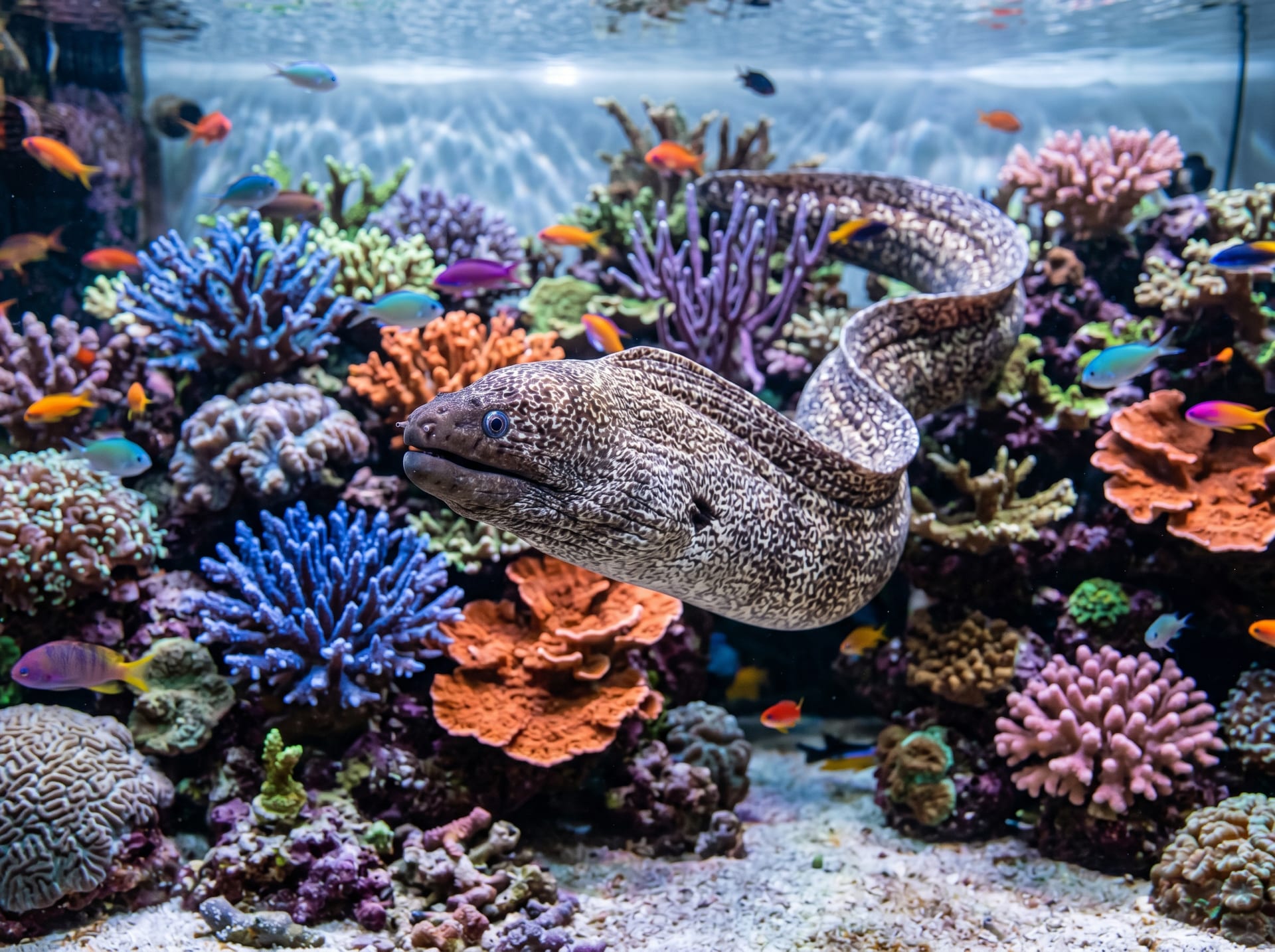
- Octopus or moray eel (will prey on shrimp)
- Fish that dig through sand (scorpionfish, large gobies)
- Other symbiotic pairs too close by (territorial disputes destroy burrows)
Multiple Pair Keeping: When maintaining 2–3 pairs in a 60 cm or larger tank, maintain a minimum spacing of 30–40 cm between each pair's burrows. If territories are too close, one pair may abandon their burrow.
Water Quality Management
| Parameter | Optimal Range |
|---|---|
| Temperature | 24–26°C |
| Specific Gravity | 1.023–1.025 |
| pH | 8.0–8.3 |
| Ammonia/Nitrite | 0 |
| Nitrate | 20 ppm or less |
No special water chemistry is required, but because sand substrate is used, detritus accumulates easily. Lightly siphon the top of the substrate regularly to prevent water quality deterioration.
Summary: The Joy of Recreating Natural Symbiosis in the Aquarium
Raising the Highfin Shrimp Goby and pistol shrimp transcends mere "fish keeping" to recreate the ecological drama of nature within your tank. Watching the shrimp dig sand, the goby stand guard at the burrow entrance, and the two communicate through tactile contact never grows old.
All that is needed is appropriate sand substrate, a lidded tank, and patience for the pair to establish. Once the pair stabilizes, this is a relatively low-maintenance and hardy combination. For those wishing to enjoy the mystery of nature's symbiosis at home, this care style is highly recommended.