CITES Regulations for Corals and Japan's Import & Sales Guide | Complete Legal Knowledge for Breeders
Explains the CITES (Washington Convention) Appendix II system covering nearly all species of order Scleractinia, along with the necessary documents, procedures, and precautions for importing, selling, and breeding corals in Japan. Summarizes practical knowledge for breeders to operate legally.
Key Takeaways
Explains the CITES (Washington Convention) Appendix II system covering nearly all species of order Scleractinia, along with the necessary documents, procedures, and precautions for importing, selling, and breeding corals in Japan. Summarizes practical knowledge for breeders to operate legally.
Related Species
Corals and CITES (Washington Convention) Basics
When keeping, selling, or importing corals, it is essential to understand the regulations of CITES (Washington Convention: the Convention on International Trade in Endangered Species of Wild Fauna and Flora). Japan acceded to CITES in 1980 and implements it through domestic laws: the "Foreign Exchange and Foreign Trade Control Act (FEFTA)" and the "Act on the Conservation of Endangered Species of Wild Fauna and Flora (Species Conservation Act)."
Appendix Classifications CITES classifies fauna and flora into three appendices based on regulatory levels.
- Appendix I:Commercial trade is prohibited in principle. Species threatened with extinction. Import is impossible unless the specimens are captive-bred.
- Appendix II:Trade is permitted under sustainable management. An export permit issued by the exporting country's government is required.
- Appendix III:Species registered by specific countries for their own protected species.
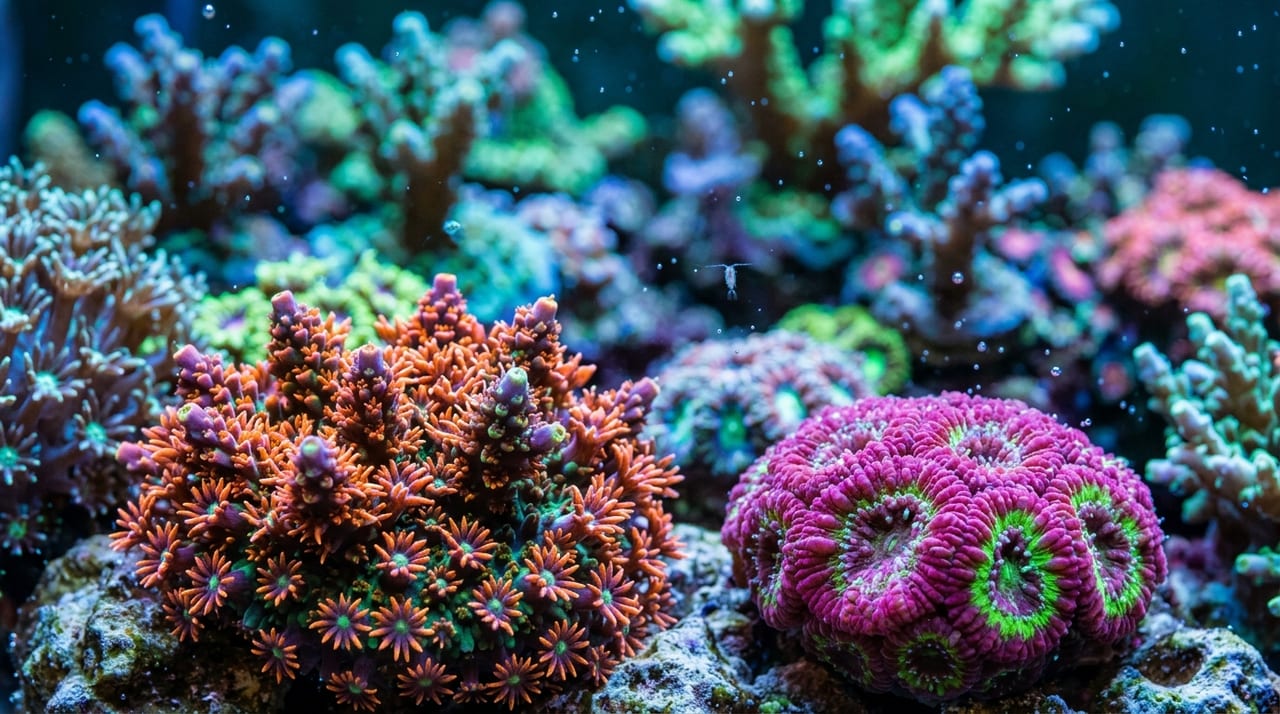
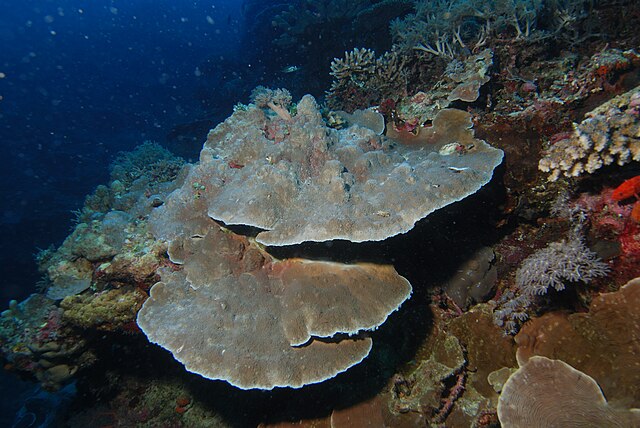
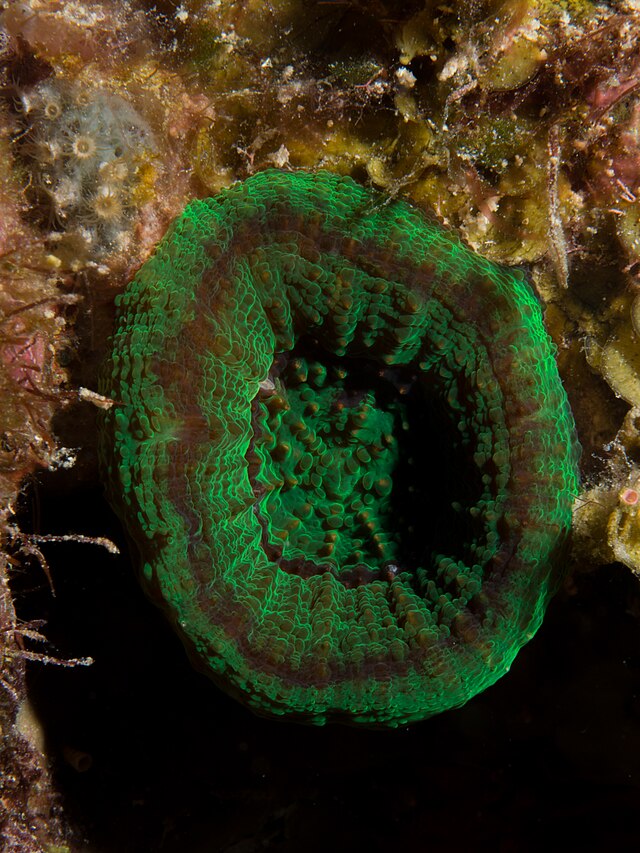
Nearly all species of order Scleractinia (stony corals) in the phylum Cnidaria, class Anthozoa, as well as the genus Millepora (fire coral) and some species of order Gorgonacea are listed in Appendix II. In other words, nearly all stony coral species popular in aquaria—such as Acropora, Montipora, Euphyllia (frogspawn corals), trumpet corals, and Scleractinia—are subject to CITES regulation.
Documents and Procedures Required for Import
When importing live corals from overseas, the following documents are required.
1. CITES Export Permit A certificate issued by the exporting country's government (typically by the environmental or agricultural authority). The original must be presented; copies or forgeries are not acceptable. The permit includes the species name (genus and species), quantity, origin (wild-caught or farmed), and intended use.
2. Import Notification (Japan) To bring animals and plants into Japan, the importer must obtain "import quota (IQ) or import authorization" from the Ministry of Economy, Trade and Industry based on the FEFTA. For Appendix II-listed species, obtaining import authorization is necessary.
3. Animal Quarantine Notification to the Ministry of Agriculture, Forestry and Fisheries and the Animal Quarantine Service is required. Live corals are treated as "aquatic animals," and inspections for disease and pest contamination are conducted.
4. Plant Quarantine If live rocks or algae are attached, inspection under the Plant Protection Act is also required.
Proof of Captive-bred Specimens When trading coral fragments (frags) bred domestically in Japan internationally, Appendix II applies, but having "proof of artificial breeding" makes obtaining permits easier. When breeders sell frags propagated domestically, this constitutes domestic trade, and CITES export permits are not required; however, compliance with the Species Conservation Act and the Act on Welfare and Management of Animals (discussed below) is necessary.
Legal Regulations for Domestic Sales and Purchase
Even when purchasing and selling corals domestically, several laws are involved.
Species Conservation Act Registration with the Minister of Economy, Trade and Industry is mandatory for transfer and display of international endangered species (international species: CITES Appendix I and II-listed species) (issuance of registration certificates). However, the "registration certificate system" applies primarily to Appendix I species. For Appendix II-listed corals, in practice, domestic distribution is permitted after proper documentation is assembled during import.
Act on Welfare and Management of Animals Corals are invertebrates and are not currently direct subjects of the Act on Welfare and Management of Animals (regulated "animals"). Whether registration as a Class I animal handler (for display or sales business) is required depends on what is handled; if only corals are handled, registration is generally unnecessary (fish are likewise outside the Type 1 registration scope; registration is required if you also handle mammals, birds or reptiles).
Invasive Species Act (Designated Invasive Species) Currently, common aquarium-cultured coral species are not designated as invasive species; however, target species are added with each law revision. It is recommended to develop a habit of checking the Ministry of the Environment's latest list before importing.
Export Regulations by Country and Countries Requiring Caution
Coral export regulations vary significantly by exporting country. The following describes the situation in major exporting countries.
Indonesia The world's largest coral exporting country. Managed under an annual quota system, requiring CITES export permits for various species. Recently, an increase in the proportion of farmed (mariculture) specimens has been requested.
Fiji The artificial breeding and mariculture industry is flourishing, and high-quality frags with CITES export permits are in circulation.
Australia Very strict export regulations are in place, and commercial export of wild-caught corals is virtually halted. Queensland products for export are, as a rule, mariculture specimens only.
Philippines and Vietnam Origins where over-harvesting and smuggling issues were previously reported. Verifying document authenticity is important.
Hawaiian (U.S.) Products The United States has its own regulations (ESA), and some endemic Hawaiian species are prohibited from export.
Practical Points Breeders Should Know
The following summarizes matters that breeders listing and selling corals on platforms like BreederDirect should verify in practice.
Selling Domestically-bred Frags Frags propagated domestically from legally imported corals (with CITES export permits and import authorization already obtained) pose no legal issues in domestic trade. Noting that the specimens are "domestically bred" when listing them increases buyer confidence.
Reselling Wild-caught Corals When reselling wild corals purchased from importers, verify that original import documents (copies of CITES export permits and import authorization certificates) are complete. Selling specimens without documentation risks violation of the Species Conservation Act.
Avoiding Specimens of Unknown Origin Inexpensive wild specimens of unknown origin sometimes circulate on social media and individual sales platforms. Both buyers and sellers should avoid illegal trade by strictly obtaining specimens through trusted channels.
Caution with Appendix I Corals Species listed in Appendix I, such as Millepora alcicornis (some fire corals), are prohibited from commercial trade in principle. Accurate species identification is essential to avoid accidentally listing Appendix I species.
CITES Amendment Trends and Future Outlook
CITES regulations for corals are being strengthened. The COP (Conference of the Parties) is held every three years, and appendix listings are reviewed and revised at each meeting. Recent major trends are as follows.
- Mariculture Specimen Preference:To reduce collection from natural reefs, specimens with farming certification are easier to obtain export permits for
- Promotion of Digital CITES:To prevent counterfeiting, many countries are transitioning to digital certificates
- Enhanced Monitoring of Non-CITES Species:Regulation of some soft corals and gorgonians (fan corals) currently unlisted in the appendices is under discussion
To stay current as a breeder, it is recommended to regularly check the official websites of the Ministry of the Environment's Nature Conservation Bureau and the Ministry of Economy, Trade and Industry, as well as the CITES official website's appendix database (cites.org).
Summary
While CITES regulations for corals may seem complex, the foundation is grasping this single point: "Nearly all species of order Scleractinia are listed in Appendix II, meaning CITES export permits from the exporting country are required at import." If selling only frags bred domestically, there are no major issues; however, developing a habit of verifying import sources and document consistency is essential literacy for long-term breeder operations. Let us work toward the sustainable development of the coral industry through lawful trade.