Coral Bleaching Recovery Guide | Treatment by Cause and Environmental Improvement
Explains recovery methods for bleached corals by cause. Introduces solutions for high water temperature, excessive light, and water quality deterioration.
Key Takeaways
Explains recovery methods for bleached corals by cause. Introduces solutions for high water temperature, excessive light, and water quality deterioration.
Related Species
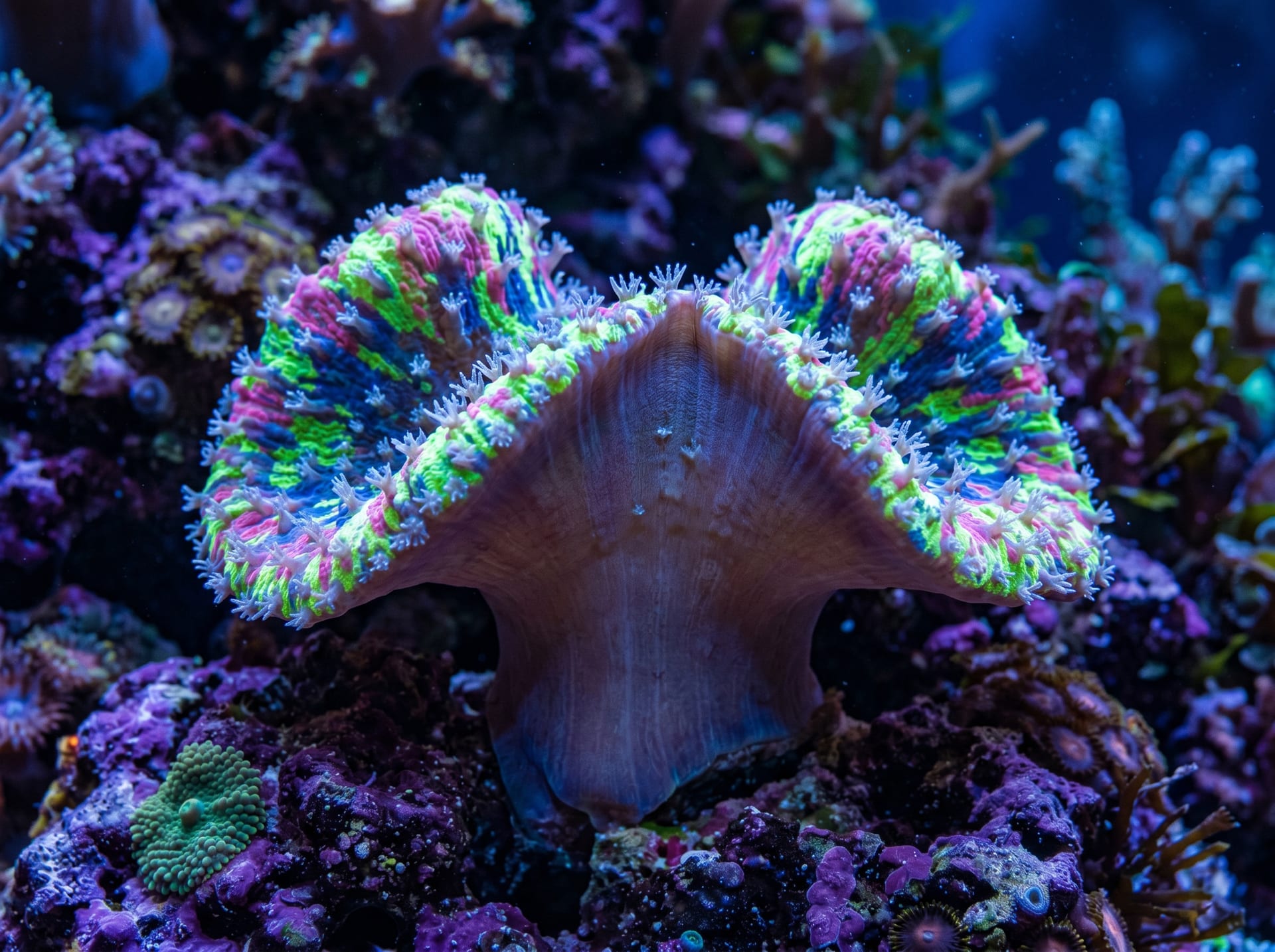
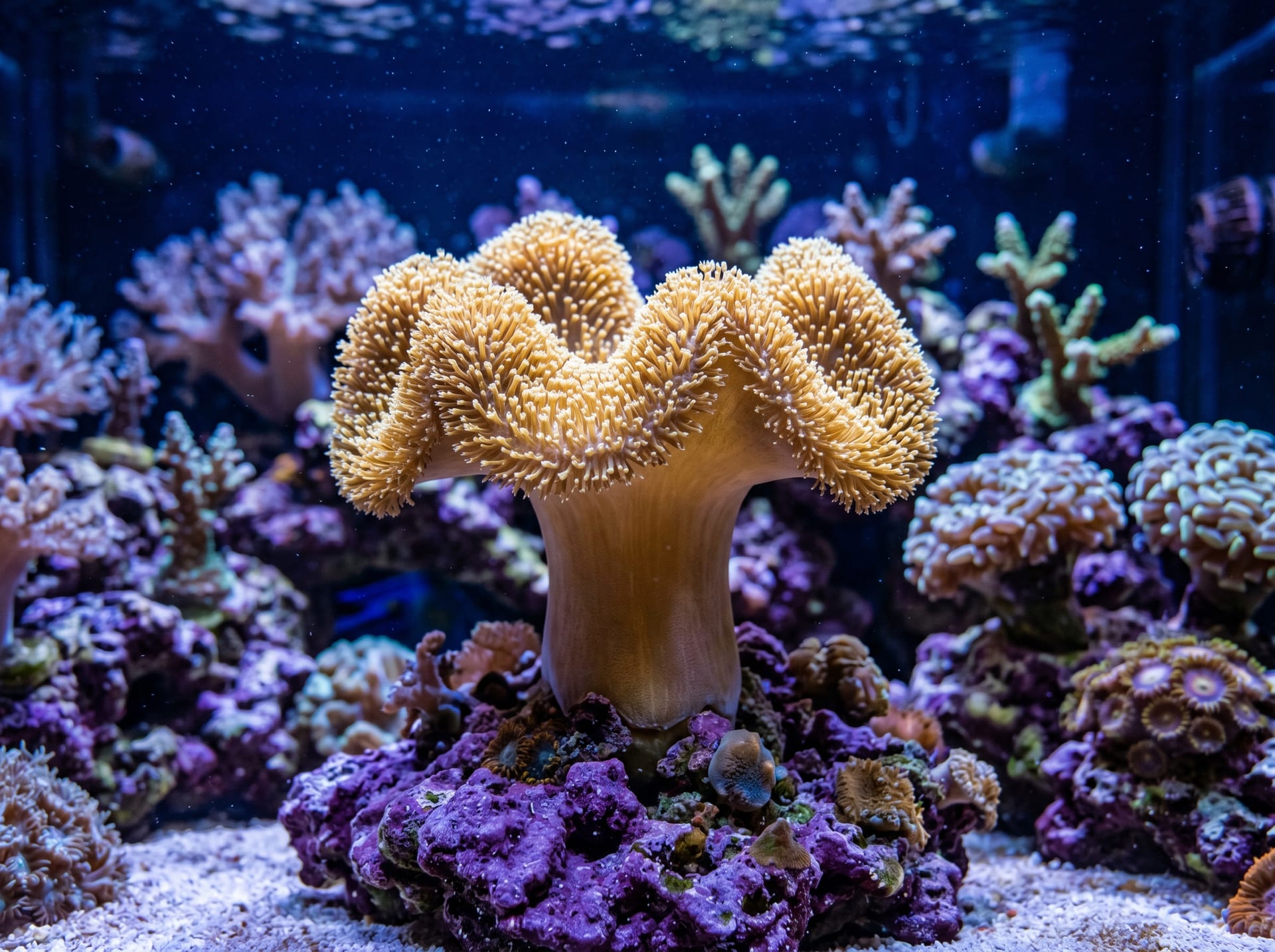
Coral bleaching is one of the serious problems that any saltwater aquarium keeper may experience. When you discover that a coral glowing with vibrant colors yesterday has turned completely white overnight, many are understandably panicked about how to respond. However, bleaching does not equal death. If you accurately identify the cause and promptly implement appropriate environmental improvements, recovery is entirely possible. This guide explains, in a systematic and practical way, everything from the mechanism of bleaching to cause-specific solutions and how to assess recovery.
Understanding the Bleaching Mechanism Correctly
Coral color is created by microscopic algae called "zooxanthellae" that live in symbiosis within the coral's tissue. Zooxanthellae reside within the coral's tissues and produce nutrients through photosynthesis, supplying these to the coral. In turn, the coral provides the zooxanthellae a safe habitat and the light necessary for photosynthesis—a remarkable symbiotic relationship.
However, when a coral experiences severe stress, this balance breaks down. Sensing changes in its internal environment, the coral expels the zooxanthellae from its body, or the zooxanthellae themselves cease their activities. As a result, the coral's own white limestone skeleton becomes visible, and this phenomenon is observed as "bleaching."
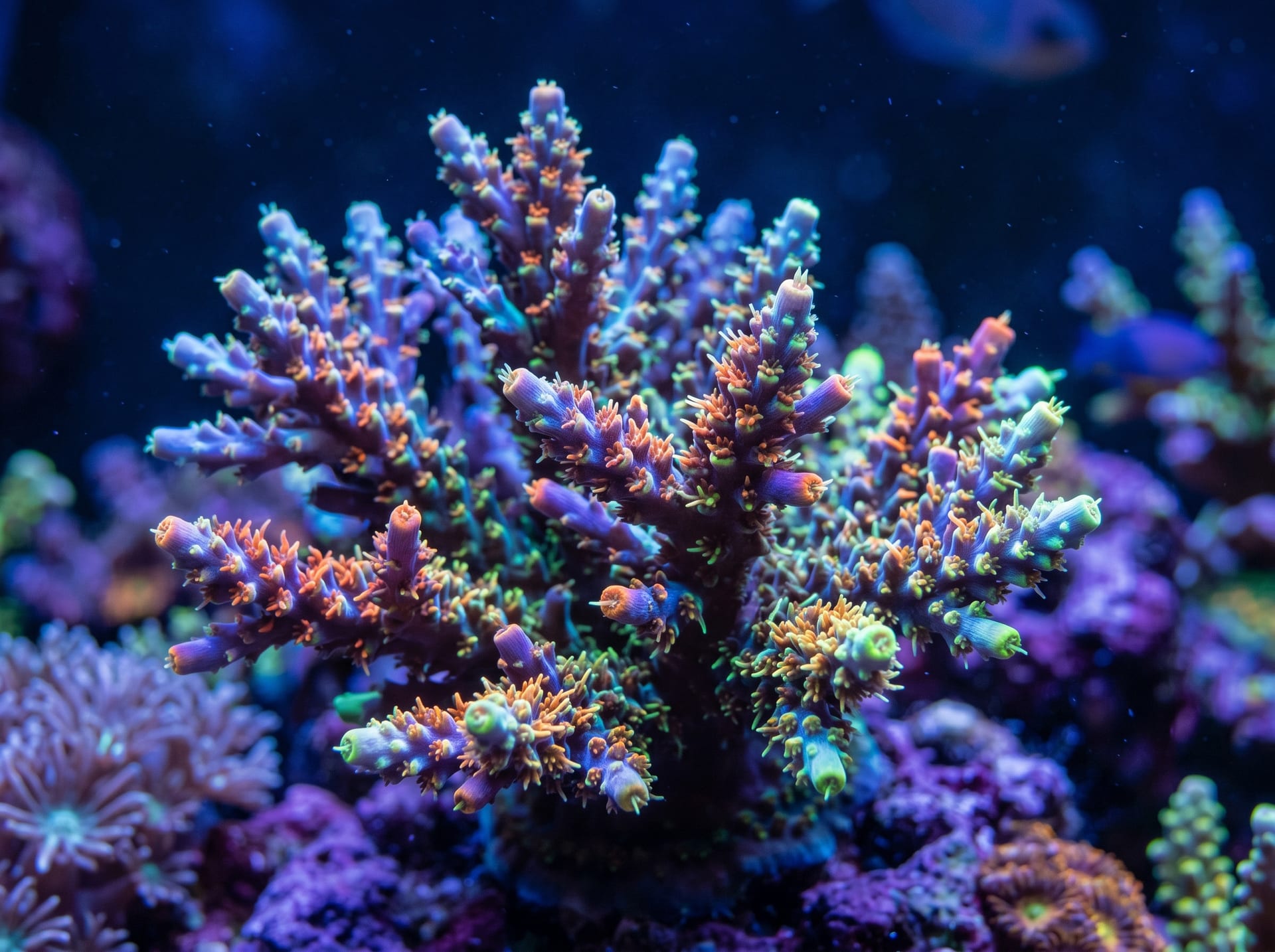
What is important to understand is that immediately after bleaching occurs, the zooxanthellae often remain within the coral's tissue, and if the environment improves, they can reactivate and the symbiotic relationship can recover. However, if the bleached state persists, the coral faces the risks of malnutrition and infection, ultimately leading to death. Early detection and prompt action are key to recovery. Additionally, fast-growing species like Acropora (branching corals) are particularly sensitive to environmental changes, making careful observation to catch early signs of bleaching crucial.
Cause 1: Bleaching Due to High Water Temperature
Rising water temperature is the most common cause of bleaching. Generally, if water temperature exceeds 28°C and persists for several days or longer, the bleaching risk increases dramatically. This is especially common in summer when room temperature rises or heat from lighting accumulates in the tank.
Emergency Measures and Solutions
- Immediately verify water temperature: Confirm the accuracy of your thermometer and establish the actual water temperature
- Run the aquarium chiller: If you don't have one, install a fan at the top of the tank to promote evaporative cooling
- Temporarily reduce lighting duration: Reduce heat input from the lighting
- Target water temperature is 24–26°C: However, avoid temperature drops of more than 1°C per day, as rapid changes add additional stress; lower the temperature gradually
Prevention Tips
During summer, a redundant cooling system is essential. Rather than relying on a single chiller, establish a backup system with both a chiller and fan to prevent rapid water temperature spikes if equipment fails. It's also reassuring to use alarm functions on your thermometer, setting it to notify you if the temperature exceeds your target range.
Cause 2: Bleaching Due to Excessive Light
If bleaching occurred after changing to new lighting or immediately after moving a coral to a higher position (closer to the light source), excessive light is suspected. This is also called "photobletching," occurring when excessive light energy damages the zooxanthellae.
Emergency Measures and Solutions
- Reduce lighting output to 50–60%: Gradually return it to normal over 1–2 weeks
- Move the bleached coral to a lower position or shaded area: Physically reduce direct light exposure
- Temporarily use semi-transparent sheets or shade cloth: Emergency shading measures are also effective
Prevention Tips
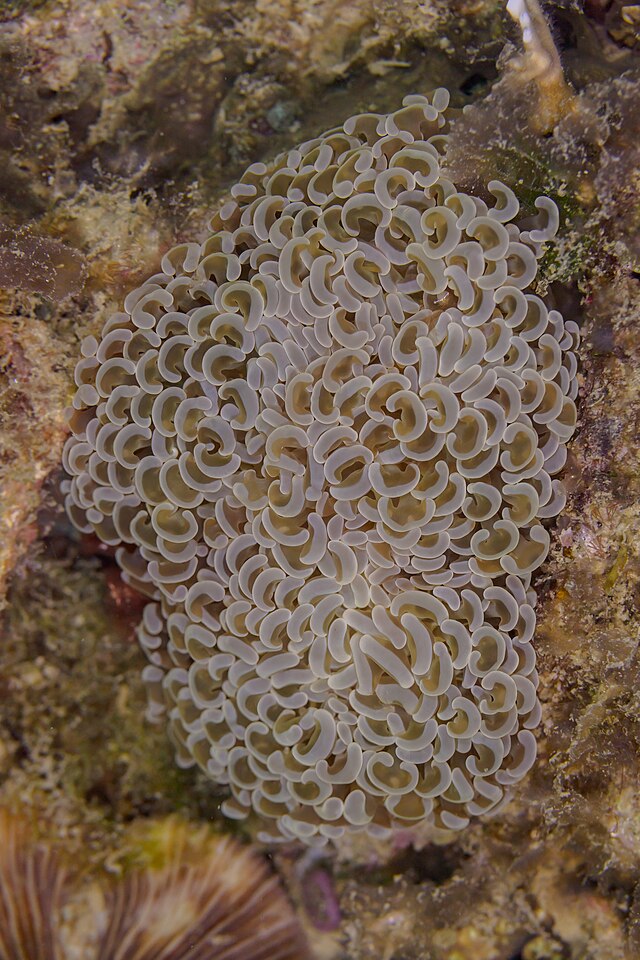
When introducing new corals, always start in the lower part of the tank or a shaded area, then gradually move them to their intended position over 2–3 weeks through "light acclimation." The same applies when changing lighting—start new lights at low output and short exposure duration, then increase gradually while observing coral response. Soft corals like mushroom anemones (Ricordea) and toadstool corals tend to be relatively tolerant of light changes, but large-polyp stony corals (LPS) like hammer corals often have individuals sensitive to light changes, requiring more careful acclimation.
Cause 3: Bleaching Due to Water Quality Anomalies
Rapid changes in water quality parameters also cause severe stress to corals. Sudden spikes in ammonia or nitrite concentration, pH instability, and rapid changes in salinity (specific gravity) can all trigger bleaching. This is particularly common in cases where a dead organism goes unnoticed or when large amounts of uneaten food decay.
Emergency Measures and Solutions
- Immediately test all water quality parameters: Check ammonia, nitrite, nitrate, pH, specific gravity, KH, calcium, and magnesium
- Perform a 25–30% water change: Use new water matched to temperature and specific gravity to avoid sudden changes
- Add absorbent media such as activated carbon or phosphate binders: Accelerate removal of harmful substances
- Check for any dead organisms: Inspect crevices in rocks and areas buried in substrate for decaying organisms
Basic Water Quality Target Values
| Parameter | Recommended Range |
|---|---|
| Salinity (Specific Gravity) | 1.023–1.026 |
| pH | 8.1–8.3 |
| KH (Carbonate Hardness) | 8–12 dKH |
| Calcium | 380–450 ppm |
| Magnesium | 1250–1350 ppm |
Determining Recovery from Bleaching
Whether a bleached coral is on the path to recovery can be assessed with the following indicators.
Signs of Positive Recovery
- Light brown or yellow coloration gradually returns: Evidence that zooxanthellae are re-establishing. Changes typically appear within 2–4 weeks
- Polyps are opening: Even if completely white, if polyps are extending, the coral is still alive
- Tissue retains translucency but is not peeling: If tissue remains healthy, recovery is possible
Signs Recovery is Unlikely
- Tissue begins peeling as if dissolving (RTN/STN): Rapid tissue necrosis or slow tissue necrosis is progressing, with infection risk to other corals
- Skeleton becomes exposed and green algae begins growing: Algae is attaching to already-dead sections
- Polyps remain closed for extended periods with no response: If unresponsive for 1–2 weeks or longer, recovery prospects are poor
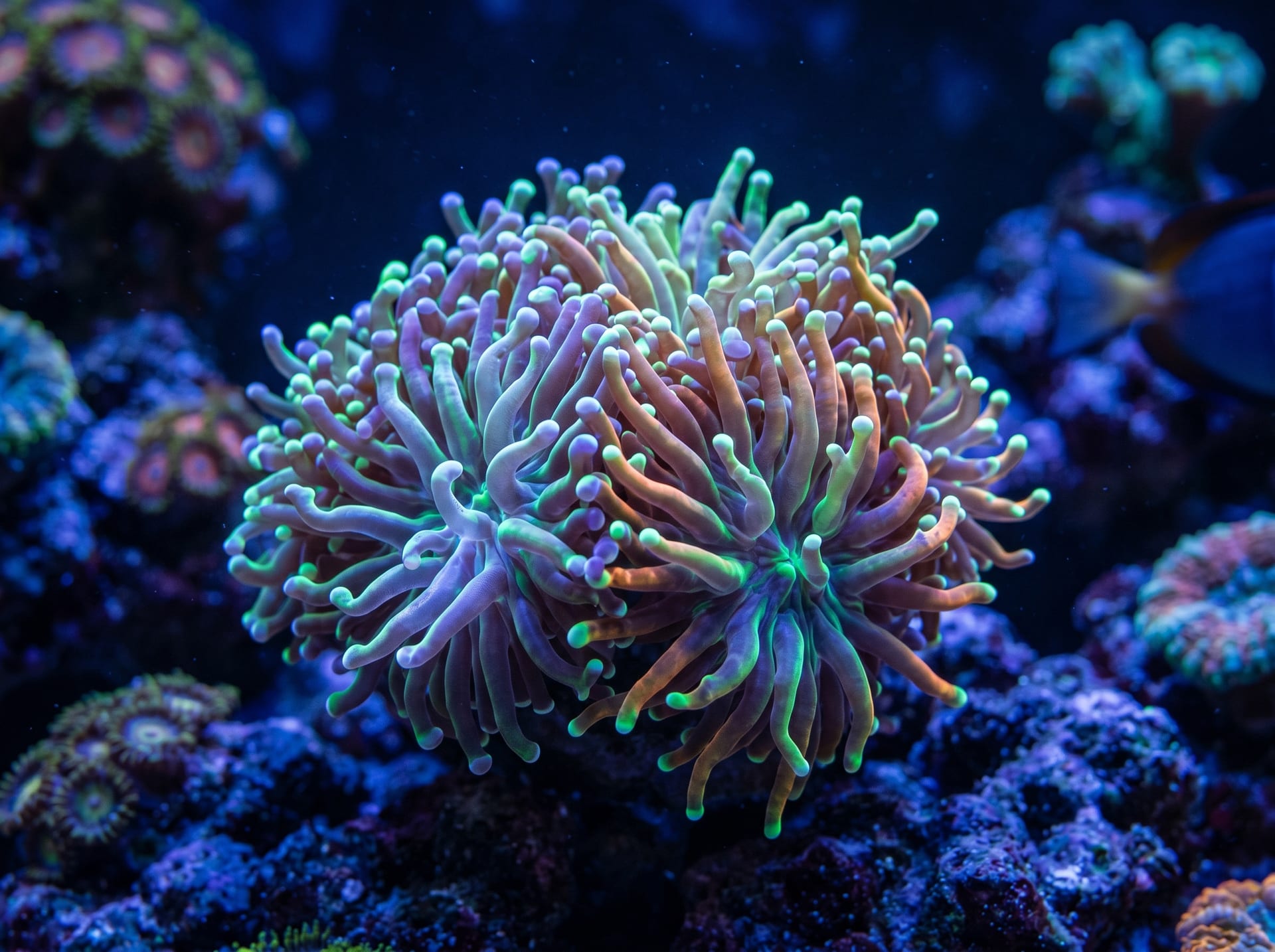
Recovering corals have compromised immunity, making it the top priority to stabilize water flow, water temperature, and water quality. Additionally, bleached corals are susceptible to secondary bacterial infections like brown jelly syndrome, so daily observation is essential. LPS species like trumpet corals degrade particularly easily during recovery, so keep water flow gentle during this period and minimize stress stimuli.
BreederDirect's Safety and Assurance System
Coral bleaching can often be recovered from with proper knowledge and prompt action. However, each aquarium environment is unique, and sometimes information from books or the internet alone is insufficient to make informed decisions.
A major advantage of BreederDirect is that you can purchase corals directly from experienced breeders with years of coral cultivation and propagation experience, and aftercare support is also a realistic expectation. When bleaching occurs, sharing photos of the affected area and water quality data with your breeder can provide valuable advice on narrowing down the cause and identifying specific solutions.
Additionally, breeders listed on BreederDirect maintain a wide range of species—including Acropora, trumpet corals, and mushroom anemones—in healthy conditions in their own tanks, selling stable individuals. This means less introduction stress and reduced bleaching risk. Selecting healthy individuals is the first step in bleaching prevention.
If you encounter challenges in coral keeping, don't hesitate to reach out to BreederDirect's breeders. Their knowledge and field experience will surely provide invaluable support.