Power Backup Guide for Coral Tanks | Protecting Your Precious Livestock During Outages
A guide to power outage countermeasures and backup power solutions for coral tanks. Covers comparisons of UPS, portable power stations, and generators, priority equipment during outages, and strategies for extended blackouts.
Key Takeaways
A guide to power outage countermeasures and backup power solutions for coral tanks. Covers comparisons of UPS, portable power stations, and generators, priority equipment during outages, and strategies for extended blackouts.
Related Species
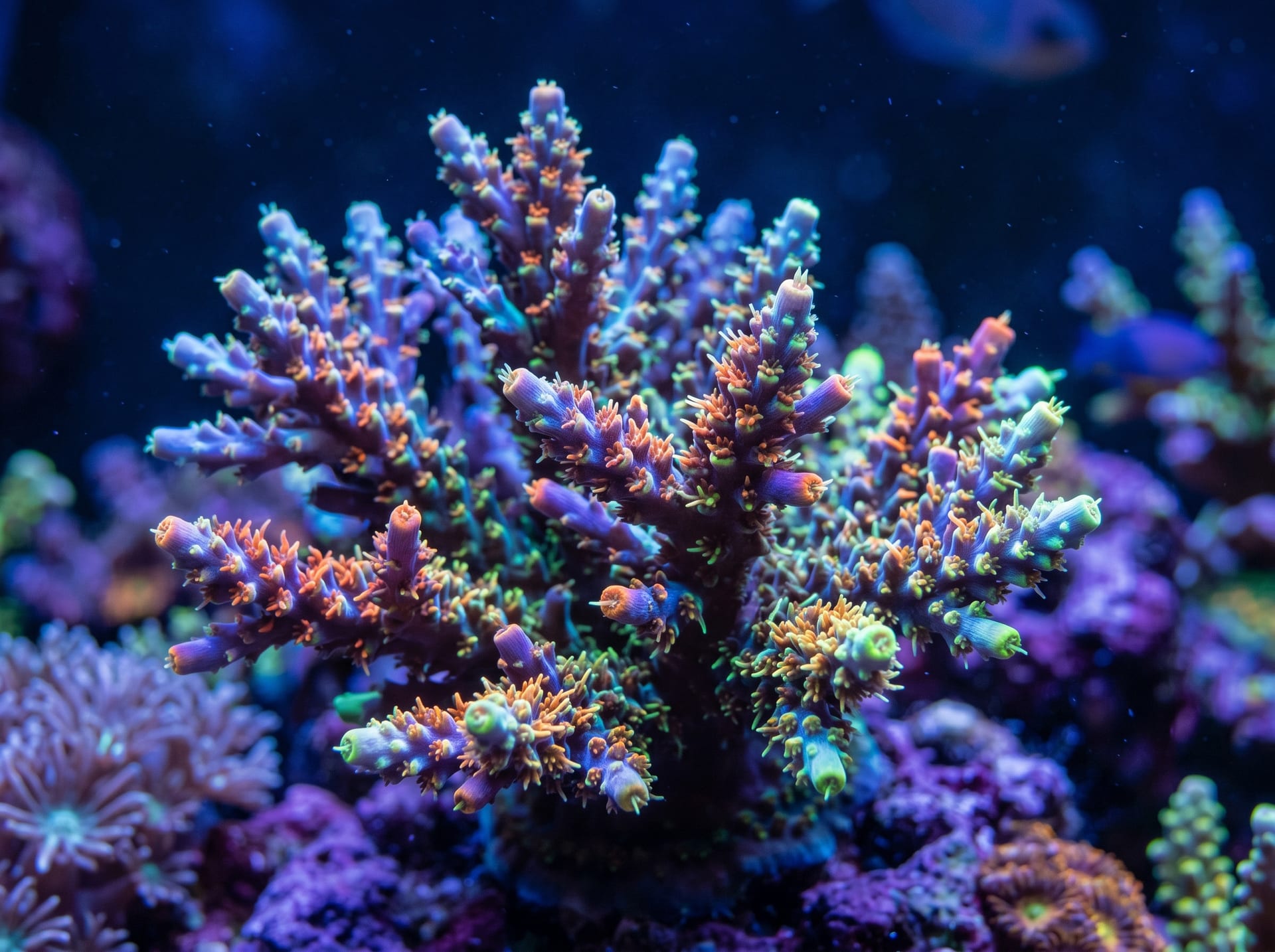
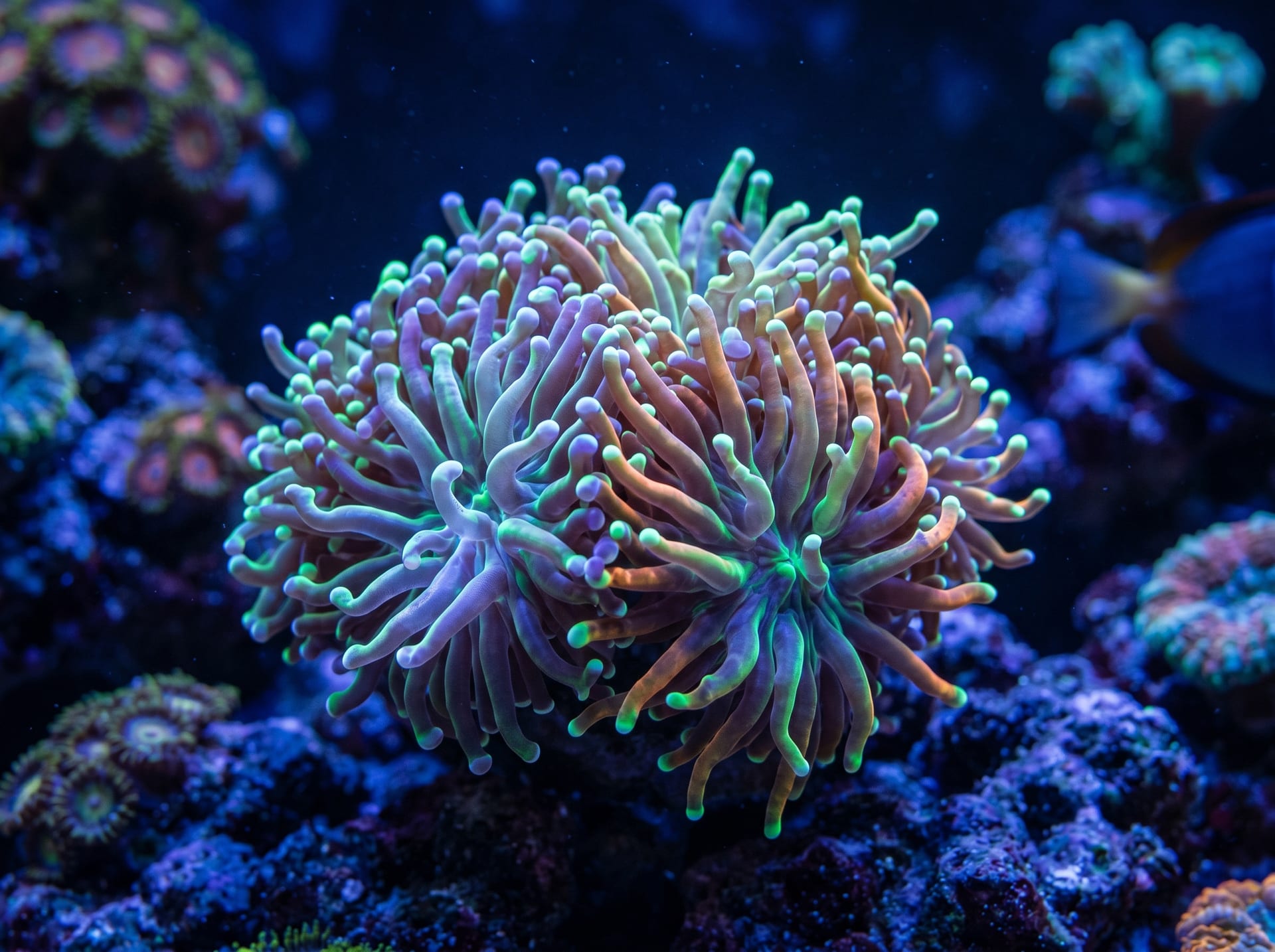
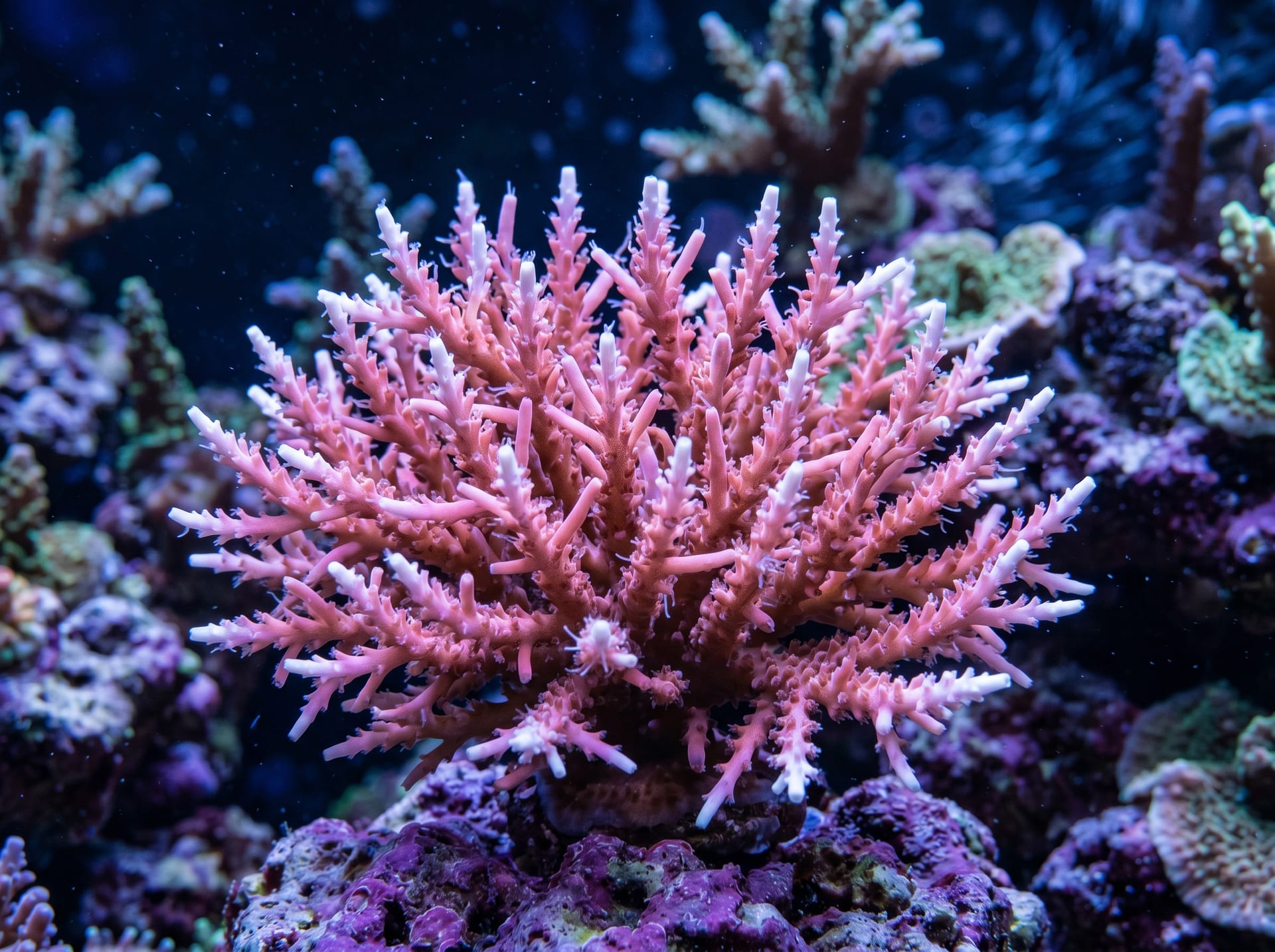
Coral tanks rely on numerous electrical devices, and power outages represent one of the greatest risks to tank collapse. If the water circulation pump stops, oxygen in the water becomes depleted; if the heater stops, water temperature drops; if the protein skimmer stops, water quality deteriorates rapidly. Japan is a country prone to natural disasters, and the risk of extended power outages from typhoons or earthquakes is far from negligible. This article explains coral tank power outage countermeasures in stages and proposes preparations to protect your precious livestock.
What Happens to a Coral Tank During a Power Outage
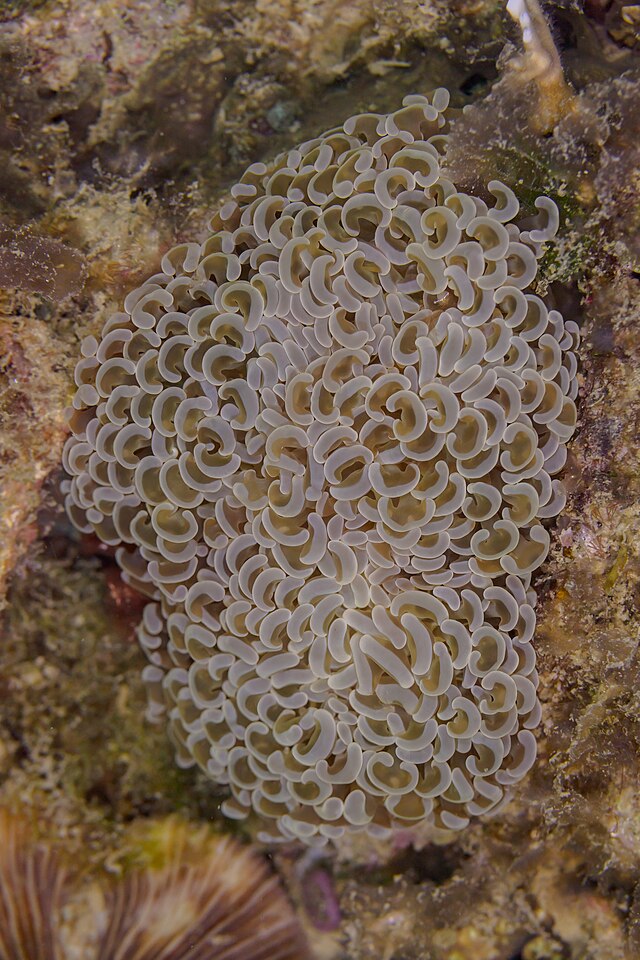
When a power outage occurs, multiple problems progress simultaneously in a coral tank. The most immediate issue is "water circulation stoppage." When the circulation pump stops, dissolved oxygen in the water drops rapidly, and in sealed tanks with lids, oxygen can reach dangerous levels in 30 minutes to an hour. Fish rely on gill respiration to absorb oxygen, so oxygen deprivation is a direct cause of death. Corals also breathe; at night especially, they cannot photosynthesize and consume oxygen. Next comes "temperature changes." In winter, water temperature drops, and stress increases the further conditions deviate from the optimal 25–26°C for corals. In summer, the air conditioning cuts out, room temperature rises, and water temperature spikes accordingly. Above 30°C, the risk of coral bleaching increases sharply, and Acropora and other SPS are particularly intolerant of temperature fluctuations—even brief rises can trigger bleaching. In contrast, Hammer Coral and other LPS are relatively resistant to environmental changes and tend to maintain their condition better during outages. "Protein skimmer stoppage" causes organic matter to accumulate, creating a risk of ammonia spikes. "Lighting stoppage" impacts coral photosynthesis but is not fatal over a few days.
Coping with Short-Term Outages (1–4 Hours)
For planned outages or brief power cuts (1–4 hours), minimal measures often protect your livestock. The top priority is "water surface agitation." Set a battery-powered air pump in the tank to supply oxygen through aeration. Battery-powered air pumps cost around 2,000–3,000 yen and are essential equipment for all coral keepers as a first investment in outage preparedness. Keep spare batteries on hand. Even manually stirring the water surface provides temporary oxygen. Next is "temperature management." In winter, covering the tank with bath towels or blankets slows temperature decline. Placing foam boards against the tank's sides is also effective. Disposable hand warmers attached to the outside of the tank (not submerged) provide modest warmth. In summer, open windows for ventilation and use a fan or paper fan to blow air across the water surface, promoting evaporative cooling. Protein skimmer stoppage over a few hours is not a serious concern, but avoid feeding during the outage.
Preparing for Medium to Extended Outages (4–24+ Hours)
For outages exceeding 4 hours, more robust backup is necessary. The most effective solution is a "portable power station (portable battery)." A 500–1000Wh portable power station can run your circulation pump (10–30W) and heater (100–200W) for several to more than a dozen hours. Many manufacturers such as EcoFlow, Jackery, and Anker offer products in this range. When choosing, ensure the output wattage covers your tank's power consumption, the capacity supports your target runtime, and the output is pure sine wave. Cheap modified sine wave products risk damaging precision equipment. "UPS (uninterruptible power supply)" devices are widely sold for computers but can also work for tanks. Since they automatically switch to battery power the moment an outage occurs, they handle power loss even when you are away. However, their small capacity makes them unsuitable for extended use. Using one to power only the circulation pump for a few hours of backup is practical.
Prioritizing Equipment During Outages
Since portable power station capacity is limited, deciding which equipment to prioritize during an outage is critical. Priorities are as follows. First place goes to the "circulation pump." It is the most important equipment for oxygen supply and water quality uniformity. Low power consumption (10–30W) means good battery endurance. Second place goes to the "heater" (winter) or "cooling fan" (summer). Maintaining water temperature is essential for livestock survival. Heaters consume significant power (100–300W) and drain batteries quickly. Reduce the set temperature 2–3°C below normal to conserve energy. Third place is the "air pump." If circulation is running, aeration is supplementary, but if circulation fails, a battery-powered air pump becomes a lifeline. "Lighting" and "protein skimmer" can be left off during outages without concern. Corals survive days without light, and skimmers have limited impact over short periods.
Long-Term Outage Preparedness and Disaster Planning
Review your outage strategy and preparedness once a year. Verifying battery charge levels, checking battery expiration dates, and understanding equipment power consumption are basics. If possible, invest in a portable power station with solar panels—with extended outages, you can recharge your batteries and maintain your tank almost indefinitely. If you have a gasoline-powered generator at home, running all tank equipment during an outage is your strongest defense, but due to exhaust concerns, operate it outdoors and supply power via extension cables. As part of disaster planning, write and post near your tank a checklist of minimum steps to take during an outage—this way your family can respond. A format like "① Check circulation pump → ② Switch to battery → ③ Set up air pump → ④ Stop feeding → ⑤ Open lid for ventilation" is easy to understand.
Backup Power Source Comparison Table
| Type | Capacity | Expected Runtime | Price | Features |
|---|---|---|---|---|
| Battery-powered air pump | — | 4–12 hours | ¥2,000–3,000 | Minimal oxygen supply. Essential for all keepers |
| UPS (uninterruptible power supply) | 300–600VA | 1–3 hours | ¥10,000–25,000 | Instant switchover. Ideal for circulation pumps |
| Portable power station | 500–1000Wh | 3–12 hours | ¥30,000–100,000 | Runs multiple devices |
| Gasoline generator | 900–1600W | Depends on fuel | ¥30,000–80,000 | All equipment operational. Outdoor use only |
Getting Outage Prep Advice from BreederDirect
Outage preparedness is "insurance" for your coral tank. At BreederDirect, you can consult with coral breeders about typhoon season and winter outage risks, including the backup power solutions and outage strategies they actually use. Since different species like Seriatopora and Frogspawn Coral vary in environmental tolerance, confirming compatibility with a breeder before purchase gives you peace of mind. Preparing to protect your precious corals is a fundamental part of responsible care.