Complete Guide to Moving & Relocating Coral Aquariums | Safe Tank Transfer Procedures to Protect Living Organisms
A complete guide to safely moving and relocating coral aquariums. From preparation to day-of procedures, transport management, and post-relocation recovery care—detailed steps to protect your living organisms.
Key Takeaways
A complete guide to safely moving and relocating coral aquariums. From preparation to day-of procedures, transport management, and post-relocation recovery care—detailed steps to protect your living organisms.
Related Species
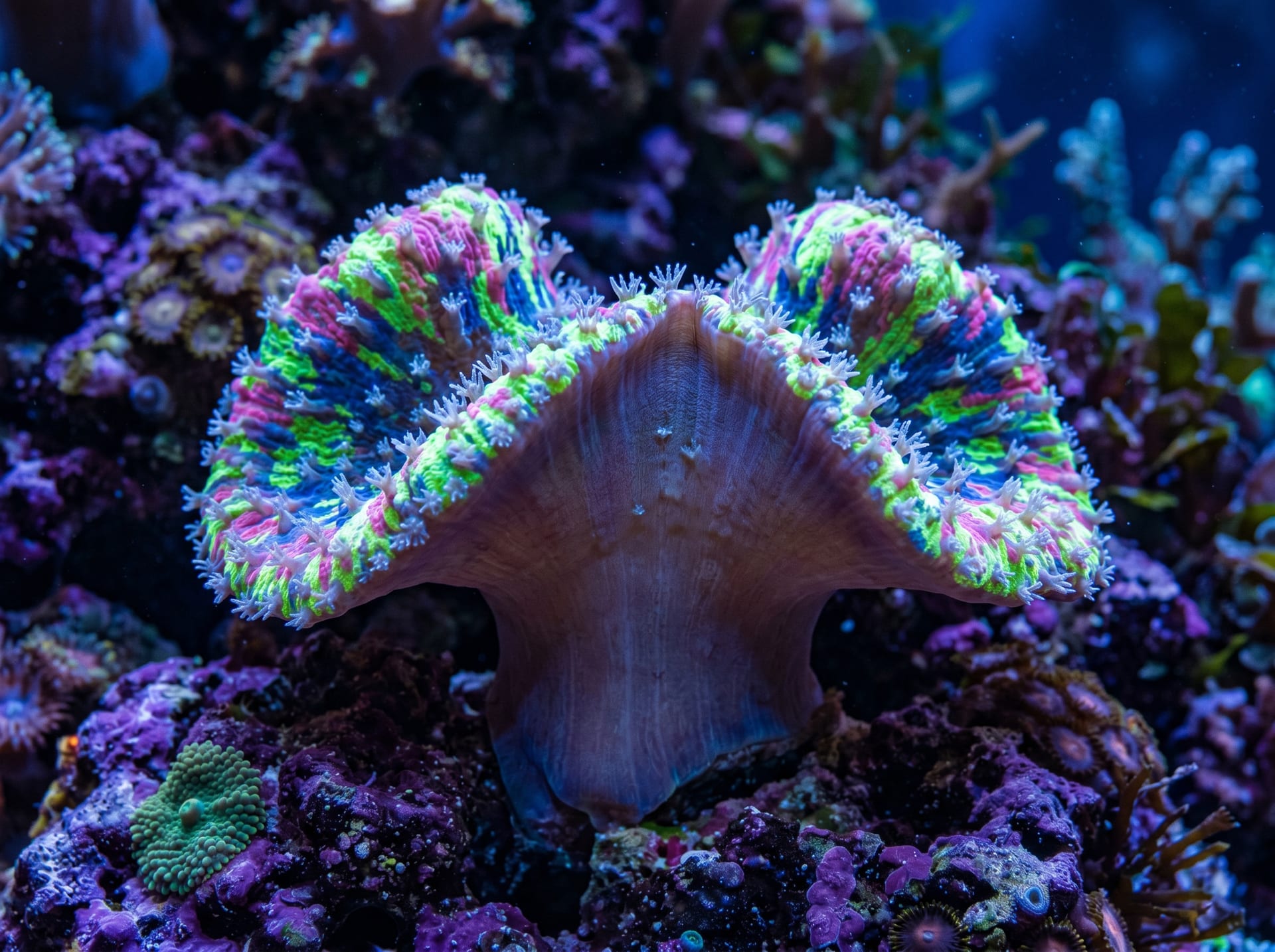
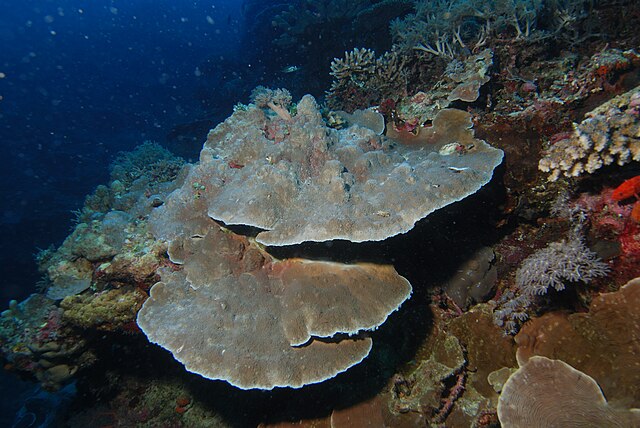
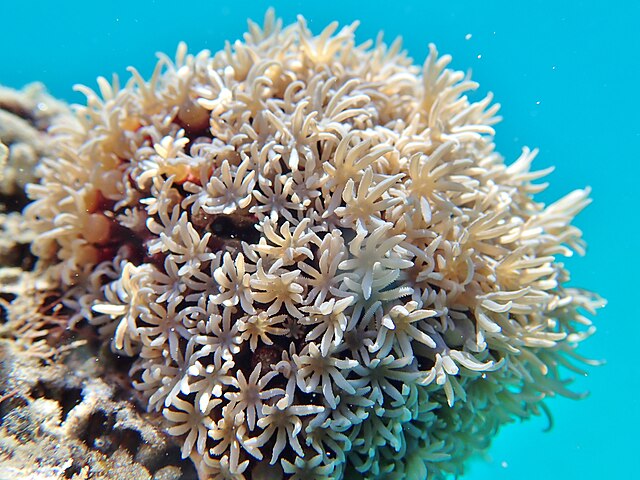
Moving or relocating a coral aquarium is far more risky than relocating a standard tropical fish tank. Corals are highly sensitive to water quality fluctuations, and without proper temperature, salinity, pH, and KH levels, they can bleach and die within a short period. This guide explains safe step-by-step procedures, from moving within a room to comprehensive tank relocation at a new location.
Preparation Before Moving (2 Weeks Prior~)
Beginning preparations two weeks before your move significantly impacts organism survival rates. First, increase water change frequency to maintain optimal tank conditions, and adjust all water quality parameters (KH, calcium, magnesium, nitrate) to ideal levels. Do not introduce any new organisms at this time.
List necessary transport materials and prepare them in advance. Essential items include:
- Multiple buckets (20L+): for storing tank water
- Air pump and battery-powered aeration: backup for power outages
- Thermostat-equipped heater
- Styrofoam boxes: transport containers for corals and fish
- Light-blocking bags or towels: protection from direct sunlight and impact
- pH meter, hydrometer, thermometer: for post-relocation water quality verification
- Bacterial supplements: for filter bacteria replenishment
If the new tank location is ready, begin "water cycling" the new tank one week before the move to allow bacteria to establish—this is a safer approach.
Day-of Procedures: Water and Organism Preparation
Preserving the aquarium water is the top priority. Transfer as much current water as possible into buckets—ideally 70–80% or more of your tank volume. Reuse this water during transport and at the new location to minimize pH shock and salinity fluctuations.
Removing live rock is the next step. Keep live rock with attached corals submerged in buckets of tank water. Extended air exposure causes symbiotic algae (zooxanthellae) to halt photosynthesis, prolonging recovery. Target no more than 5 minutes of air exposure for live rock during relocation.
Coral removal order:
- Soft corals (mushroom corals, cabbage corals): relatively hardy, can be removed last
- LPS corals (stony corals like flower corals, large polyp stony corals): after polyps retract
- SPS corals (acropora, montipora): most delicate—handle first and quickly
Capture fish last. Attempting to catch fish first causes disturbance in the tank, damaging corals—counterproductive.
Transport Management: Temperature and Oxygen Are Lifelines
For transport times under 2 hours, "bucket transport" using battery-powered air pumps and heaters is practical. In summer, use cooling packs (placed outside the bucket, not directly in water); in winter, use hand warmers or insulation to keep buckets warm.
Temperature maintenance target: keep variance within ±1°C before and after relocation. Greater fluctuations trigger bleaching.
For transport times exceeding 2 hours or long-distance moves, we strongly recommend consulting professional aquarium relocation services or specialty fish shops. For tanks with substantial SPS collections, the value of organisms often far exceeds relocation costs, making professional services cost-effective in most cases.
Setup at New Location: Reinstall in Careful Order
Upon arrival at the new location, equalize water temperature before returning organisms.
Recommended return order:
- Live rock (establish filter bacteria first)
- Aquarium water (prioritize preserved old water)
- Add new saltwater gradually to fill remaining volume
- SPS corals
- LPS corals
- Soft corals
- Cleanup crew (hermit crabs, clams)
- Fish
For the first 24 hours after reintroduction, minimize lighting (6 hours or less) to reduce coral stress. Set water flow low initially, then gradually increase to normal strength over 48 hours.
Post-Relocation Water Quality Management and Recovery Care
The two weeks following relocation constitute a recovery period requiring closer monitoring. Daily checks should include:
- Water temperature (target: 26–27°C, within ±0.5°C)
- Specific gravity (target: 1.025–1.026)
- pH (target: 8.1–8.3)
- KH (target: 8–10 dKH)
Weekly checks: Calcium (400–450 ppm), magnesium (1,280–1,350 ppm), nitrate (5 ppm or below)
If coral polyps don't open within 5–7 days, suspect nitrate or phosphate accumulation, or excessive lighting. If SPS begins bleaching from the tips (RTN/STN), isolate the specimen and consider localized treatment with iodine-based medications.
Two to three weeks post-relocation, once water parameters stabilize and all coral polyps open normally, return lighting duration and intensity to original settings. Perform additional water changes (10–20%) at days 3–5 and days 10–14 post-relocation to support bacterial re-establishment and suppress nitrate spikes.
Common Mistakes and Solutions
Mistake 1: Rushing the process and water temperature drops
→ Prepare two battery-powered heaters, one per bucket. Have spare batteries ready.
Mistake 2: Exposing live rock to air for extended periods
→ Prepare multiple buckets with tank water for live rock in advance. Minimize air exposure time.
Mistake 3: Fish thrashing and damaging corals after relocation
→ Capture fish last. At the new location, introduce fish last as well—only after corals have settled.
Mistake 4: Lighting at new location is too intense
→ Keep lighting weak and brief for the first week, then gradually return to original settings over time.