Complete Guide to Cat Breeding Management | Estrus Cycle, Breeding Plans, and Pregnancy Care in Practice
From understanding the feline estrus cycle to timing for mating, selecting a stud cat, and managing maternal health during pregnancy, this guide comprehensively covers all aspects of breeding management that breeders should implement.
Key Takeaways
From understanding the feline estrus cycle to timing for mating, selecting a stud cat, and managing maternal health during pregnancy, this guide comprehensively covers all aspects of breeding management that breeders should implement.
Cat Breeding Management — Fundamentals for Breeders
✍️
BreederDirect Editorial
The BreederDirect editorial team specializes in care information for animals, covering veterinary care and breeding to deliver beginner-friendly guides.
Find Cats on BreederDirect
Buy directly from verified breeders
Browse Related Listings
Find Cats listings related to this article on BreederDirect. Buy directly from verified breeders.
Cat breeding is often thought to be something that should be left to nature, but proper breeding management can increase the birth rate of healthy kittens and minimize stress on parent cats. This article covers everything breeders should implement, from understanding estrus cycles and establishing breeding plans to managing health during pregnancy.
Understanding the Feline Estrus Cycle
Female cats are seasonally polyestrous animals. They enter estrus repeatedly during spring through autumn when daylight hours are long, and in indoor environments may cycle year-round due to artificial lighting. However, Class 1 animal dealers have a duty to manage light environment according to natural photoperiod through daylight or artificial lighting, and using artificial lighting to intentionally control estrus and reproduction is not permitted.
Stages of Estrus
Stage
Duration
Characteristics
Proestrus (発情前期)
1–2 days
Behavioral changes and vocalization begin
Estrus (発情期)
3–7 days
Acceptance of mating · lordosis posture
Metestrus (発情後期)
7–14 days if unmated, then return to estrus
Pseudo-pregnancy possible if unmated
Anestrus (無発情期)
Autumn–winter (short-day conditions)
Estrus cessation
Cats are induced ovulators, so ovulation only occurs with mating stimulation. In other words, if breeding does not occur during estrus, ovulation will not happen and estrus will recur after 2–3 weeks. This characteristic is critical for breeding schedule management.
Confirmed negative status for FIV (feline immunodeficiency virus) and FeLV (feline leukemia virus)
Verification of vaccination history
Breed and Phenotype Assessment
Skeletal structure, coat color, and eye color conforming to breed standard
Temperament (docility and human socialization)
Pedigree Management
Calculation of inbreeding coefficient (review pedigree within 5 generations)
Avoid concentration of identical bloodlines
Timing of Mating
The 2nd to 3rd day after estrus onset shows the highest pregnancy rates. Multiple matings (typically 2–3 times) increase the likelihood of ovulation and fertilization.
Precautions When Using an External Stud
Exchange health examination results before bringing the female
To reduce stress, transport the female to the male's environment (the reverse often causes territorial issues)
Separate after 1–2 weeks of breeding to allow the male's physical recovery
Confirming and Managing Pregnancy
Methods of Confirming Pregnancy
Method
Timing
Characteristics
Palpation
3–4 weeks post-mating
Fetal palpation by experienced veterinarian
Ultrasound
18–21 days post-mating
Heartbeat detection possible · most reliable
Radiography
45+ days post-mating
Effective for counting fetuses
Nipple pinking often appears 2–3 weeks after mating and is an indirect sign of pregnancy.
Feline Gestation Period and Nutritional Management
The average feline gestation period is 63–65 days (range: 58–72 days).
Nutrition During Pregnancy
Early pregnancy (weeks 0–4): Maintain normal food intake
Late pregnancy (weeks 4–9): Caloric demand increases 25–50%; transition to kitten or nursing formula recommended
Nursing period: Demand increases further (depending on litter size)
Things to Avoid
Excessive handling or abdominal pressure
Live vaccine administration (generally contraindicated during pregnancy)
Unapproved use of parasiticides (consult a veterinarian first)
Birth Preparation
1–2 weeks before the expected delivery date, set up a nesting box (queening box) in a quiet, dark location.
Nesting Box Requirements
Size: Large enough for the mother to stretch out comfortably (minimum: 60×80 cm)
Material: Non-slip surfaces and easy-to-clean construction
Lid or partial lid: Provides security for mother and warmth for kittens
Location: Quiet room with minimal foot traffic
Beginning one week before birth, encourage the mother cat to become familiar with the nesting box.
Managing Breeding Frequency and Maternal Rest
International cat breed registries (TICA, CFA, etc.) and many quality breeders self-impose limits on female breeding frequency.
Recommended Breeding Frequency
A maximum of 2 litters per year is the standard practice for most breeders
Continuous pregnancy and nursing significantly depletes maternal health
If specific genetic diseases (such as HCM) appear, the decision to exclude the cat from breeding is necessary
Retirement from breeding is typically around 5–6 years of age. Breeding at an advanced age increases the risk of dystocia, miscarriage, and fetal abnormalities. This guideline roughly aligns with legal limits. The Animal Care Management Standards Ordinance specifies that female cats may be mated only up to 6 years of age, and only up to 7 years if lifetime parturition does not exceed 10 times as documented in breeding records. Without such documentation, the exception does not apply, and mating at 7 years or older constitutes a violation of standards (this provision has been in effect since June 1, 2022). Note that cats have no lifetime parturition limit; the limit applies only to dogs (a maximum of 6 times).
Genetic Disease Screening
Responsible breeders perform the following before breeding.
Breed-Specific Screening
FIV/FeLV testing
Periodic cardiac ultrasound for HCM (hypertrophic cardiomyopathy)
Breed Examples
Breed
Primary Genetic Diseases
Screening Method
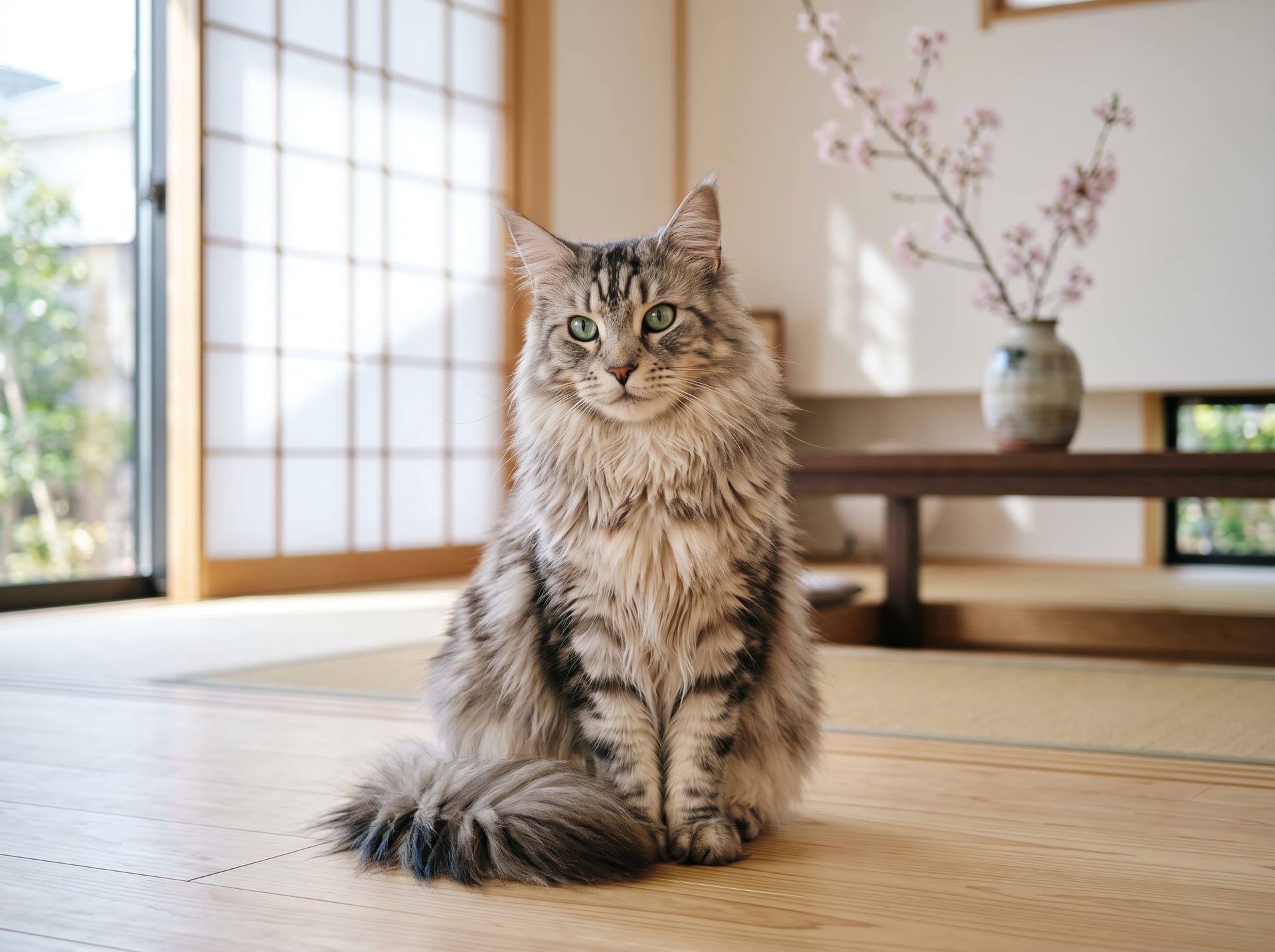
Maine Coon
HCM
Ultrasound (MYBPC3 genetic testing also recommended)
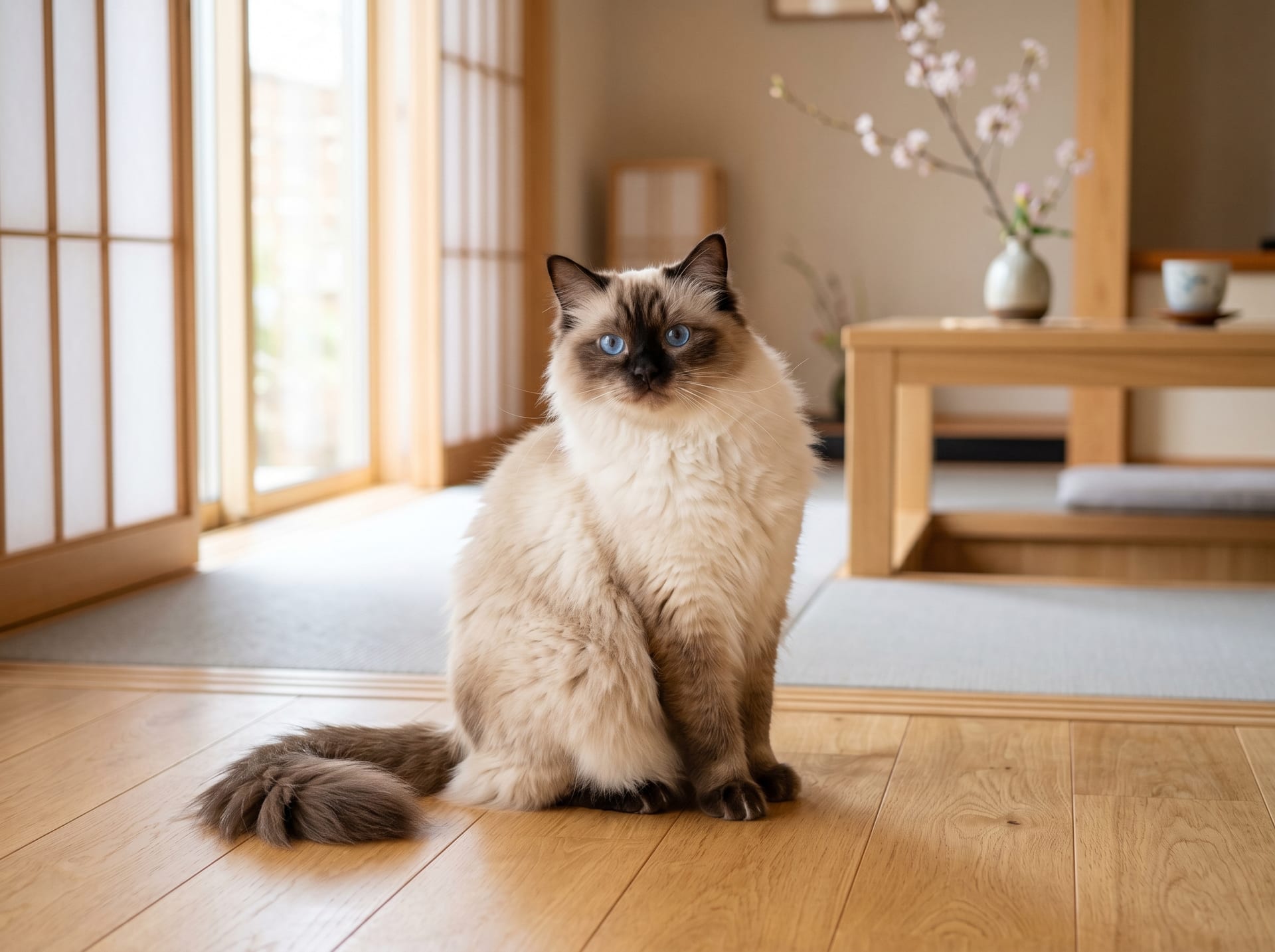
Ragdoll
HCM
Ultrasound (MYBPC3 genetic testing)
Scottish Fold
OCD (osteochondrodysplasia)
Radiography · genetic testing
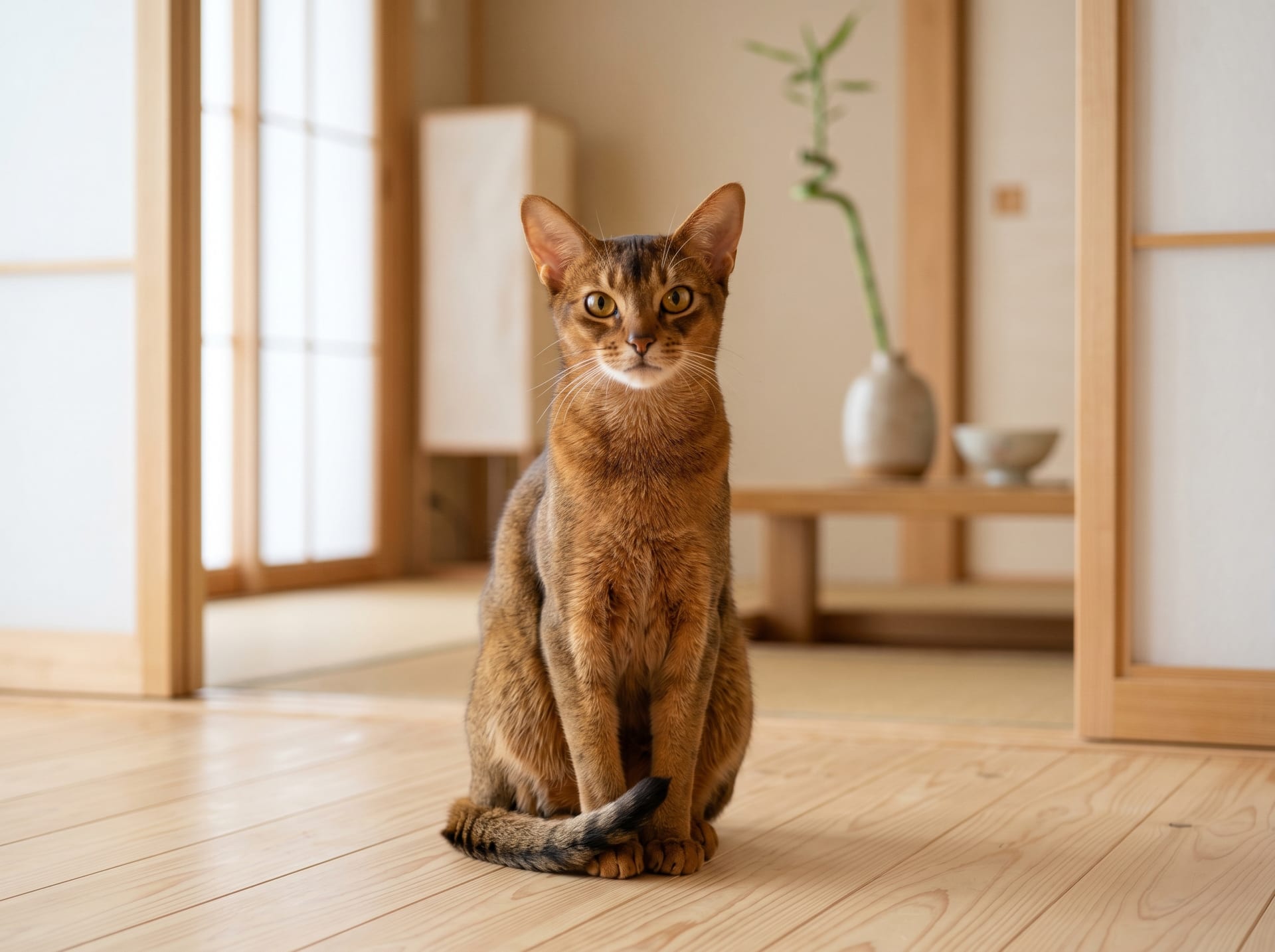
Abyssinian
PRA (progressive retinal atrophy)
Genetic testing
Persian
PKD (polycystic kidney disease)
Genetic testing · ultrasound
Using cats with genetic diseases for breeding represents an ethical problem for kittens and buyers, so screening should never be neglected.
Conclusion
Cat breeding management consists of four pillars: understanding estrus cycles, selecting healthy stud cats, appropriate care during pregnancy, and genetic disease screening. Rather than simply "letting nature take its course," taking a deliberate and scientific approach enables breeders to produce healthy kittens and protect the long-term health of parent cats. Remember that a breeder's responsibility extends beyond the moment the kittens depart for their new families.