Bird Vocalization & Speech Training Guide | Teaching Your Bird to Speak and Managing Voice
Learn how to teach parrots and macaws to speak, canary song training, and budgie vocalization education. This guide clearly explains the timing of speech training, how to teach words, and noise management strategies.
Key Takeaways
Learn how to teach parrots and macaws to speak, canary song training, and budgie vocalization education. This guide clearly explains the timing of speech training, how to teach words, and noise management strategies.
Related Species
Bird Speech Ability and Its Diversity
Bird vocalization ability varies greatly by species.
| Species | Speech and Vocalization Characteristics |
|---|---|
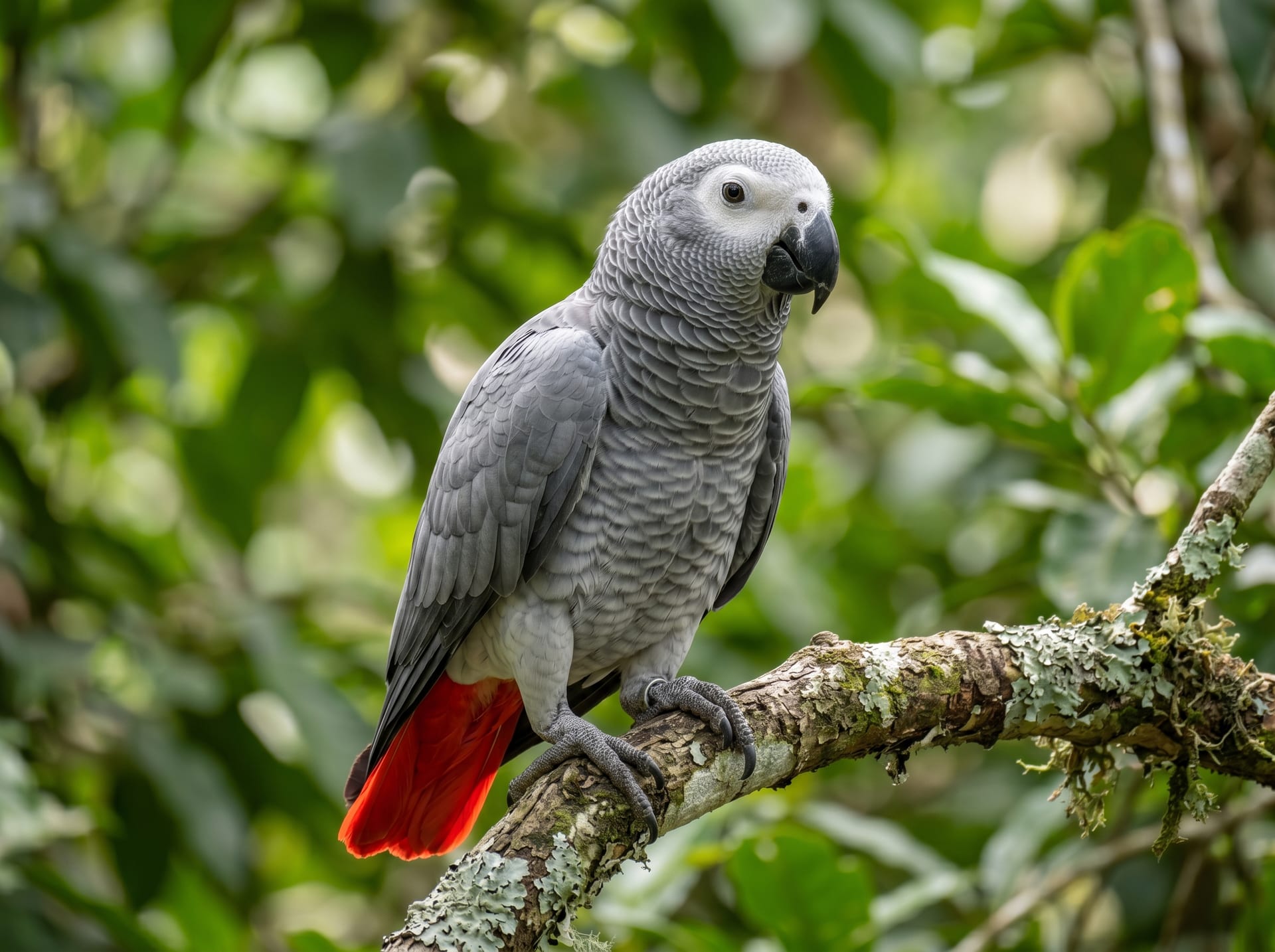
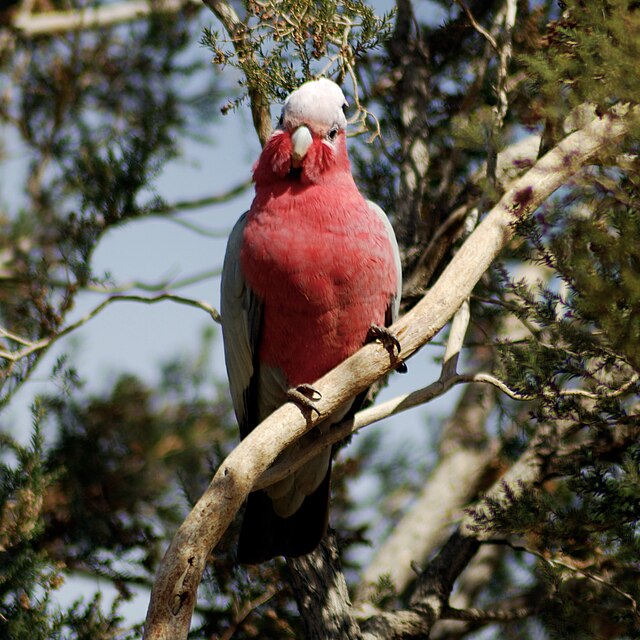
| Macaw, African Grey Parrot, Galah | Possess the highest level of speech mimicry ability, with records of learning over 100 words. African Grey Parrots in particular excel at contextually appropriate vocalizations and emotional expression, often appearing to speak with understanding |
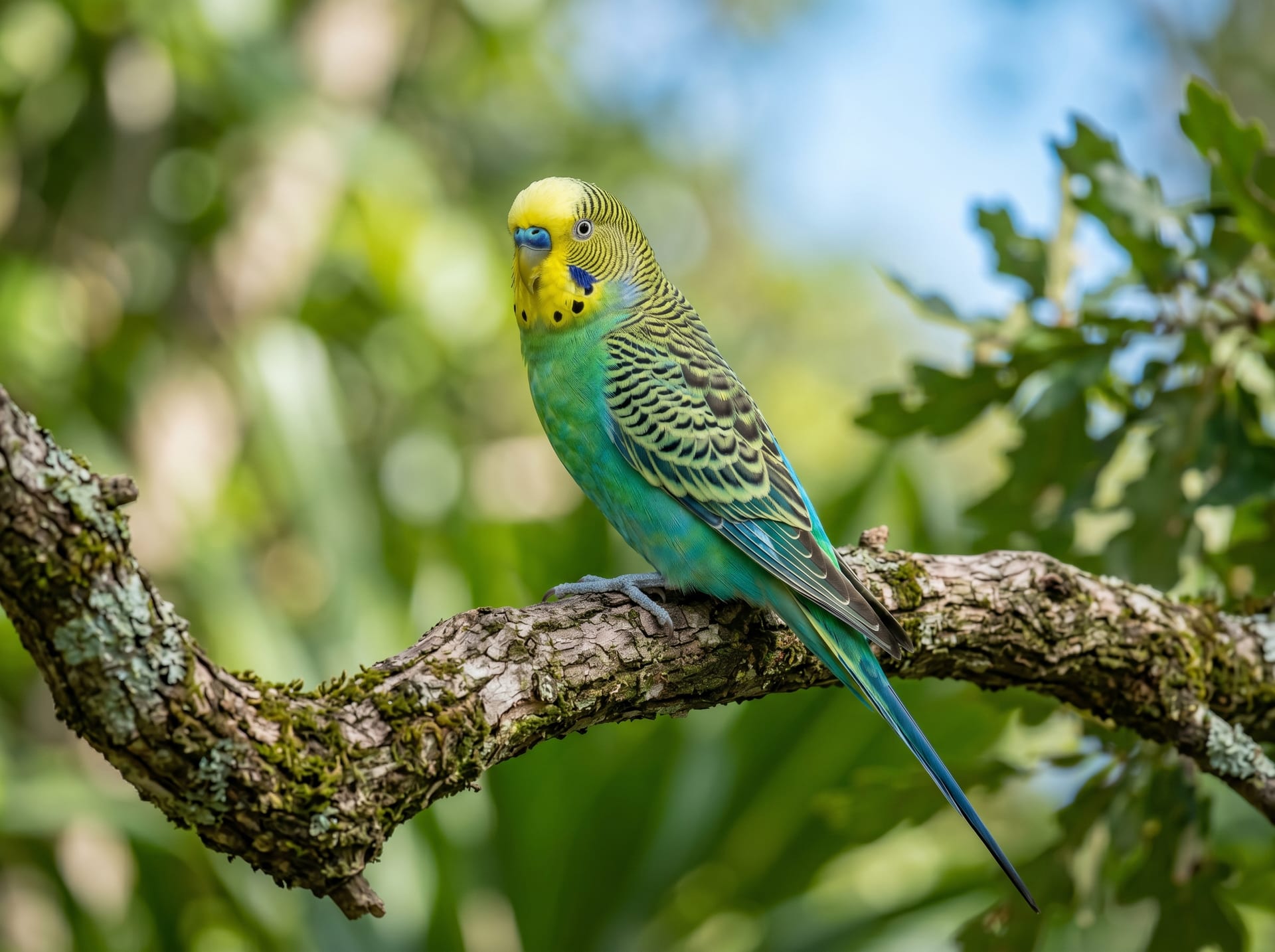
| Budgerigar | Possess adequate speech ability, with males especially capable of learning dozens of words |
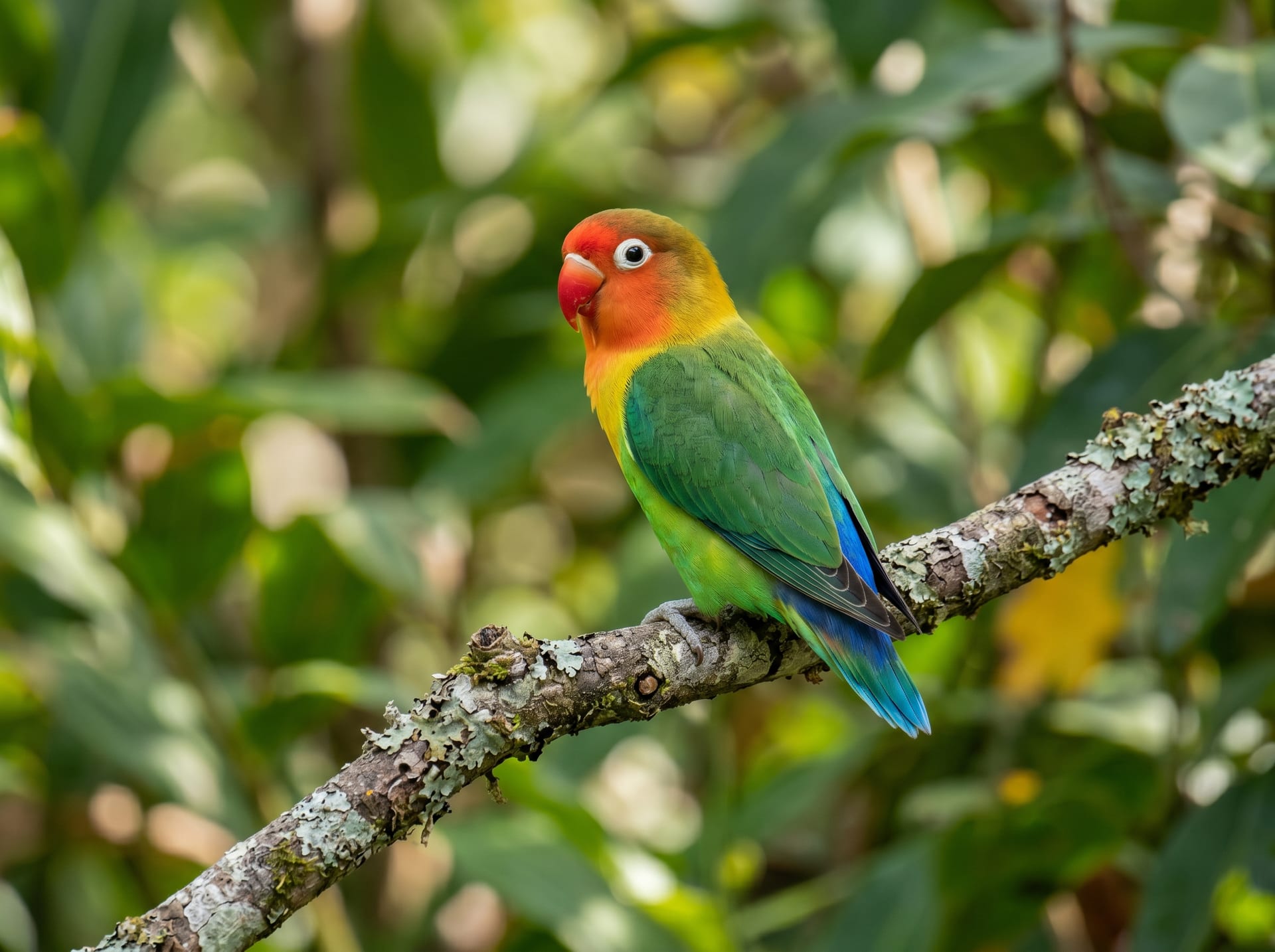
| Peach-faced Lovebird | Rather than speaking clearly, they produce a characteristic repetitive, soft muttering vocalization |
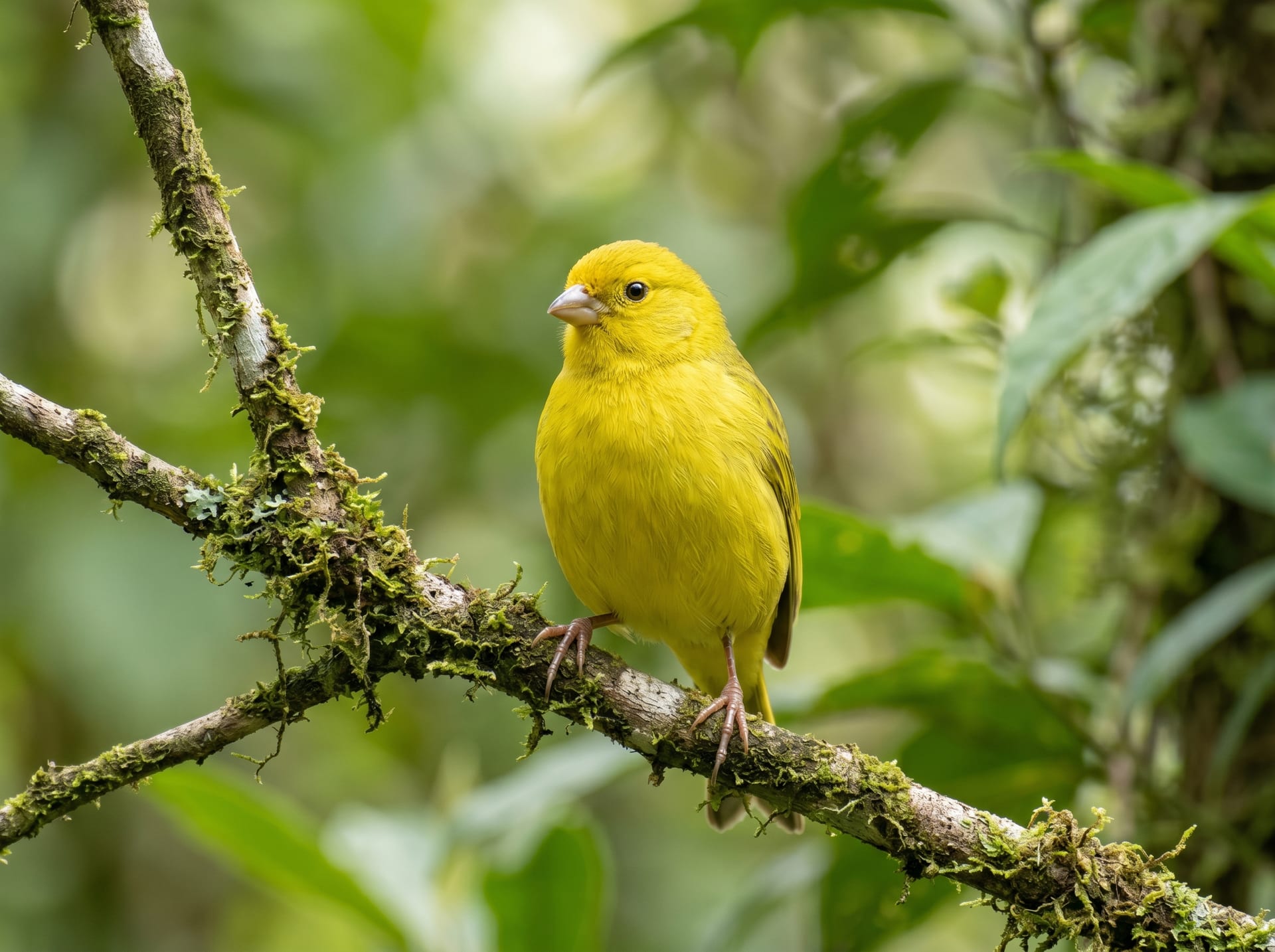
| Java Sparrow, Canary | Their charm lies in beautiful song rather than speech; their vocalization development is fundamentally different |
The important point is that "not all individuals can speak." Even siblings from the same species and parents show vast differences—some highly vocal, others silent. Sex (males tend to learn more readily), upbringing environment, and frequency of human contact all significantly influence ability. If you hope for speech, it is essential to be prepared to love your bird even if it never speaks—this mindset is crucial for building a long-term, fulfilling relationship.
Basic Principles of Speech Training
Identifying the Optimal Training Period
The juvenile period (from weaning until around one year of age) represents a "critical period" for vocalization development and is the easiest time for learning. Acquisition is possible in adult birds, but requires more repetition and time. When first bringing a bird home, prioritize acclimation to the new environment; begin training once the bird has settled in.
Start with Short, Rhythmic Words
Short words with 2-3 syllables—such as "hello," "goodbye," and "yummy"—are ideal for beginners. Words with rising intonation or built-in repetition tend to be easier to learn. Speaking the same words at consistent times daily—"hello" at wake-up, set phrases before meals—helps establish them as patterns.
Consistent Positive Reinforcement
When your bird vocalizes a word or produces an approximate sound, immediately praise in a bright tone and offer a favorite treat. Feedback timing is critical—if delayed more than 3 seconds, the bird may not associate the reward with the desired behavior. Over-reacting to failures or scolding will inhibit your bird and backfire.
Short, Frequent Training Sessions
Ideally, conduct 3-4 focused sessions of 5-10 minutes each per day. Prolonged continuous training fatigues your bird and diminishes interest in vocalizing. Learning efficiency improves when training occurs in a one-on-one setting where you make eye contact and keep your face close. Avoid environments with TV or other bird sounds, which create distractions—train in a quiet room.
Canary Song Training
Canary song training requires a different approach than speech training. Male canaries develop their song based on models they hear during the juvenile period; therefore, "exposing them to high-quality vocal models" is the core of training.
Play recordings of renowned canary singers, such as Roller Canaries or Water Slagers, 2-3 times daily for 15-30 minutes each session. The critical period is 2-4 months after fledging, when exposure to high-quality models significantly improves song quality later on.
Female canaries and the harsh vocalizations of other species can diminish song quality. During training, keep them in separate rooms if possible, or use barriers to block visual and auditory contact. Breeding activity during training disrupts focus; managing day length (around 10-12 hours per day) and slightly reducing food intake to suppress breeding are effective strategies.
Voice Management and Creating an Environment for Vocal Health
Maintaining your bird's vocalization ability over time requires an environment that minimizes stress on the syrinx (the bird's vocal organ).
Humidity and Temperature
The syrinx and air passages are sensitive to dryness; low humidity degrades voice quality and reduces vocalization. Maintain indoor humidity around 50-60%, using a humidifier alongside heating. Rapid temperature fluctuations (10°C or more) also damage the respiratory system; place the cage away from direct air conditioning vents.
Nutrition and Vocalization
Vitamin A deficiency weakens respiratory membranes and increases infection risk. Offer dark leafy greens and orange vegetables—spinach, squash, carrots—3-4 times weekly. During periods of active vocalization, energy demands increase; monitor seed portions and pellet nutritional balance.
Noise Management and Consideration for Neighbors
Bird vocalizations can be extremely loud depending on species and individual (budgies 60-70 dB, large parrots over 90 dB) and may cause issues with neighbors in shared housing. Key strategies include:
- Managing Demand Calling: Over-responding to calls motivated by attention-seeking, hunger, or fear teaches your bird that vocalizing brings results. Instead, leave the room or ignore calling; return and praise when quiet. Consistent application of this approach gradually reduces demand calling
- Physical Noise Reduction: Use cage covers at night to control light cycles and delay early-morning vocalization. Soundproof curtains or double windows reduce sound leakage by 10-15 dB. For large parrots in shared housing, position cages against interior walls (away from shared hallways or neighboring units)
- Breeding Suppression for Quieter Behavior: Excessive vocalization often stems from breeding season excitement. Limiting day length to 10-12 hours, removing nesting materials, and reducing fat intake through a pellet-based diet collectively suppress breeding activity and reduce calling and aggressive vocalizations
Conclusion: Patience and a Long-Term Perspective
Neither speech acquisition nor song development yields results in days. Vocalization training succeeds only when built on trust between you and your bird. Create an environment where your bird feels secure and enjoys your company; consistently conducting short daily sessions on this foundation is the most reliable path.
Some birds may never speak or show interest in singing, and that is simply their personality. Regardless of vocalization level, providing a rich environment where your bird can engage in natural behaviors is the essence of responsible bird ownership.