Enrichment and Cognitive Training Guide for Large Parrots and Macaws
An explanation of environmental enrichment and training methods for large parrots and macaws. Introduces foraging, tricks, and prevention of behavioral problems.
Key Takeaways
An explanation of environmental enrichment and training methods for large parrots and macaws. Introduces foraging, tricks, and prevention of behavioral problems.
Related Species
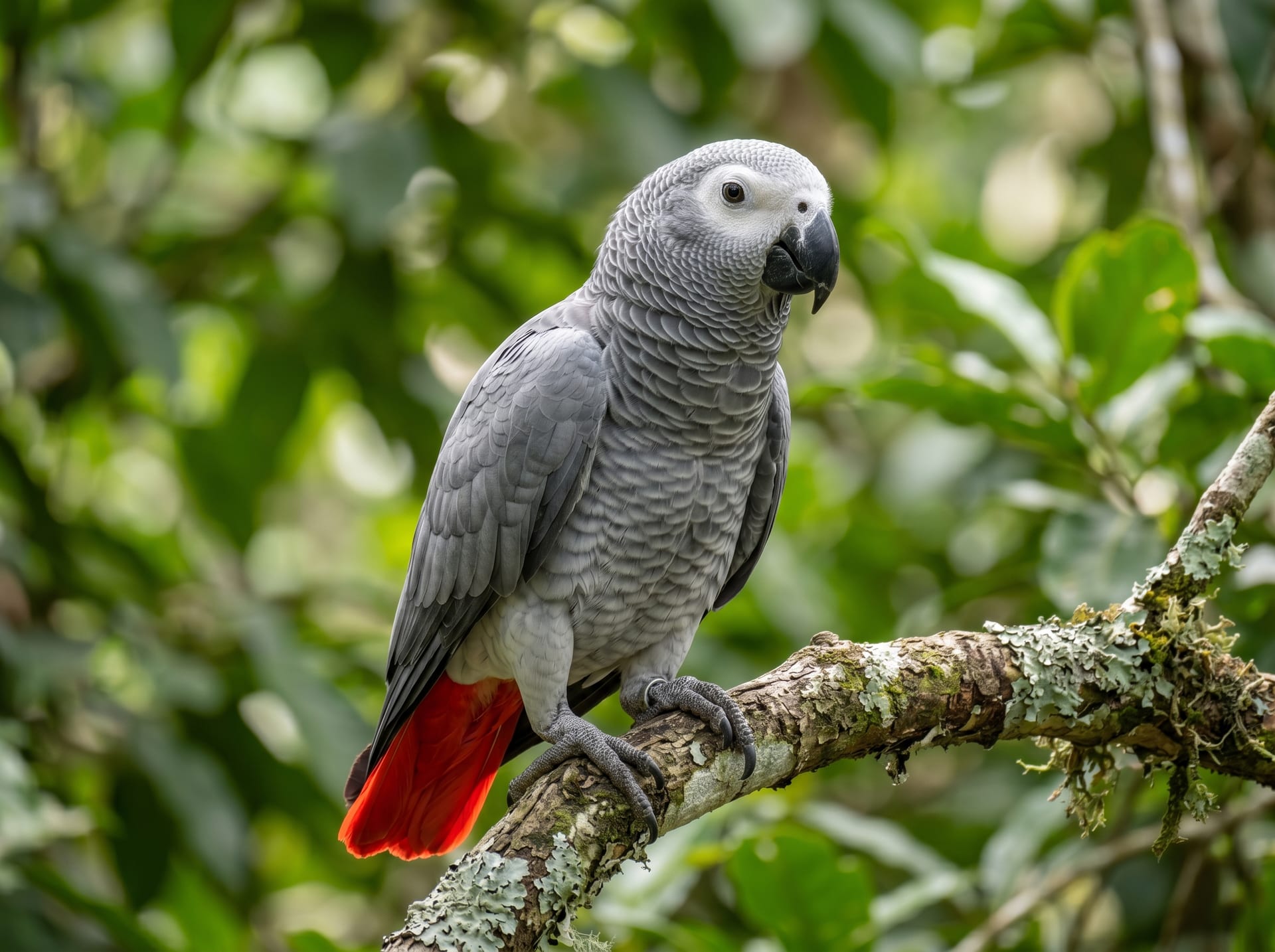
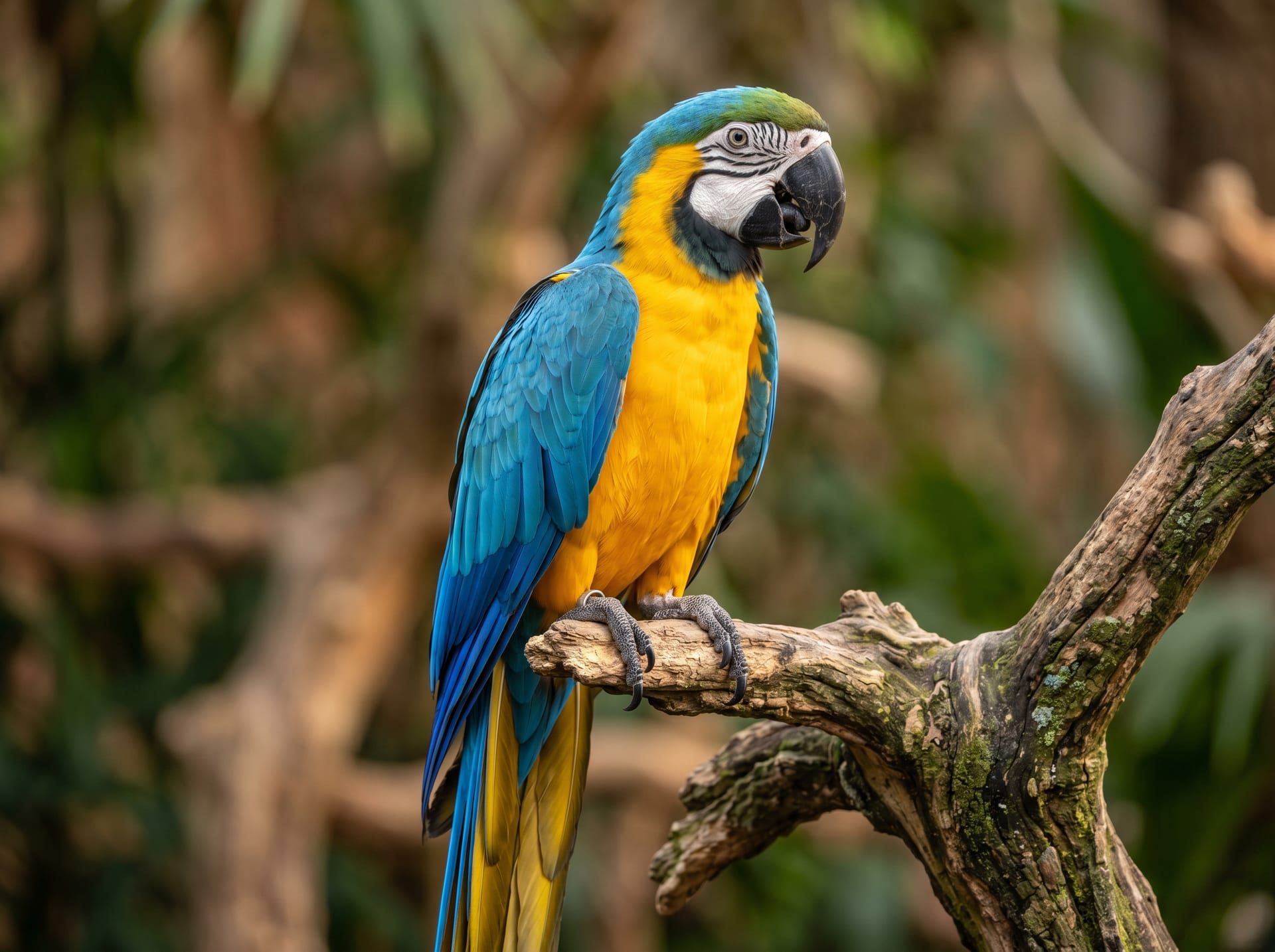
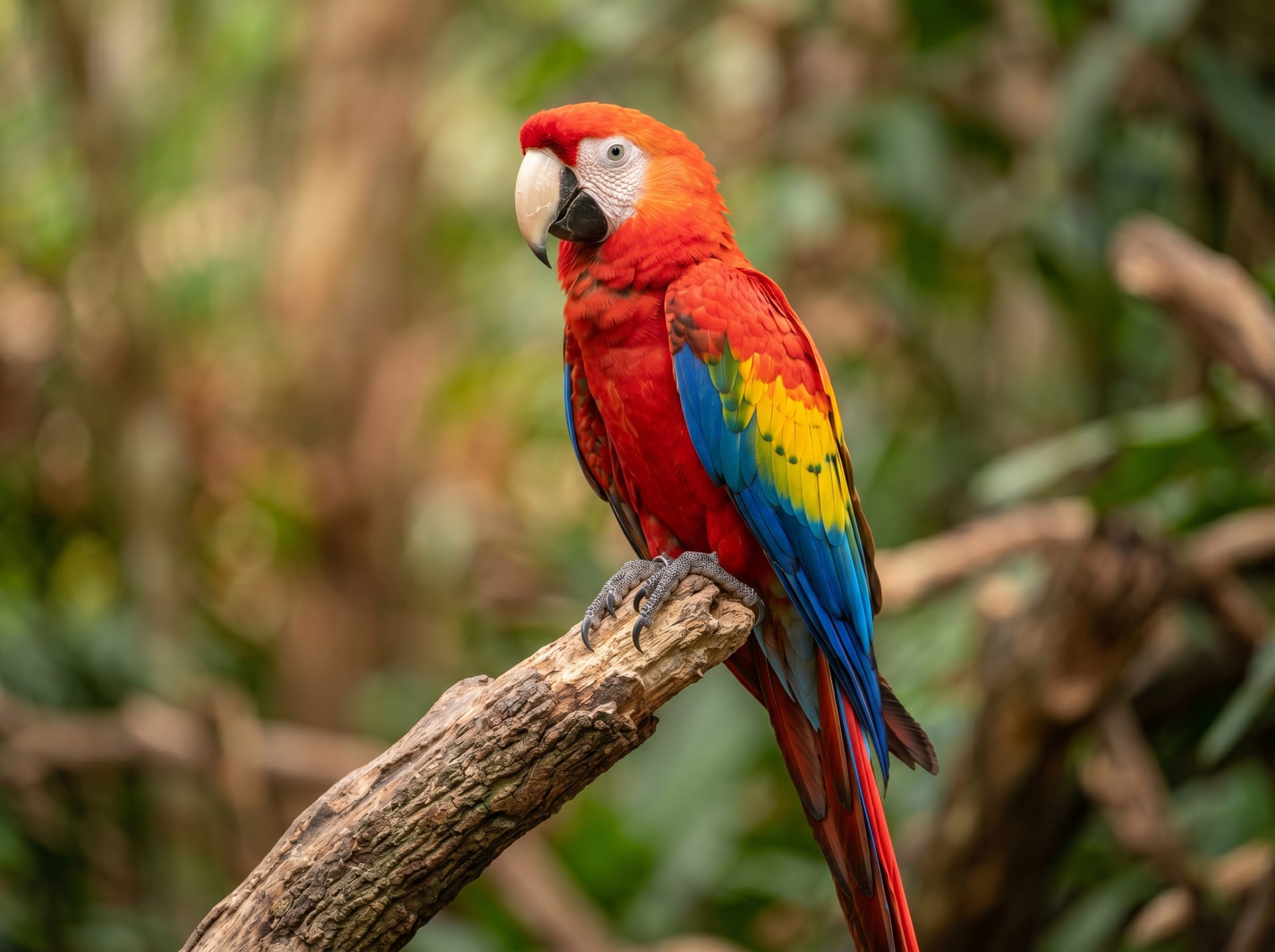
Large parrots and macaws are among the most intelligent birds, and species such as African greys and macaws are said to possess cognitive abilities comparable to a five-year-old child. Their intelligence—capable of problem-solving, tool use, and even emotional expression—can lead to serious behavioral issues if not provided with appropriate stimulation. Feather plucking (the act of pulling out their own feathers), incessant screaming, and increased aggression are all "behavioral problems" caused by boredom and stress. In the care of large parrots and macaws, environmental enrichment and cognitive training are essential elements for maintaining psychological well-being.
Stimulating Instinct Through Foraging (Feeding Enrichment)
In the wild, large parrots and macaws spend 3 to 6 hours per day foraging for food. In captivity, however, meals become "provided items," leaving this instinctive behavioral need unfulfilled. Foraging enrichment allows us to safely satisfy this need.
Practical Foraging Ideas
- Using foraging toys: Hide pellets or nuts in commercially available puzzle toys. Start with easy difficulty levels and gradually increase them as your bird becomes accustomed to them
- Wrapping in paper: Wrap pellets or dried fruit in small portions of unbleached kitchen paper and place them in the cage. The act of unwrapping improves your bird's concentration
- Skewering: Pierce vegetables such as bok choy, bell peppers, and apples on specialized skewers and attach them to the cage. This simultaneously provides visual stimulation and foraging behavior
- Scattering on the floor: Scatter pellets on the cage bottom and let your bird search as it walks. Simple, but highly effective in promoting exploratory behavior
- Hiding in mats or boxes: Hide food inside hay mats or cardboard boxes to create a "treasure hunt" for your bird
It's important to vary the method from day to day. Birds are creatures that "learn patterns," so variation itself is good stimulation for their brain. Don't forget about hygiene management within the cage; tips for keeping foraging items clean are explained in detail at [[/column/bird-cage-cleaning]].