A Guide to Multi-Bird Keeping & Compatibility | Successful Cohabitation Patterns and Precautions | ブリちょく
Birds| ✍️ BreederDirect Editorial
A Guide to Multi-Bird Keeping & Compatibility | Successful Cohabitation Patterns and Precautions
Explains compatibility by species, cage placement, how to acclimate resident birds, and breeding control.
Key Takeaways
Explains compatibility by species, cage placement, how to acclimate resident birds, and breeding control.
Related Species
As you become accustomed to living with one bird, many bird owners find themselves wanting to welcome another. However, keeping multiple birds requires understanding compatibility between species, proper introduction procedures, and many other important considerations. This guide provides detailed insights into the key points for successful multi-bird keeping.
Benefits and Drawbacks of Multi-Bird Keeping
Before bringing a new bird into your home, it's important to understand both the advantages and challenges of multi-bird keeping.
Benefit 1 – Social Fulfillment: Birds are flock animals, and having companions fulfills their social needs. Your birds will feel less lonely even when you're away from home
Benefit 2 – Natural Behaviors: You'll observe natural bird behaviors like preening each other, singing together, and sleeping side by side
Benefit 3 – Owner Enjoyment: Observing and enjoying the interactions between your birds is a unique pleasure of multi-bird keeping
Drawback 1 – Reduced Dependence on Owner: With companions, your birds may lose interest in you. Hand-tamed birds may no longer perch on your hand
Drawback 2 – Increased Costs and Labor: Feed, veterinary care, and additional cages mean expenses double. Cleaning becomes more time-consuming
Drawback 3 – Compatibility Issues: Poor compatibility can lead to serious fights and injuries. In worst cases, one bird may not survive
Before starting multi-bird keeping, ensure you have space and budget for separate cages in case compatibility issues arise.
Species Compatibility Checklist
The success rate of cohabitation varies greatly depending on the species combination.
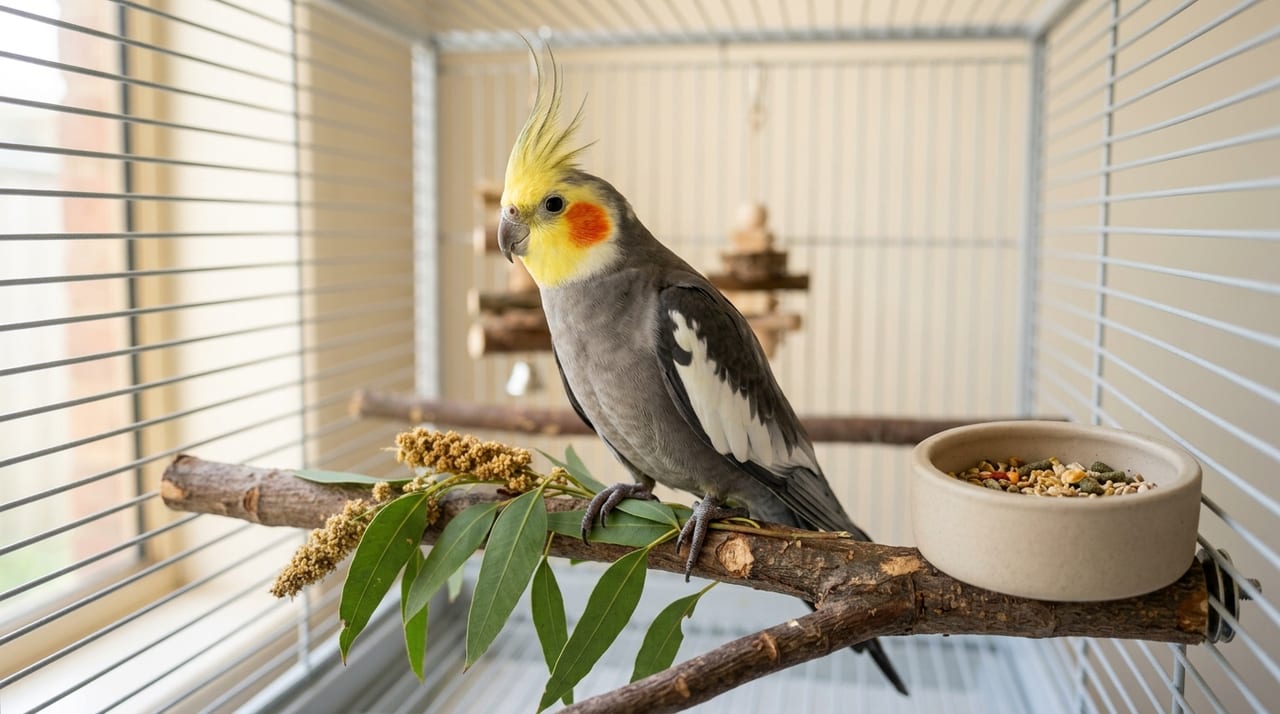
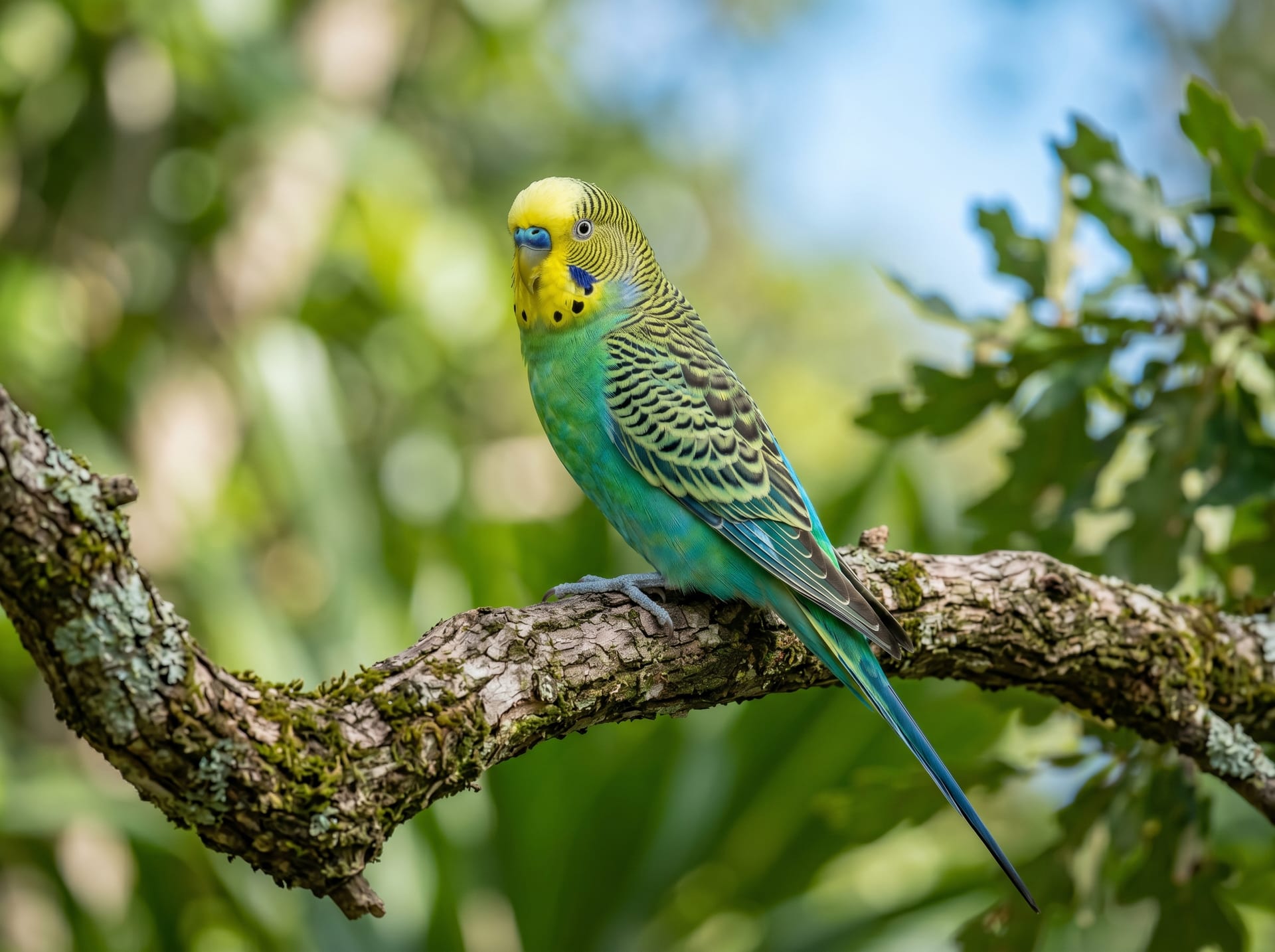
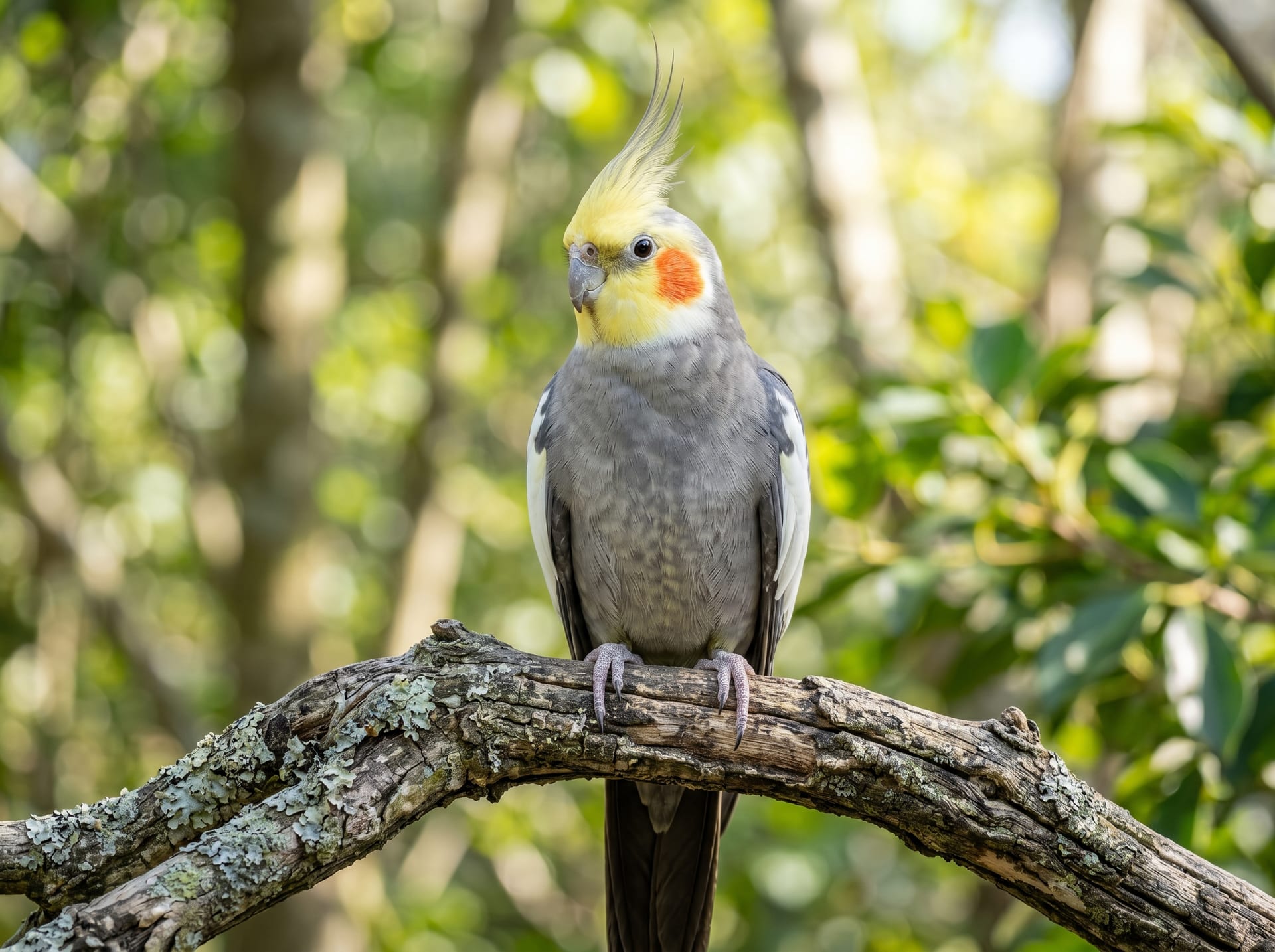
Same Species: Generally the most compatible pairing. Adding another budgerigar to budgerigars, java sparrow to java sparrows, or cockatiel to cockatiels is the safest option
Budgerigar and Cockatiel: A relatively peaceful combination, though budgerigars may become aggressive. Due to size differences, keep them in separate cages and supervise interactions during free flight
✍️
BreederDirect Editorial
The BreederDirect editorial team specializes in care information for animals, covering veterinary care and breeding to deliver beginner-friendly guides.
Find Birds on BreederDirect
Buy directly from verified breeders
Browse Related Listings
Find Birds listings related to this article on BreederDirect. Buy directly from verified breeders.
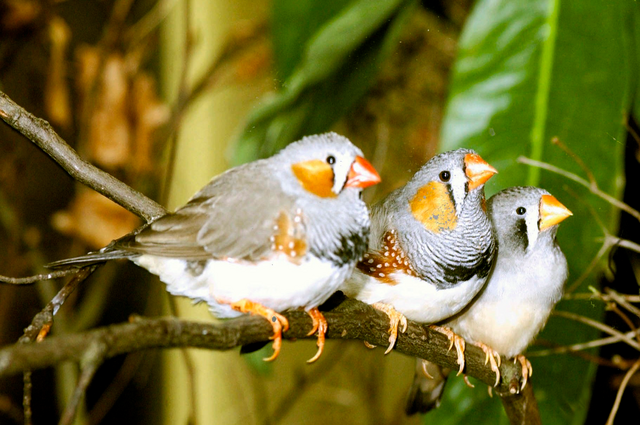
Java Sparrow and Other Finches: Java sparrows are somewhat strong-willed among finches. They coexist relatively peacefully with white-rumped munias and bearded reedlings, though aggression increases during breeding season
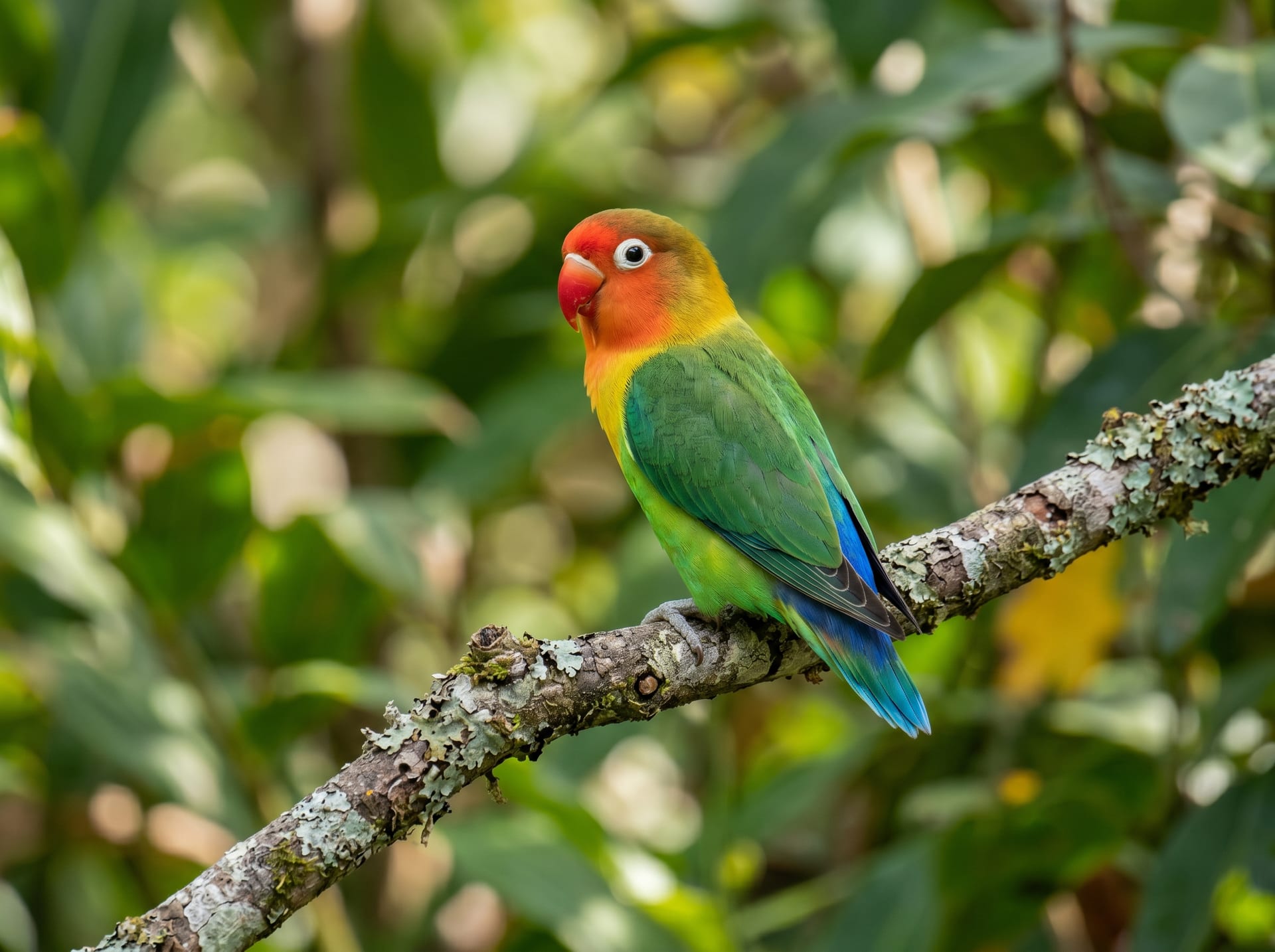
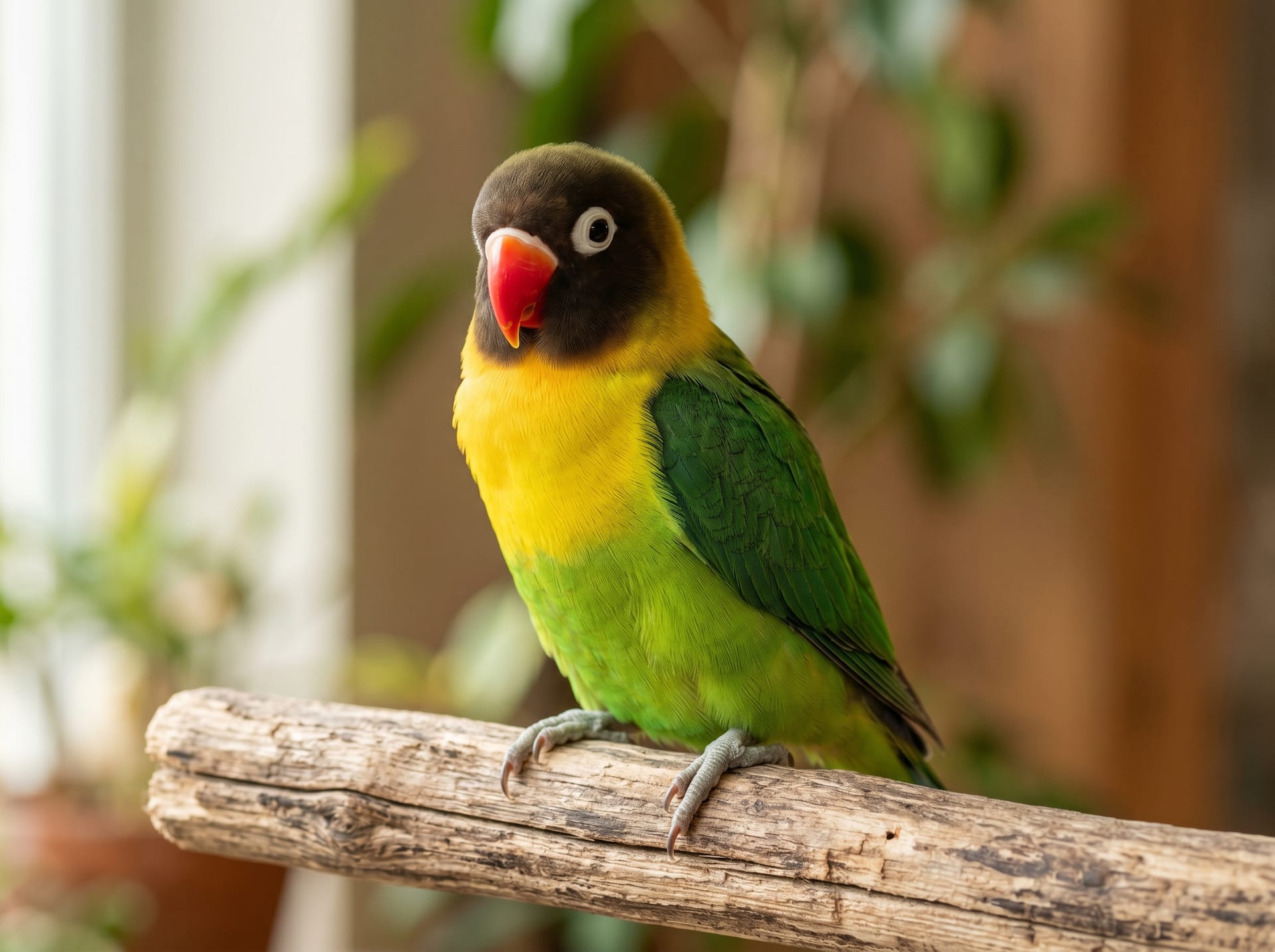
Lovebirds: These birds have strong personalities and tend to be aggressive toward other species. Same-species pairs are recommended
Large and Small Birds: Size differences create danger. Unintentional actions by larger birds can injure smaller ones. Avoid free flight in the same space
Incompatible Beak Strength: Avoid pairings with significant differences in beak power. Parrots have incredibly strong beaks that can be weapons against smaller birds
Even among the same species, males are prone to territorial disputes, and males with females create breeding issues. Choose sex combinations carefully.
Species Compatibility Quick Reference Chart
◎ = Relatively Safe / △ = Free Flight Only with Supervision / × = Avoid Cohabitation (Size/Aggression). All pairings vary by individual; shared cages require confirmed compatibility first.
Pairing
Compatibility
Notes
Same species (Budgerigar × Budgerigar, etc.)
◎
Safest option. However, territorial disputes occur between males
Budgerigar × Cockatiel
△
Budgerigars may be slightly aggressive. Separate cages; supervised free flight
Java Sparrow × White-rumped Munia or Bearded Reedling
△
Monitor Java Sparrow aggression during breeding season
Lovebirds × Other species
×
Lovebirds are strong-willed and aggressive. Same-species pairs recommended
Large bird × Small bird
×
Beak strength difference can be deadly. No free flight in same space
## Steps for Introducing a New Bird
When introducing a new bird into a home with an existing bird, a gradual approach is essential.
Quarantine Period (Minimum 2–4 weeks): Keep the new bird in a separate room, completely isolated from your existing bird. This accounts for disease incubation periods and allows for a veterinary health check. Some diseases spread through airborne transmission even in the same room
Voice-Only Interaction (1–2 weeks): After quarantine, keep birds in separate rooms but where they can hear each other. Observe their reactions to each other's calls—do they show interest, wariness, or no response?
Visual Interaction (1–2 weeks): Place separate cages in the same room at a distance, then gradually move them closer. Watch carefully for signs of intimidation or stress
Supervised Face-to-Face Interaction (Several days to weeks): Open the cages and allow free movement while you supervise constantly. Start with 5–10 minutes and gradually extend time if all goes well
Deciding on Cohabitation: Once aggressive behavior ceases and both birds remain relaxed and calm, you can consider a shared cage. Many owners still use separate cages at night
The acclimation process typically takes 1–2 months, sometimes even six months or longer. Patience is essential.
Cage Placement and Environmental Setup
Multi-bird housing requires thoughtful design to minimize stress.
One Bird, One Cage Basics: Always start with separate cages. Don't share a cage until compatibility is confirmed
Cage Placement: If in the same room, position cages 2–3 meters apart initially, then gradually move closer. Same-height placement reduces dominance-based stress
Escape Routes: During free flight, provide multiple retreat options if conflict arises. Open cages allow birds to escape to their own safe space
Separate Food and Water: In shared cages, use multiple feeders and water bowls to prevent resource-based conflicts
Perch Heights: Higher positions confer status. In shared cages, use multiple perches at equal heights to prevent dominance hierarchy
Nesting Box Placement: If breeding is not desired, avoid nesting boxes or materials. Many species become more aggressive when breeding instincts are triggered
Importance of Breeding Control
When housing males and females together, managing breeding is unavoidable.
Why Breeding Control Matters: Prevents population growth, reduces egg-binding risk (health threat to females), saves effort raising chicks, and ensures responsible care
Light Duration Management: Bird breeding is affected by daylight. Limit light to 10 hours daily; 12+ hours promotes breeding
Remove Nesting Materials: Eliminate paper, fabric, and dark spaces. Even paper bedding can become nesting material, so be vigilant
Caloric Restriction: Excess nutrition promotes breeding. Switch from high-fat seeds to pellet-based diets
If Eggs Are Laid: Taking eggs away causes further egg-laying and stress. Replace real eggs with dummy eggs and let the bird incubate until it loses interest, typically 10–14 days
Confirm Sex: Some species like budgerigars are visually distinguishable by sex, but most require DNA testing. Confirm before bringing your bird home
Troublemaker Signs and Solutions
Continuous observation and early detection of issues are critical in multi-bird keeping.
Signs of Aggression: Fluffed feathers and threatening displays, pecking, stealing food, chasing from perches or territories
Signs of Stress: Feather plucking, loss of appetite, one bird hiding in cage corners, changes in vocalization
Serious Fights: Immediately separate birds if bleeding occurs; discontinue cohabitation. Minor squabbles are normal, but stop one-sided attacks by separating
Jealous Behavior: Resident birds may become aggressive toward you if jealous of new arrivals. Prioritize attention to the resident bird for reassurance
Disease Transmission: If one bird becomes sick, isolate it immediately to prevent spread. All birds in shared housing should receive veterinary care
Finding Compatible Birds on Br-Choku
Success with multi-bird keeping depends on careful assessment of personality and compatibility. Through Br-Choku, you can purchase directly from trusted breeders and discuss which individual would be compatible with your existing bird's species and personality.
Breeders have extensive experience with many birds and understand species-specific compatibility and individual temperament patterns. They can provide advice on multi-bird keeping and help troubleshoot issues after introduction—a unique advantage of buying directly from breeders. Explore Br-Choku to find your bird's next companion.