Explains in detail species and sex compatibility for multi-bird keeping, cage placement methods, cohabitation steps, and troubleshooting solutions.
Key Takeaways
Explains in detail species and sex compatibility for multi-bird keeping, cage placement methods, cohabitation steps, and troubleshooting solutions.
Related Species
Multi-bird keeping is an appealing way to care for birds that allows you to enjoy close social interaction between them. The sight of companions sleeping snuggled together, or preening each other's feathers, offers a special comfort that single-bird keeping cannot provide. However, getting compatibility or cage placement wrong can become a source of serious injury or stress. To succeed at multi-bird keeping, prior knowledge and careful preparation are essential. This article provides detailed explanations from assessing species and sex compatibility to cage placement, welcoming new birds, and troubleshooting.
Basic Rules for Multi-Bird Keeping: Assessing Compatibility
Compatibility Quick Reference by Pairing
Pairing
Compatibility
Notes
Same species
◎ Most safe
Basic choice
Finches together (Bengalese finch, Kinkacho)
○ Relatively peaceful
Similar body size required
Budgie × Cockatiel
△ Caution
Budgies reported to bite cockatiel toes
Male × Male
△ Caution
Territorial fighting causes injury
Male × Female
✍️
BreederDirect Editorial
The BreederDirect editorial team specializes in care information for animals, covering veterinary care and breeding to deliver beginner-friendly guides.
Find Birds on BreederDirect
Buy directly from verified breeders
Browse Related Listings
Find Birds listings related to this article on BreederDirect. Buy directly from verified breeders.
※Separate cages + free flight in the same room is the safest style compared to the same cage.
Species Compatibility
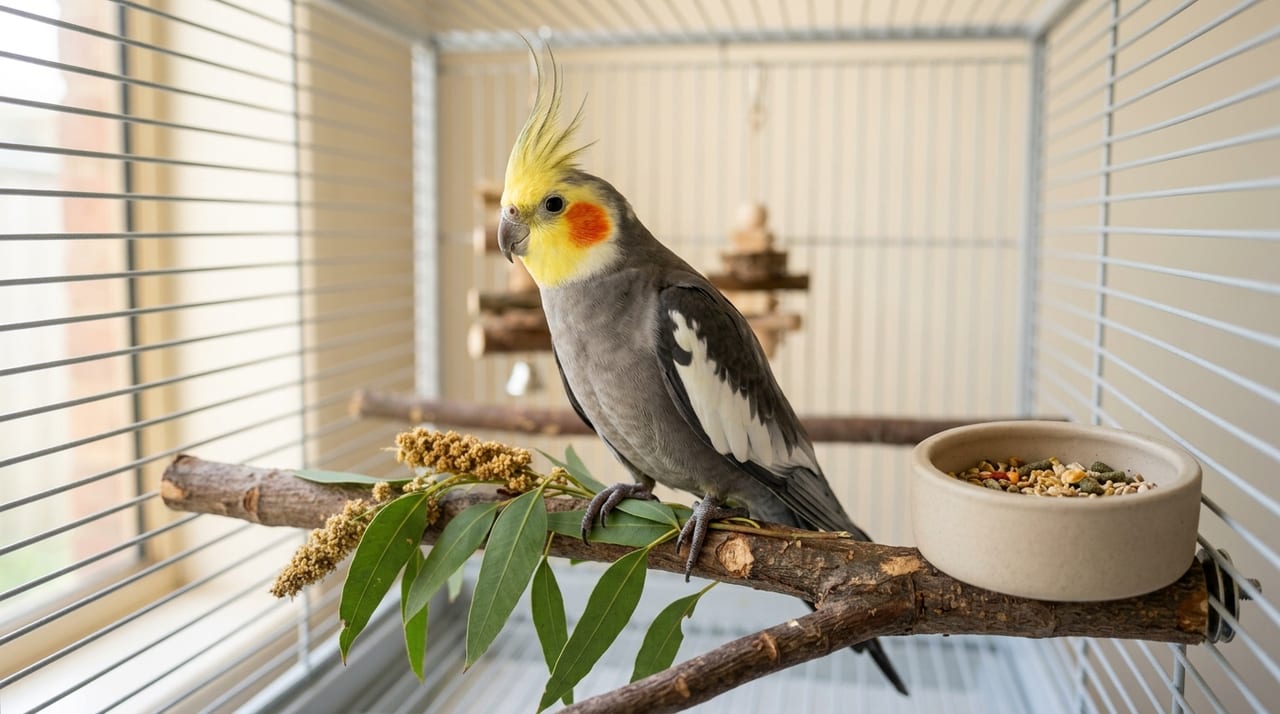
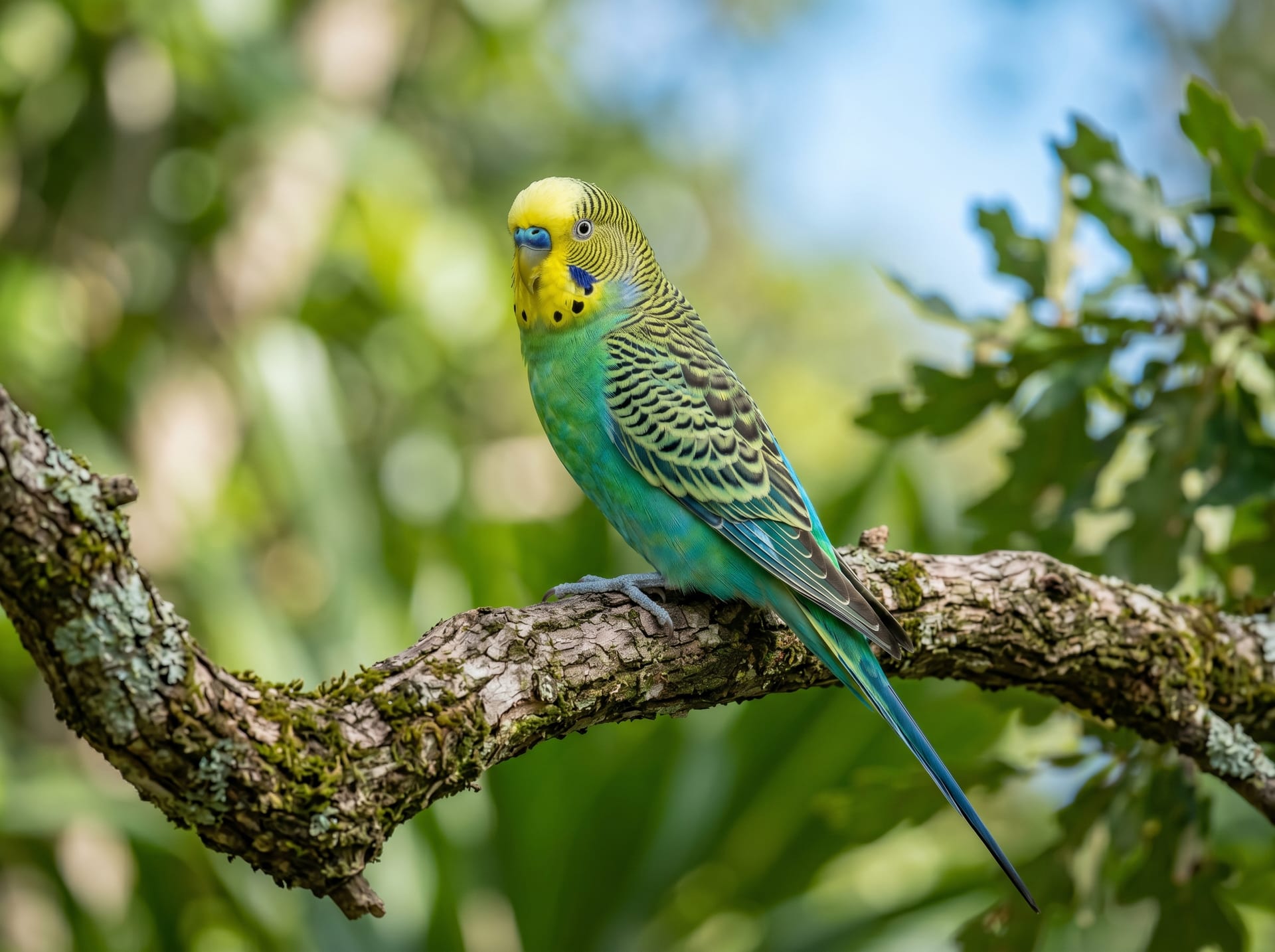
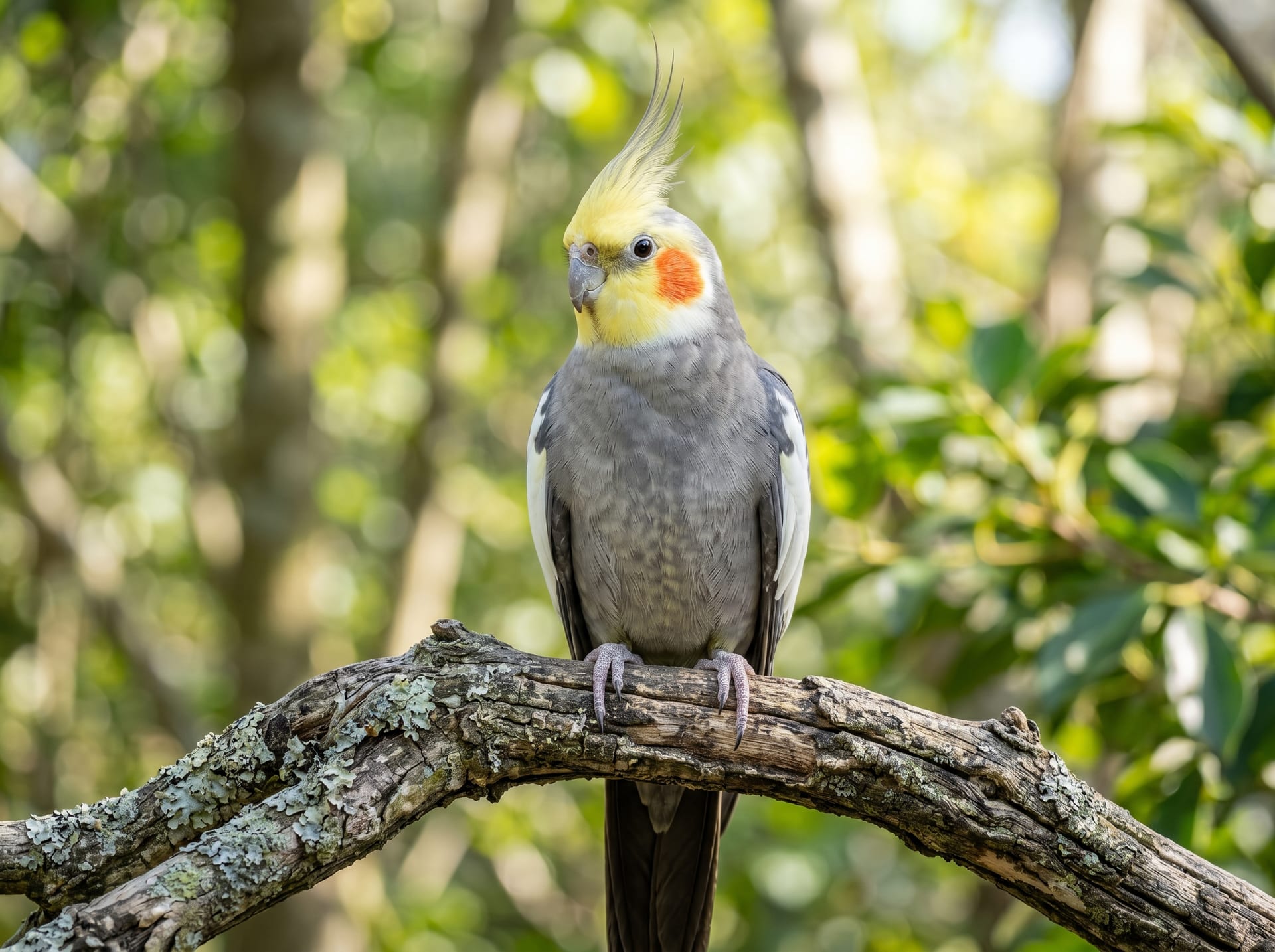
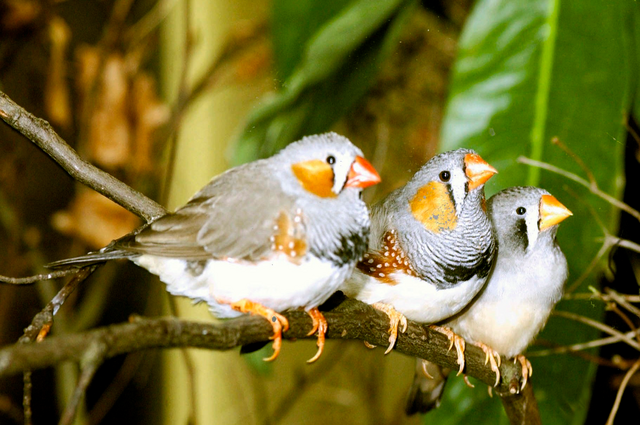
Same-species multi-bird keeping is the safest option. Placing different bird species in the same cage often leads to problems due to size differences and different communication methods. Cohabitation between budgies and cockatiels is particularly risky, with reported cases of budgies biting cockatiel toes. Finches (Bengalese finches, Kinkacho, etc.) can coexist relatively peacefully together.
Sex Pairings
Males together frequently engage in territorial disputes, and fighting in the cage directly leads to injury. A male-female pair risks unplanned breeding, and accidental egg-laying carries health risks such as egg-binding. Female pairs are relatively peaceful, but breeding season stress remains a concern, so they cannot be considered completely safe.
Importance of Size Similarity
Cohabitation between large and small birds is very dangerous. If a large parrot attacks a small finch, it can cause fatal injuries in a single strike. Choosing species with similar body sizes is the fundamental principle.
Separate Cage Keeping is the Basis: The Safest Multi-Bird Keeping Style
The safest basic style for multi-bird keeping is "separate cage keeping." Providing each bird with its own dedicated cage and allowing them to play together in the same room during free flight time is the lowest-risk approach. An environment where birds can see each other through the cage bars and hear each other's calls provides social stimulation even without direct contact.
If keeping birds in the same cage, a sufficiently large cage is essential. Provide feed dishes, water dishes, and perches equal to the number of birds plus one, arranged so that one bird cannot monopolize the resources of another.
Steps for Welcoming a New Bird
Quarantine Period (2–4 Weeks)
Isolate a new bird in a separate room from the established bird for a minimum of 2–4 weeks. Birds can carry illnesses without showing symptoms (carrier state), so during this period have the new bird examined by an avian veterinarian and test for infectious diseases such as PBFD.
Acclimation by Sound
Even during quarantine, allowing the birds to hear each other's calls from different rooms helps them gradually become accustomed to each other's presence. Gradual familiarization through stages is the key to success, rather than sudden face-to-face meetings.
Visual Introduction
After quarantine, place the cages in the same room so the birds can see each other. Start with cages at a distance and gradually bring them closer while monitoring their reactions. If threatening behavior appears (wing spreading, beak snapping, aggressive posture), move them farther apart.
Free Flight Introduction
Once the birds remain calm seeing each other through the cage, try simultaneous free flight in a large room. Start with short sessions of 10–15 minutes while you constantly supervise. If chasing or attacking occurs, separate them immediately.
Cage Placement Tips
Align heights: Birds tend to perceive higher positions as dominant. Equalizing cage heights can reduce status disputes.
Adequate spacing: Placing cages directly adjacent risks toe and toe-biting through the bars. Leave at least 10 cm of space between cages.
Visual blocking space: Constant eye contact can cause stress, so cover part of the cage with cloth to create an area out of sight.
Keep the established bird's location unchanged: Moving a cage to accommodate a new bird causes stress to the established bird. Maintain the established bird's original position.
Troubleshooting
Aggressive behavior: If one bird persistently chases or bites the other, cohabitation is not possible and complete separation is necessary. Intervention before injury occurs is the highest priority.
Food monopolizing: If one bird monopolizes all feed dishes, place multiple dishes in separate locations.
Changed behavior toward the owner: The established bird becoming aggressive toward you is a sign of jealousy. Consciously set aside one-on-one time with the established bird, making it feel that it is still valued despite the new arrival.
Welcome Compatible Birds Through br-choku
br-choku allows you to purchase directly from breeders experienced in bird care, and you can also receive professional advice on multi-bird compatibility. By telling breeders about your established bird's species, sex, and personality, they may suggest compatible individuals. Success in multi-bird keeping depends greatly on individual personality, so make the most of the breeder's experience and knowledge.