Pet Bird Feather Dust (Dander) Allergy Management Guide | How to Keep Birds Even When Family Members Have Asthma or Allergies
Learn about the allergy and asthma risks posed by feather dust (dander) produced by parakeets and parrots. This guide covers selecting low-allergen bird species, using air purifiers, and cage management strategies—all the ways to keep birds while managing allergies effectively.
Key Takeaways
Learn about the allergy and asthma risks posed by feather dust (dander) produced by parakeets and parrots. This guide covers selecting low-allergen bird species, using air purifiers, and cage management strategies—all the ways to keep birds while managing allergies effectively.
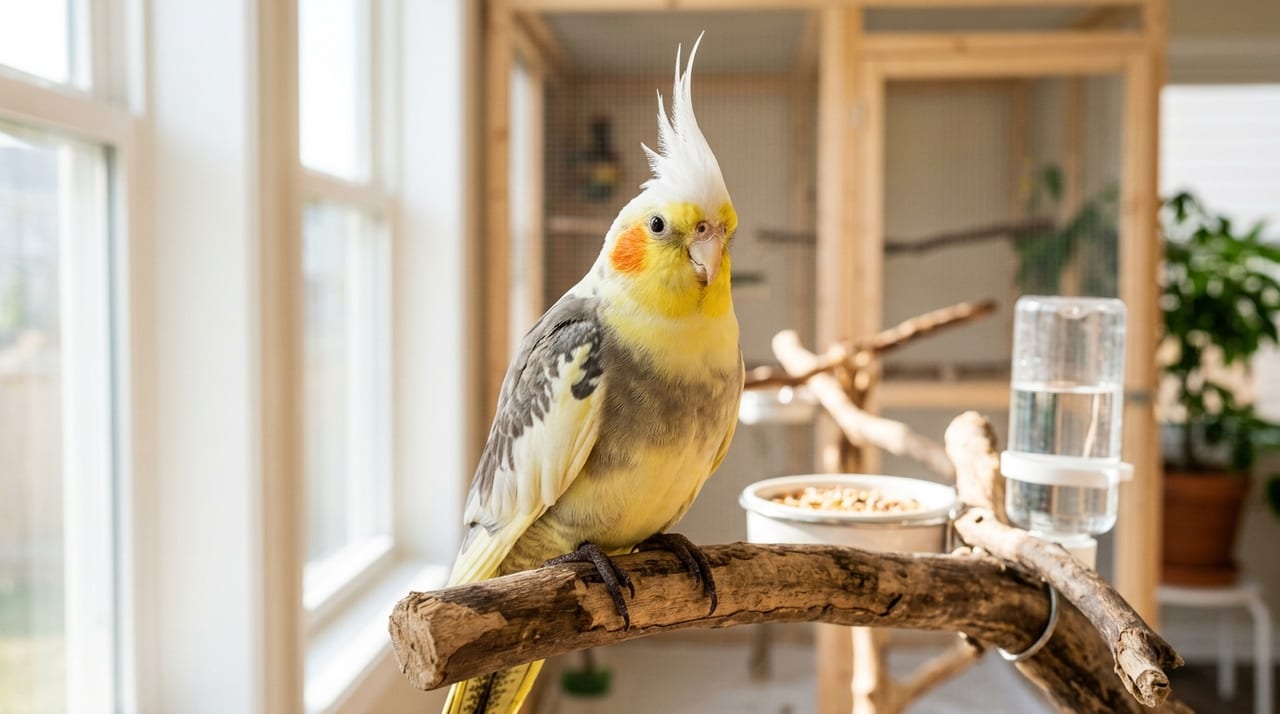
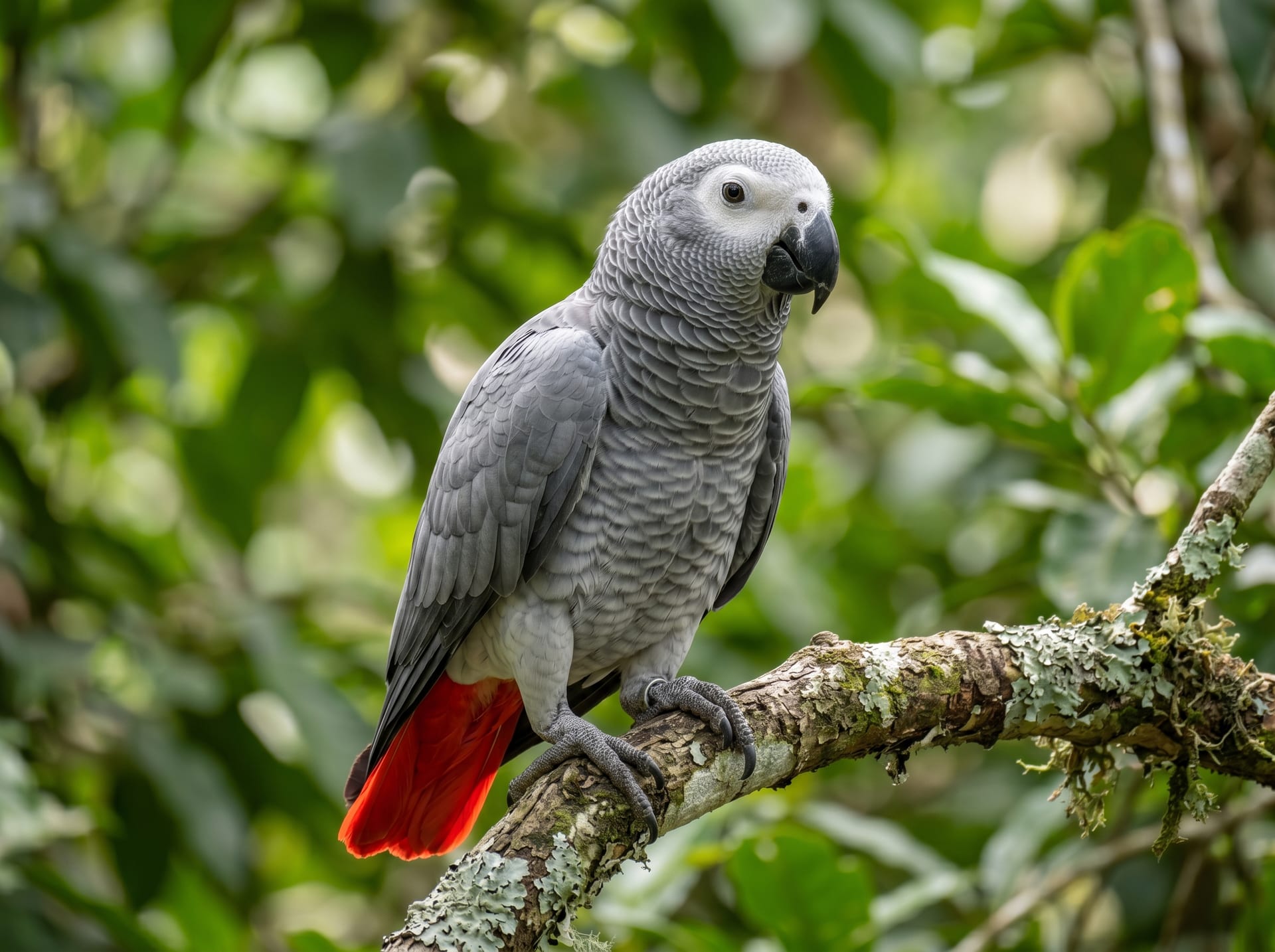
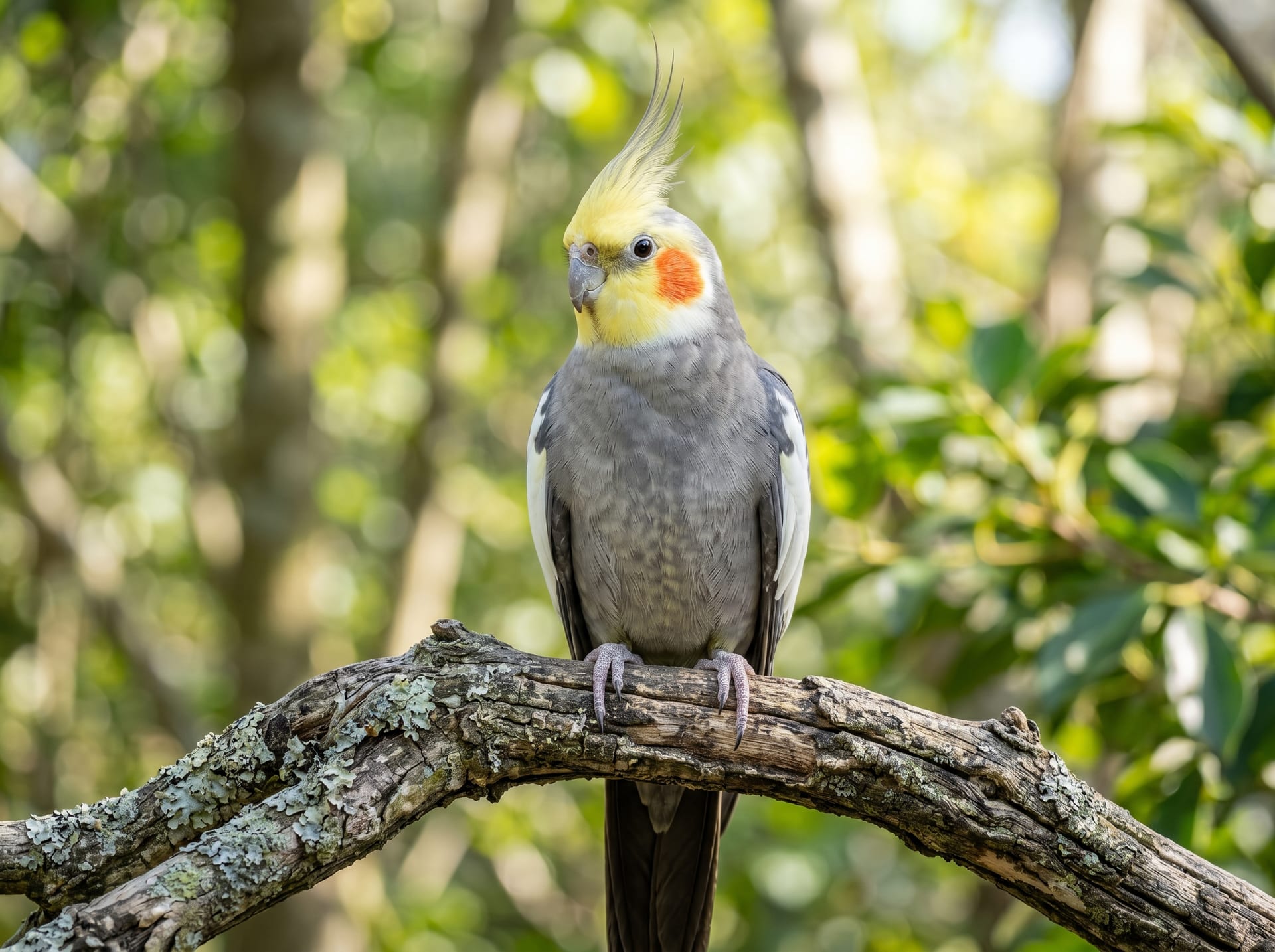
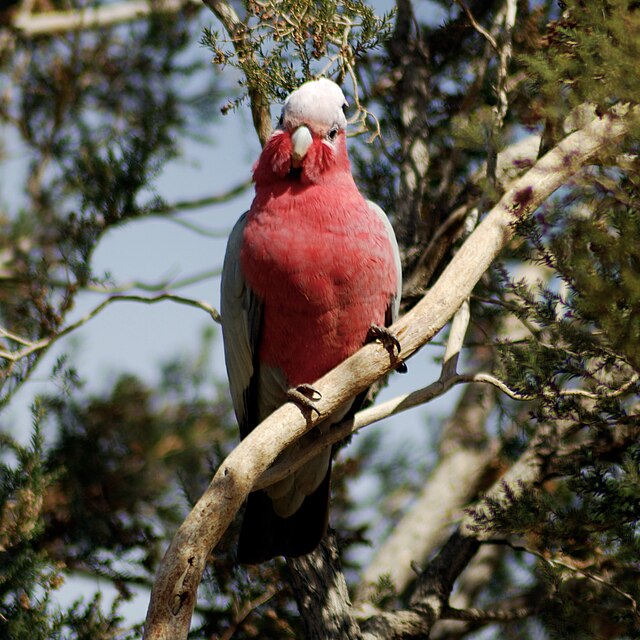
Among pet birds, cockatoos (parrots) and cockatiels are known to produce large amounts of keratin powder (feather dust/dander). This feather dust can trigger allergic reactions and asthma in some cases, and it's not uncommon for families with members who have allergic conditions to give up bird keeping. However, with proper precautions, it is entirely possible to enjoy keeping birds while managing allergies.
✍️
BreederDirect Editorial
The BreederDirect editorial team specializes in care information for animals, covering veterinary care and breeding to deliver beginner-friendly guides.
Find Birds on BreederDirect
Buy directly from verified breeders
Browse Related Listings
Find Birds listings related to this article on BreederDirect. Buy directly from verified breeders.
Feather dust is fine keratin powder generated from the base of a bird's feathers. While it plays an important role in protecting feathers and maintaining their water-repellent properties, when suspended in the air and inhaled by humans, it can trigger allergic reactions.
Bird Species That Produce Large Amounts of Feather Dust (High Risk):
These bird species are called "powder-down birds," as they have powder-down feathers covering their skin. The amount of feather dust increases particularly during hot and humid seasons and during molting periods.
Bird Species That Produce Only Small Amounts of Feather Dust (Low Risk):
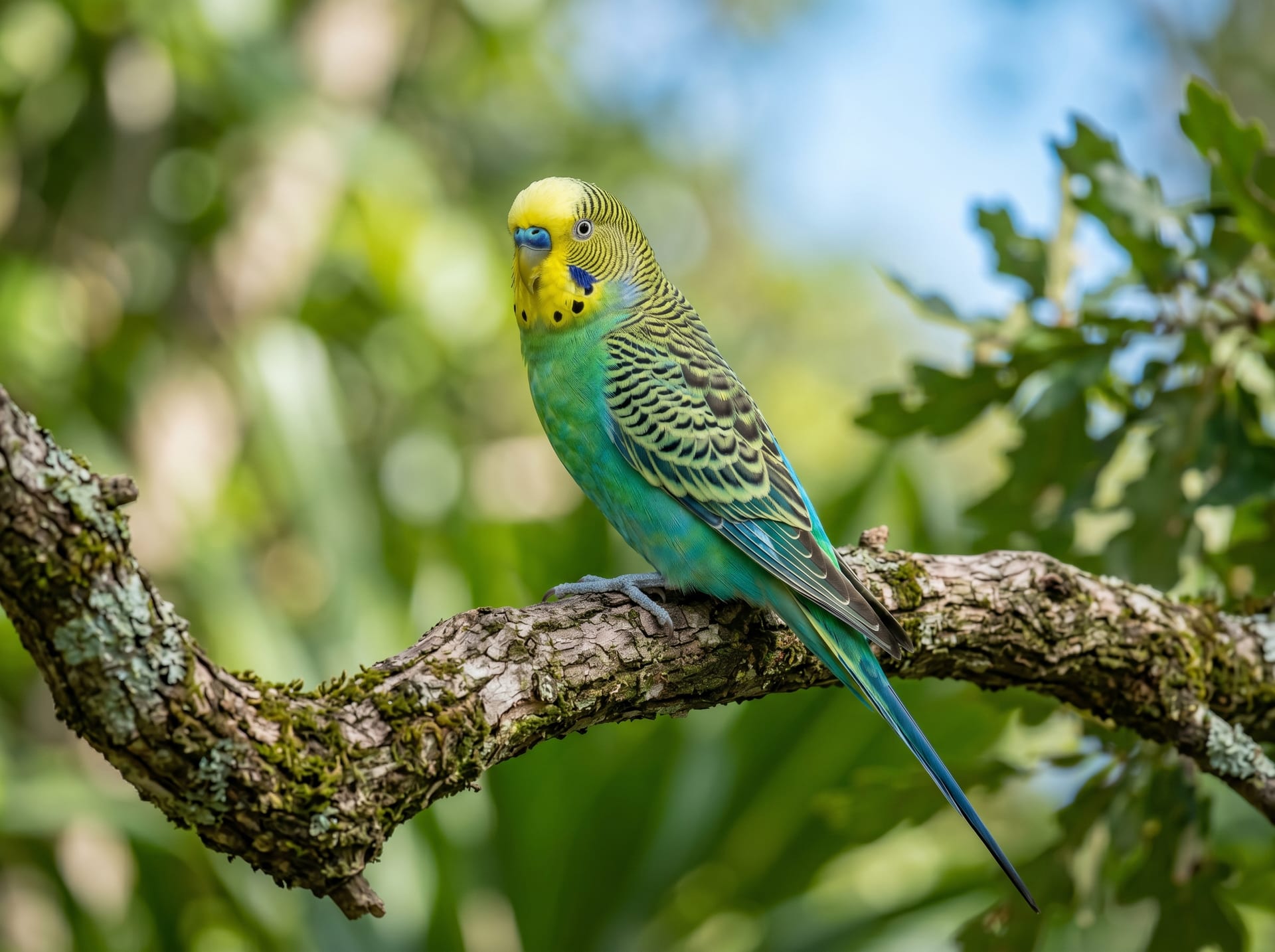
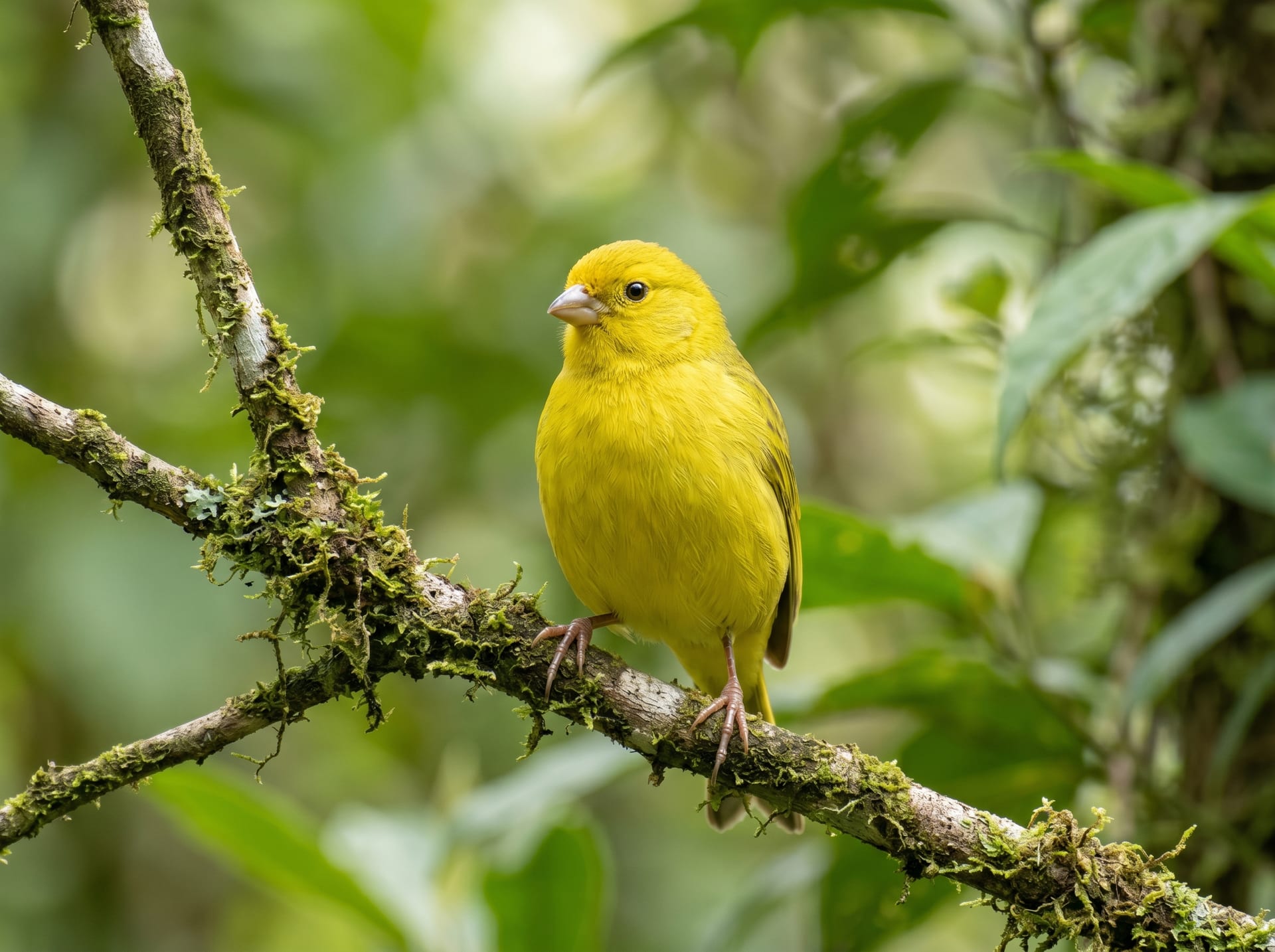
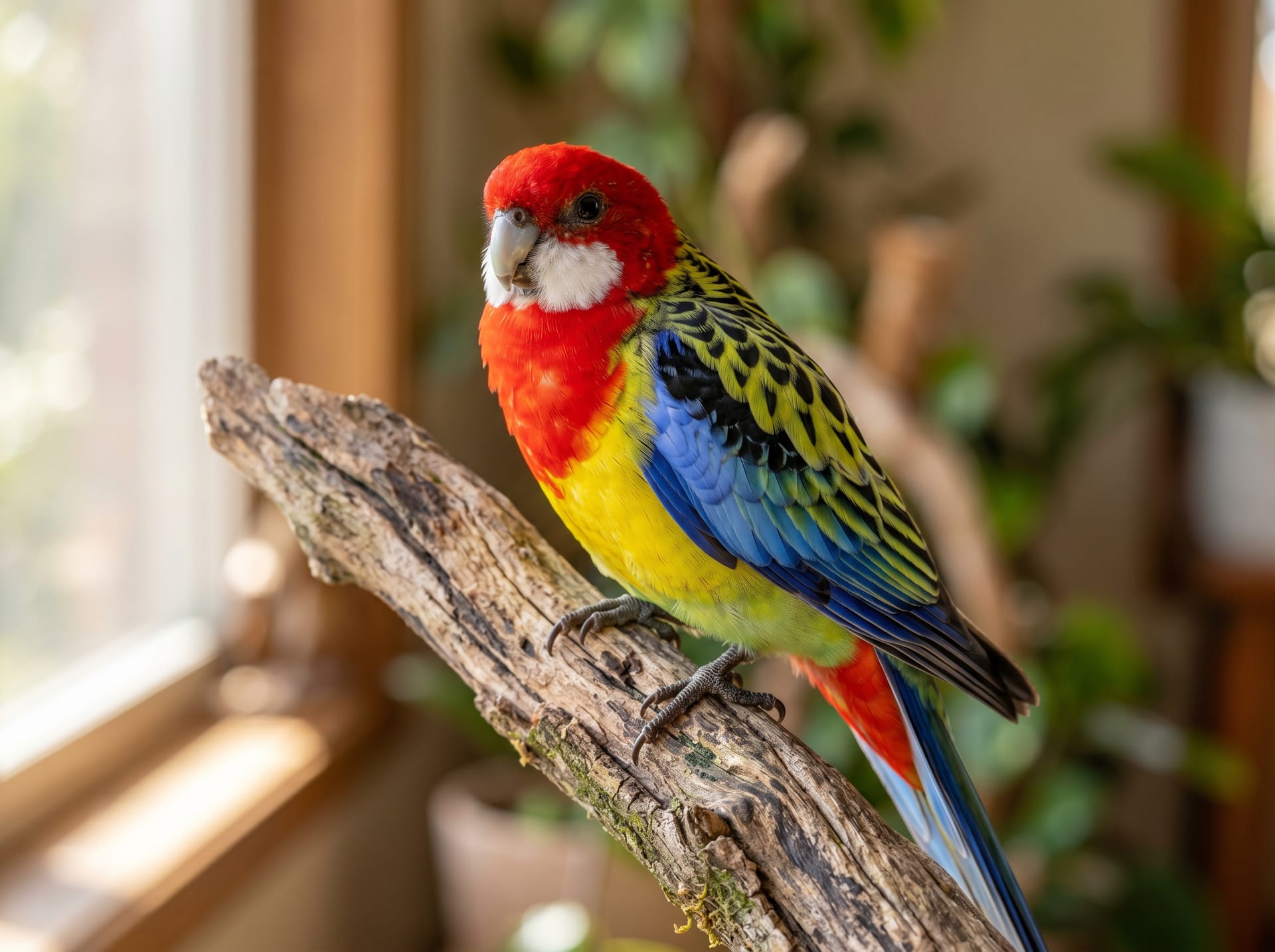
These are "non-powder-down" bird species with minimal feather dust production and relatively low allergy risk. Those with allergic conditions are advised to start with these low-risk species when keeping birds.
Allergy Symptoms and Birds
Pet bird-related allergies include the following:
Hypersensitivity Pneumonitis (Bird-Related Hypersensitivity Pneumonitis):
A lung disease caused by immune reactions to proteins found in feather dust, droppings, and feathers. The acute form presents with fever, chills, cough, and shortness of breath within 4–8 hours of exposure. The chronic form develops gradually, with symptoms including progressive difficulty breathing, weight loss, and persistent fatigue.
Worsening of Bronchial Asthma:
In individuals with pre-existing bronchial asthma, bird allergens (feather dust and proteins in droppings) can trigger or worsen asthma attacks.
Allergic Rhinitis and Conjunctivitis:
Milder allergic symptoms are also reported, such as nasal congestion, sneezing, and itchy eyes.
If any family member has respiratory disease or atopic conditions, we strongly recommend consulting an allergist before bringing a bird home.
Practical Allergy Management Strategies
Using Air Purifiers
HEPA filter-equipped air purifiers are effective at removing fine particles including feather dust. Ideally, install one in the bird room and another in family members' bedrooms. Replace the air purifier filter regularly and be careful not to scatter dust during cleaning.
Cage Management and Cleaning
Daily cleaning: Remove droppings and feathers from the cage bottom daily
Wet cleaning: Avoid dry wiping as it stirs up dust; instead, use damp cloths or wet wipes
Wear a mask: Always wear a mask when cleaning and handling feathers
Ventilation: Open windows after cleaning to ensure proper air circulation
Strategic Bird Housing Placement
It's best to keep the bird cage in a dedicated room rather than in bedrooms or dining areas where family members spend significant time. If possible, use a room with a door that can be closed, and limit entry to the bird room when not interacting with the bird.
Encouraging Bathing
Regular bathing helps temporarily reduce feather dust in the air. Provide a bath basin in the cage or use a shower in the bathroom. During molting season when dust increases, aim for 2–3 baths per week.
Getting Allergy Testing
Before starting to keep birds or if symptoms develop, blood tests (specific IgE antibody tests) can identify sensitivity to parrot and parakeet allergens. If tests are positive, consult with your doctor about whether to continue keeping birds.
Choosing Low-Allergen Bird Species
For those concerned about allergies, the following bird species are particularly suitable:
Budgerigar (Parakeet): Produces minimal feather dust and has a gentle temperament, making it easy for beginners to keep. Their calls are relatively quiet, making them suitable for apartment living.
Java Sparrow: A finch species beloved in Japan since ancient times with minimal feather dust production. It readily becomes hand-tame and is easy to bond with.
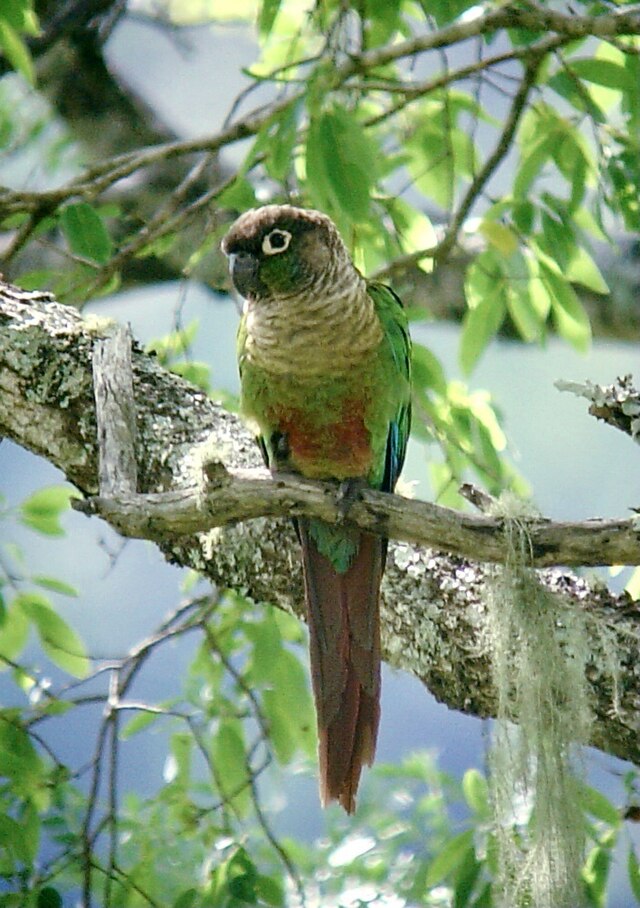
Green-winged Parakeet (Conure): A medium-sized parakeet with minimal feather dust production, playful and charming in personality.
BreederDirect has registered breeders who specialize in these low-allergen bird species. One major advantage of buying directly from breeders is receiving healthy birds along with expert care advice. If you have concerns about allergies, we recommend consulting with a breeder to select the right species for your needs.