Bird Exercise & Out-of-Cage Time Guide | Safe Methods and Play Ideas
A guide to out-of-cage time methods and precautions to prevent exercise deficiency in pet birds. Learn how to create a safe environment, manage household hazards, use enrichment toys, and incorporate foraging activities.
Key Takeaways
A guide to out-of-cage time methods and precautions to prevent exercise deficiency in pet birds. Learn how to create a safe environment, manage household hazards, use enrichment toys, and incorporate foraging activities.
Out-of-cage time is not merely "exercise time" for birds. For birds that spend their days flying and communicating with flock members in the wild, time outside the cage is essential for maintaining physical and mental health. Insufficient out-of-cage time can lead to chronic exercise deficiency and accumulated stress, resulting in behavioral problems such as feather plucking, excessive vocalization, and self-injury.
✍️
BreederDirect Editorial
The BreederDirect editorial team specializes in care information for animals, covering veterinary care and breeding to deliver beginner-friendly guides.
Find Birds on BreederDirect
Buy directly from verified breeders
Browse Related Listings
Find Birds listings related to this article on BreederDirect. Buy directly from verified breeders.
Related Tools
Related Articles
Browse by Category
🪸Coral
🐠Marine Fish
🐟Tropical Fish
🐡Goldfish
🐟Medaka
🦎Reptiles
Share
This article provides detailed guidance on everything from pre-release safety checks to play ideas and time recommendations, so even first-time bird owners can practice out-of-cage time with confidence. For foundational knowledge about bird care in general, please also see Beginner's Guide to Bird Care: Budgies, Java Sparrows, and More.
Essential "Room Safety Check" Before Out-of-Cage Time
While indoor spaces are comfortable for us, they harbor hidden dangers for birds. Before releasing your bird, make checking these points a habit.
Prevent Escape and Collision
Windows, doors, and screens: Confirm that all are closed. Screens can tear if a bird flies into them, so it's safer to close the windows completely.
Mirrors and glass surfaces: Birds may collide with transparent glass without noticing it, so draw curtains or place markers on the glass.
Watch Out for Machinery and Heat Sources
Ceiling fans, fans, and exhaust fans: Turn them off completely. Getting caught in rotating blades can be fatal.
Heaters, irons, pots, and other hot items: A bird can suffer severe injury upon landing on them. Avoid using heating appliances while the bird is out.
Teflon (PTFE) coated cookware: Heating to high temperatures releases toxic fumes harmful to birds. Avoid using the kitchen while your bird is out.
Eliminate Toxic Substances
Houseplants: Move plants toxic to birds to another room, such as avocados, pothos, lily of the valley, and dieffenbachia.
Medications, cleaning products, and tobacco: Store these out of reach due to risks of ingestion or inhalation.
Isolate from Other Pets
Allowing out-of-cage time in the same space as dogs or cats is extremely dangerous. Even if they appear friendly, reflexive actions can inflict fatal injuries on birds. Always isolate other pets in a separate room during out-of-cage time. Additionally, be mindful that the bird may be on the floor and take care not to step on it.
Out-of-Cage Time Guidelines by Bird Species
The amount of out-of-cage time needed varies by bird species and individual differences. The following are guidelines, but it's important to provide this time daily whenever possible.
Bird Species
Recommended Out-of-Cage Time (per day)
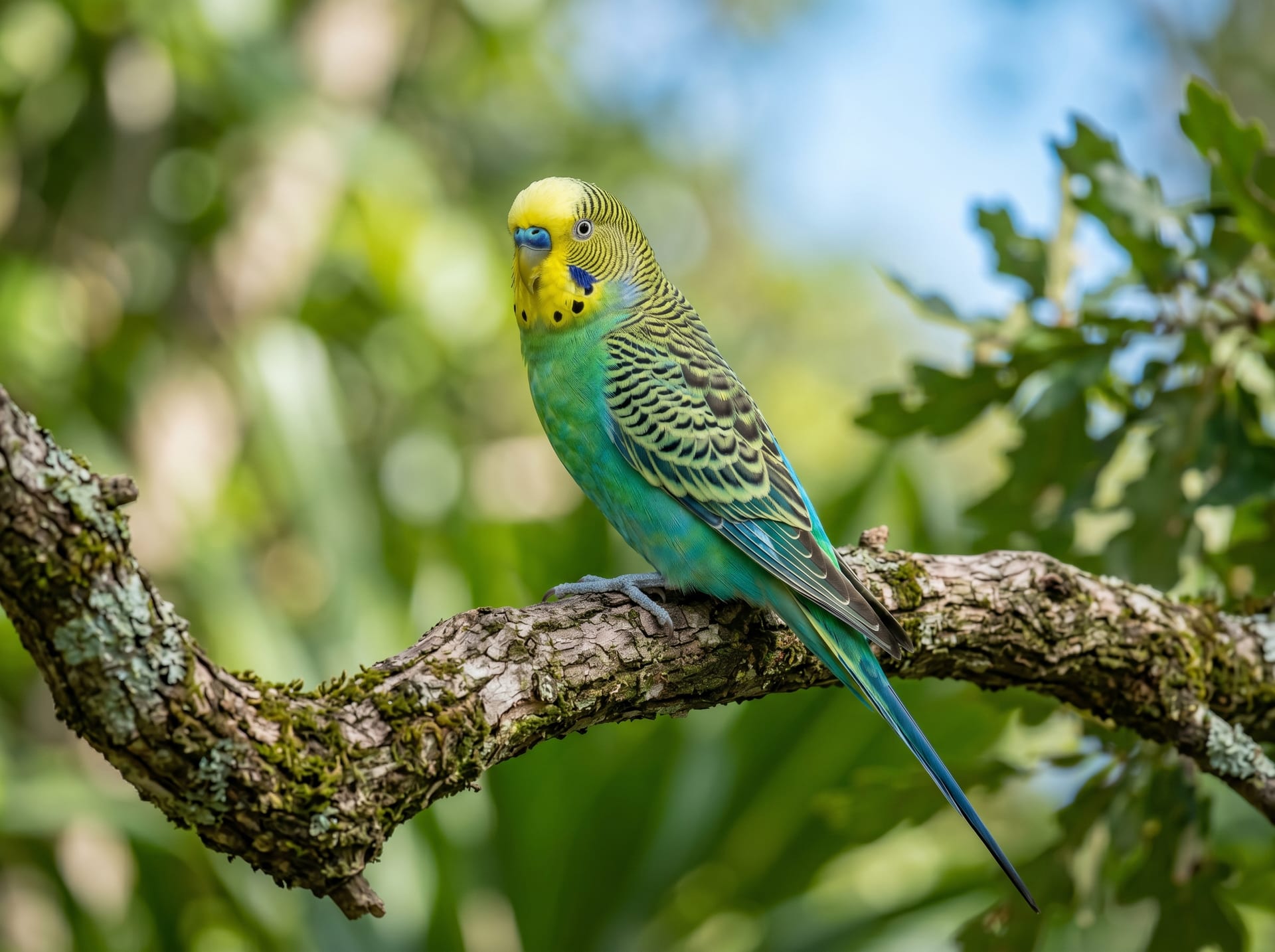
Budgies and Java Sparrows
1–2 hours or more
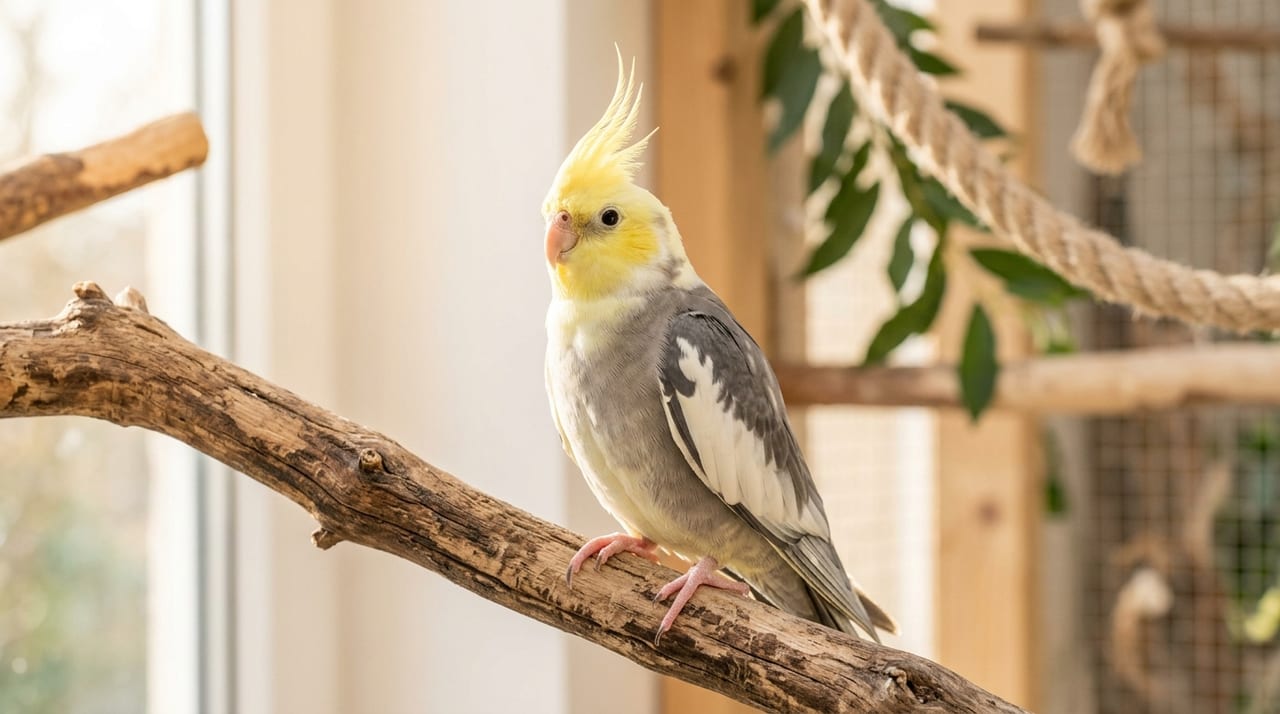
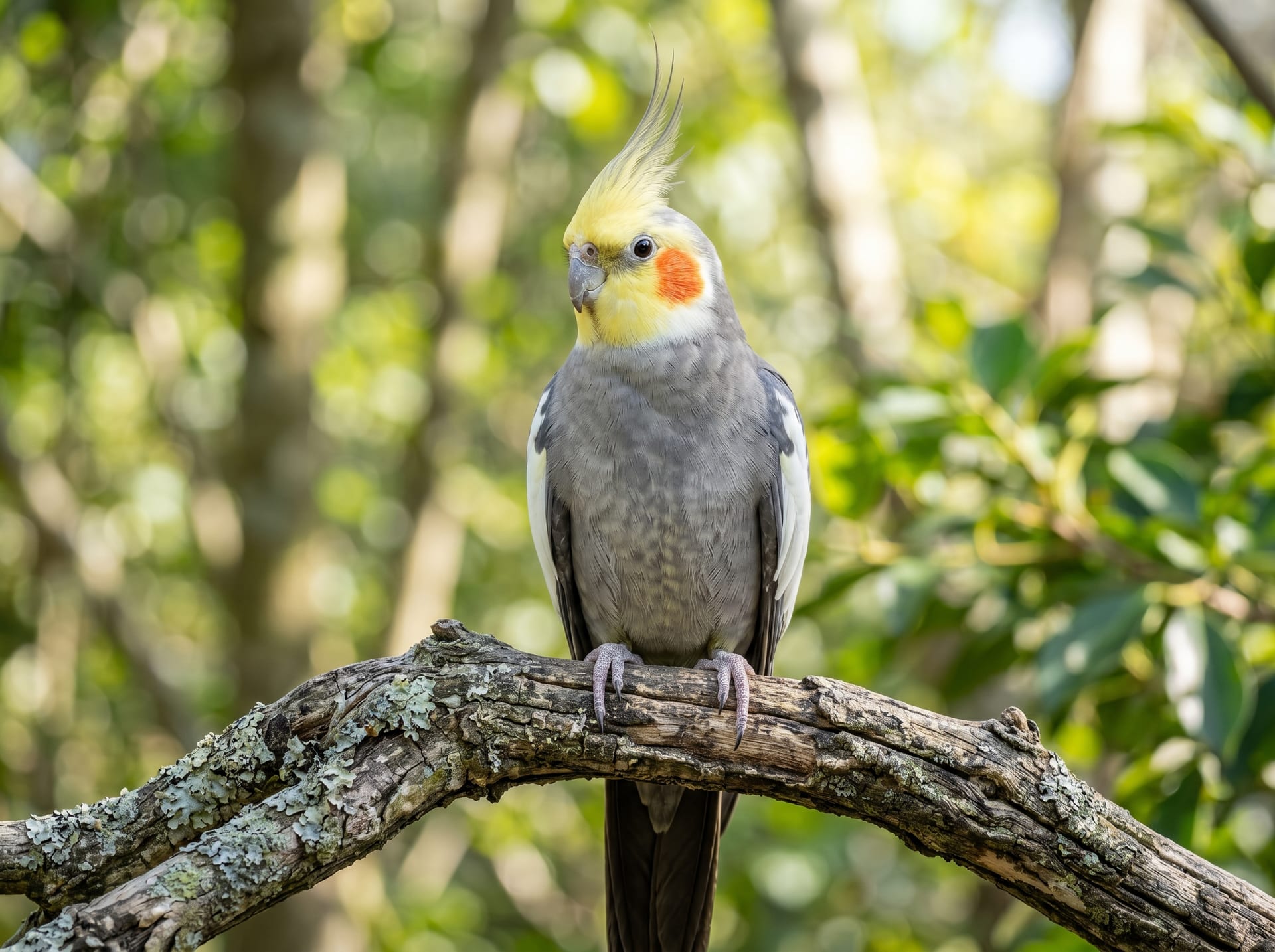
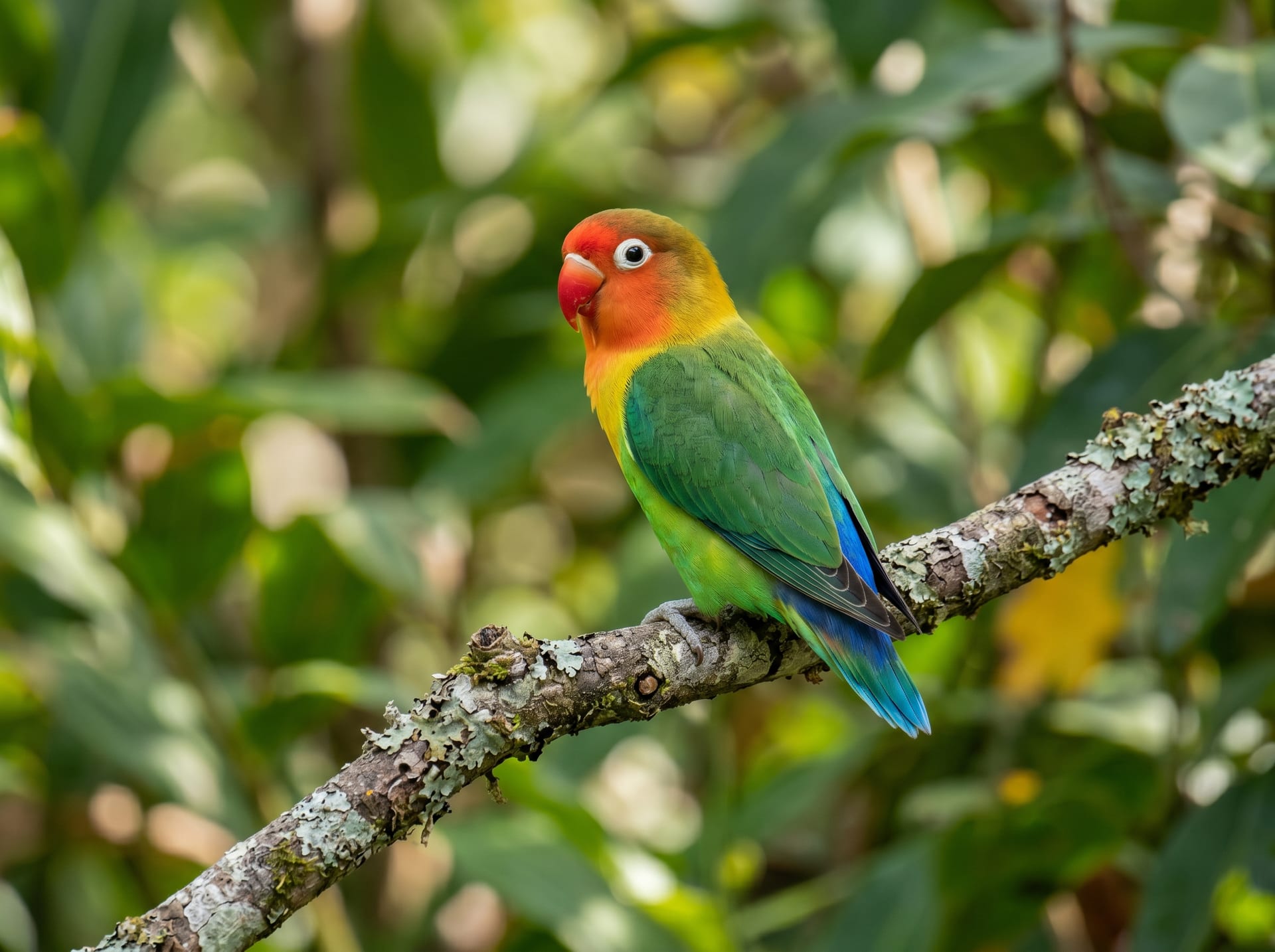
Cockatiels and Peach-faced Lovebirds
2–3 hours or more
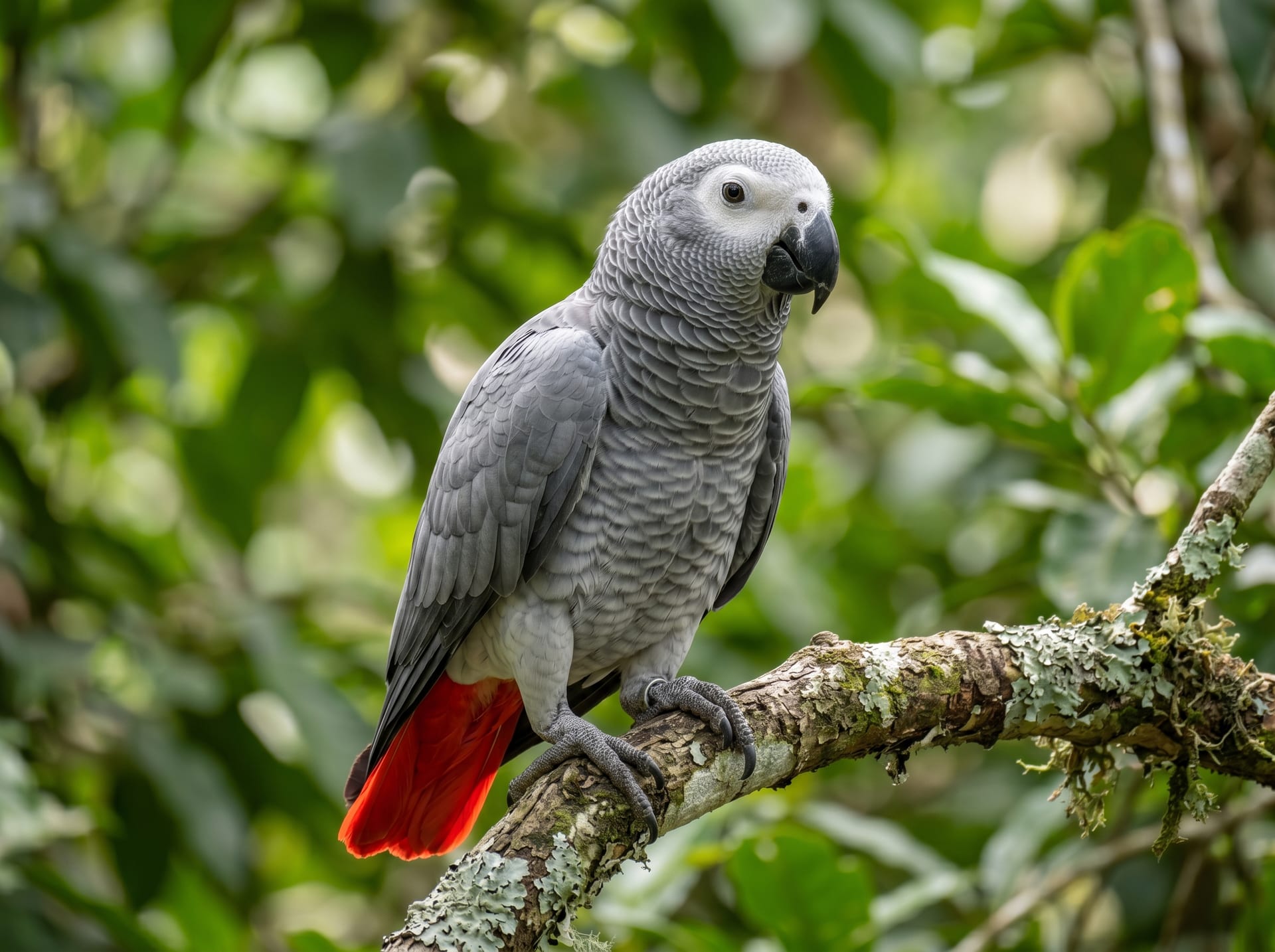
African Grey Parrots, Sulphur-crested Cockatoos, and other large parrots
3–4 hours or more
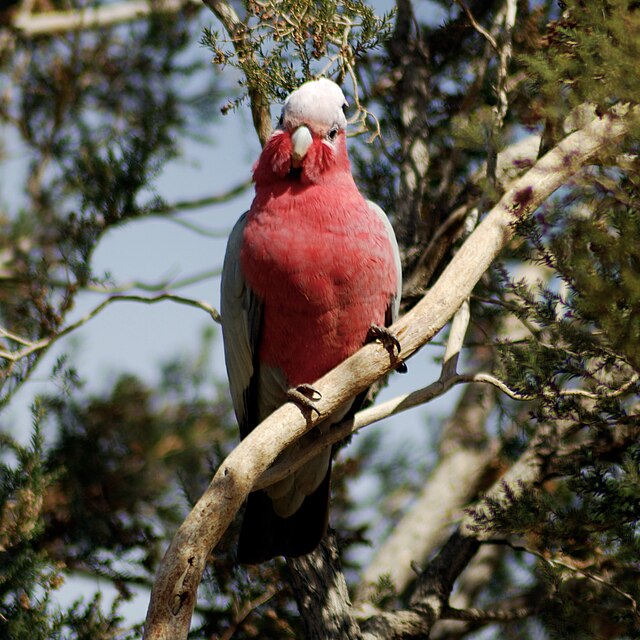
Cockatoos (Rose-breasted Cockatoos, etc.)
4 hours or more (more is ideal)
By releasing your bird at the same time each day, it will establish a routine and feel secure. On days when you cannot provide out-of-cage time, even talking to the bird through the cage or simply sitting nearby can help ease its loneliness.
Play Ideas Your Bird Will Enjoy
To make out-of-cage time enriching, it's important to actively incorporate play, not just release the bird into the room. Play that stimulates a bird's intellectual curiosity greatly helps with stress relief and building trust.
Solo Play with Toys
Wooden and rope chewing toys: Using the beak satisfies instinctive needs and relieves stress. Regularly swap in new toys to provide stimulation.
Bells and hanging toys: Sound and movement stimulate curiosity. Especially popular with Java Sparrows and small parrots.
Foraging toys: Toys designed to hide food inside mechanisms that the bird must figure out to access. They replicate natural foraging behavior, satisfying both mind and body.
Enjoying Interaction with Your Owner
Perching and petting: Gently stroking the head or back is the most effective way to deepen the bond between bird and owner.
Talking and singing together: Birds are excellent at learning sounds and words. Talking to your bird or humming together provides intellectual stimulation.
Rolling small toys and chase games: Especially curious birds readily engage in chasing moving objects.
Free Movement with a Bird Gym
Setting up a bird gym in your room significantly enriches the out-of-cage environment. Commercially available stand-type gyms combine perches, ladders, ropes, and swings, creating a stable "place for your bird" outside the cage. Natural wood perches encourage natural claw wear and contribute to daily health maintenance.
Bird Signs to Watch During Out-of-Cage Time
While out-of-cage time should be enjoyable, it's equally important not to miss signs that your bird is tired or stressed. Bird Health Signs and Feather Care explains more detailed observation points including feather abnormalities, but the signs to particularly watch for during out-of-cage time are:
Fluffed feathers and stillness: This may indicate illness, cold, or severe stress.
Reluctance to fly or sluggish movement: The bird may be unwell; consult a veterinarian promptly.
Excessive vocalization or biting: Often signs of frustration or fear. This may also indicate insufficient out-of-cage time.
Wanting to return to the cage immediately: May be due to an unfamiliar environment or fatigue. Don't force the bird to stay outside.
Out-of-cage time is meaningful only when the bird voluntarily enjoys it. Respond flexibly based on the individual bird's personality and condition.
BreederDirect's Secure and Safe System
BreederDirect is a platform where bird breeders and buyers connect directly. You can find breeders who handle hand-tamed chicks and birds that have been raised with an emphasis on communication.
BreederDirect's strength is the ability to message breeders directly before purchase to confirm their experience with out-of-cage time, the bird's hand-tameness level, and socialization. By asking specific questions like "Is the bird let out daily?" and "Is it comfortable around people other than the owner?" you can choose a bird that fits your lifestyle.
Additionally, all communication with breeders is recorded in the messaging feature, allowing you to proceed with your purchase while preventing misunderstandings about payment terms. As of 2026, both the number of listings and breeders continue to grow steadily. First-time bird owners can find the right match by consulting breeder profiles and past transaction reviews.