Environmental Enrichment Guide for Parrots and Macaws | Playgrounds, Toys, and Cognitive Enrichment for a Fuller Life | ブリちょく
Birds| ✍️ BreederDirect Editorial
Environmental Enrichment Guide for Parrots and Macaws | Playgrounds, Toys, and Cognitive Enrichment for a Fuller Life
A guide to environmental enrichment for reducing stress and improving quality of life for parrots and macaws. Covers effective toy selection, foraging behavior practices, cage layout, and exercise techniques.
Key Takeaways
A guide to environmental enrichment for reducing stress and improving quality of life for parrots and macaws. Covers effective toy selection, foraging behavior practices, cage layout, and exercise techniques.
What is Environmental Enrichment?
Environmental Enrichment is the practice of providing physical, social, and sensory stimuli to allow animals in captivity to exhibit behaviors similar to those in the wild. Parrots and macaws are highly intelligent and curious birds that spend much of their time in the wild engaging in diverse activities such as foraging, flying, social interactions, and nest building. A monotonous cage life can lead to problematic behaviors such as feather plucking (self-mutilation), excessive vocalization, and increased aggression.
✍️
BreederDirect Editorial
The BreederDirect editorial team specializes in care information for animals, covering veterinary care and breeding to deliver beginner-friendly guides.
Find Birds on BreederDirect
Buy directly from verified breeders
Browse Related Listings
Find Birds listings related to this article on BreederDirect. Buy directly from verified breeders.
Related Tools
Related Articles
Browse by Category
🪸Coral
🐠Marine Fish
🐟Tropical Fish
🐡Goldfish
🐟Medaka
🦎Reptiles
Share
Proper environmental enrichment is essential for maintaining the physical and psychological health of birds and building a positive relationship with their owners. It is important not merely to provide toys, but to elicit the bird's natural behavioral repertoire and provide opportunities for choice.
Physical Environment Design
Out-of-Cage Play Areas (Play Gyms)
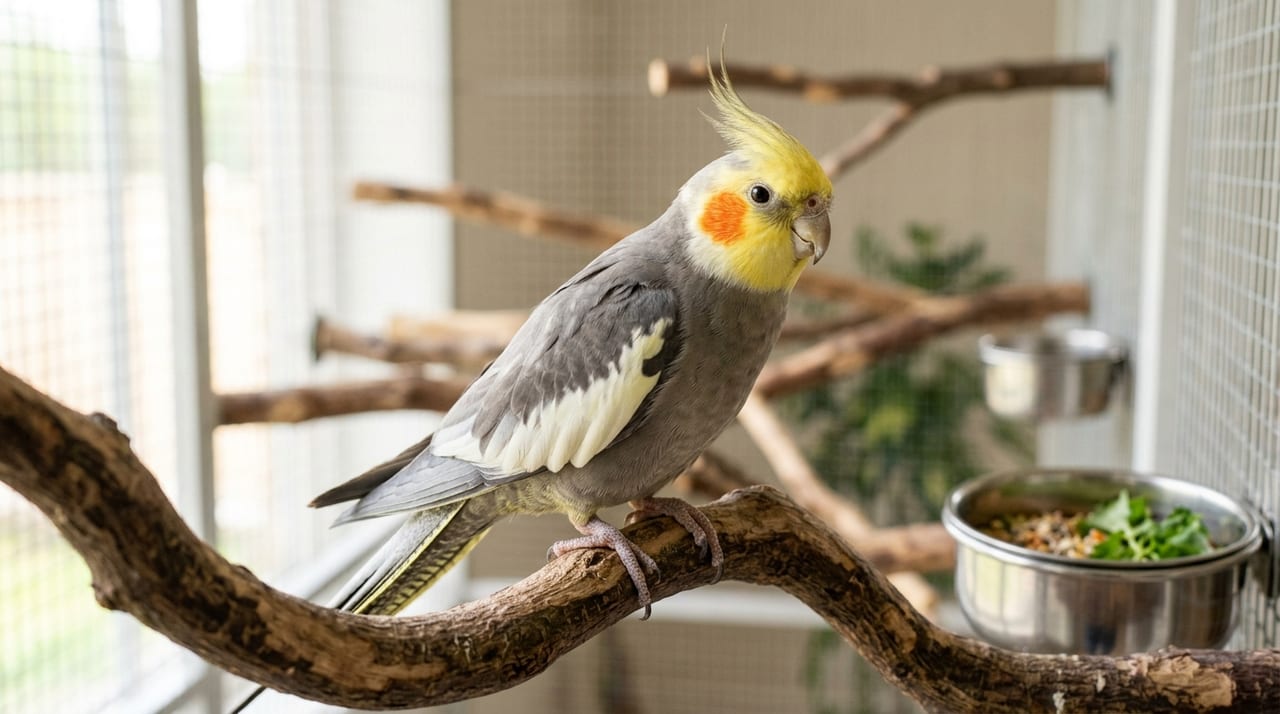
The cage is a bedroom, not a place where birds should spend most of their day. Provide time outside the cage every day whenever possible. Install a dedicated play gym or tree stand with perches at multiple heights, ropes, swings, and ladders.
Use natural wood perches (non-toxic species) of varying diameters to maintain foot health. Arrange the setup to offer choices with a balance of sunny and shaded areas, high and low perches, and open and sheltered spots. Medium to large parrots should spend 2-4 hours daily outside their cage, while smaller parrots should spend at least 1-2 hours.
Foraging Enrichment
Wild parrots spend much of their day foraging. Simply providing food in a bowl does not satisfy this natural behavior. Use foraging toys that allow birds to search for and extract food creatively.
For beginners, start with simple methods such as placing food in paper cups with small holes, wrapping food in newspaper, or hiding it in cardboard boxes. As birds become experienced, progress to more challenging options like acrylic puzzle toys, foraging balls and cylinders, and sliding drawer toys. Rotate multiple foraging toys daily to prevent boredom.
Choosing and Using Toys
Types and Materials
Parrot and macaw toys can be categorized into four types: destructive, exploratory, auditory, and exercise toys.
Destructive toys: Made from materials like wood chips, paper, cardboard, wicker, and palm leaves that birds can chew and destroy. These help with natural beak wear and provide outlets for destructive behavior. These are especially important for medium to large parrots, requiring weekly replenishment.
Exploratory toys: Items like bells, beads, leather cord, mirrors, and puzzle boxes that birds can manipulate. These satisfy curiosity and stimulate problem-solving. However, mirrors require caution—solitary birds may become obsessed with their reflection, mistaking it for a companion.
Auditory toys: Items like bells, chimes, and xylophones that produce sound. These provide auditory stimulation, but since some birds may be frightened, introduce them gradually with soft sounds.
Exercise toys: Swings, ropes, ladders, and chains that encourage physical movement. These help maintain activity levels when flight is restricted.
When selecting materials, avoid metals containing lead or zinc, painted items that chip easily, thin cord (which can entangle feet or neck), and toxic wood or plants.
Rotation and Placement
Prepare 5-10 toys, place only 3-5 in the cage, and rotate them weekly or twice weekly. Keeping the same toys available constantly leads to habituation and loss of interest. When introducing new toys, initially place them outside or away from the cage and allow the bird to acclimate at its own pace. Some birds experience fear when unknown items suddenly appear in their cage.
Place toys near perches and in areas where birds spend time frequently. However, avoid placement directly above water and food dishes, and maintain hygiene.
Cognitive and Social Enrichment
Training and Cognitive Play
Parrots and macaws have strong learning abilities, and training itself serves as excellent enrichment. Through step-up training, target training, and tricks (waving, spinning, color identification, etc.), you deepen mental stimulation and strengthen bonds with owners. Use positive reinforcement as the foundation, rewarding successful responses immediately with treats and praise.
Ideal training sessions are 5-10 minutes, conducted 2-3 times daily. Longer sessions result in loss of focus and reduced learning efficiency. Cognitive toys include puzzles for color and shape identification, tasks to open small containers, and button-press devices that dispense food. You can use commercial products or make DIY versions from safe household materials.
Social Interaction
Parrots and macaws are highly social birds. In single-bird households, the owner replaces the flock, making daily direct interaction (talking, playing, sharing space) essential. Even with multiple birds, dedicate individual time to maintain human relationships.
Television or radio sounds, windowsill placement for outdoor views, and cage placement where family activities are visible all provide visual and auditory stimulation. However, birds need a quiet, dark environment at night, so use a cage cover for light blocking if sleeping in the living room.
Considerations for Species and Individual Differences
Species-Specific Characteristics
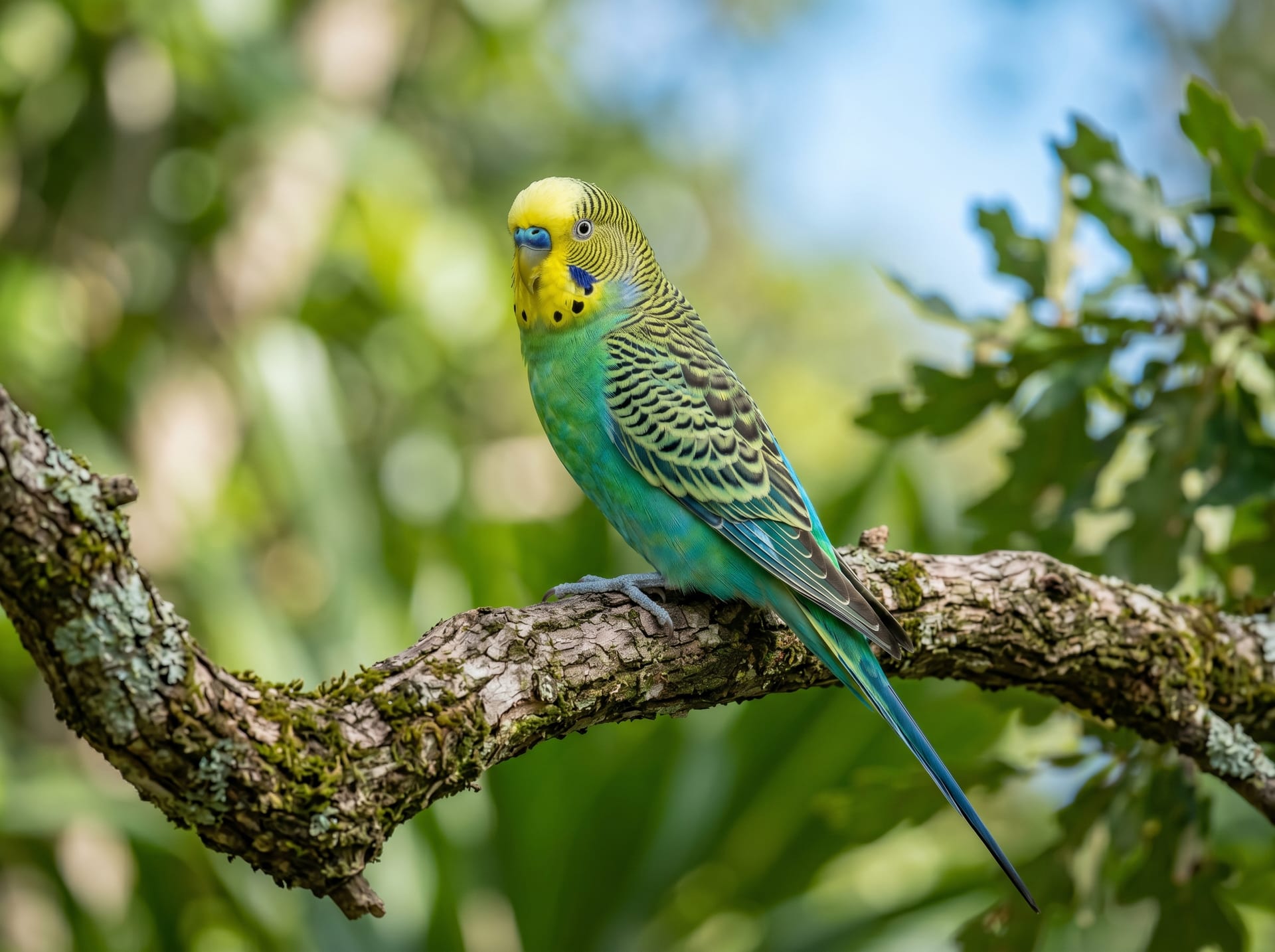
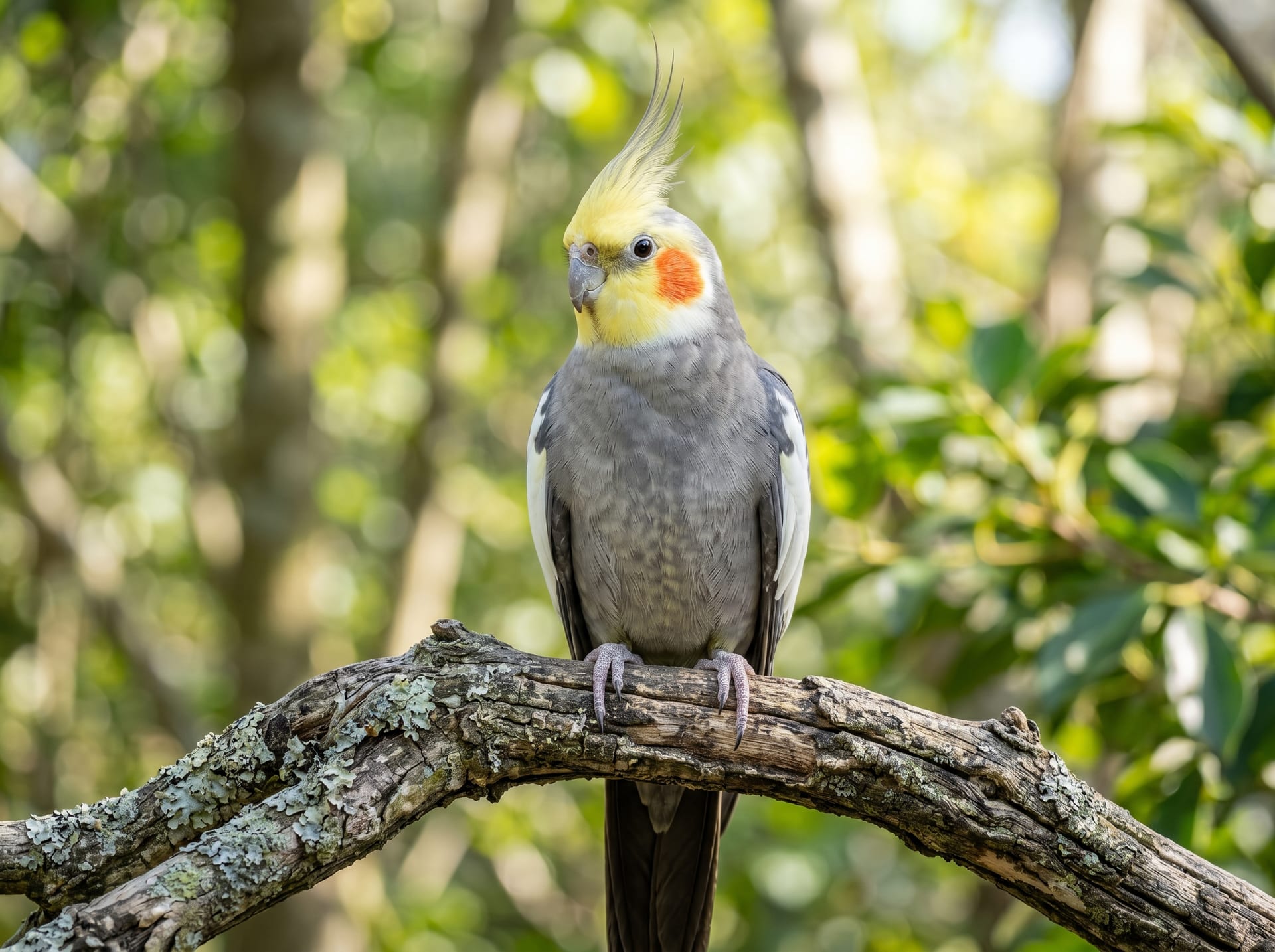
Small parrots (budgies, cockatiels) are active, social, and prefer flock living. They do well in multi-bird households and tend to prefer lightweight, noise-making toys.
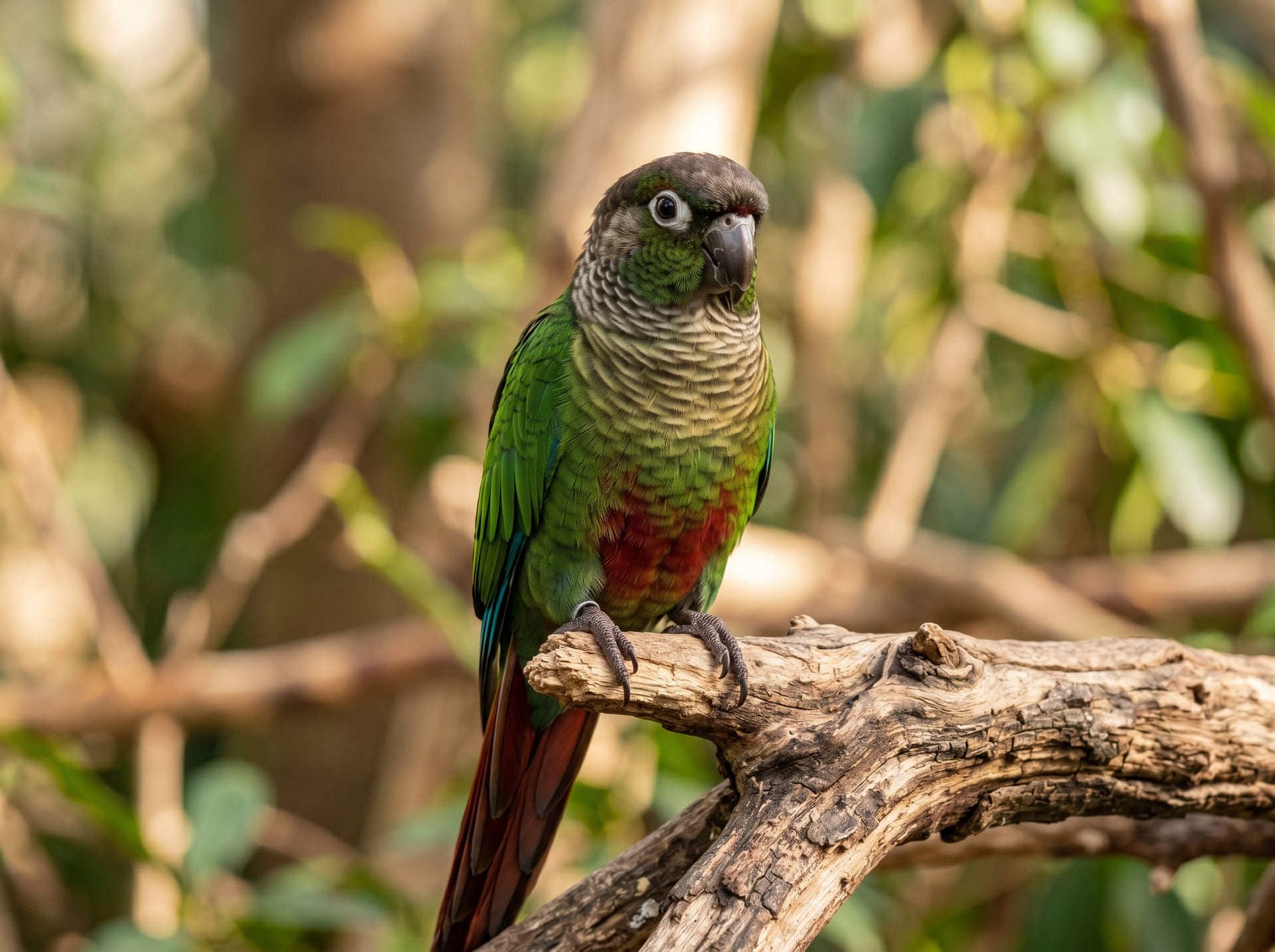
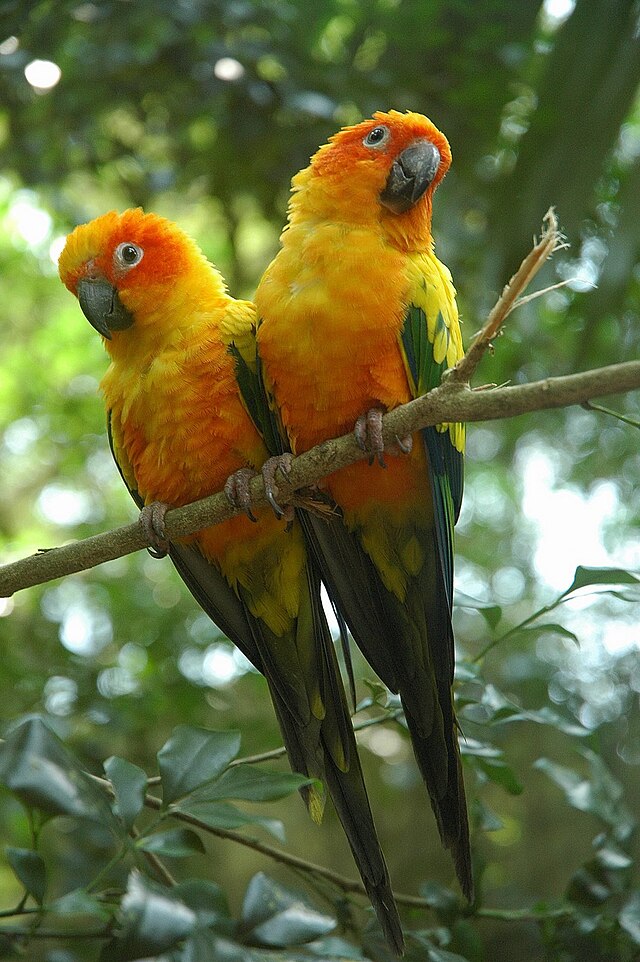
Medium parrots (Scaly-headed, Golden-capped Conures) are playful and destructive, requiring sturdy, complex-structured toys. They have high energy levels and require ample exercise opportunities.
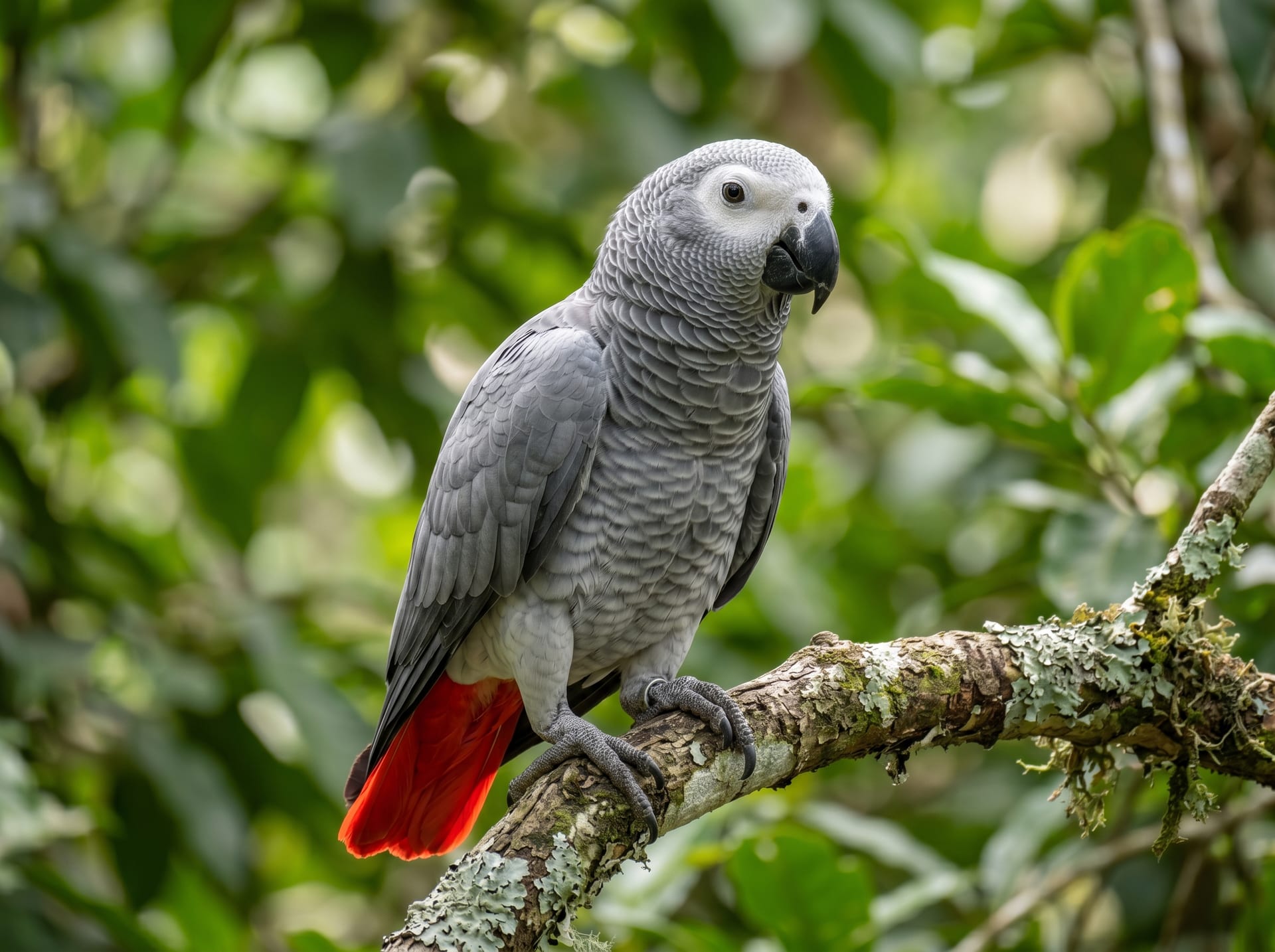
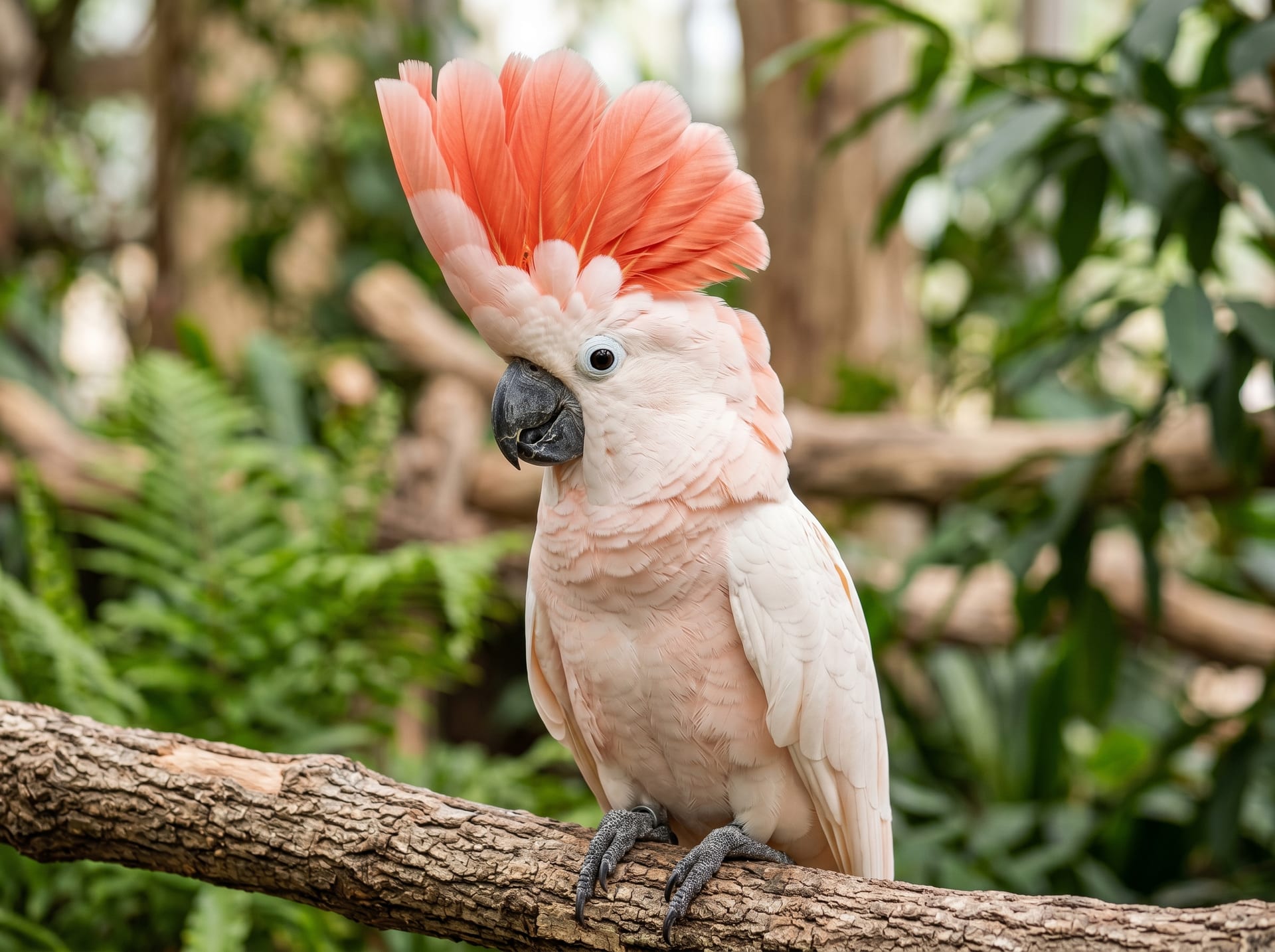
Large parrots and macaws (African Greys, Pionites, Cockatoos) are highly intelligent and easily become bored without cognitive stimulation, leading to behavioral problems. They require high-difficulty puzzles, large toys that can be destroyed over time, and complex training challenges.
Observe Individual Preferences
Individual variation exists even within species. Some are cautious and fear novelty, others are active and destructive, and some are noise-sensitive. Carefully observe your bird's reactions, determine what interests it and how it plays, and adjust enrichment accordingly.
If a bird ignores toys entirely, consider causes such as fear, placement issues, too many options, or poor health. Gradually acclimate the bird by modeling play with toys in front of it and placing reward treats near toys.
Prevention and Treatment of Behavioral Problems
The primary goal of environmental enrichment is prevention of behavioral problems. Feather plucking, excessive vocalization, and aggression often result from boredom, frustration, and stress; enriched environments and proper stimulation provide fundamental solutions.
If behavioral problems are already established, environmental improvements alone may be insufficient. Combine behavioral modification training, veterinary health checks (if pain or disease is involved), and consultation with avian behavior specialists as needed.
The key is prevention before problems begin. Expose chicks and young birds to diverse experiences, habituate them to various toys, people, and environments, and establish regular enrichment habits to achieve healthy, happy birds. Parrots and macaws are long-lived companion animals living over 20 years. Remember that small daily efforts greatly influence their lifelong happiness.