Complete Guide to Bird Cage Environment and Temperature Management | Proper Settings by Season | ブリちょく
Birds| ✍️ BreederDirect Editorial
Complete Guide to Bird Cage Environment and Temperature Management | Proper Settings by Season
Detailed explanation of optimal temperature and humidity levels by companion bird species, cage selection, and seasonal management methods. Covers summer heat stroke prevention and winter heating setup.
Key Takeaways
Detailed explanation of optimal temperature and humidity levels by companion bird species, cage selection, and seasonal management methods. Covers summer heat stroke prevention and winter heating setup.
Related Species
Complete Guide to Bird Cage Environment and Temperature Management | Proper Settings by Season
Proper cage environment and temperature/humidity management are essential for maintaining the health of companion birds. In particular, birds native to tropical and subtropical regions (parrots, macaws, etc.) are sensitive to Japan's climate fluctuations, requiring appropriate measures against summer heat and winter cold. This article provides detailed explanations of appropriate temperature and humidity levels by species, seasonal management methods, cage selection, and placement location.
Bird Temperature Sensitivity and Thermoregulation
While birds are endothermic animals, they have a larger surface area relative to body weight compared to mammals, making them susceptible to environmental temperature changes.
Thermoregulation Mechanisms
When body temperature is high: Heat dissipation through beak and vent, spreading wings, bathing
When body temperature is low: Fluffing feathers to create air layers, curling up to reduce surface area
Warning signs: Continuously fluffed feathers indicate illness or cold stress
Recommended Temperature by Species
Species
Recommended Temperature
Notes
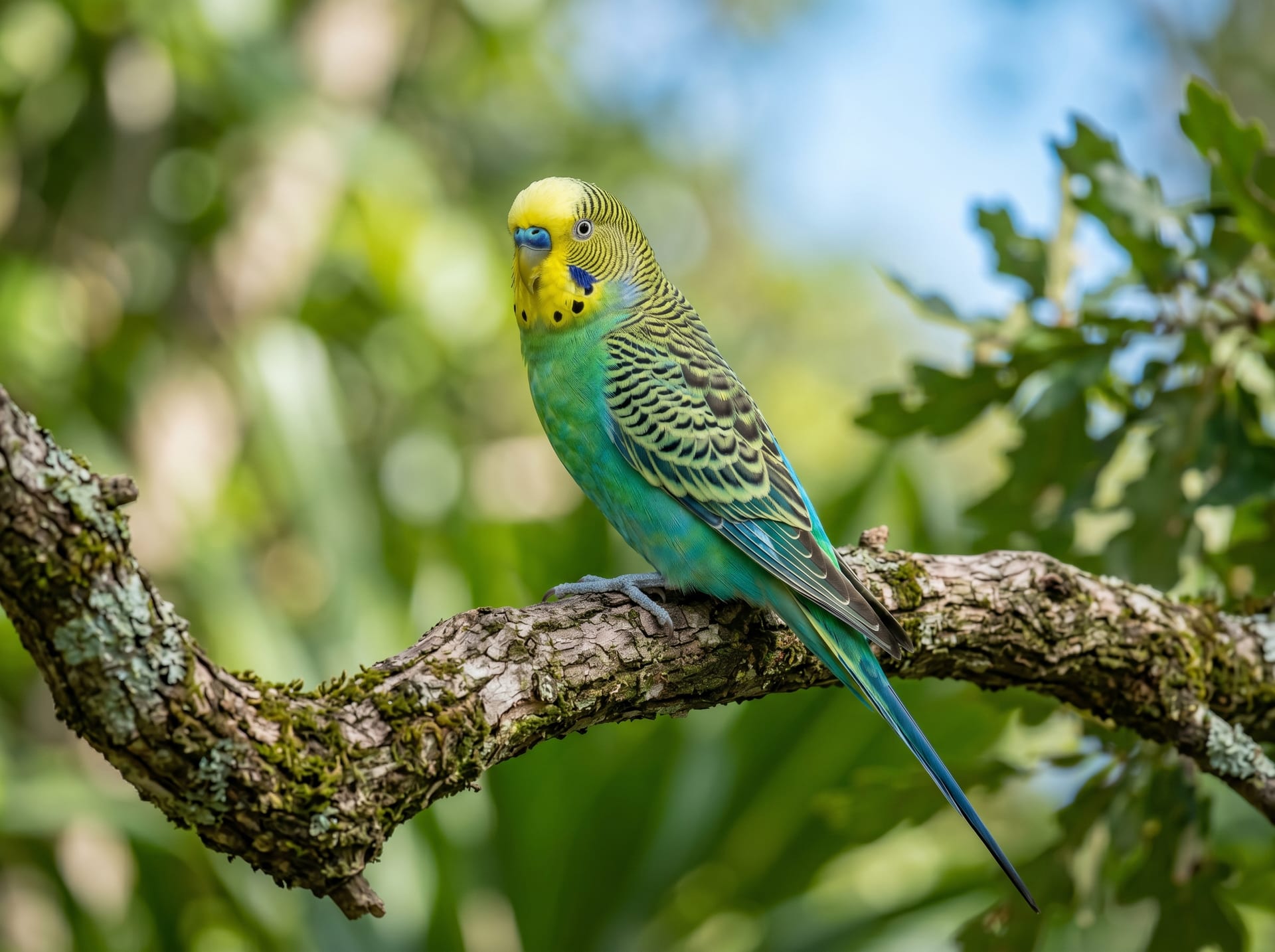
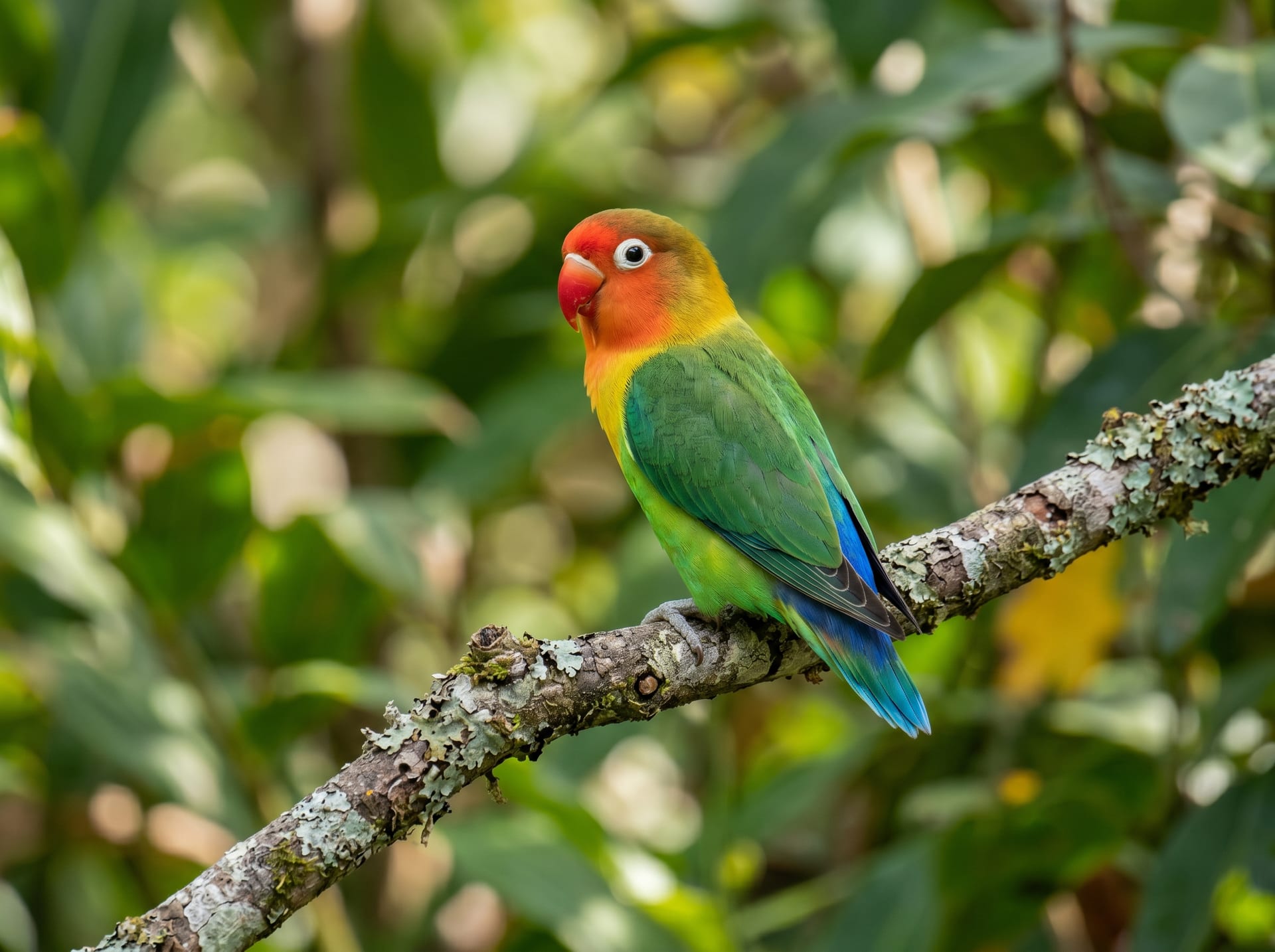
Budgerigar
18–28°C
Risk of heat stroke above 30°C
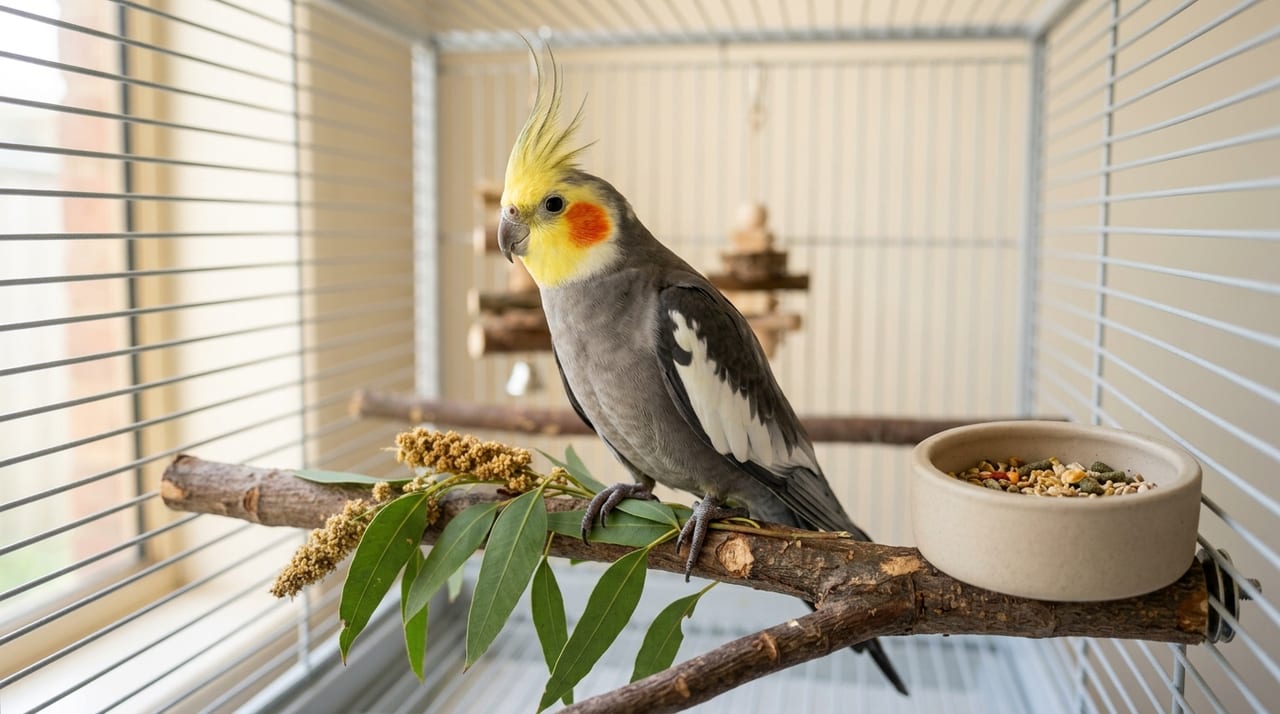
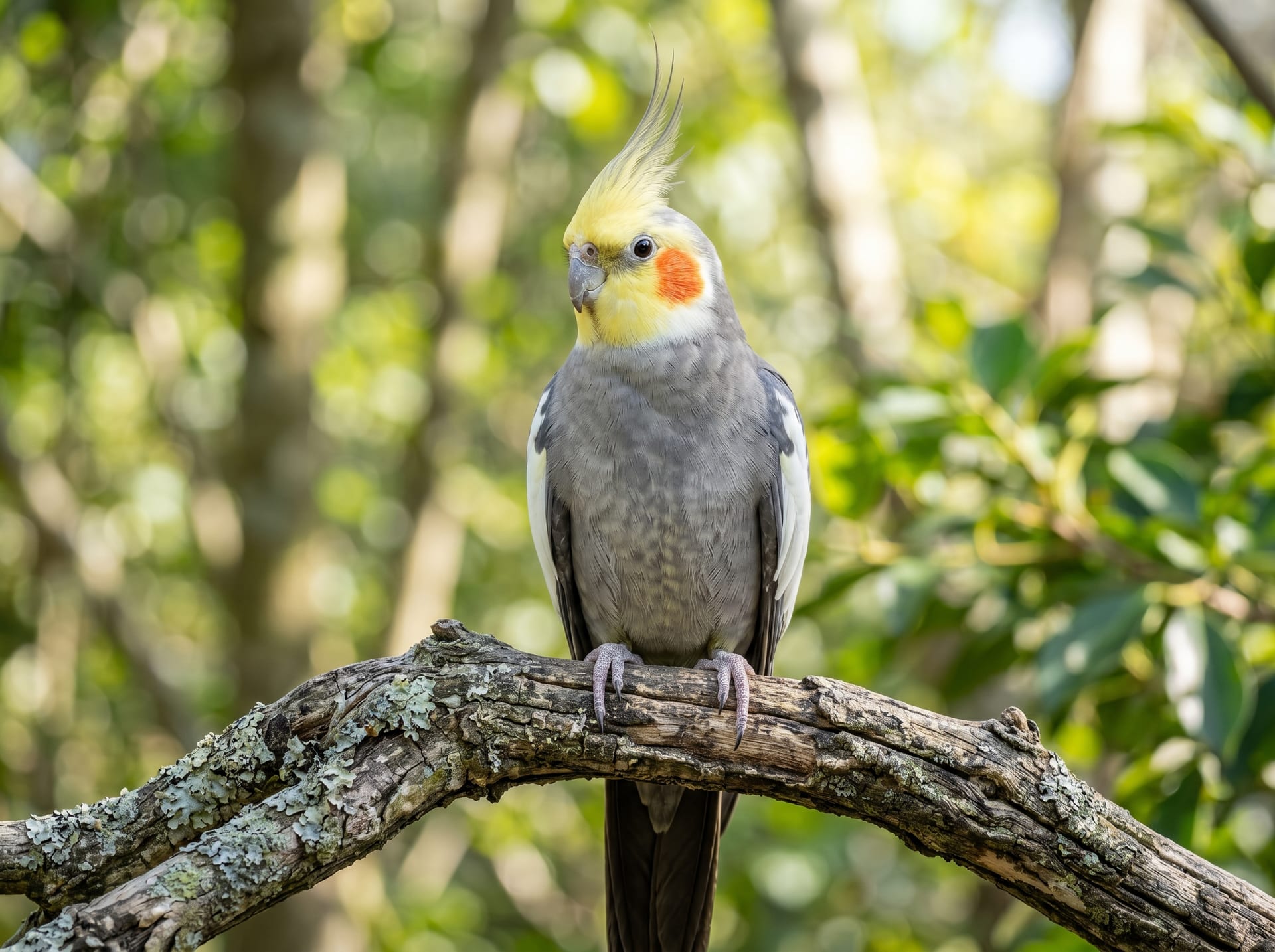
Cockatiel
18–28°C
Relatively cold-resistant but sensitive to sudden changes
✍️
BreederDirect Editorial
The BreederDirect editorial team specializes in care information for animals, covering veterinary care and breeding to deliver beginner-friendly guides.
Find Birds on BreederDirect
Buy directly from verified breeders
Browse Related Listings
Find Birds listings related to this article on BreederDirect. Buy directly from verified breeders.
A cage must be large enough for the bird to fully spread its wings with room to spare.
Minimum size guidelines:
- Small birds (budgerigars, Java sparrows): Width 45cm × Depth 35cm × Height 45cm or larger
- Medium birds (cockatiels): Width 60cm × Depth 50cm × Height 60cm or larger
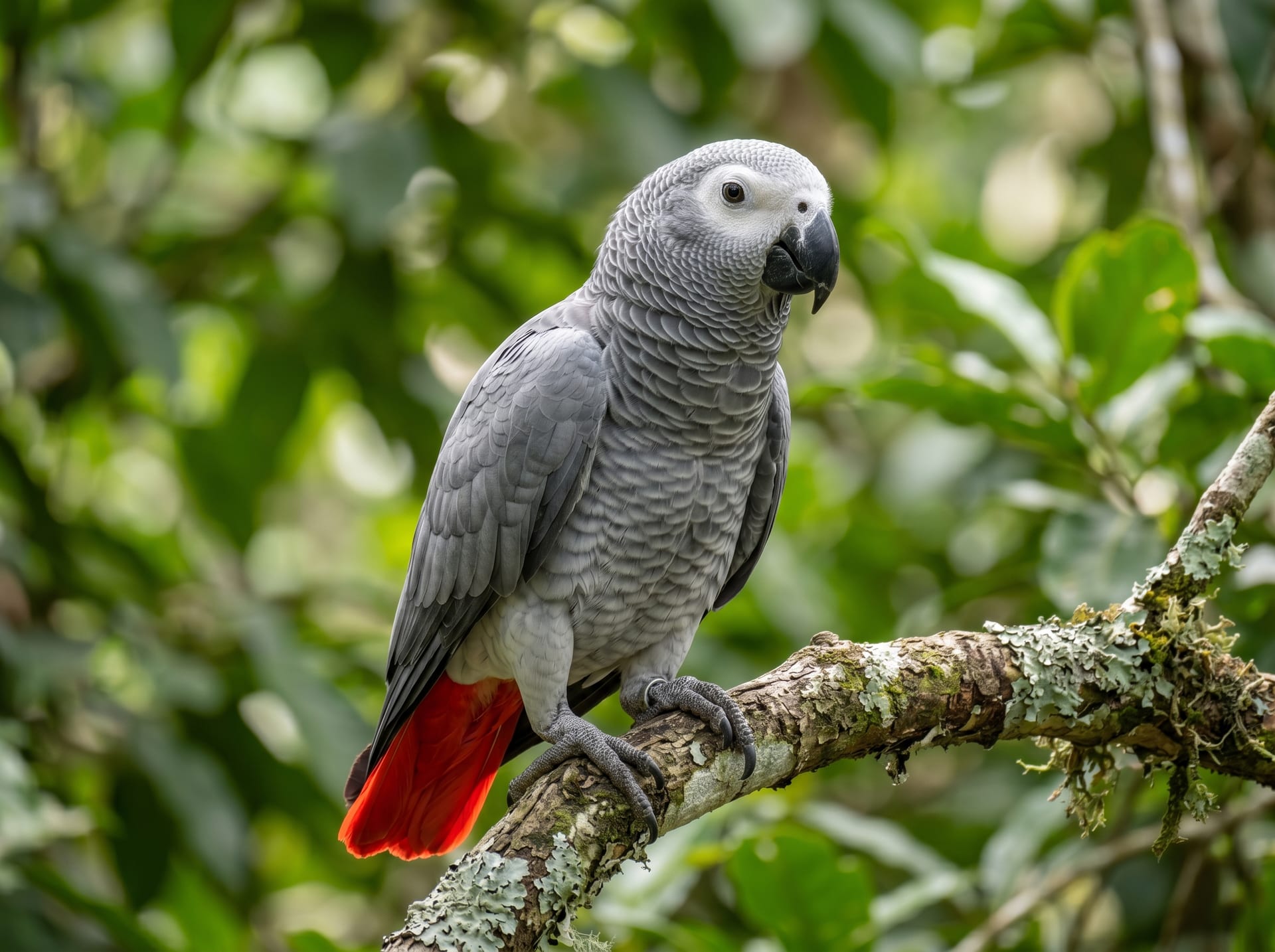
- Large birds (African greys): Width 90cm × Depth 60cm × Height 120cm or larger
Materials and considerations:
- Stainless steel: Rust-resistant and durable; easy to clean (recommended)
- Galvanized steel: Risk of zinc toxicity when new; avoid if possible
- Plastic: May be damaged by chewing
Selecting a Placement Location
Suitable locations:
- Near high-traffic areas like the living room (prevents isolation)
- A bright location without direct sunlight (diffuse window light through sheer curtains)
- Against a wall for security (provides sense of safety)
Locations to avoid:
- Near the kitchen (toxic fumes from fluoropolymer-coated cookware can be fatal)
- Direct air from air conditioning (sudden temperature changes and dryness)
- Window corners (nighttime chilling and excessive daytime heating)
- Areas exposed to cigarette smoke (serious respiratory damage)
Seasonal Temperature and Humidity Management
Spring (March–May): Molting Period Care
Spring is when many birds undergo molting (increased feather dust).
Care points:
- During molting, nutritional requirements increase; provide protein-rich diet
- Birds may be slightly off-color during molting; minimize stress
- Temperature fluctuations are pronounced; be especially careful (note daily temperature swings above 10°C)
- Recommended temperature: 20–25°C
Summer (June–September): Heat Stroke Prevention
Japanese summers pose significant risk to birds. Even tropical species can suffer in heated, sealed indoor spaces.
Heat stroke symptoms:
- Wings spread with beak open and rapid breathing (panting)
- Inability to move; lethargy
- Elevated body temperature; feathers appear thin
Summer measures:
- Air conditioning management: maintain 27–28°C or below (avoid direct airflow)
- Keep AC running even when away (consider power outage backup)
- Place ice packs near cage (heat stroke emergency response)
- Increase bathing opportunities (2–3 times weekly)
- Use cage covers to block sunlight (prevent greenhouse effect)
Heat stroke emergency response:
1. Move to a cool location
2. Mist feathers with lukewarm water (not cold)
3. Use fan for gentle breeze (avoid direct draft)
4. If conscious, offer diluted electrolyte water
5. Seek veterinary care immediately
Autumn (October–November): Preparing for Winter
Autumn marks the beginning of rapid temperature decline.
Care points:
- Transition from summer AC management to winter heating
- Some birds may enter breeding season as daylight decreases (maintain stable nutrition and environment)
- Some species undergo molting during this period
- Begin inspecting and preparing heating equipment
Winter (December–February): Heating Management
Japanese winters are the most challenging season for tropical and subtropical bird species.
Power outage and emergency measures:
- Wrap cage with thick blankets
- Place hand warmers wrapped in towels outside cage (no direct contact)
- Keep pet emergency heat bags in reserve
Humidity Management
Optimal Humidity and Maintenance Methods
Most companion birds prefer 40–60% humidity.
Risks of dry air (humidity 30% or below):
- Skin and mucous membrane drying
- Feather condition deterioration
- Increased respiratory infection risk
Risks of excessive moisture (humidity 80% or above):
- Mold growth
- Increased risk of bacterial respiratory infections
- Feather degradation
Humidity management methods:
- Install humidifier (winter dry air prevention)
- Use dehumidifier (rainy season and summer dampness control)
- Partial humidifying through bathing
Cage Cleaning and Hygiene Management
Daily Cleaning Schedule
Frequency
Tasks
Daily
Remove droppings from tray; change water; wash food dishes
Weekly
Wipe down entire cage; clean perches
Monthly to bi-monthly
Complete cage disassembly and cleaning (hot water sanitization or chlorine-based cleaning)
Cleaners that can be used:
- Diluted vinegar solution (natural disinfectant)
- Avian-safe specialized disinfectants
- Avoid: Fluoropolymer-coated products (never use for cage cleaning), strong chlorine cleaners (dry thoroughly before use)
Summary
Cage environment and temperature management are fundamental to bird health. In Japan's climate, summer heat stroke prevention and winter cold management are annual necessities. Maintaining proper temperature (18–28°C) and humidity (40–60%), while protecting from direct sunlight, direct air conditioning drafts, and toxic kitchen fumes, are the keys to longevity and wellness.
Pay special attention at seasonal transitions and prepare heating and cooling equipment in advance to ensure a long, happy life with your companion bird.