Bird Cage Selection Guide: Size by Species, Materials, and Installation Tips
A detailed explanation of how to choose cages by species such as parakeets, Java sparrows, and large birds. We introduce methods for calculating necessary sizes, comparisons of stainless steel/acrylic/galvanized materials, and installation location and environmental setup.
Key Takeaways
A detailed explanation of how to choose cages by species such as parakeets, Java sparrows, and large birds. We introduce methods for calculating necessary sizes, comparisons of stainless steel/acrylic/galvanized materials, and installation location and environmental setup.
Related Species
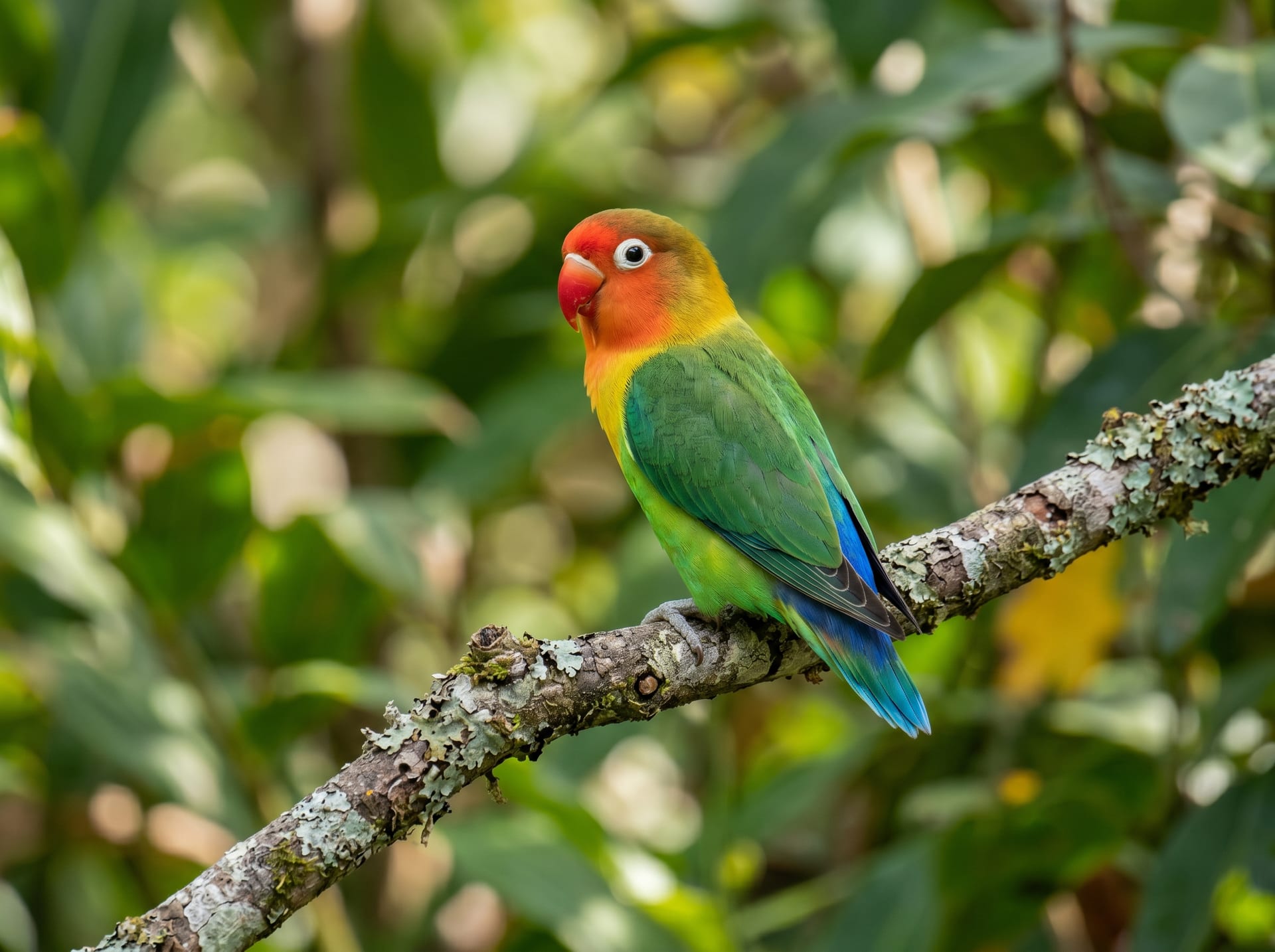
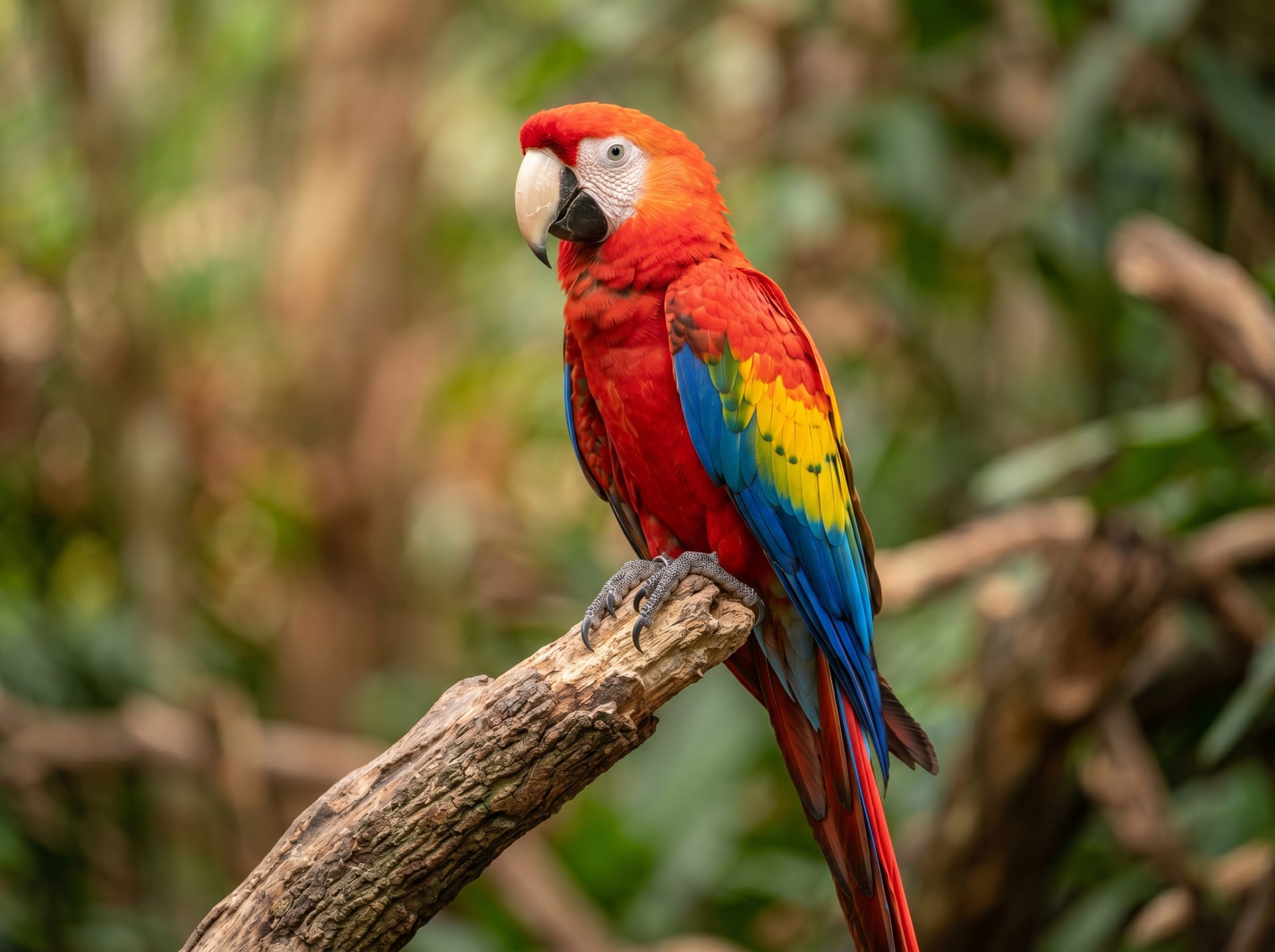
How to Choose Cage Size by Bird Species
Before bringing a bird home, the first decision many face is "which cage should I choose?" A cage is not just a "container"—it's the living space where your bird spends most of its day. Choosing the right size and structure for your bird's species directly impacts its health and ability to engage in natural behaviors.
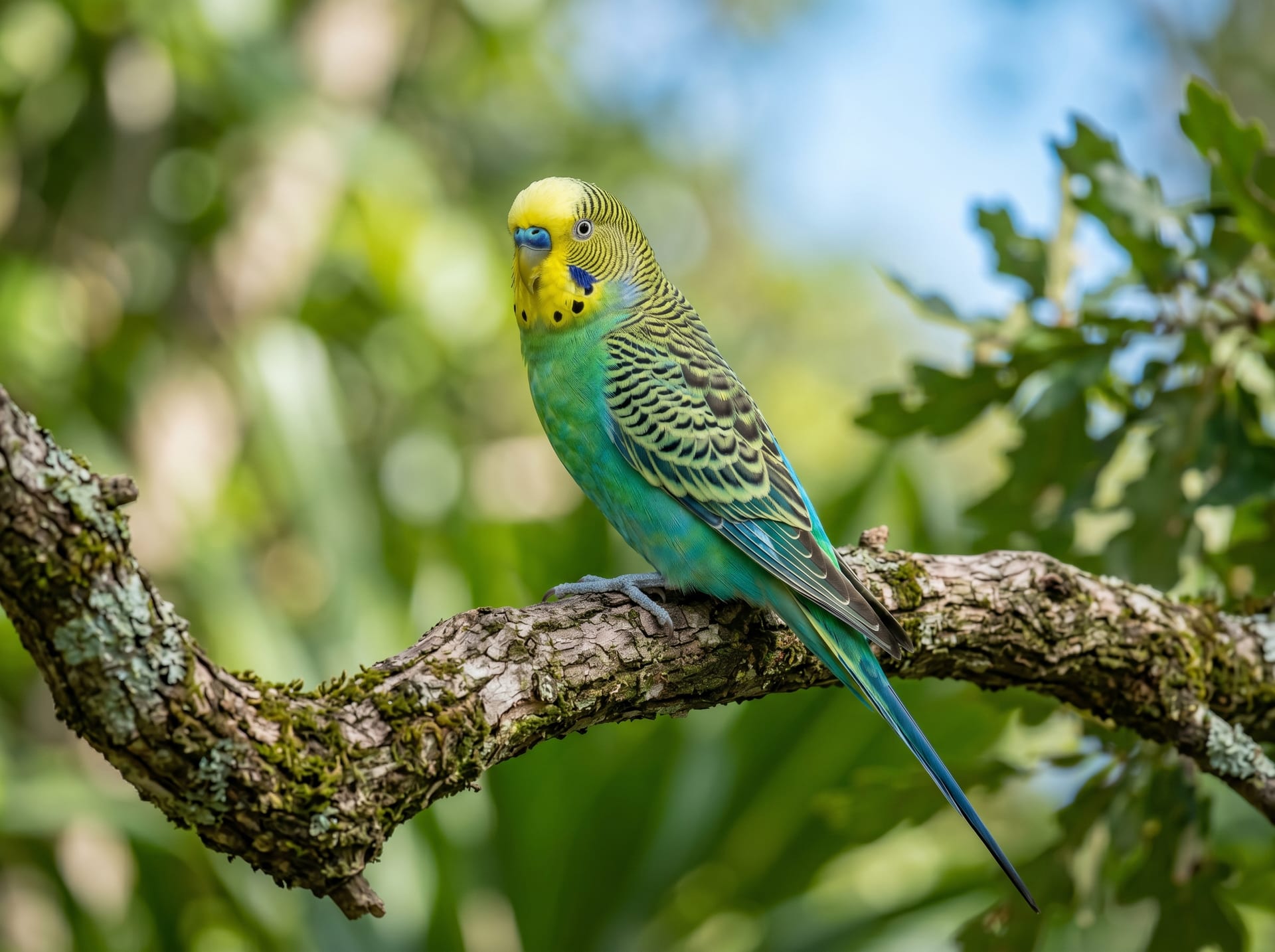
Budgies and Java Sparrows (Small Birds) For small birds around 15-17cm in length, a minimum cage size of 40cm (width) × 30cm (depth) × 40cm (height) is recommended. However, this is the "bare minimum"—extra space for flying is always better. Java sparrows prefer vertical movement, so a tall, narrow cage design works well for them. Budgies are more active horizontally, so giving them extra width is ideal.
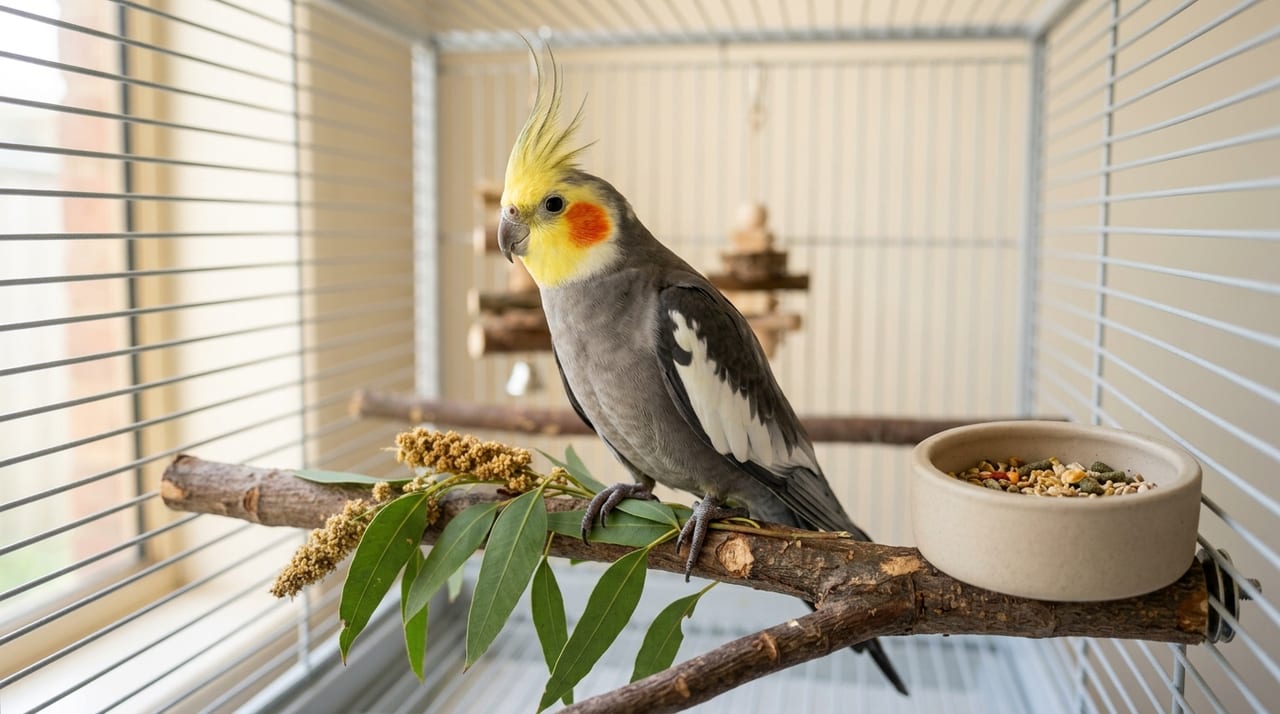
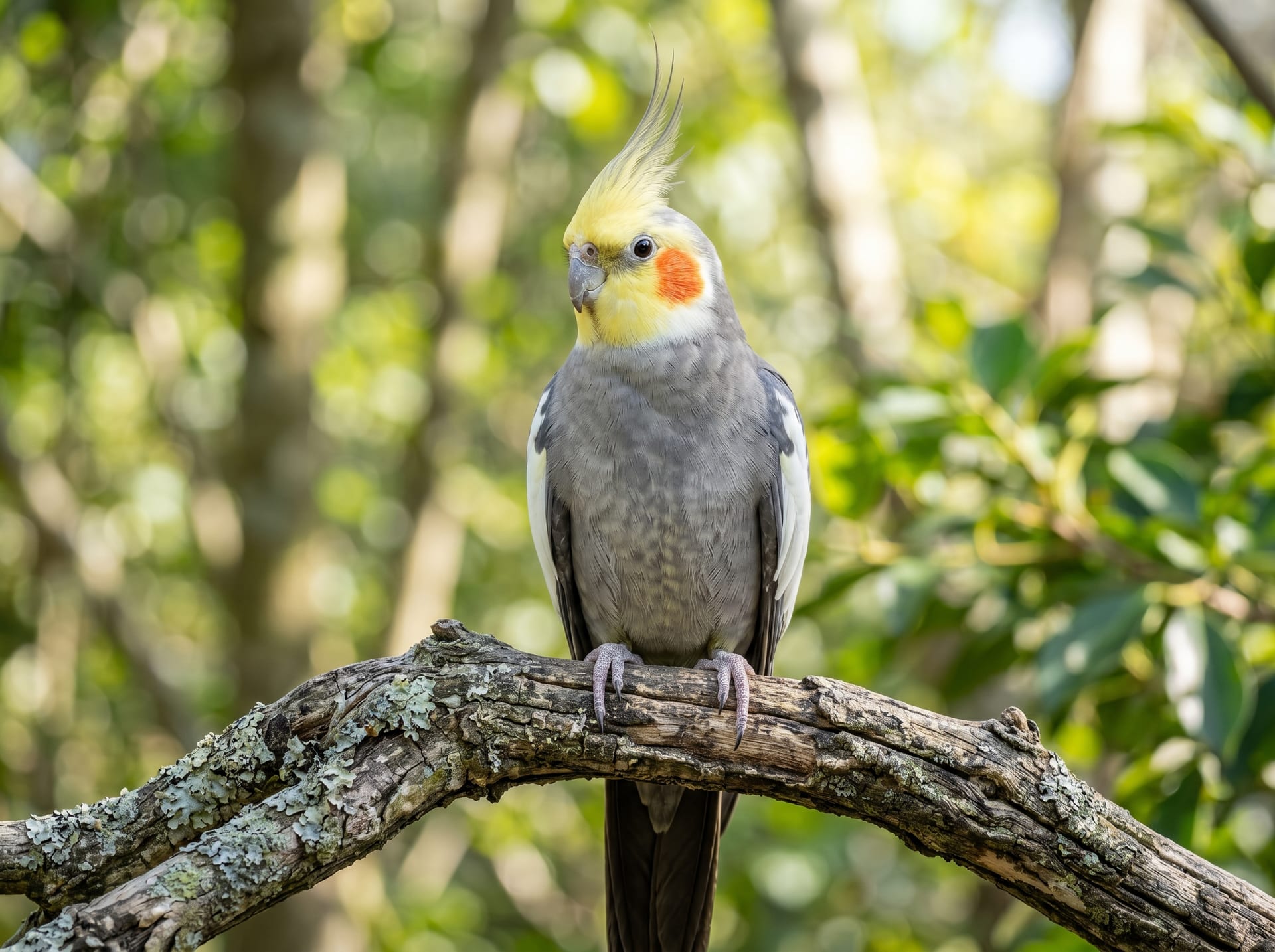
Lovebirds and Cockatiels (Medium Birds) For medium-sized birds around 20-35cm in length, aim for at least 50cm (width) × 50cm (depth) × 60cm (height) or larger. Cockatiels are especially prone to "cockatiel panic" when startled, thrashing around suddenly. A narrow cage can cause them to injure their wings and beaks. Choosing a slightly larger cage reduces the risk of injury.
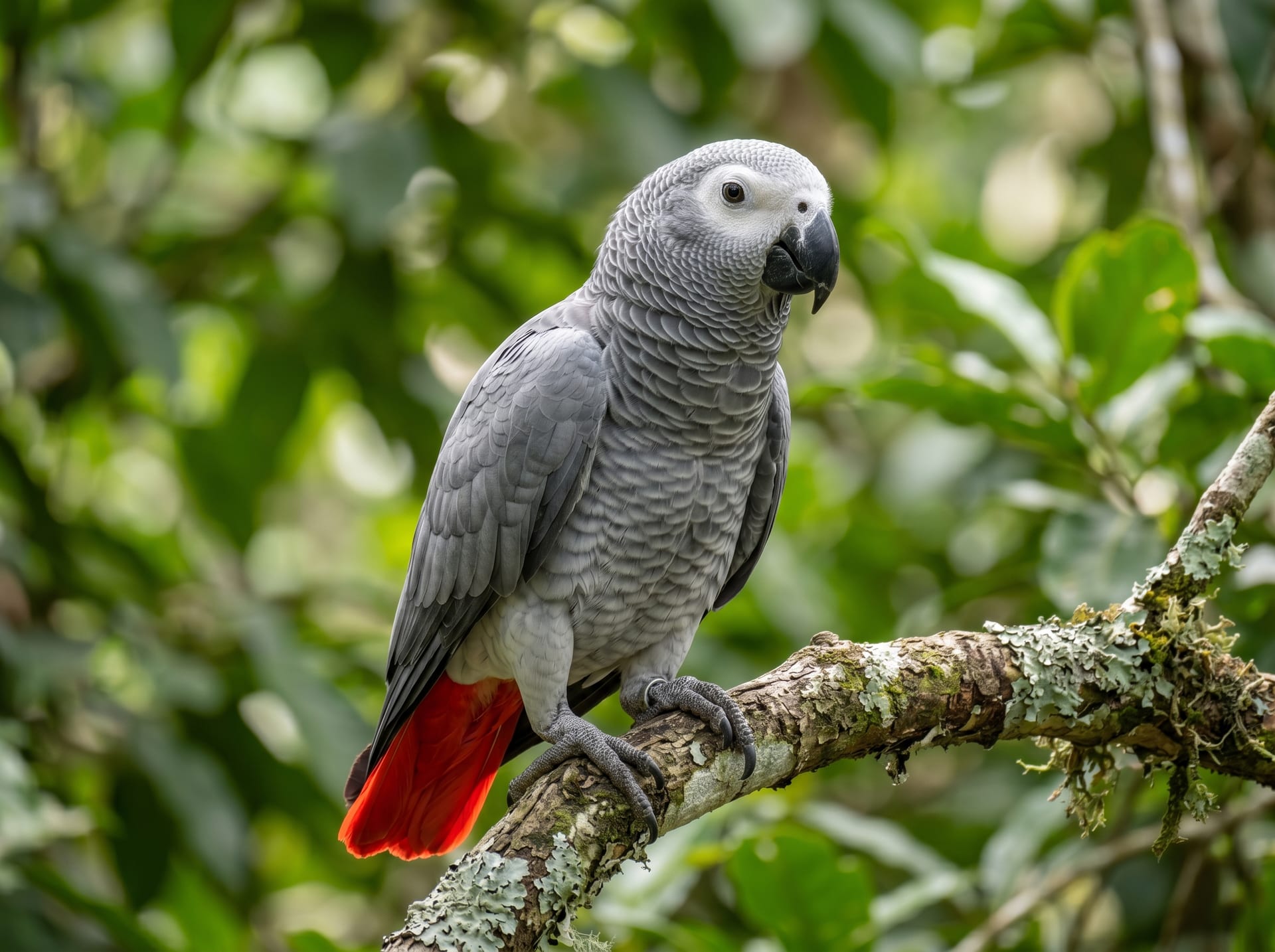
African Greys and Macaws (Large Birds) Large birds reaching 60-100cm in length require at least 80cm (width) × 80cm (depth) × 100cm (height) or more. Large birds are powerful and can escape or damage small, thin-walled cages. A sturdy, spacious cage designed for large birds is essential.
A basic rule to remember for sizing: the cage width should be 2-3 times the span of the bird's wings. Add space for perches, food bowls, and water containers when making your final decision.
Cage Material Characteristics and Comparison
Cage materials have a major impact on durability, safety, and ease of maintenance. Let's review the main options.
Stainless Steel The most recommended material today. It resists rust and won't release harmful substances even if the bird chews it. It's easy to clean and disinfect, making it ideal for long-term care. The downside is higher cost. However, its long lifespan makes it cost-effective in the long run. Stainless steel is especially important for large birds and those with strong beaks.
Galvanized Steel (Zinc-Plated or Hot-Dip Galvanized) More affordable and readily available, but zinc can be ingested if the bird chews it. Zinc toxicity causes vomiting, diarrhea, and neurological symptoms, potentially leading to death. For new cages, choose ones that are "baked/treated," or wipe them with vinegar before use. Not recommended for long-term use.
Acrylic (Bird Cages) Sleek in appearance and easy to match home décor, with the added benefit of containing feathers and food debris. However, low air circulation requires careful temperature management and ventilation in warm weather. Best suited for small birds like Java sparrows and budgies. Not recommended for birds with strong chewing habits.
Painted Finish (Powder Coat, etc.) Attractive appearance and mid-range pricing, but paint can chip when chewed, risking ingestion of harmful compounds. Verify that pet-safe, approved paints were used before purchasing.
Installation Location and Environmental Setup Tips
Even the best cage can stress your bird if placed in the wrong location. Follow these guidelines to create a comfortable environment.
Sunlight and Ventilation Natural light is essential for birds' health. A windowsill is ideal, but direct sunlight can cause heatstroke. A spot receiving light filtered through sheer curtains is best. Also, poor air circulation allows ammonia and dust to accumulate, so ensure good air flow around the cage.
Placement Against Walls or in Corners Position the cage with its back and at least one side against a wall. Birds naturally prefer having their backs protected, just as they would in the wild. This gives them more stability than being surrounded by open space.
Height Standard: At Eye Level Adjust the cage with a stand or rack so the bottom is 60-90cm above the floor. Birds feel less secure when perched below eye level. However, too high creates a fall risk. Position it at about chest to eye height.
Locations to Avoid
- Near the kitchen: Gases from Teflon-coated cookware are lethal to birds
- In direct air conditioning or heating drafts: Difficult for the bird to regulate body temperature
- High-traffic hallways: Causes surprise and stress
- Where the bird can see outdoor predators like cats or crows: Creates constant tension
Cage Layout: Perch, Food Bowl, and Toy Placement
After selecting the right cage, its interior layout is equally important. How you arrange these items can significantly affect your bird's quality of life.
Perch Material and Diameter The plastic perches often included with cages are uniformly sized and don't condition the feet, potentially causing "bumblefoot" (pododermatitis). Use multiple natural wood perches (cherry, cypress, or bird wood) of varying diameters. Aim for a diameter where the bird's toes wrap about 3/4 of the way around.
Perch Placement Install one perch high and one low, allowing the bird to choose where to move. Avoid placing perches directly above food and water bowls (droppings will soil them).
Food and Water Bowls Always use covered bowls or place them high enough to prevent contamination from droppings. Change water daily. If using an automatic waterer, clean it regularly.
Appropriate Toy Amount Too many toys make the cage cramped and restrict movement. Two to three toys is a good baseline—rotate them occasionally to prevent boredom. Mix different materials and functions, such as chewing sticks, foraging toys, and bells.
Maintenance Habits for Keeping the Cage Clean
Even the highest-quality cage won't protect your bird's health if left dirty. Develop a simple maintenance routine.
Daily Care
- Remove and replace the bottom tray with fresh newspaper or paper bedding
- Wash water bowls and refill with fresh water
- Remove leftover food from bowls and refill with fresh food
Weekly Care
- Clean perches and food bowls with hot water or diluted hypochlorous acid solution, then dry thoroughly
- Wipe down cage bars to remove droppings and food debris
Monthly Care
- Fully disassemble and deep clean the cage. Move the bird temporarily to a carrier and thoroughly wash all parts
- Inspect joints and locking mechanisms for rust or deterioration
A clean cage is the first defense against infections, parasites, and mold. The effort you invest pays dividends in your bird's longevity and health.
Conclusion: Cage Selection Is an Investment in Your Bird's Life
There's no single "correct" cage, but keeping three essentials in mind makes all the difference: "proper size for your bird's species," "safe materials," and "a comfortable living environment." You don't need perfection from the start. The joy of being a bird owner comes from observing your bird's growth and behaviors, then making gradual improvements over time.
A cage is not disposable—it's the "home" you and your bird will share for years. Within your budget, choosing the largest and safest option possible will ultimately extend your bird's lifespan and enhance its well-being.