Bird Breeding Season Care Guide | Preventing Excessive Egg-Laying and Hormonal Issues with Seasonal Management
A guide to breeding season care for birds. It covers ways to prevent excessive egg-laying and hormonal problems, such as limiting daylight to 8–10 hours a day, removing dark spots that could serve as nests, and not stroking the back or lower back. If a bird keeps laying more than 10 eggs a year, consult a veterinarian.
Key Takeaways
A guide to breeding season care for birds. It covers ways to prevent excessive egg-laying and hormonal problems, such as limiting daylight to 8–10 hours a day, removing dark spots that could serve as nests, and not stroking the back or lower back. If a bird keeps laying more than 10 eggs a year, consult a veterinarian.
If you keep small birds like parakeets and Java sparrows, you may notice sudden behavioral changes in spring and autumn. The problems associated with "breeding season"—increased aggression, repeated egg-laying, and feather plucking—are important topics in pet bird health management. This article explains the characteristics of breeding season, the risks of excessive egg-laying, and measures to prevent hormonal issues.
What is Breeding Season?
Wild birds experience changes in daylight hours, temperature, and food availability with the seasons, and only enter breeding season during optimal breeding times. However, indoor pet birds are kept in warm environments year-round with abundant food and stable lighting, which can cause the breeding switch to remain permanently on.
Breeding Season Signs (Females):
Nesting behavior (hiding in dark places like the back of drawers)
Abdominal swelling
Increased appetite and excessive water consumption
Increased droppings with larger volume and size
Egg-laying (whether fertilized or unfertilized)
Breeding Season Signs (Males):
Mating behavior directed at specific toys or human hands
Increased aggression (biting and threatening behavior)
Stronger territorial behavior
Birds kept alone may regard a particular family member, their own reflection in a mirror, a favorite toy, or the like as a "mate" and show breeding behavior. Even if it looks like simple affection to the owner, the bird's body remains in the same hormonal state as during the breeding season, so caution is needed.
Risks of Excessive Egg-Laying
A major issue for female birds is excessive egg-laying. Because calcium is depleted from the body each time an egg is laid, frequent egg-laying increases the following risks.
Main Risks:
✍️
BreederDirect Editorial
The BreederDirect editorial team specializes in care information for animals, covering veterinary care and breeding to deliver beginner-friendly guides.
Find Birds on BreederDirect
Buy directly from verified breeders
Browse Related Listings
Find Birds listings related to this article on BreederDirect. Buy directly from verified breeders.
Related Tools
Related Articles
Browse by Category
🪸Coral
🐠Marine Fish
🐟Tropical Fish
🐡Goldfish
🐟Medaka
🦎Reptiles
Share
Hypocalcemia (Tetany): Muscle cramps and leg paralysis
Egg Binding: Eggs become stuck in the oviduct and can be fatal
Fatty Liver Disease: Energy consumption and storage balance is disrupted due to egg production
Osteoporosis: Continued calcium depletion makes bones brittle
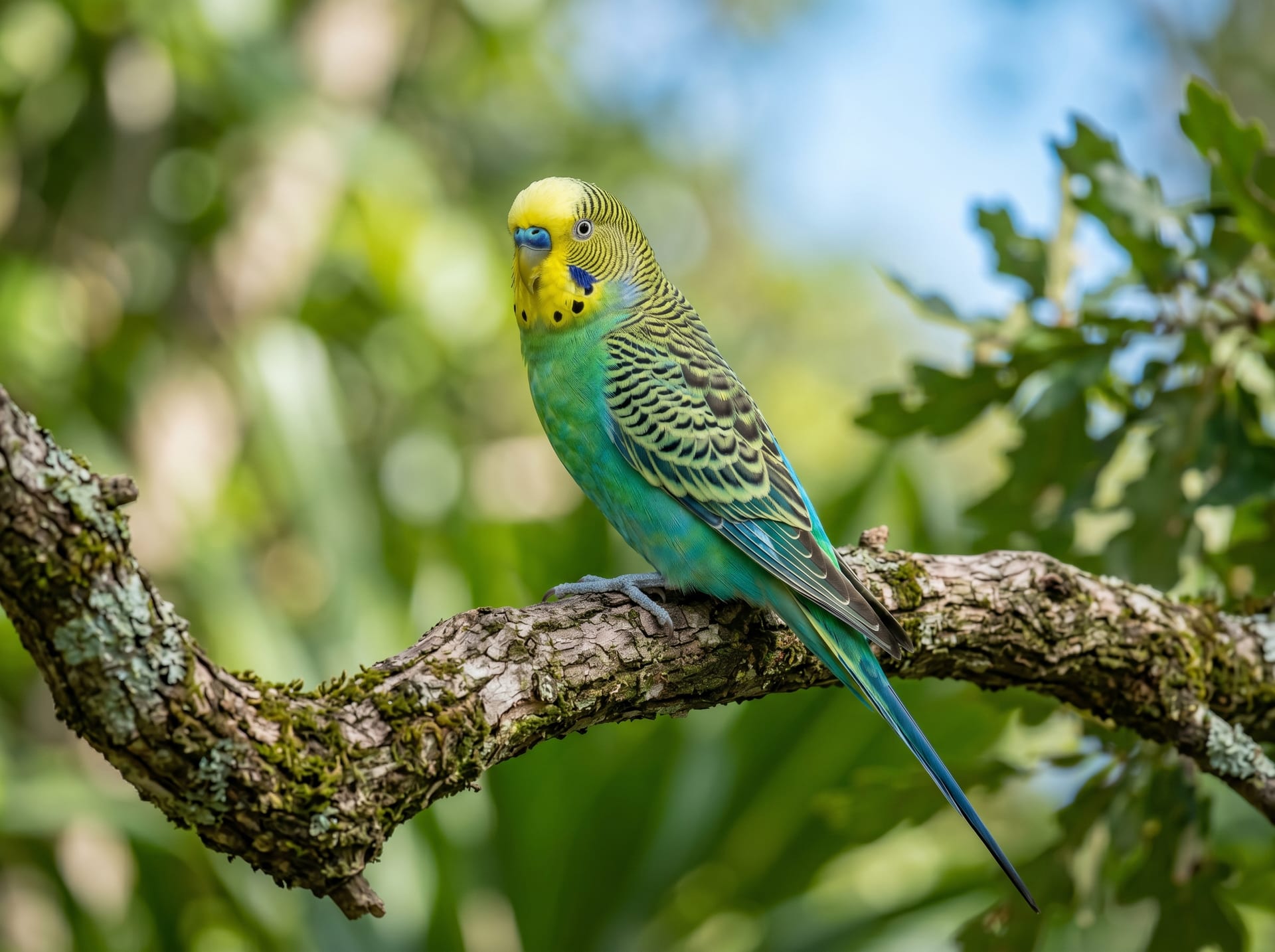
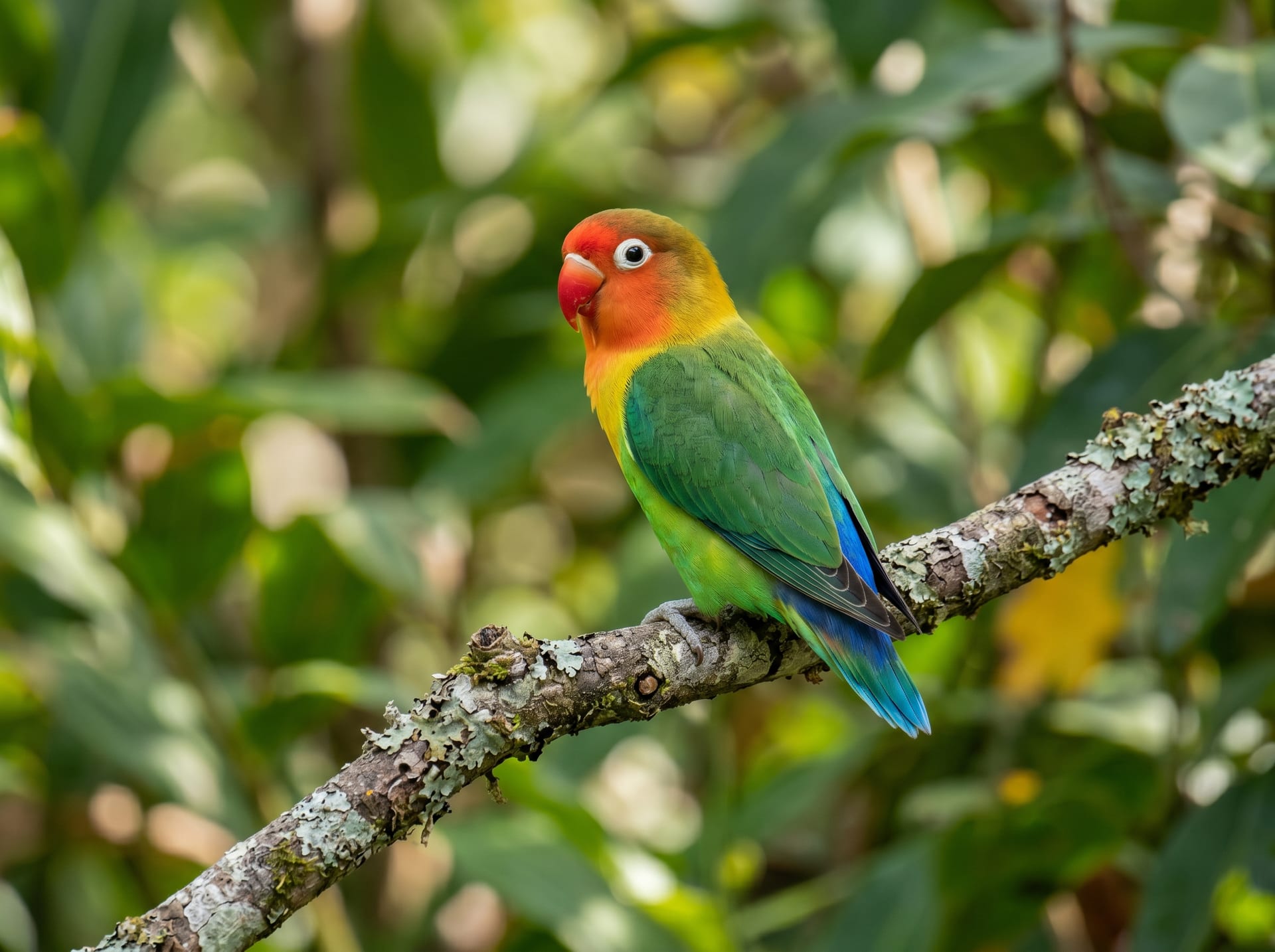
Budgerigars, peach-faced lovebirds, lovebirds, and Java sparrows are particularly known to be prone to excessive egg-laying.
While egg-laying continues, it also helps to keep calcium sources such as oyster shell grit and cuttlebone in the cage at all times so the bird can peck at them whenever it wants. Also, recording the frequency and number of eggs laid on a calendar or in a notebook makes it easier to tell the veterinarian the exact situation at a visit and to notice changes in your bird's condition.
If you notice signs of egg binding, go to the veterinarian immediately:
Tail puffed up like a button and bird appears lethargic
Abnormally swollen abdomen
Inability to defecate
Resting on the floor and hunched over
Environmental Management to Suppress Breeding
By removing breeding triggers, you can naturally settle hormonal balance.
1. Adjust Light Exposure
The breeding switch in pet birds is strongly influenced by "light." Adjust the cage cover so that bright hours are 8-10 hours per day, increasing dark hours.
Place the sleep cover early (around 6-7 PM)
Remove the cover after 7-8 AM
Light from TVs and smartphones can also be stimulating, so move your bird to a separate or dark room after bedtime
2. Remove Nesting Spaces
Small dark spaces (such as the back of drawers or inside fabric) are recognized as nesting sites. If your cage contains a birdhouse or hiding box, remove them during breeding season.
3. Modify How You Interact with Your Bird
Avoid petting the back, lower back, and belly for extended periods as this can stimulate mating behavior. Pet only the head and cheeks, and reduce excessive physical contact.
4. Review Diet Quality and Quantity
High-fat, high-protein diets (such as excessive sunflower seeds, hemp seeds, or excessive protein) promote breeding behavior. During prolonged breeding season, consider reducing seeds and switching to a pellet-based diet.
5. Allow Your Bird to Incubate Eggs (A Counterintuitive Strategy)
If eggs are laid, removing unfertilized eggs immediately can trigger re-laying. Once 3-5 eggs have accumulated, allow your bird to incubate them for about 3 weeks. Satisfying the incubation instinct may naturally settle breeding behavior.
6. Review How Your Bird Interacts with Toys and Mirrors
If your bird is fixated on a particular toy and repeatedly shows mating behavior toward it, or reacts strongly to its own reflection in a mirror, it is also effective to remove that toy or mirror from the cage only during the breeding season. Reducing the number of objects the bird recognizes as a "mate" can help breeding behavior settle down.
7. Create Opportunities for Moderate Exercise
It is also important to set aside time to let your bird out of the cage to fly freely (out-of-cage time) so it can burn off energy by flapping and flying. If there are few outlets for its energy, the excess energy may be directed toward breeding behavior, excessive vocalizing, feather plucking, and so on.
When to Consult with a Veterinarian
The following situations require professional consultation rather than self-management.
Continuous egg-laying of 10 or more eggs per year
Breeding behavior continues even after incubation
Significant weight loss after egg-laying
Loss of appetite and lethargy
Feather plucking continues to the point where bare skin is visible
Feather plucking may have other hidden causes besides stress from breeding, such as skin abnormalities or nutritional imbalances, so rather than judging for yourself, it is considered advisable to consult a veterinarian who specializes in birds.
Hormone therapy (such as Depo-Provera) should be performed by an avian veterinary specialist. Since there are risks of side effects, environmental improvements are recommended first.
Summary
While breeding behavior is natural for pet birds, it can become excessive in indoor environments and poses health risks. By incorporating environmental improvements such as managing light exposure, removing nesting sites, and modifying interaction methods into daily care, breeding behavior can be controlled in most cases.
To protect your bird's long-term health, it's important to recognize breeding season signs early and respond appropriately. If you have any concerns, don't hesitate to consult with a veterinary clinic that treats birds.