[2026] Top 5 Small Animal Cage Recommendations | For Hamsters & Rabbits | ブリちょく
Small Animals| ✍️ BreederDirect Editorial
[2026] Top 5 Small Animal Cage Recommendations | For Hamsters & Rabbits
Compare cages for hamsters, rabbits, and chinchillas. Choose by spaciousness, ventilation, and ease of cleaning.
Key Takeaways
Compare cages for hamsters, rabbits, and chinchillas. Choose by spaciousness, ventilation, and ease of cleaning.
Related Species
[2026] Top 5 Small Animal Cage Recommendations | Selection Guide by Species and How to Avoid Mistakes
When welcoming a small animal into your home, the first challenge is choosing the right cage. It's easy to think "a small one should be fine for now," but a cage is your pet's home for life. Selecting the right size, material, and ease of cleaning is the first step toward keeping your animal healthy and long-lived. This article explains everything from selection criteria by species to recommended products as of 2026, in language that's easy to understand even for first-time small animal owners. For pet care during travel and holidays, please also check our Pet Care Guide for Travel & Holidays.
---
The Most Important Factor in Cage Selection: "Size"
Many people overlook the "minimum required size" for each animal when choosing a cage. Some cages sold in pet shops prioritize appearance and price, resulting in enclosures that are actually too small for real-world living.
Use the following table as a guide.
Species
Minimum Size
Recommended Size
Golden Hamster
45×30cm
60×40cm or larger
Dwarf Hamster (Djungarian)
40×25cm
45×30cm or larger
Rabbit
60×45cm
✍️
BreederDirect Editorial
The BreederDirect editorial team specializes in care information for animals, covering veterinary care and breeding to deliver beginner-friendly guides.
Find Small Animals on BreederDirect
Buy directly from verified breeders
Browse Related Listings
Find Small Animals listings related to this article on BreederDirect. Buy directly from verified breeders.
Related Tools
Related Articles
Browse by Category
🪸Coral
🐠Marine Fish
🐟Tropical Fish
🐡Goldfish
🐟Medaka
🦎Reptiles
Share
80×50cm or larger
Chinchilla
60×45×80cm (height important)
Larger is better
Degu
60×45×60cm
Large cage with height
Hamsters in particular are often thought of as small creatures that need only small cages, but wild golden hamsters are known to run dozens of kilometers in a single night. A cramped cage causes stress, which can lead to biting habits, excessive grooming, and weakened immunity. As of 2026, the perspective that "larger cages are better" from an animal welfare standpoint is now widely accepted among the general public.
Beyond size, you should also check "material" and "structure." Wire, plastic, and glass cages each have their own advantages and disadvantages, and the choice should be based on the animal's natural behavior and your living environment.
---
How Material and Structure Affect Usability
Wire Cages
High ventilation is the main strength, making them ideal for preventing humidity buildup in summer. Additionally, accessories like water bottles and hammocks are easy to attach, offering high customization freedom. Wire cages are commonly used for medium-sized small animals like rabbits, chinchillas, and degus.
However, if the wire spacing (pitch) is too wide, it can lead to escapes or foot injuries, so always check the specifications before purchasing.
Plastic Cages
These are the most common type for hamster cages, typically featuring a deep bathtub-shaped bottom. Bedding and chip material don't scatter easily, and the entire cage can be washed during cleaning. The downside is slightly reduced ventilation, so placement requires careful consideration during summer months.
Glass and Acrylic Cages
These offer top-tier observation ease. The high transparency allows you to watch your animal's behavior from all angles. They blend well with home décor and create no visual disruption in your living space, which is another reason for their popularity. Drawbacks include their weight, making them difficult to move, and higher price tags.
---
Top 5 Recommendations | Carefully Selected by Use & Species
1. Sanko Roomy 60 (Best for Golden Hamsters)
Price: Around ¥5,000
This is a classic cage trusted for years by golden hamster owners. With a floor area of 60×35cm, it provides ample space for hamsters to walk around freely. The transparent plastic body makes observation easy, and the wire top ensures good ventilation. The deep bathtub structure at the bottom prevents bedding from scattering, even when sand baths are generously layered—a major plus. For first-time hamster owners, this cage offers the best balance of price and performance.
2. Sanko Easy Home Rabbit (Rabbit Standard)
Price: Around ¥8,000
This cage is widely established as the standard for rabbit care. It features a pull-out tray that makes daily litter cleaning smooth and efficient. The wire is thick with appropriate spacing, ensuring rabbits won't get their feet caught or cause sagging from applied pressure. Placing a non-slip mat on the floor further reduces stress on the rabbit's feet, providing sore hock prevention. The cage is also expandable—you can connect it to a playpen to increase activity space.
This cage is popular for its glass-like design with clear panels on all four sides. The 45cm width is sufficient for dwarf hamsters, and the large front door makes care easy. The included water dispenser and exercise wheel come ready to use—a thoughtful feature for beginners. The floor tray is removable and washable. Those who care about interior design often choose this model.
4. Sanko Easy Home 80 High (For Chinchillas & Degus)
Price: Around ¥15,000
For highly active animals like chinchillas and degus, a tall 3D cage is essential. This wire cage stands 80cm high, with internal steps and shelves creating a vertical pathway. Chinchillas are skilled climbers, and an environment where they can move up and down relieves stress and supports health. Multiple access doors make cleaning and feeding convenient. The sturdy frame is praised for its durability and long-term reliability.
This design cage combines a Scandinavian-style wood frame with metal wire. Its defining feature is a level of interior aesthetics that sets it apart from typical rabbit cages, allowing it to blend seamlessly into a living room. The wood used is safe for rabbits to gnaw on, showing careful attention to safety. The two-layer removable floor structure reduces cleaning effort. This is the premium choice for those who want to welcome their rabbit as a true family member into their living space.
---
Items to Prepare After Purchasing a Cage
Once you have a cage, make sure to have these items on hand.
Bedding and chip materials: Choose highly absorbent, animal-safe materials. Softwood chips can cause allergies, so hardwood or paper-based options are safer
Water bottle: Water dishes get dirty easily, so a nozzle-type is more hygienic
Exercise wheel (for hamsters & degus): Choose a quiet model to avoid nighttime noise concerns
Chew wood and steps (for rabbits & chinchillas): Important for managing tooth wear and meeting exercise needs
Heaters and cooling supplies: Small animals are sensitive to temperature changes. Prepare these alongside room temperature management
Choosing the right cage for a small animal means selecting one that matches the species, size, and natural behavior. Rather than choosing by price alone, confirm that the cage meets the necessary space and functions for "the place where your animal will spend most of its day."
On "Breeders Direct" (ブリちょく), you can message breeders directly to ask questions. Questions like "What size cage does this animal need?" or "What bedding would you recommend?" can be answered by actual specialists who are raising these animals, so beginners can proceed with confidence. Breeders Direct's strength lies not only in providing healthy individuals but also in offering care advice—a unique advantage in the breeder marketplace.
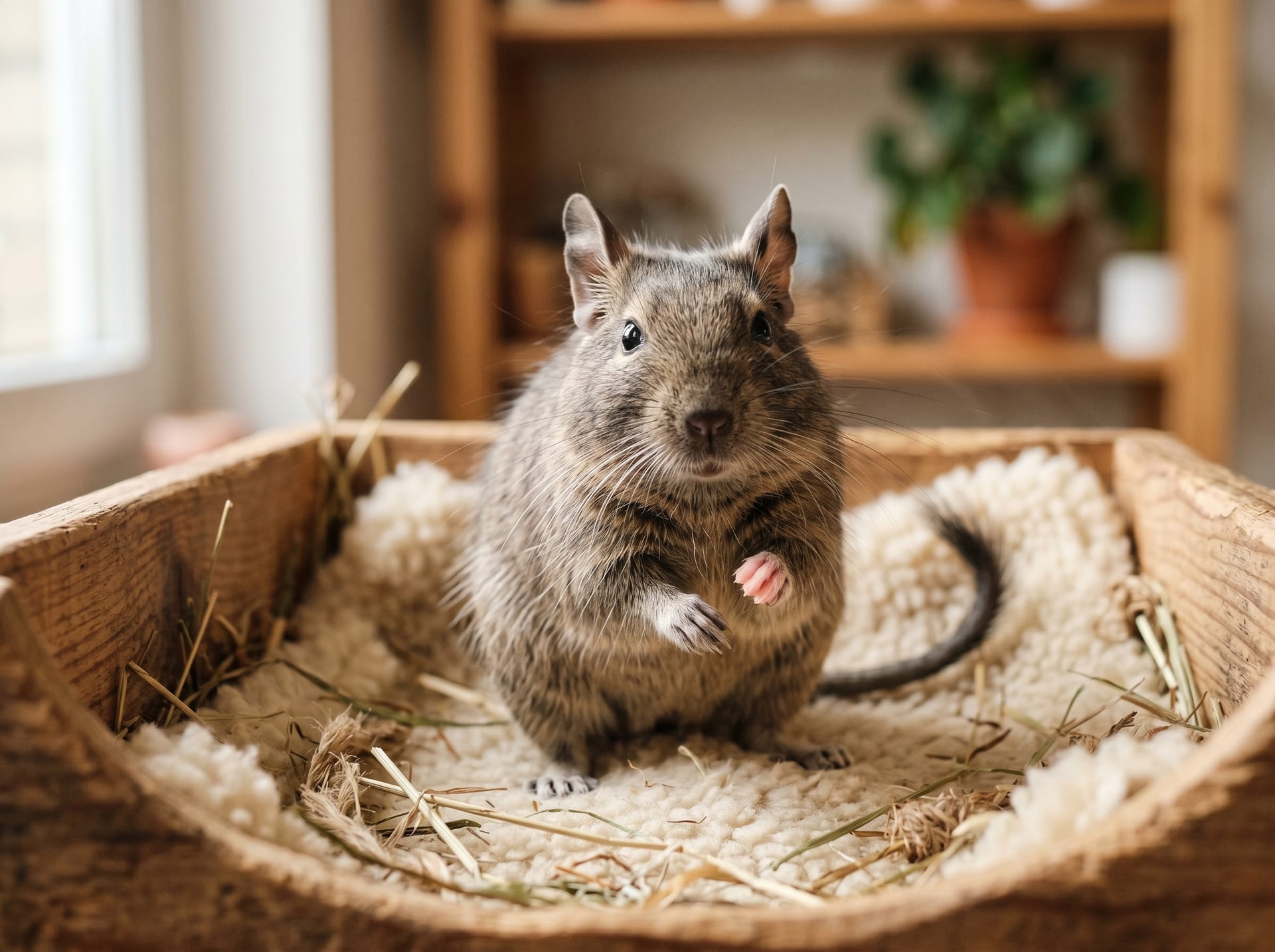
![[2026] Top 5 Small Animal Cage Recommendations | For Hamsters & Rabbits](https://img.br-choku.com/column-images/hedgehog-keeping-guide/hero-1778967315735.jpg)