Azuma-Nishiki Care Guide | How to Beautifully Develop Calico Patterns and Head Growth
A thorough explanation of how to care for Azuma-Nishiki goldfish. From water quality management, feeding to develop head growth, maintaining calico patterns, and tank mate compatibility.
Key Takeaways
A thorough explanation of how to care for Azuma-Nishiki goldfish. From water quality management, feeding to develop head growth, maintaining calico patterns, and tank mate compatibility.
Related Species
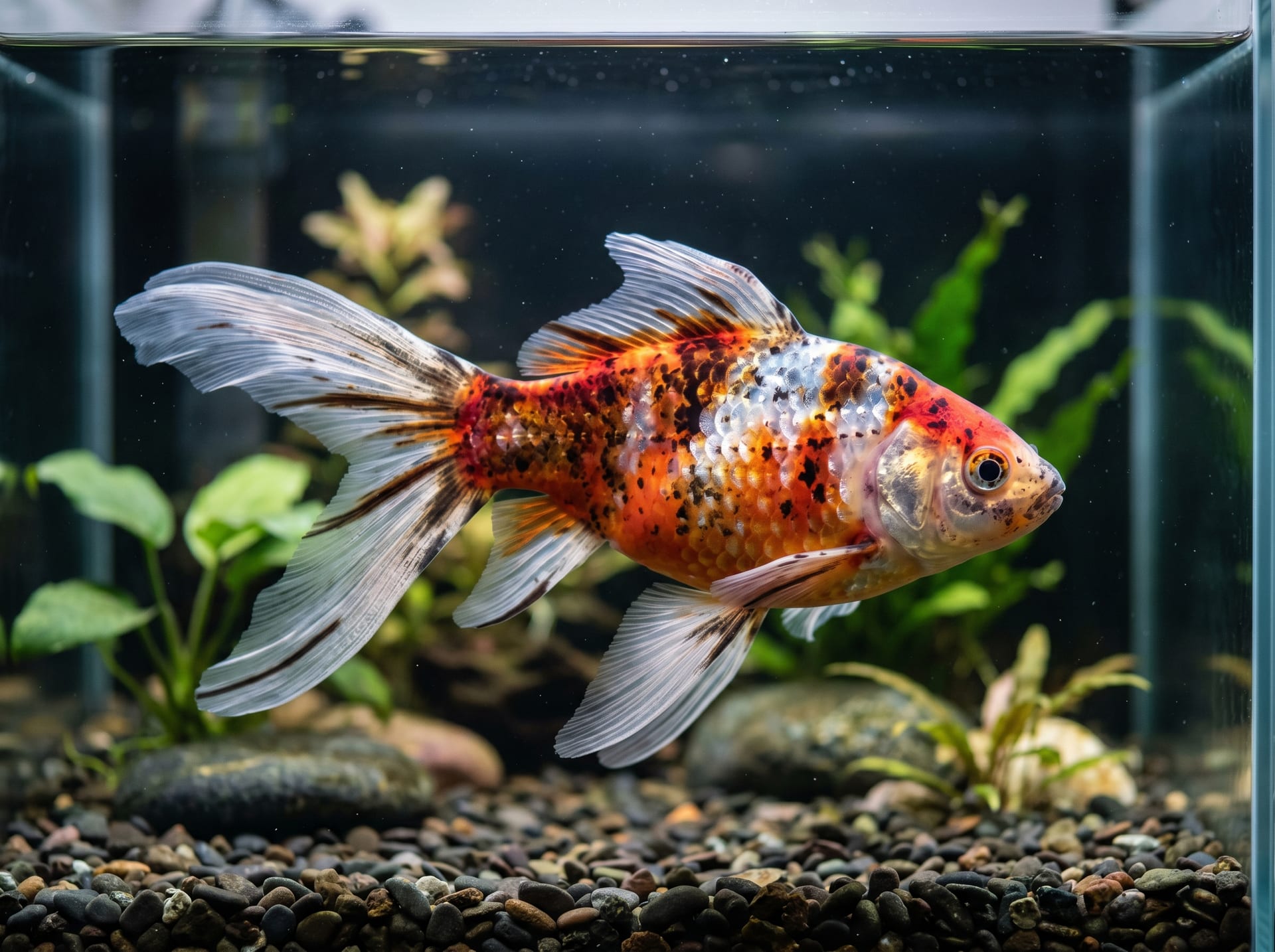
What Kind of Goldfish is Azuma-Nishiki?
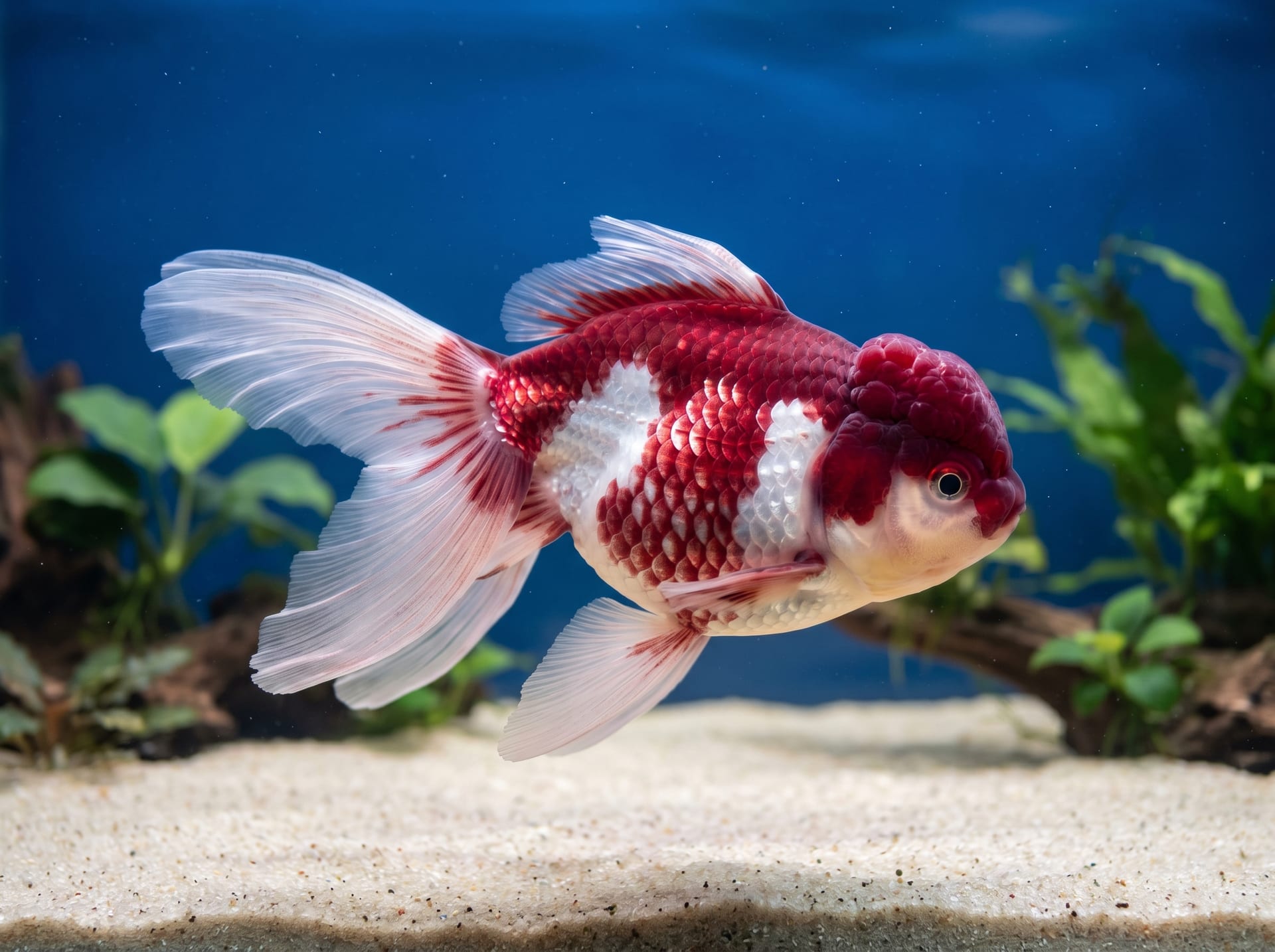
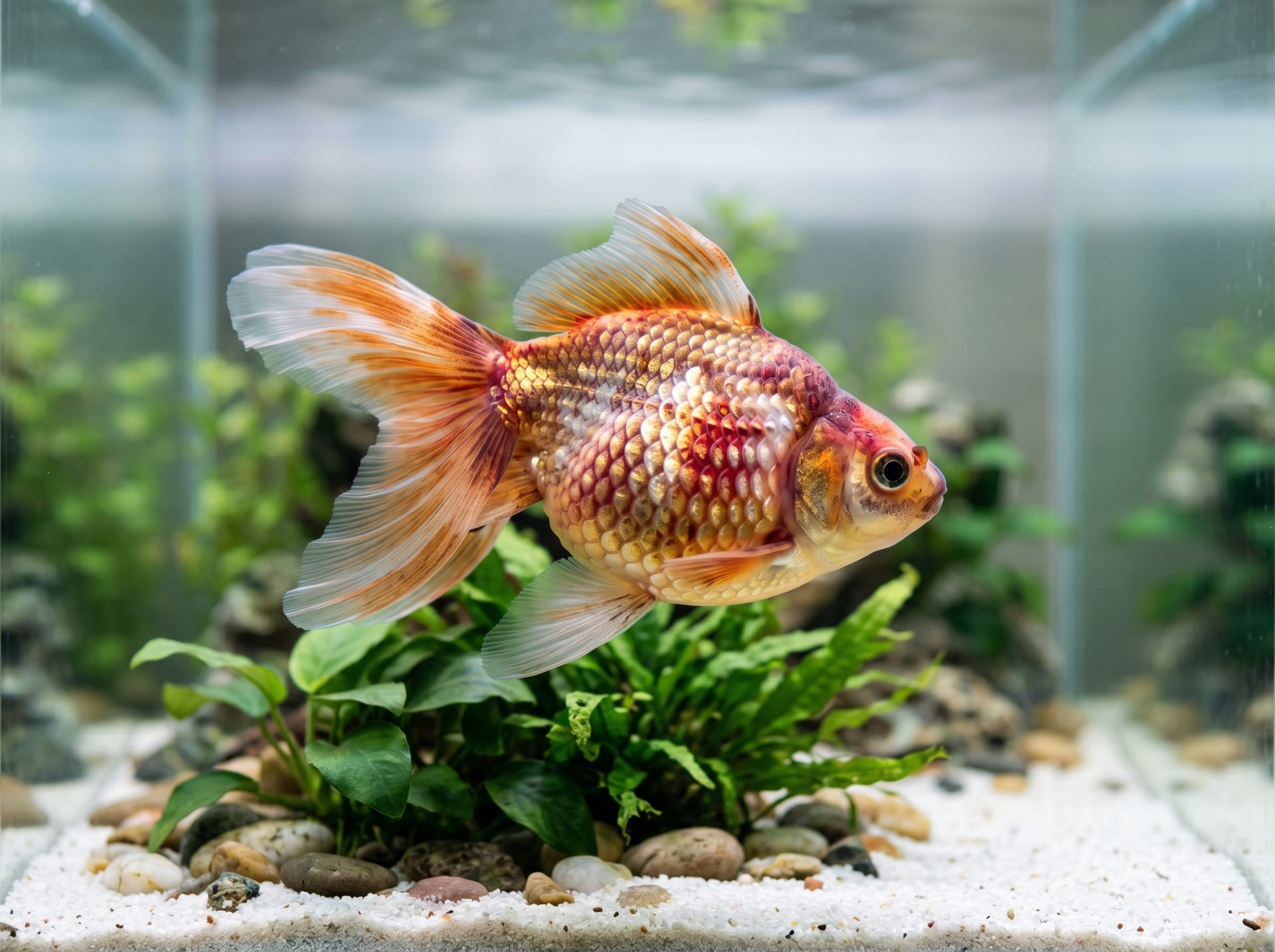
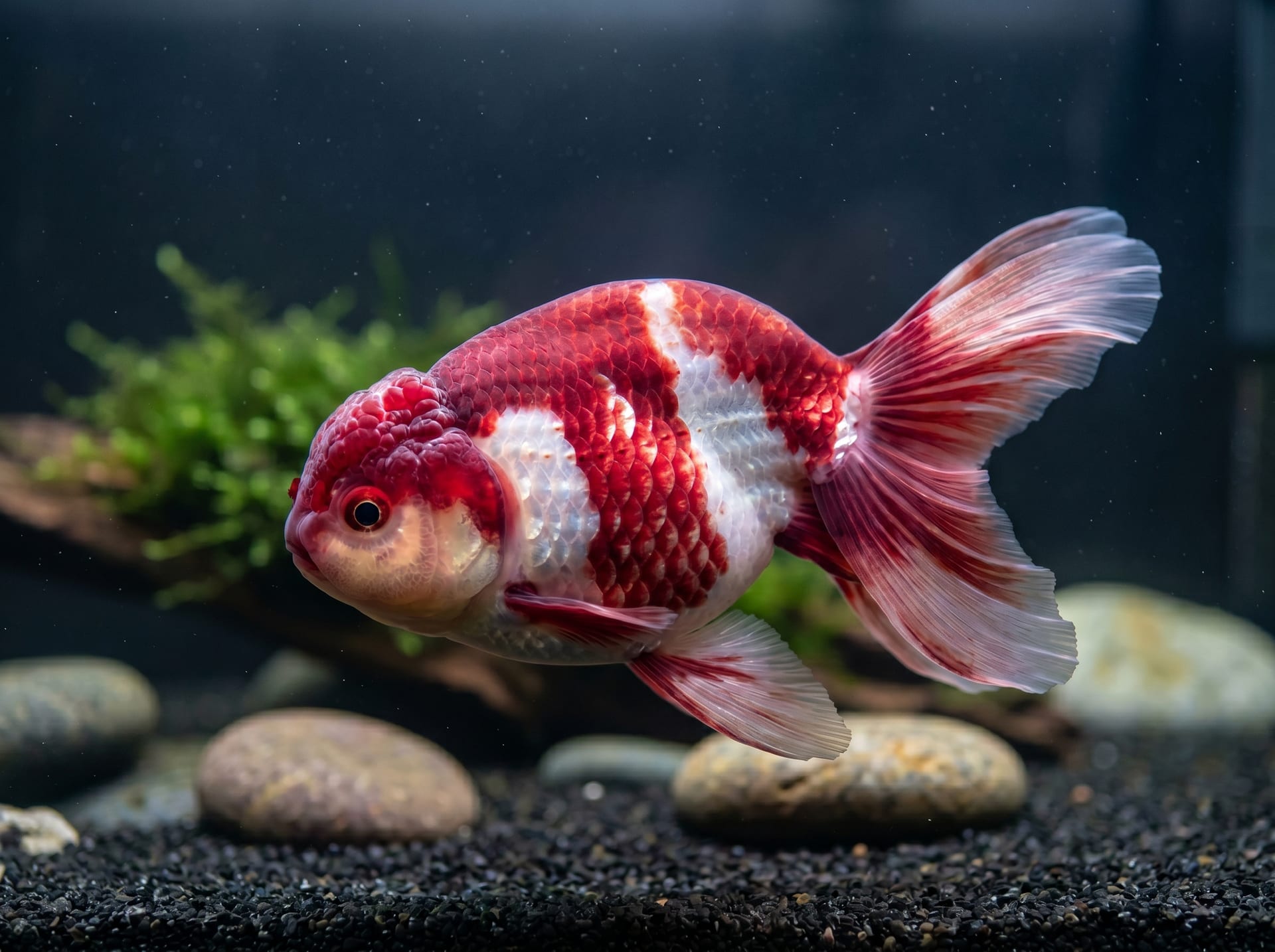
Azuma-Nishiki is a variety created by crossing an Oranda with a calico-patterned kohaku goldfish. The rich head growth of the Oranda and the striking mosaic pattern of red, white, black, and bluish hues (calico) create an overwhelmingly beautiful appearance. Even in Japanese goldfish culture, which has continued since the Edo period, Azuma-Nishiki holds the honor as a "show-star," enjoying high popularity.
The body type is a rounded, short-bodied form similar to the Oranda, and the tail can display diverse forms including the three-lobed, four-lobed, and cherry-blossom tails. Adult fish typically reach 15–20 cm in length, and with proper care, they can live 10–15 years or more, making them a long-lived variety.
Azuma-Nishiki Aquarium Environment and Tank Setup
Tank and Water Volume
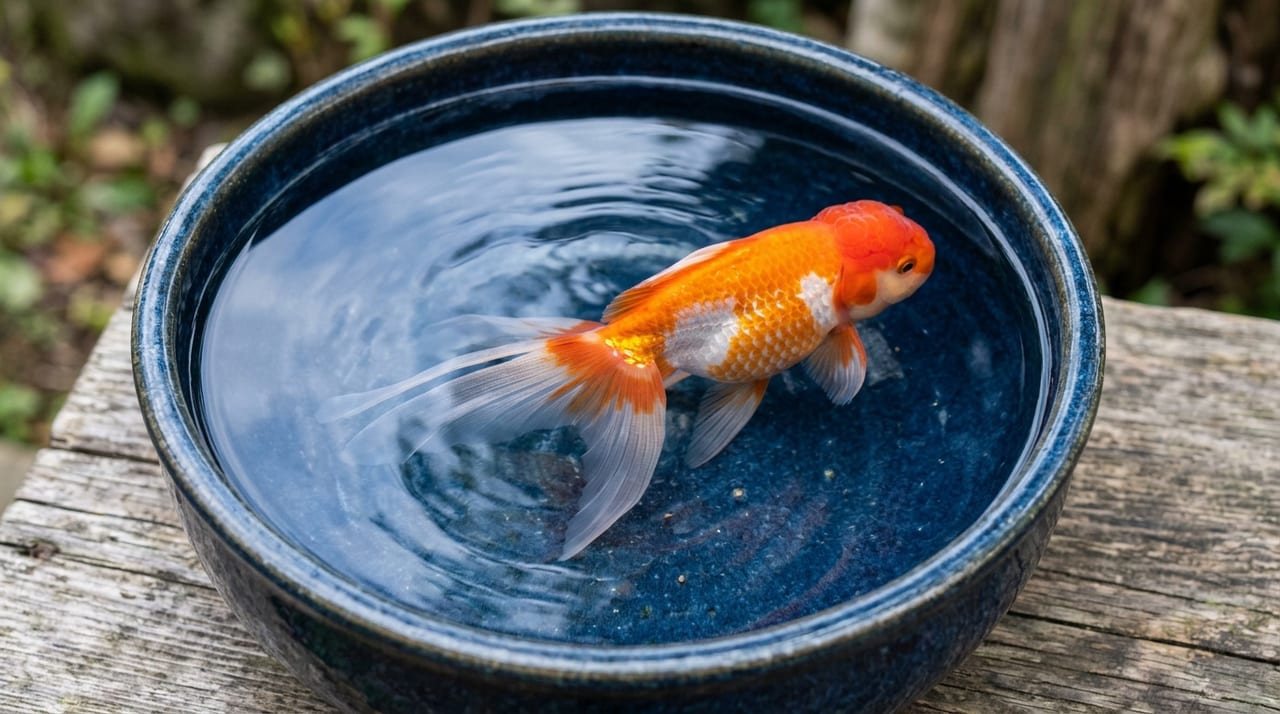
Although Azuma-Nishiki are active swimmers relative to their round body shape, they require sufficient water volume and oxygen. Plan for a minimum of 20–30 L per fish; a 60 cm tank (approximately 60 L) can house 2–3 fish comfortably. If you wish to encourage head growth development, outdoor green-water culture (plastic tubs or ceramic basins) is also highly effective.
Water Quality Management
- Temperature: 15–28 °C (ideal range 20–25 °C)
- pH: 7.0–8.0 (neutral to slightly alkaline)
- Aeration: Essential. The round body shape is sensitive to low oxygen
- Filter: Use an upper-level or external-type filter for powerful filtration
Azuma-Nishiki are relatively sensitive to ammonia and nitrite. A basic schedule is weekly water changes of 20–30% of the total volume; during summer months when water temperatures are high, water quality deteriorates quickly, so increase frequency. Adding fresh water all at once in large amounts can trigger swim bladder disorder, so proceed cautiously with small amounts as necessary.
Layout and Substrate Considerations
As Azuma-Nishiki develop large head growth, their field of vision becomes somewhat limited, so keep aquarium layout simple and avoid placing sharp-edged decorations or driftwood. If using substrate, select gravel with larger particles to prevent accidental ingestion. Some breeders manage them in a "bare tank" with no substrate for easier cleaning.
Feeding Management to Develop Azuma-Nishiki Head Growth
The "head growth (niku-ryū)" is one of Azuma-Nishiki's greatest appeals and can be encouraged to grow larger through proper nutritional management.
Feeds Effective for Head Growth Development
- High-protein pellets (aim for 40% crude protein or more)
- Frozen bloodworms (as a supplemental food 2–3 times per week)
- Live daphnia or dried shrimp (given as occasional treats)
Feeding Precautions
- Feed 2–3 times daily, in amounts that will be consumed within 3–5 minutes
- Below 15 °C, digestive capacity declines, so reduce quantities or approach a near-fasting regimen
- Continuing to feed floating foods increases swim bladder disorder risk. Use sinking foods as the primary diet
Head growth is strongly influenced by genetics, but with good feed and clean water, it will develop dramatically over ages 1–3 years. When purchasing from a breeder, it is helpful to reference the head growth development of the parents.
For individuals that eat quickly, gulping food inward, choosing pellets over flakes—foods with a slower sinking rate—reduces the likelihood of swallowing air, also serving as prevention for swim bladder disorder. After feeding, leftover food causes water quality deterioration, so remove any uneaten portions as quickly as possible.
Maintaining Calico Pattern and Color Enhancement
Azuma-Nishiki's "calico pattern" is characterized by a complex mix of red, white, black, and blue-gray hues. This pattern continues to change as the fish grows, making the progression another delight of keeping Azuma-Nishiki.
Tips for Maintaining Beautiful Colors
- Feed color-enhancing foods (containing astaxanthin) regularly
- Maintain culture under natural light or adequate lighting (outdoor culture especially tends to produce vibrant coloration)
- Excessively high water temperatures can thin black coloration (22–25 °C is ideal for color stability)
- In environments with white gravel or concrete bottoms, body color tends to fade
Black pigmentation is called "ink (sumi)," and how this ink is distributed and its coverage significantly influence evaluation at shows. Because ink increases and decreases with water quality and temperature changes, stable environmental management is the shortcut to maintaining beautiful patterns.
Azuma-Nishiki Tank Mates and Multi-Fish Culture
Azuma-Nishiki are well-suited to cohabiting with other round-bodied goldfish (Ryukin, Oranda, Ranchu, etc.). However, if kept with single-tailed varieties (Wakin, kohaku, etc.), the faster-swimming single-tailed fish will eat the food before Azuma-Nishiki can.
Recommended Tank Mates
- Ryukin (similar body form makes competition fair)
- Oranda (swimming speed is comparable)
- Ping Pong Pearl (though extremely slow swimmers, so monitor food distribution carefully)
Keeping the same variety together is particularly sound practice for breeders aiming for shows. By keeping growth records for each individual and tracking changes in body form, head growth, and pattern, precision in lineage maintenance improves.
Diseases Azuma-Nishiki Are Prone to and Early Detection Tips
Azuma-Nishiki, with their round body shape and large head growth, tend to be susceptible to several diseases like other goldfish. Observing daily and catching changes early is the greatest key to maintaining health.
Signs to Watch For
- Unsteady swimming, orientation sideways or upside-down (sign of swim bladder disorder)
- White spots or cotton-like material on the body surface
- Fin tips becoming white and clouded, or appearing tattered and disintegrating
- Rapid gill movement, gasping at the water surface (sign of respiratory distress)
- Sluggish response to food, spitting food back out even when taking it into the mouth
If these signs appear, first check water quality and, if necessary, isolate in a separate tank for quiet recovery. The area around head growth is particularly prone to injury, so pay attention to sharp protrusions in the tank and collisions with other fish. To catch problems early, we recommend developing a habit of checking your fish's entire body at a fixed time each day while feeding.
Points to Confirm Before Bringing Home an Azuma-Nishiki
When introducing a new Azuma-Nishiki to your tank, it is important to proceed without rush, taking step-by-step measures to minimize stress on existing fish.
- When the fish arrives, first float the bag in the tank to acclimate the water temperature
- Gradually mix water from the bag with tank water to avoid sudden water quality changes
- For several days to weeks, keep new fish in a separate tank to check behavior before introducing to the main tank; this helps prevent disease introduction
- When selecting, choose fish that swim actively, with fins spread symmetrically on both sides, and with no wounds or cloudiness on the body surface
When purchasing directly from a breeder, one advantage is often being able to confirm the rearing environment and parent fish information. Since head growth development and calico pattern characteristics show individual variation, confirming the fish's actual condition and temperament through questions to the breeder, beyond just photos, provides greater peace of mind before bringing the fish home.
Summary: The Appeal of Azuma-Nishiki Keeping and How to Start
Azuma-Nishiki is a representative variety among goldfish that is rewarding to raise. The process of developing head growth, watching calico pattern changes, and exhibiting at shows represents the essence of uniquely Japanese goldfish culture that other aquarium hobbies do not offer.
While beginners should note precautions such as managing water change frequency and preventing swim bladder disorder, as long as clean water and proper feeding are maintained, they grow surprisingly hardy. We encourage you to experience the joy of obtaining a high-lineage individual from a breeder, and raising them carefully to maturity.