Angelfish Cohabitation and Territory Management | Compatibility Guide for Small to Large Angelfish
A practical guide to managing aggression in popular saltwater angelfish species (Coral Beauty, Rock Beauty, Flagfin, and others), including their territorial behavior, cohabitation compatibility, introduction sequence, tank size requirements, and refuge placement strategies.
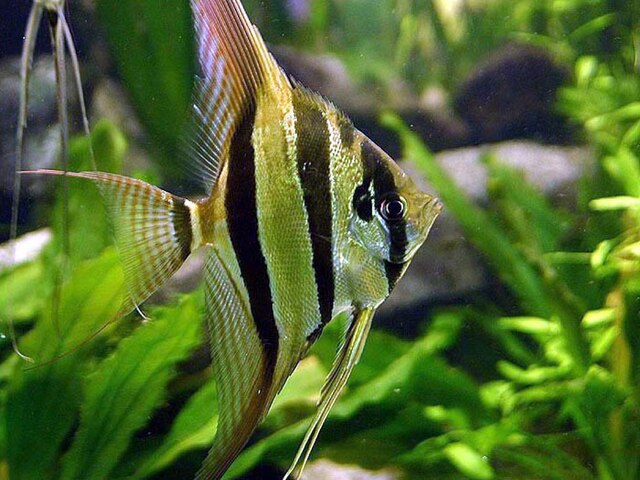
Key Takeaways
A practical guide to managing aggression in popular saltwater angelfish species (Coral Beauty, Rock Beauty, Flagfin, and others), including their territorial behavior, cohabitation compatibility, introduction sequence, tank size requirements, and refuge placement strategies.
Related Species
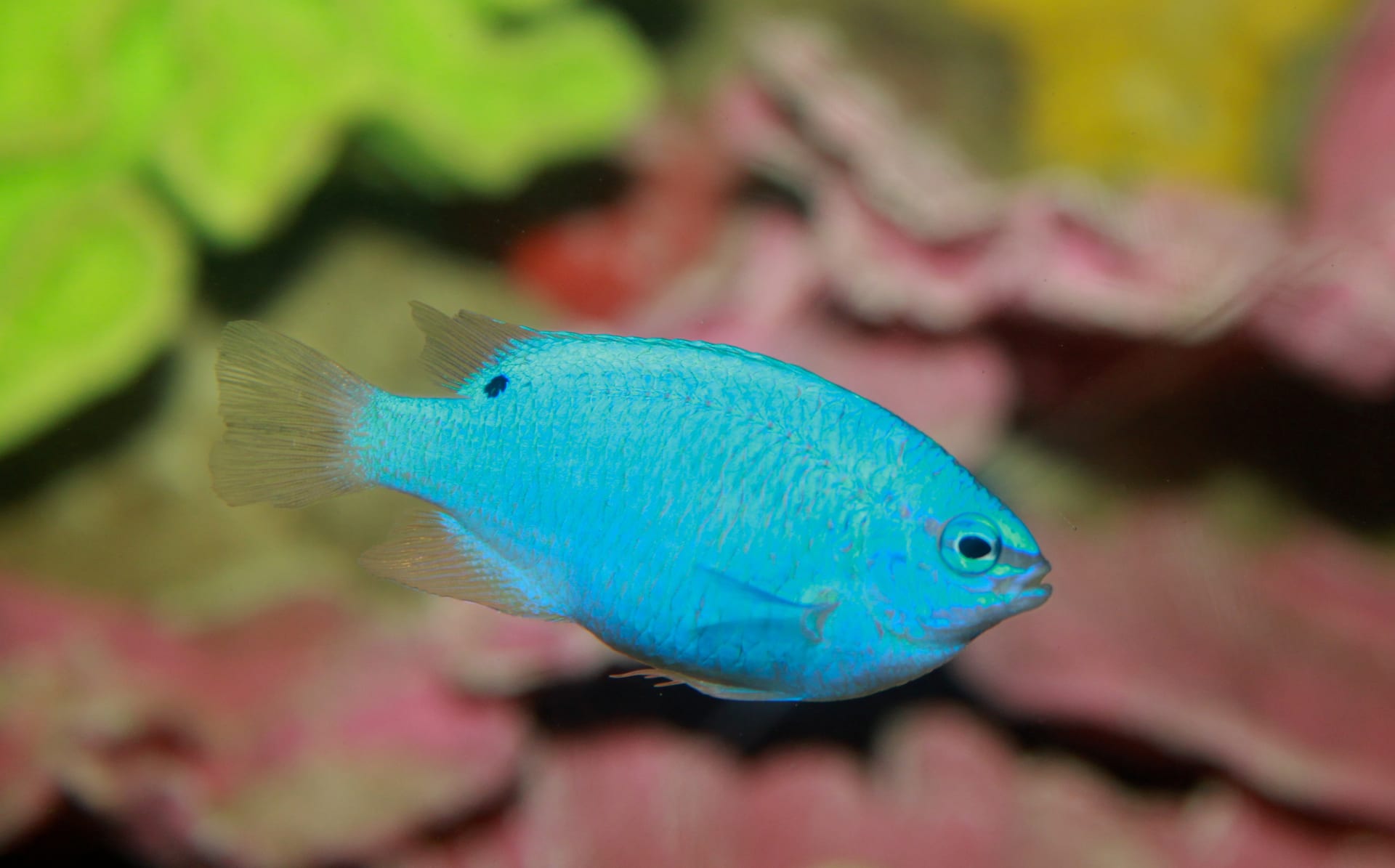
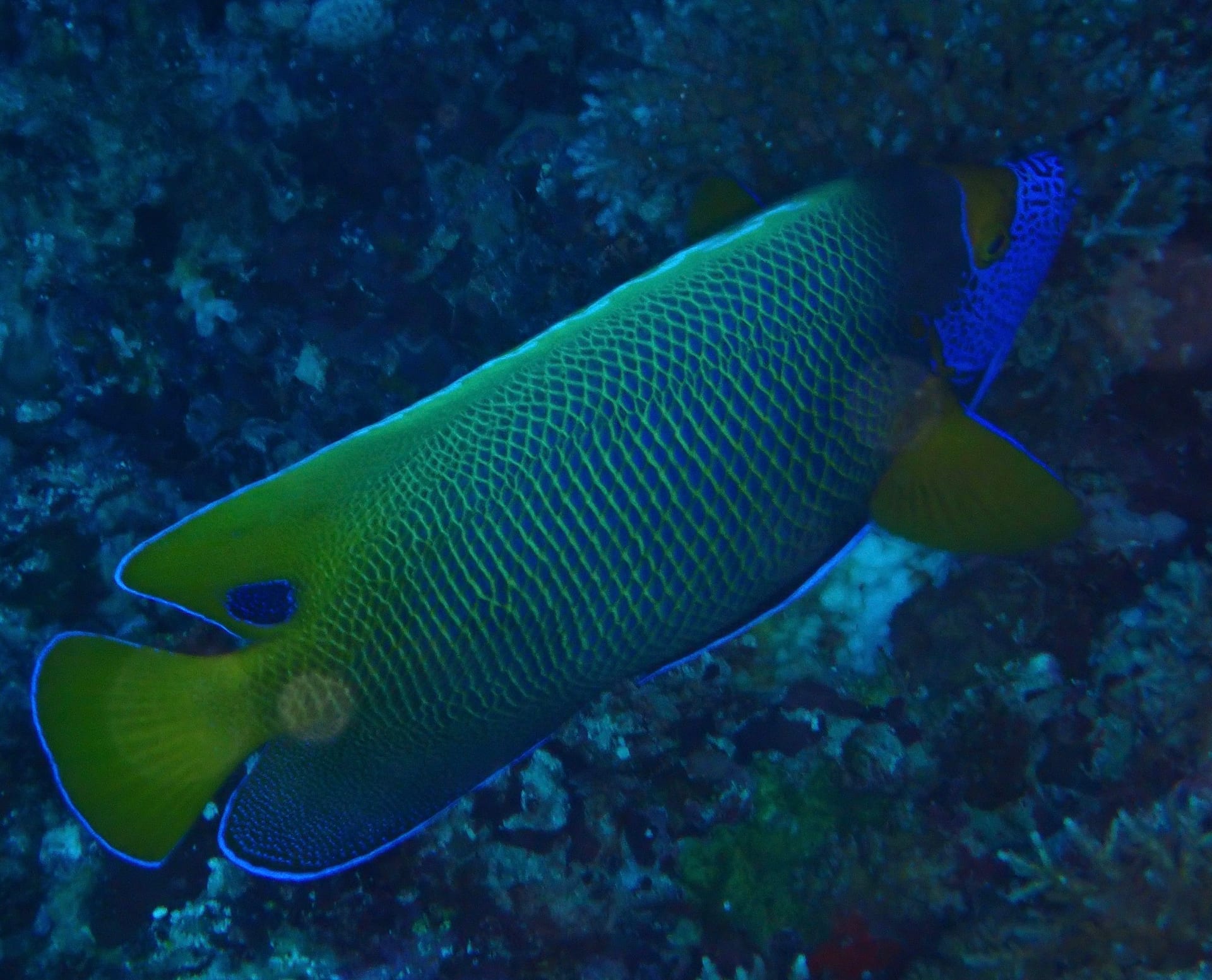
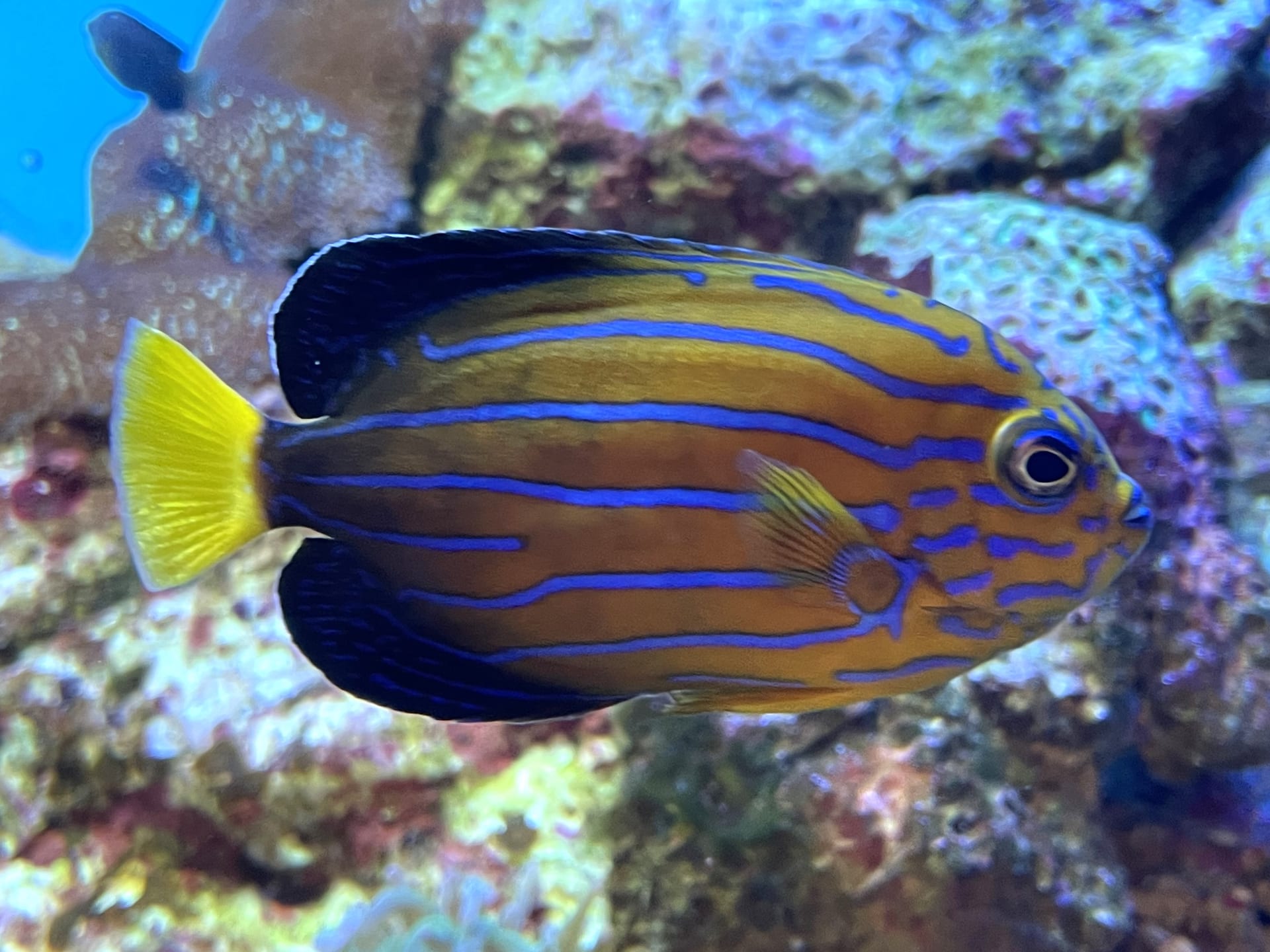
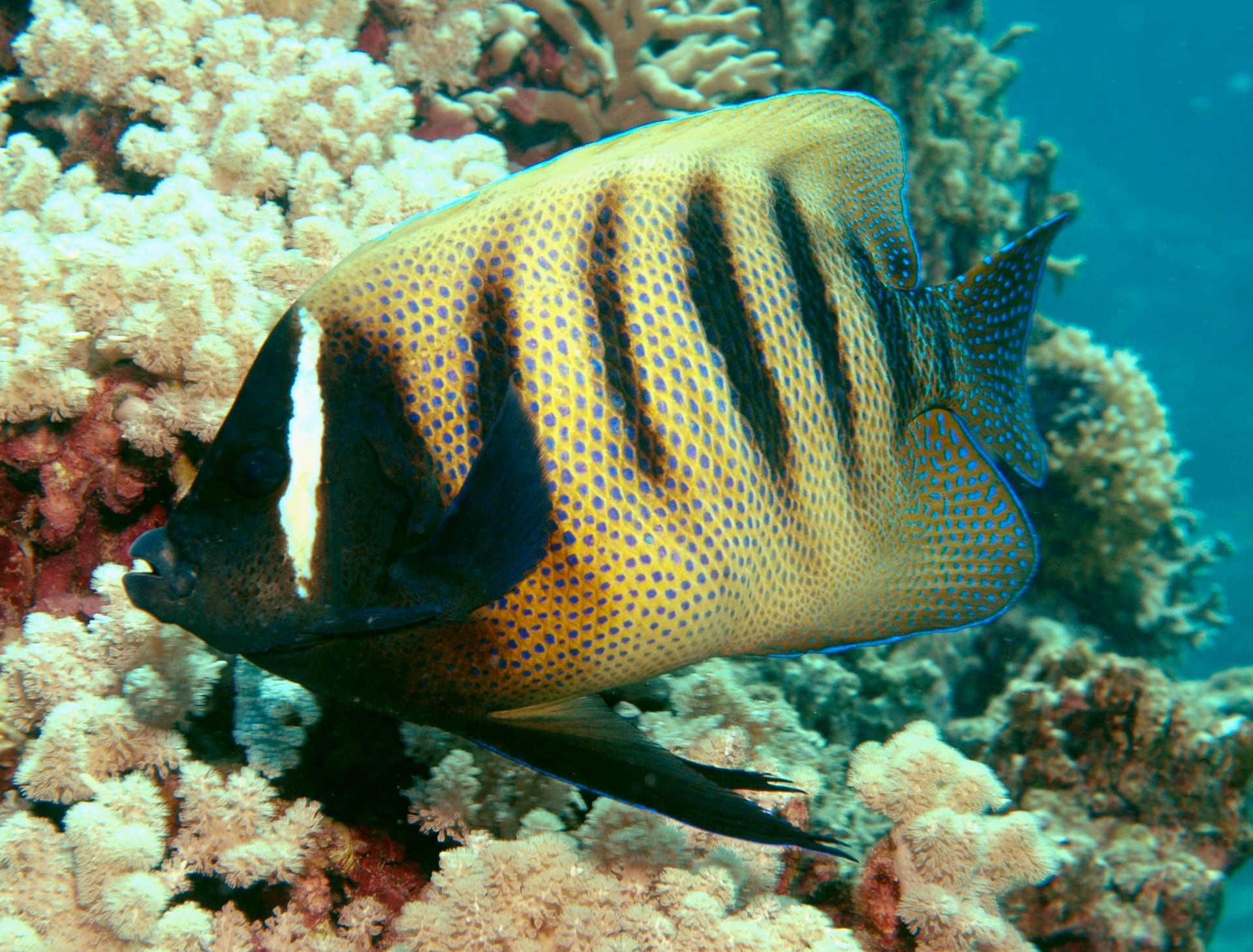
Angelfish (family Pomacanthidae) are particularly popular in saltwater aquarium keeping due to their vibrant colors and striking presence. However, many species exhibit strong territorial instincts toward conspecifics and closely related species, making mixing failures all too common. This article explains successful cohabitation management by first understanding the behavioral characteristics of angelfish.
Angelfish Behavioral Characteristics: Why Cohabitation Is Difficult
In nature, angelfish maintain defined territories and become aggressive, especially toward conspecifics and congeners. This behavior replicates in aquariums, where established residents may aggressively chase newly introduced fish.
Territorial intensity varies significantly by species. Flame Angels and small pomacanthids like those in the Centropyge genus are relatively docile, but large species such as Rock Beauty and Flagfin Angelfish, and some medium-sized species like Keyhole and Lemonpeel Angels, are extremely aggressive.
Harem formation behavior is also important to understand. Many angelfish are indeterminate sex in the juvenile stage (hermaphroditic) and live in groups with one male and multiple females. In aquariums, when a specific individual transitions to male, territorial aggression may intensify.
Size differences and aggression show a clear correlation. When newly introduced fish are significantly larger, established residents may be attacked. Introducing similarly-sized individuals (within 3cm length difference) simultaneously tends to result in intense conflict.
Small Angelfish Cohabitation: Dwarf Angelfish Combinations
Small angelfish around 10cm in length (Bicolor, Flame, Cherub, Velvet, Coral Beauty, and similar species) are generally easier to cohabitate than larger species.
Same-genus and same-species cohabitation should generally be avoided. For example, Bicolor Angelfish with other Centropyge genus members tend to have intense conflicts. Small angelfish from different genera may cohabitate depending on tank size.
More successful combinations favor species with significantly different body shapes or coloration. For instance, Flame Angels (red) and Coral Beauty (orange) have minimal territorial overlap and often coexist relatively well.
Recommended tank size is 90cm (approximately 200L) or larger per small angelfish individual. For attempting cohabitation of two fish, 120cm or larger is recommended. Adequate hiding places (multiple caves and shelters created with live rock) are essential.
Large Angelfish Cohabitation: Managing Strong Territorial Aggression
Large angelfish reaching 20-40cm in length (Rock Beauty, Flagfin, Dusky, French Angelfish, and similar species) have extremely high aggression both within and between species, making cohabitation significantly more challenging.
Same-species cohabitation is generally impossible unless in very large tanks (300L or larger). In some species, only established pairs can cohabitate.
Careful introduction timing is key to success. When introducing multiple individuals, adding them simultaneously (stimulating mutual interaction before territories establish) is most effective. Reorganizing the tank layout before adding new individuals can temporarily reset the territorial awareness of established residents.
Using transparent partition dividers temporarily is also an option. Dividing the tank with clear acrylic for 2-3 days allows fish to acclimate to each other's presence before removing the barrier—a safe, gradual introduction method.
Compatibility with Other Fish Species
Angelfish are generally relatively peaceful toward other species, though exceptions exist.
Cohabitation with surgeonfish (tangs) is generally unproblematic, especially since their activity areas don't typically overlap significantly.
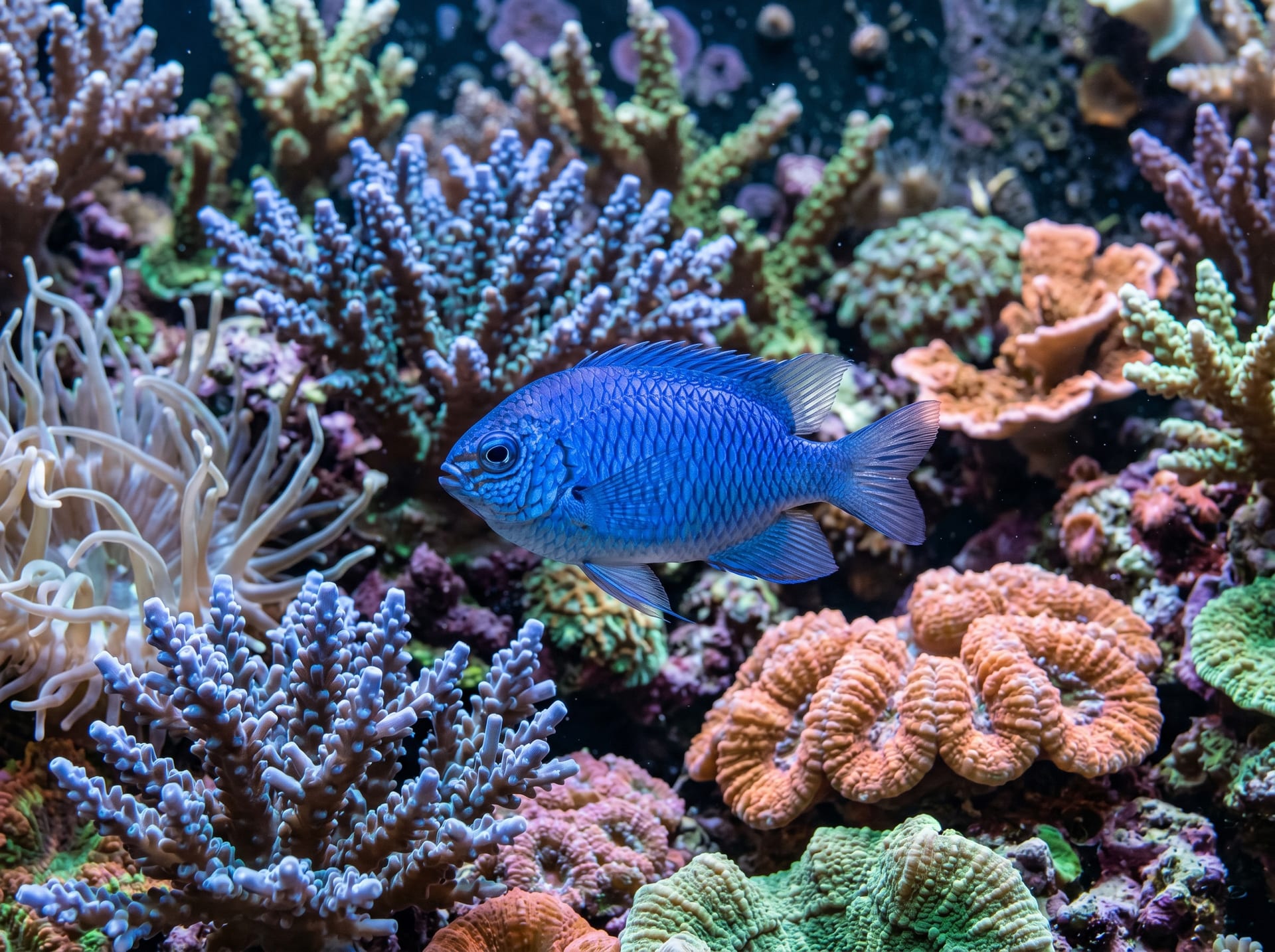
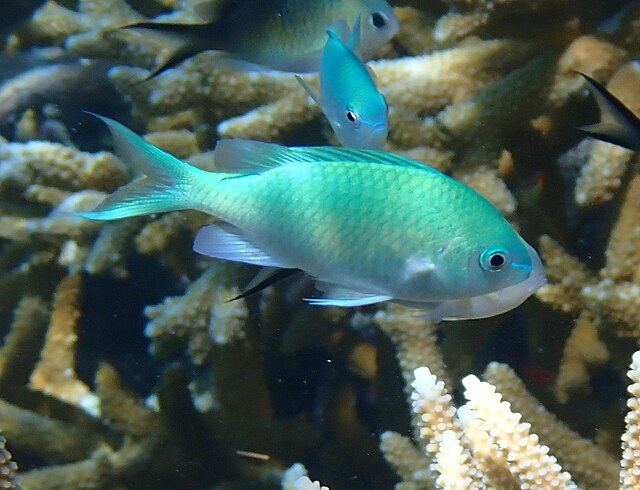
Cohabitation with damselfish requires caution. Highly territorial damsels (especially Blue Damselfish and Sergeant Major groups) may chase angelfish.
Interaction with corals requires attention. Many angelfish are known as "coral nippers" and tend to bite LPS and SPS corals. While species like Coral Beauty and Bicolor Angelfish are often considered reef-safe, individual variation means this is not guaranteed.
Cohabitation with butterflyfishes is often possible, though competition can occur since their body shapes are similar.
Environment Preparation Checklist for Successful Cohabitation
- Tank size should provide adequate territory for each individual
- Create multiple visual barriers (caves, overhangs) with live rock
- Feed at multiple locations simultaneously to prevent monopolization by dominant fish
- Monitor appetite, coloration, respiration, and fin condition daily when adding new fish
- Consider emergency isolation if any individual cannot feed for more than 3 consecutive days
- When introducing multiple fish, use "simultaneous introduction" or "introduction after layout reorganization" as the standard approach
Conclusion: Maximizing Angelfish Appeal Through Planned Cohabitation Management
Angelfish bring overwhelming presence to saltwater aquariums, yet many hobbyists struggle with the difficulty of managing their cohabitation. However, by accurately understanding species behavior and carefully managing tank size, introduction sequence, and layout, the dream of maintaining a beautiful reef tank with multiple angelfish species is achievable. When acquiring specimens from breeders or trusted specialty shops, we strongly recommend consulting beforehand about compatible care environments and tank mate compatibility.