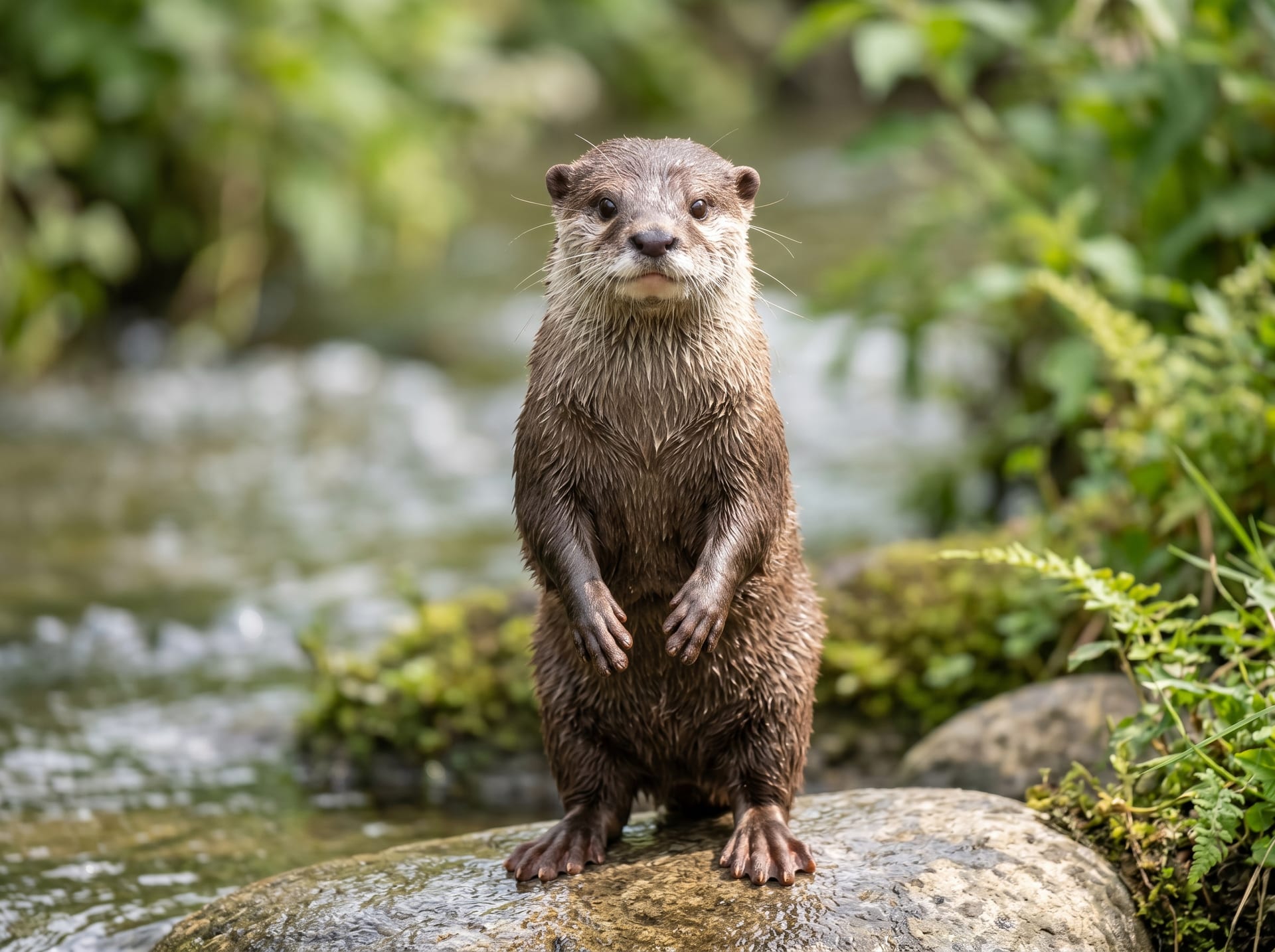
Otter
Otters are popular exotic pets known for their round eyes and playful personalities, and they can bond closely with their owners when raised with care. As semi-aquatic animals, they require daily access to water for swimming, which is essential for their physical and mental well-being. Keeping an otter demands ample space and specialized knowledge, so thorough preparation is key before bringing one home.
0% commission on your first sales!Register by September 30, 2026 and your first 2 sales are commission-free!
Breeder Wanted!
List on BreederDirect and sell directly to customers nationwide!
6 Transparency Commitments from Br-Choku
Every Small Pets listing from Breeder includes the information below. We guarantee transparency through health checks, vaccinations, microchips, and more.
- Hand-Tamed
- Health Checked
- Vaccinated
- Microchipped
- Real Photos
- Age Specified
Browse all 28 breeds
Care Difficulty
No listings match your filters
Adjust your filters, or get notified when new listings arrive.
Getting alerts is free with a member account. When new listings match your saved search, we'll notify you by email and in-app.
Browse other categories
Verified breeders (preview)
Are you raising small pets?
Register as a breeder and connect with buyers directly.
Apply as a breederAbout Otter
Otters are semi-aquatic mammals of the family Mustelidae, with 13 species found in rivers and coastal habitats around the world. The Asian small-clawed otter, the species most commonly kept as a pet in Japan, has a compact body measuring roughly 40 to 65 centimeters, dense water-repellent fur, a rounded face, and small nimble forepaws that give it an undeniably charming appearance. These animals are highly curious and playful, and their intelligence means a well-socialized otter can learn to respond to its name or even perform simple tricks. That said, they also have a strong territorial instinct, and marking behavior or biting can emerge without proper handling. The greatest joy of keeping an otter lies in watching its agile underwater movements and spontaneous antics during play. Because they demand significant time, specialized diet management, and consistent odor control, prospective owners should prepare a thorough, lifelong care plan before welcoming one into their home.
7 things to know before welcoming a Otter
1A Large Water Area Is Essential
Otters are instinctively driven to move in water and need a sufficiently large area to swim in daily. Small tanks or basins cause lack of exercise and stress. Use a dedicated pool or bathroom and make sure they have time to play in water every day.
2Be Aware of Noise and Odor
Otters are expressive animals and may vocalize loudly when excited or demanding attention. They also produce a strong scent from their anal glands, requiring regular grooming and good ventilation. In apartments or shared housing, consider the impact on neighbors when setting up their living space.
3Diet Centers on Fresh Fish
Otters primarily eat fresh fish and crustaceans, and a varied diet is needed to maintain proper nutrition. Feeding only commercial cat food often leads to nutritional deficiencies. Factor in the cost of fresh ingredients and frozen storage when budgeting for their care.
4Initial and Ongoing Costs Are High
The purchase price of an otter often reaches several hundred thousand yen, and initial setup costs for a water area, heating, and filtration can also be substantial. Monthly running costs including food, veterinary care, and supplies add up, so long-term financial planning is essential.
5Exotic Vets Are Hard to Find
Otters are classified as exotic animals, and veterinarians experienced in treating them are relatively rare. It is important to locate a compatible clinic before bringing an otter home. Since regular checkups are necessary, also consider how easily you can access the clinic.
6Watch Out for Escapes and Mischief
Otters are extremely curious and dexterous, capable of opening cage latches or slipping through small gaps. They may also chew on furniture and electrical cords, so safety-proofing the room is necessary before allowing them to roam freely. Secure locks and removal of hazards are a must.
7Check Legal Regulations in Advance
In Japan, the species of otters that can legally be kept as pets may be restricted under the Act on Conservation of Endangered Species and CITES import/export regulations. Always verify that the species and individual you plan to purchase can be legally owned before buying. Purchasing illegally sourced animals carries legal risk, so obtaining from a reputable breeder is essential.
Frequently asked questions about Otter
- Q.Is it legal to keep an otter as a pet in Japan?
- A.The legal status depends on the species and how it was obtained. Species listed under CITES appendices require proper documentation, and some municipalities mandate registration. Always check the latest national and local regulations before purchasing.
- Q.What is the average lifespan of a pet otter?
- A.Asian small-clawed otters kept in good conditions often live 12 to 16 years in captivity. Consider the long-term financial and lifestyle commitment this represents before deciding to bring one home.
- Q.Can otters be kept alone?
- A.Single-animal keeping is possible, but otters are naturally social and may develop stress-related behaviors when kept alone. It is recommended to either dedicate significant daily interaction time or consider keeping a pair to meet their social needs.
- Q.How much does it cost to feed an otter per month?
- A.Because their diet consists mainly of small fish, shrimp, and shellfish, monthly food costs commonly range from around 10,000 to 30,000 yen. Prioritizing freshness or variety can push costs higher, so estimate the impact on your budget in advance.
- Q.Can otters be toilet-trained?
- A.Some degree of toilet training is achievable, but their strong instinct to mark territory makes full training difficult. A practical approach is to set up multiple designated toilet areas and clean them frequently to maintain hygiene.
Useful tools for Otter care
More in this category
Can't find the one you're looking for?
Post your wishes for free and breeders with matching animals will contact you with introductions.