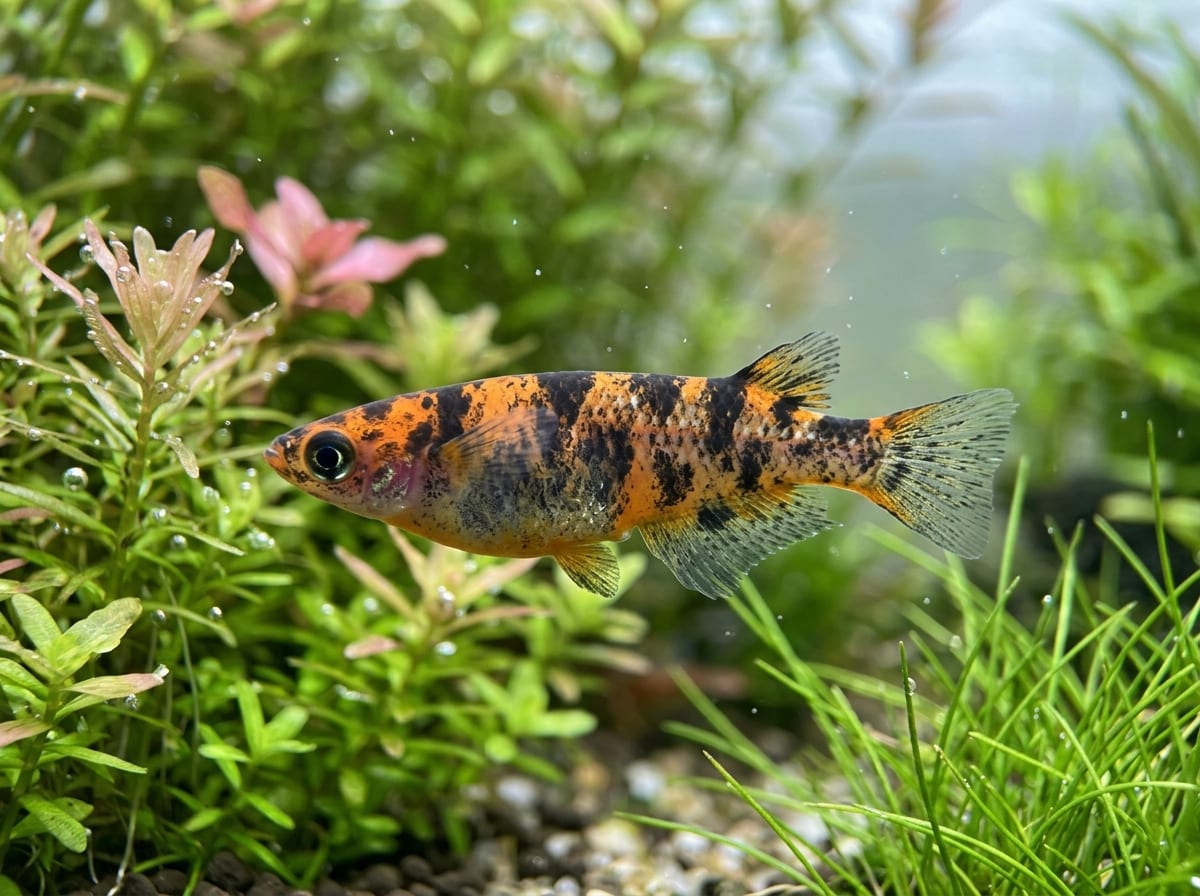
Piebald
Buchi medaka are uniquely patterned fish featuring irregular black or brown blotches on a white or yellow base, with no two individuals sharing the same markings. Their random, one-of-a-kind patterns make them highly collectible and a favorite among hobbyists. Hardy and easy to care for, they are an excellent choice for beginners.
View Piebald encyclopedia →- Price Range
- ¥4,000〜¥4,000
0% commission on your first sales!Register by September 30, 2026 and your first 2 sales are commission-free!
Breeder Wanted!
List on BreederDirect and sell directly to customers nationwide!
9 Transparency Commitments from Br-Choku
Each Medaka listing includes the following from Breeder. Full transparency on color variations (Yokihi/Miyuki/Lame) and lineage guaranteed.
- Variety Name
- Lineage
- Actual Photos
- Color Classification
- Body Type
- Scale Type
- Size
- Origin
- Age/Generation
Browse all 20 breeds
Color
Scale Type
No listings match your filters
Adjust your filters, or get notified when new listings arrive.
Getting alerts is free with a member account. When new listings match your saved search, we'll notify you by email and in-app.
Browse other categories
Verified breeders (preview)
Piebald key facts
- Care level
- Beginner-friendly
- Lifespan
- 2-3 years
- Size
- 3-4cm
- Diet
- Pellets, Daphnia
- Housing
- Can be kept outdoors or indoors
- Water
- Neutral to slightly alkaline
- Feeding
- Medaka pellets twice daily
- Notes
- Spotted pattern may change with growth
About Piebald
Buchi medaka is a color variant of the native Japanese medaka (Oryzias latipes), selectively developed over centuries of ornamental fish culture that dates back to the Edo period. The defining feature is an irregular pattern of black or brown patches on a white or pale yellow body — a pattern so genetically variable that no two individuals are ever identical. Body shape is the typical slender medaka form, reaching 2–4 cm in length. Temperament is gentle and somewhat shy, though fish that are accustomed to their keeper will often gather near the water surface at feeding time. Buchi medaka adapt well to a wide range of setups, from outdoor biotopes to small indoor tanks, making them accessible for keepers of all experience levels. The combination of collectible pattern variety and the ongoing pleasure of watching markings develop with age explains their enduring popularity among aquarists from beginners to enthusiasts.
Featured breeders for Piebald
 亀田養魚 Breeder栃木県★ 5.0 (1)0 Piebald listings
7 things to know before welcoming a Piebald
1Each Fish Is Unique
Buchi medaka's blotch patterns develop randomly, meaning even siblings from the same parents will look completely different. When purchasing, check photos or the actual fish to find a pattern you like. Note that markings can shift slightly as the fish mature.
2Ideal Water Temp: 16–28°C
Medaka, including Buchi, thrive in water temperatures between 16–28°C. Extreme summer heat above 30°C or sudden winter drops can stress the fish, so outdoor keepers should manage conditions seasonally. Indoor keepers may use a heater to maintain a stable temperature year-round.
3Avoid Overcrowding
A general guideline is 1–2 liters of water per fish. Overcrowding leads to poor water quality and stress, which can dull the fish's coloration and patterning over time. Maintaining appropriate stocking density helps keep your Buchi medaka looking their best.
4Substrate Affects Pattern Visibility
Dark or black substrate enhances the contrast of Buchi medaka's white and black markings, making their patterns more striking. Light-colored or bare-bottom setups can cause colors to appear washed out. Choosing the right substrate is a simple way to showcase their unique patterns.
5Breeding Reveals Pattern Variety
Buchi medaka breed readily, and raising fry from eggs lets you discover a new variety of patterns in the next generation. Providing a spawning mop or aquatic plants makes egg collection easier. Moving newly hatched fry to a separate container will significantly improve their survival rate.
6Relatively Low Setup Cost
A basic setup including a tank, filter, air pump, and substrate can be assembled for a modest budget. Buchi medaka prices vary by the rarity of their pattern, but typical individuals range from a few hundred to a few thousand yen. Ongoing maintenance costs are also low, making them an economical hobby fish.
7Weekly Water Changes Recommended
To maintain good water quality, perform partial water changes of about one-third of the tank volume once a week. Changing too much water at once can cause sudden shifts that shock the fish. Always use dechlorinated water matched to the tank temperature and add it slowly.
Frequently asked questions about Piebald
- Q.Do Buchi medaka pass their patterns to offspring?
- A.Pattern tendencies are inherited, but individual markings are never exactly replicated. Even siblings from the same parents will each develop a unique arrangement of patches, which is one of the variety's most appealing traits.
- Q.Can Buchi medaka be kept with other medaka varieties?
- A.Their peaceful temperament makes them compatible with other medaka varieties. However, if you intend to breed them and preserve specific pattern lineages, keeping varieties separate is recommended.
- Q.Will the pattern change as the fish grows into adulthood?
- A.Yes, patches may expand, contract, or change in intensity from the juvenile stage to full adulthood. The pattern at purchase is not necessarily the final form, so it's best to enjoy the process of watching each fish develop.
- Q.Is indoor or outdoor keeping better for Buchi medaka?
- A.Both environments work well. Outdoor biotopes with natural sunlight can enhance color and pattern vibrancy. Indoors, supplementing with a dedicated aquarium light helps, and placing the tank in a bright spot away from direct sunlight is ideal.
- Q.Are fish with fewer patches considered lower quality?
- A.Fewer patches are not a sign of lower quality — they simply reflect individual variation. Fish with minimal markings have a clean, subtle appeal, while those with bold patches make a striking display. Personal preference is the best guide when selecting Buchi medaka.
Useful tools for Piebald care
Learn more about Piebald in the encyclopedia
View Piebald encyclopedia entry →
Care difficulty, lifespan, size and diet — all basics covered.
More in this category
Can't find the one you're looking for?
Post your wishes for free and breeders with matching animals will contact you with introductions.