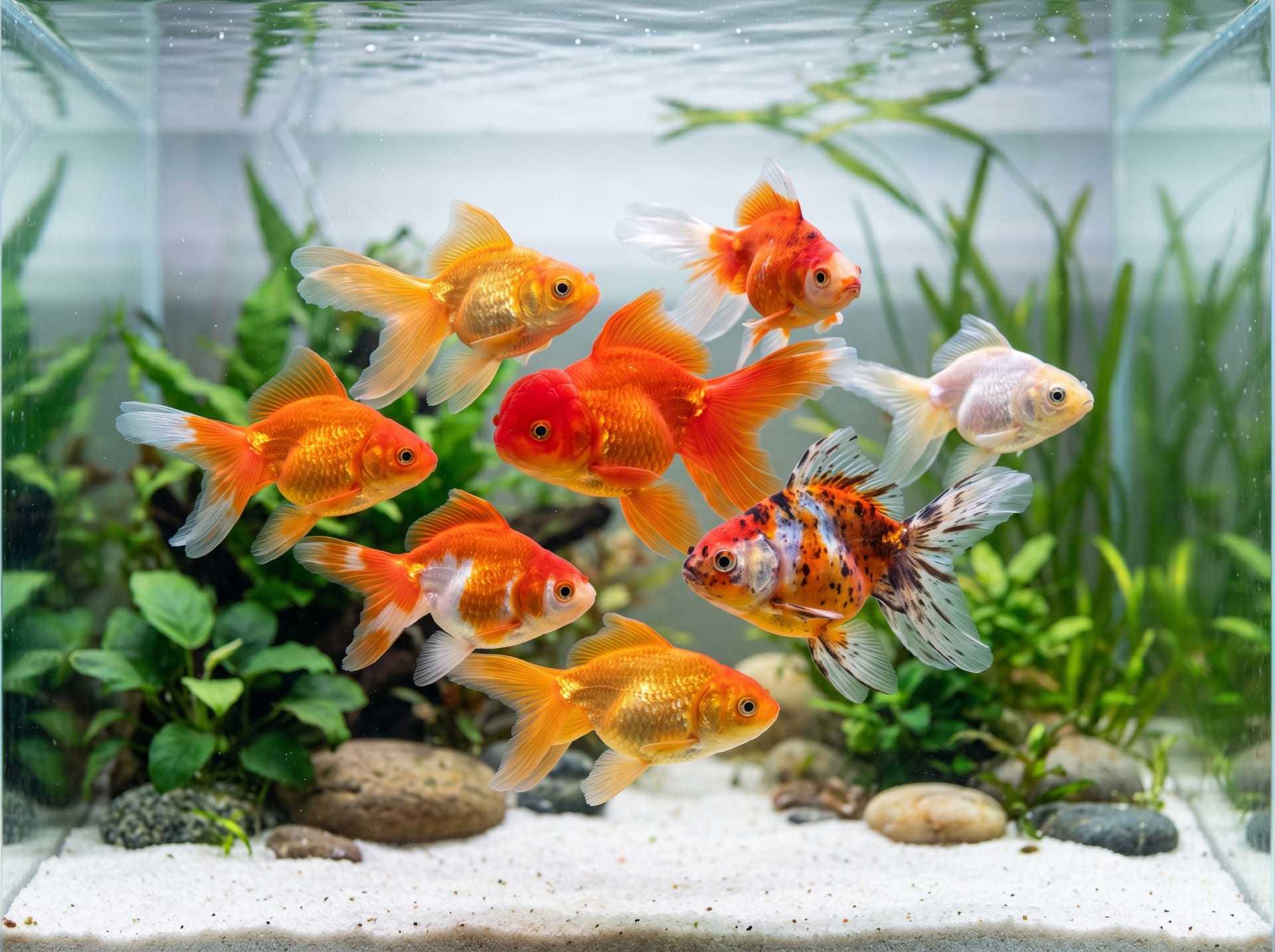
Other Goldfish
The "Other Goldfish" category encompasses rare or uniquely bred goldfish that don't fit standard classifications, including breeder originals and uncommon varieties. Each individual offers distinct appearance and personality, making them appealing to collectors and enthusiasts alike. Care requirements generally follow standard goldfish husbandry, though specific needs vary by variety, so always confirm details with the breeder at time of purchase.
0% commission on your first sales!Register by September 30, 2026 and your first 2 sales are commission-free!
Breeder Wanted!
List on BreederDirect and sell directly to customers nationwide!
6 Transparency Commitments from Br-Choku
All Goldfish listings from Breeder include the following details. We guarantee transparency in lineage (Yamato/Yatomi/Edo) and competition awards.
- Lineage
- Real Photos
- Breeder Lineage
- Award History
- Competition History
- Age Stated
Browse all 26 breeds
Care Difficulty
No listings match your filters
Adjust your filters, or get notified when new listings arrive.
Getting alerts is free with a member account. When new listings match your saved search, we'll notify you by email and in-app.
Browse other categories
Verified breeders (preview)
About Other Goldfish
The "Other Goldfish" category brings together individuals without a fixed breed name — fish from breeders' experimental crossbreeding programs, rare native lineages, or unique mutations that emerged through centuries of selective breeding. Goldfish improvement began in China over 1,000 years ago, producing an enormous diversity of body shapes, colors, and fin variations along the way. Individuals from exclusive bloodlines not found in mainstream markets are among the greatest draws for collectors. Appearances vary dramatically from fish to fish — round or slender bodies, single or multicolored patterns. Temperament is generally calm and responsive to human presence, though some strains can be more delicate. The core appeal of keeping these fish lies in owning something truly one-of-a-kind: many individuals change color or develop new fin characteristics as they mature, offering a long-term experience unlike any standard breed.
7 things to know before welcoming a Other Goldfish
1Verify Breed Traits First
Since this category covers diverse varieties, body strength, swimming style, and adult size can vary greatly between individuals. Always ask the breeder or seller for information about the parent fish and any specific care requirements before purchasing. Understanding the fish's traits is the essential first step to avoiding problems later.
2Tank Size Guidelines
As a general goldfish guideline, aim for approximately 30–60 liters of water per adult fish to maintain stable water quality. Even smaller varieties benefit from a generously sized tank from the start, accounting for future growth. Overcrowding accelerates water quality decline and increases the risk of disease.
3Filtration Is Essential
Goldfish are heavy waste producers, making long-term care without filtration very difficult. Use an external or top-mounted filter to ensure adequate biological filtration, and perform 30–50% water changes one to two times per week. Consistent water quality management is the foundation of keeping goldfish healthy.
4Temperature and Seasonal Care
Most goldfish thrive between 15–25°C, but some "other" varieties may have lineage with tropical traits requiring warmer temperatures. Pay special attention to summer heat exceeding 30°C and sudden winter temperature drops. Ask the seller about the appropriate temperature range, as some individuals may require an aquarium heater.
5Choosing Tankmates Carefully
Mixing strong swimmers with slower, delicate varieties (such as telescope-eye or ranchu types) in the same tank can lead to competition for food and physical injury. Since "other goldfish" vary widely in body shape, it's best to house individuals with similar swimming ability and body robustness together. Pay attention to size differences when selecting tankmates.
6Expected Initial and Running Costs
Initial setup costs including tank, filter, aeration, and substrate typically range from 10,000–50,000 yen. Monthly running costs for electricity, food, and water change supplies generally fall between 2,000–5,000 yen. Rare or unusual varieties can carry a higher individual price, so calculate the full cost of ownership before purchasing.
7Early Signs of Illness to Watch
Frayed fins, white spots, skin redness, loss of appetite, or staying motionless at the tank bottom can all be signs of illness. Unusual body shapes in "other goldfish" varieties can make assessment more challenging, so regular observation of normal behavior is especially important. At the first sign of trouble, consider a salt bath or medicated treatment, and consult a specialist if needed.
Frequently asked questions about Other Goldfish
- Q.What tank size should I start with?
- A.A standard 60 cm tank (approximately 60 liters) is a practical minimum. Goldfish grow quickly and produce significant waste, so a larger volume helps maintain stable water quality. Choosing a bigger tank from the start is advisable if you anticipate your fish growing large.
- Q.What is the typical price range?
- A.Prices vary widely from a few hundred to tens of thousands of yen depending on rarity and breeding difficulty, so there is no single standard price. Buying directly from a breeder allows you to learn about the fish's background and assess value accordingly.
- Q.Can they be kept with other goldfish?
- A.In general, yes, but it is important to pair fish of similar body type and swimming ability. Slower-swimming individuals placed with active goldfish may miss out on food or suffer fin damage over time.
- Q.Do I need any special equipment?
- A.Standard goldfish equipment — tank, a hang-on or canister filter, and aeration — is generally sufficient. However, fish with unusual body shapes may be sensitive to strong water flow, so a filter with adjustable flow rate is a practical choice.
- Q.Are these fish more fragile than standard breeds?
- A.It varies considerably. Some strains with unusual body shapes face greater physical demands when swimming or may be more sensitive to temperature changes. Asking the breeder for detailed care notes at the time of purchase can significantly reduce risks.
Useful tools for Other Goldfish care
More in this category
Can't find the one you're looking for?
Post your wishes for free and breeders with matching animals will contact you with introductions.