AI-generated image
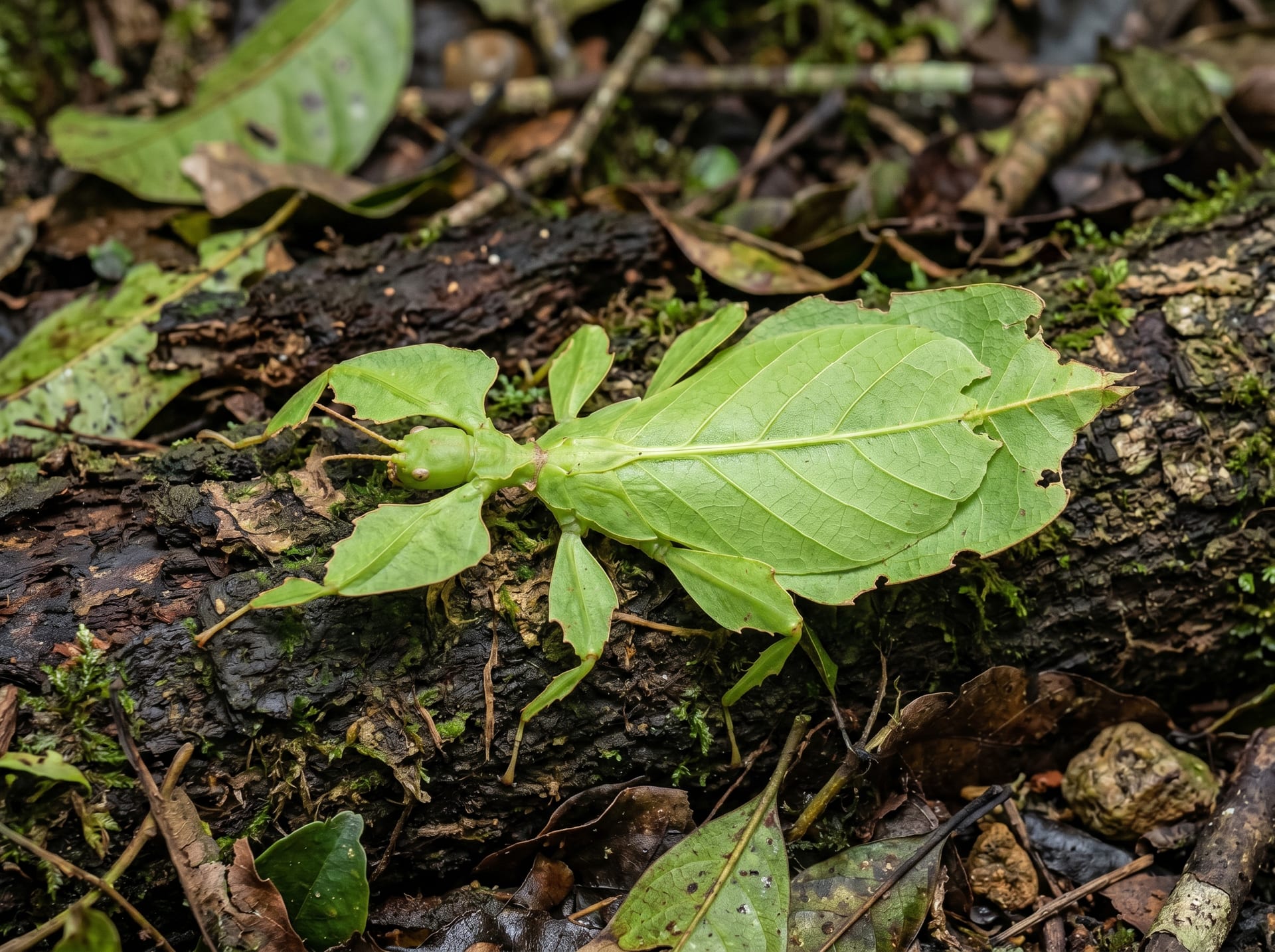
Phyllium sp.
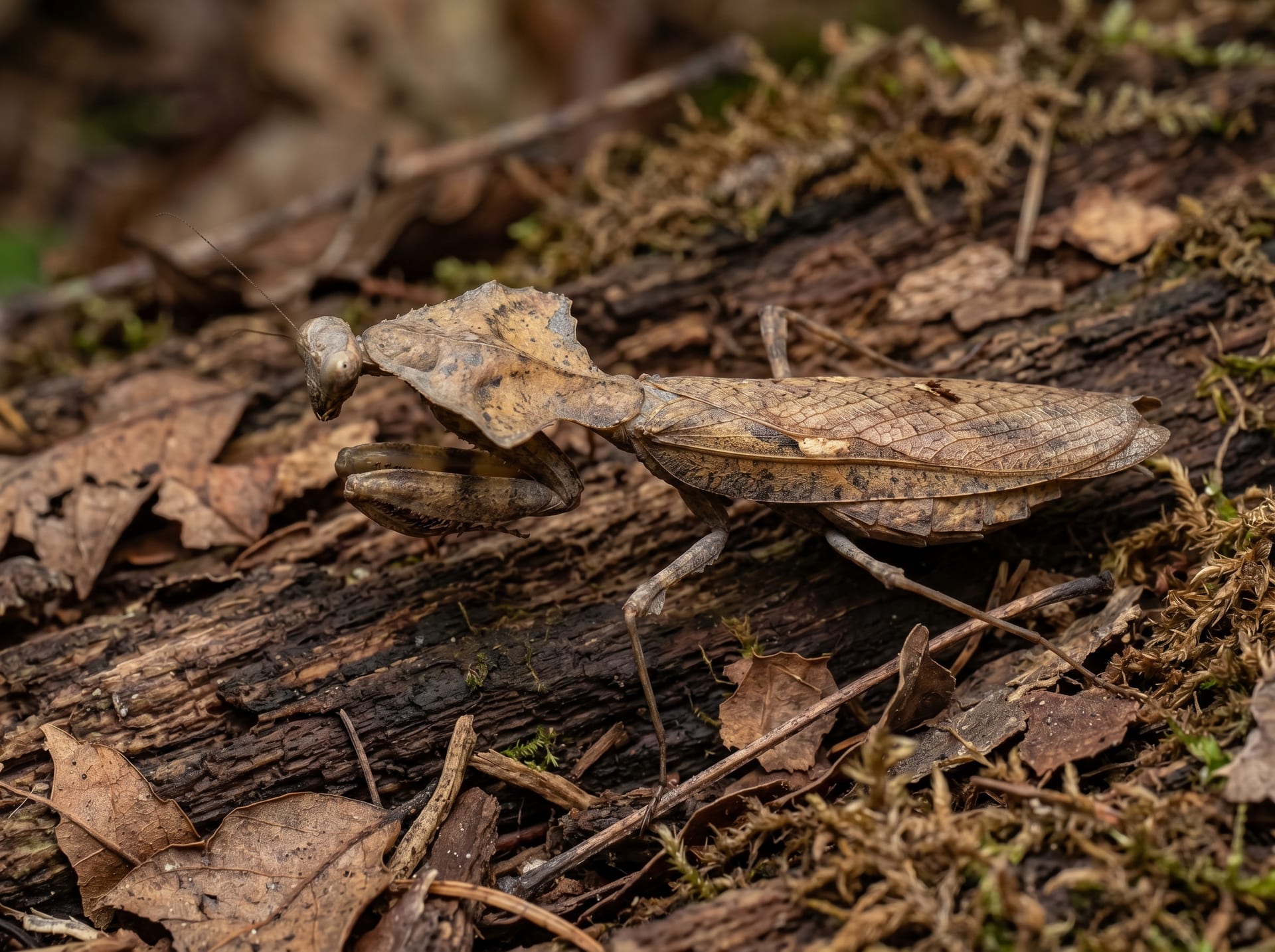
Master of camouflage resembling a leaf. From Southeast Asia. Flat green body looks like a real leaf. Quiet with minimal movement — great for observation. Eats plant leaves, no live prey needed.
Leaf insects (genus Phyllium) are masters of camouflage that look strikingly like real leaves, distributed mainly across Southeast Asia. Their flat green bodies appear to reproduce even leaf venation, and their gentle swaying mimics foliage. Quiet and slow-moving, they are good for observation, and as plant-eaters they need no live prey, which aids ease of care. Husbandry uses a well-ventilated enclosure with moderate humidity. Suitable host leaves such as mulberry or members of the rose family are offered. Providing footing for molting and avoiding excessive dryness supports stable keeping. Some species reproduce parthenogenetically, making breeding enjoyable for this popular mimic.
Source: Wikipedia (CC BY-SA 4.0)
Origin
Southeast Asia
Lifespan
6 months-1 year (female) / 3-6 months (male)
Size
60-100mm
Temperature
22〜28℃
Humidity
60〜80%
Guava, rose family leaves, oak leaves
Mesh cage for ventilation. 30cm+ height
Mist to maintain 60-80% humidity
Fresh guava leaves best. Keep in water vase for freshness
Legs detach easily. Handle very gently
Intermediate. This is an intermediate-level species. Some prior experience and knowledge of environmental management are recommended.
The ideal temperature for Leaf Insect is 22〜28℃. Recommended humidity is 60〜80%. Avoid sudden temperature changes and maintain a stable environment.
The average lifespan of Leaf Insect is 6 months-1 year (female) / 3-6 months (male). With proper care and nutrition, they can live a long and healthy life.
Leaf Insect typically reaches 60-100mm as an adult. Size may vary depending on care conditions and individual genetics.
Leaf Insect feeds on: Guava, rose family leaves, oak leaves. Aim for a balanced diet with appropriate feeding frequency.
The price of Leaf Insect varies significantly depending on morph, size, and lineage. Check our market price page for the latest pricing information.
Last updated: June 23, 2026
Edited & verified by: br-choku editorial team
The taxonomic, regulatory, and husbandry data on this page are compiled and verified against the authoritative primary sources below.
Primary sources
Find listings for this species
Insect Pheromones and Instinctive Behavior Guide | How Reproduction, Territorial, and Aggregation Pheromones Work and Their Application to Pet Care
Explores how insect pheromone communication works. Introduces the types of reproduction, territorial, and aggregation pheromones, with practical applications for keeping pet insects such as beetles, stag beetles, and crickets.
Guide to Breeding Feeder Insects | Intensive Production Systems and Optimization for Crickets, Dubia Roaches, and Black Soldier Flies
Detailed explanation of space optimization through vertical stacking layouts, temperature/humidity zoning, waste management and sanitation maintenance, life cycle optimization from egg to adult, staggered batch management, gut loading, and methods for tracking system operation metrics.
Leaf-Cutter Ant Colony Care Guide | Fungal Garden Management, Feeding, Equipment & Legal Regulations
A comprehensive guide to keeping leaf-cutter ant colonies (Atta/Acromyrmex genus)—the "agricultural ants" that cultivate fungi on harvested leaves. Covers legal compliance with the Plant Protection Act, establishing colonies from starter queens, managing fungal garden (substrate) temperature and humidity (80–90% RH), selecting pesticide-free leaves and avoiding pesticide contamination, troubleshooting issues like green mold and fungal garden shrinkage, and gradually expanding equipment as colonies grow. This article consolidates all essential knowledge for leaf-cutter ant keeping.
Insect Winter Hibernation Guide — Keeping Beetles & Stag Beetles Healthy Through Winter
A practical winter management guide for rhinoceros beetles and stag beetles: adult dormancy setup, larval care in cold months, temperature requirements for tropical species, and preparing for spring activity.