Source: Wikimedia Commons
Shonai Goldfish
BeginnerCarassius auratus
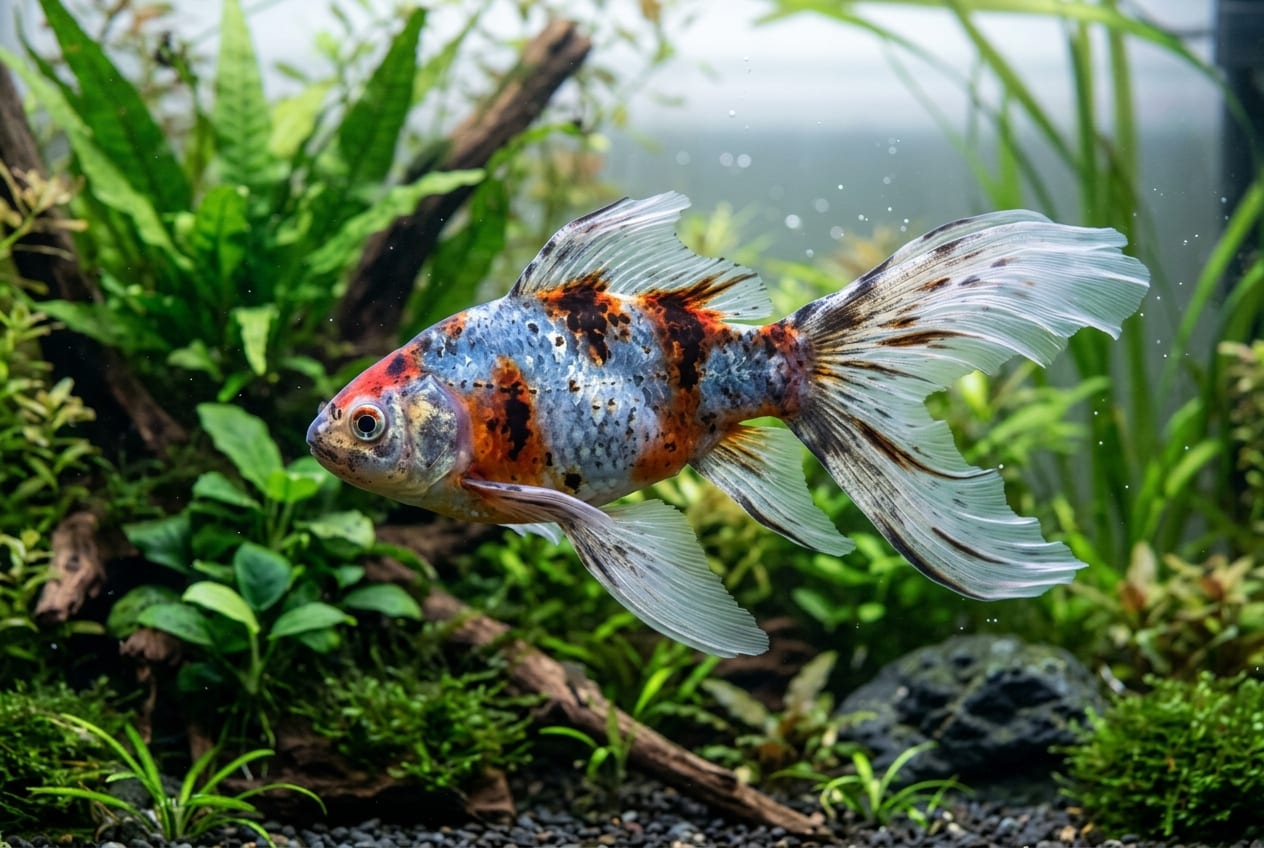
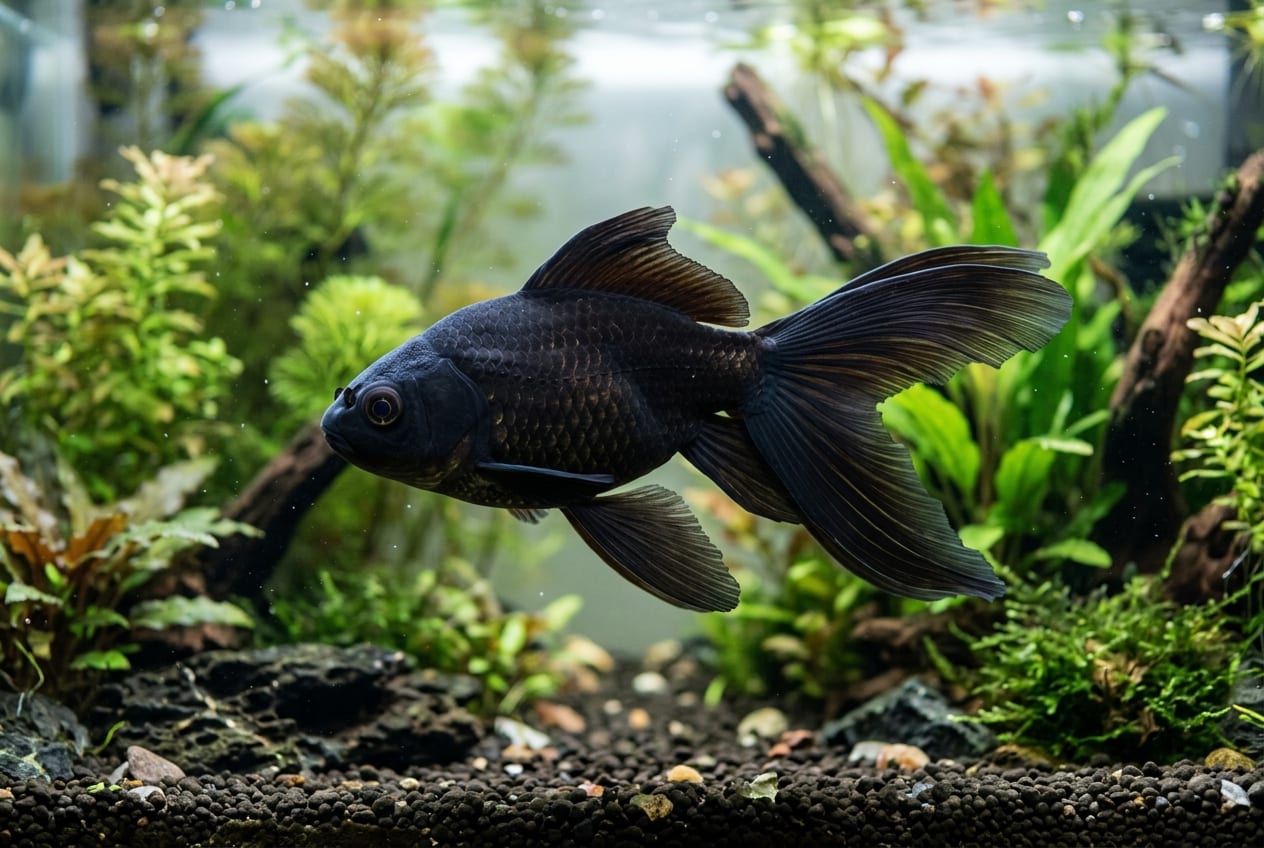
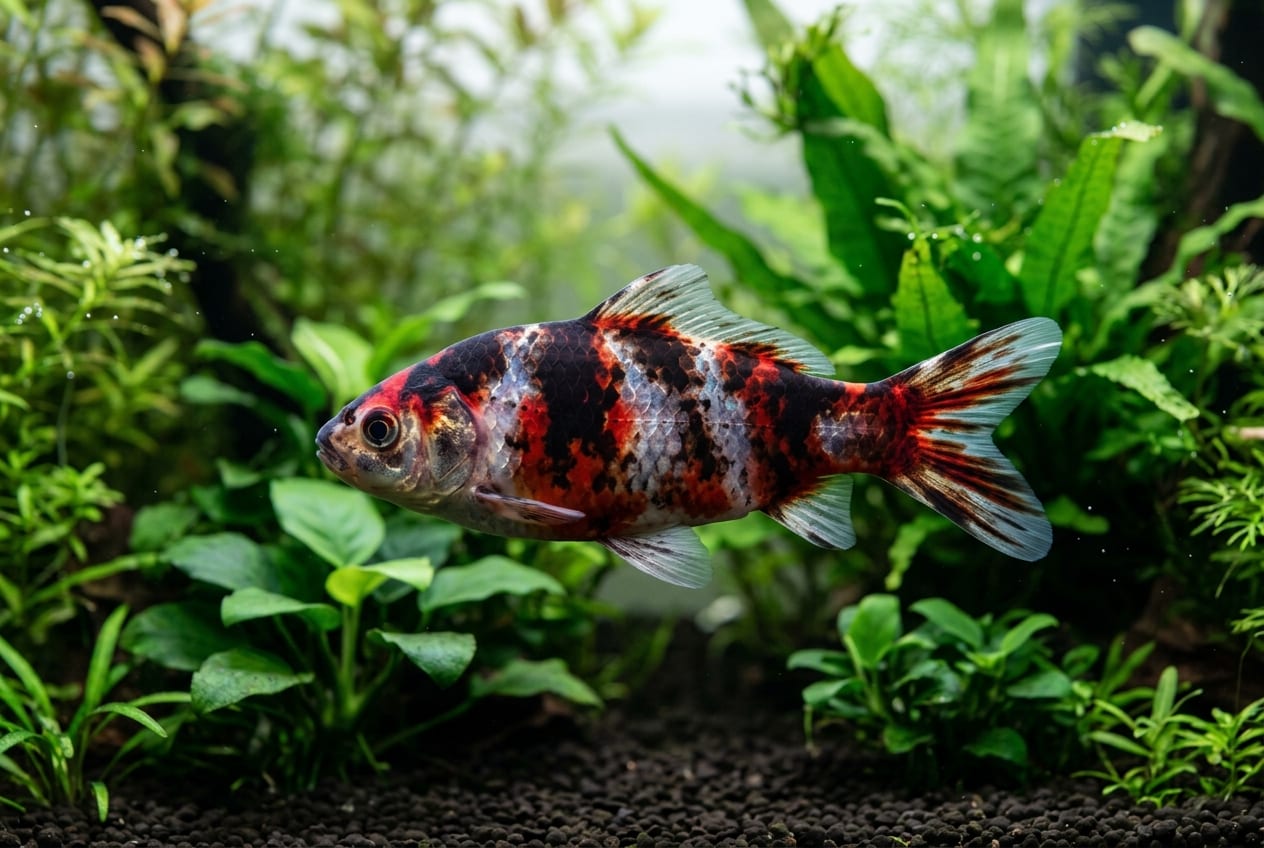
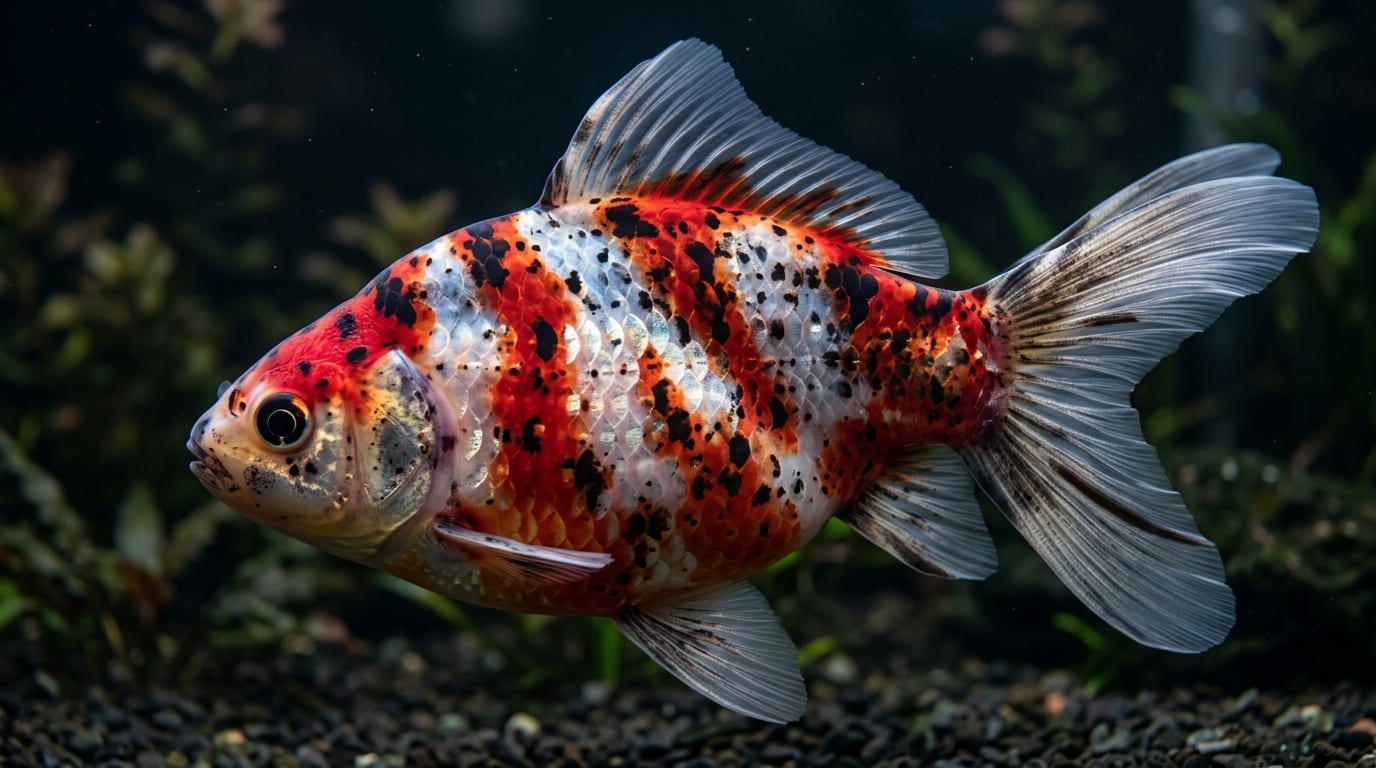
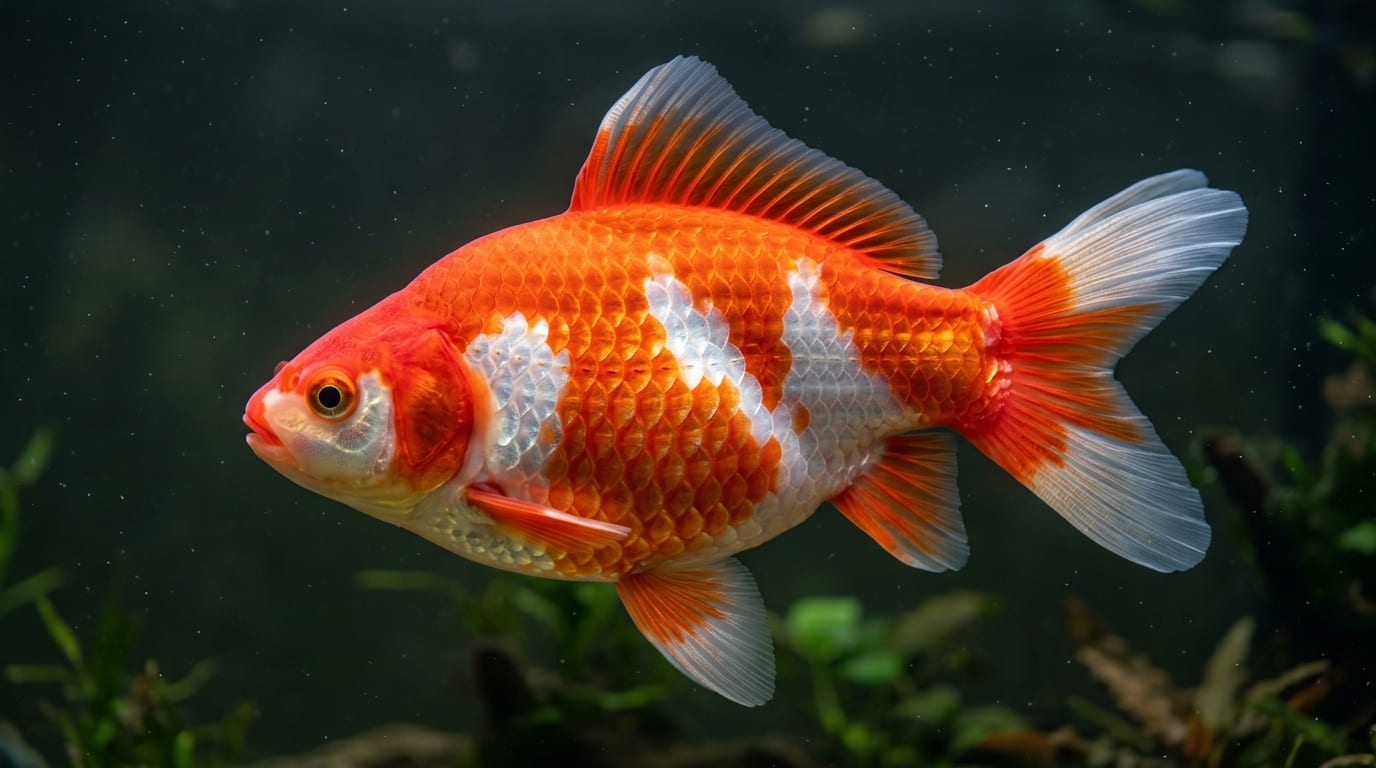
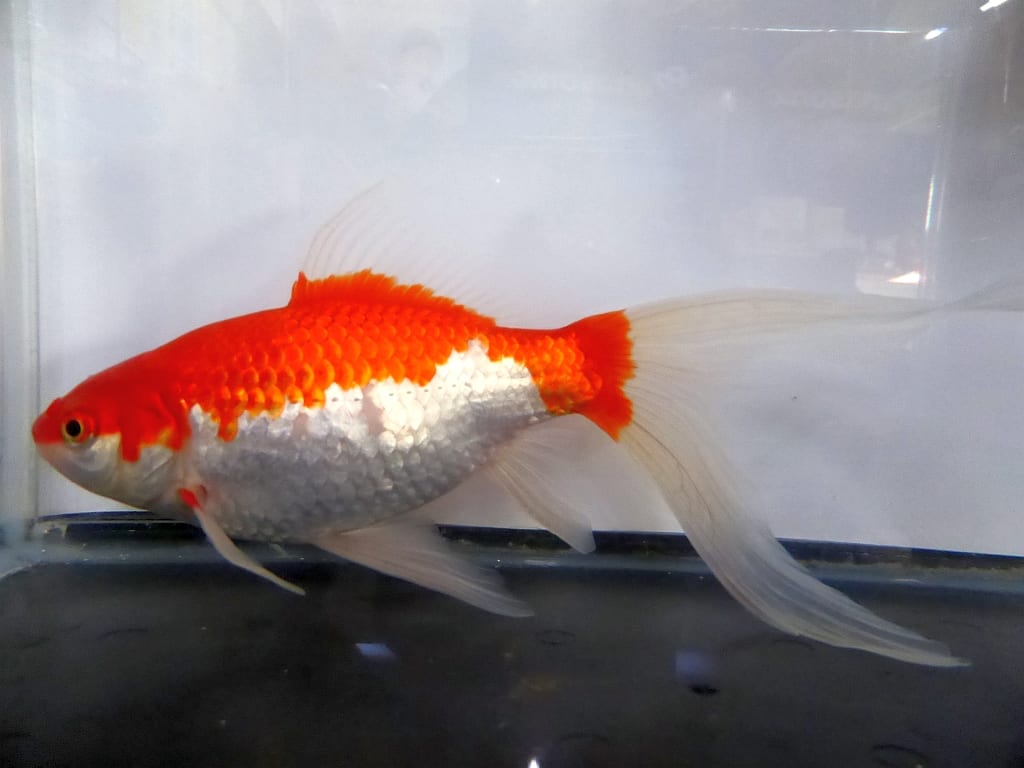
A local variety from the Shonai region of Yamagata Prefecture. It has a long wakin-type body with a single tail, and as it matures the fins lengthen and droop, earning it the name furisode goldfish.
Difficulty
Beginner
Temperature
15〜28℃
Diet
Prepared foods, frozen bloodworms
About
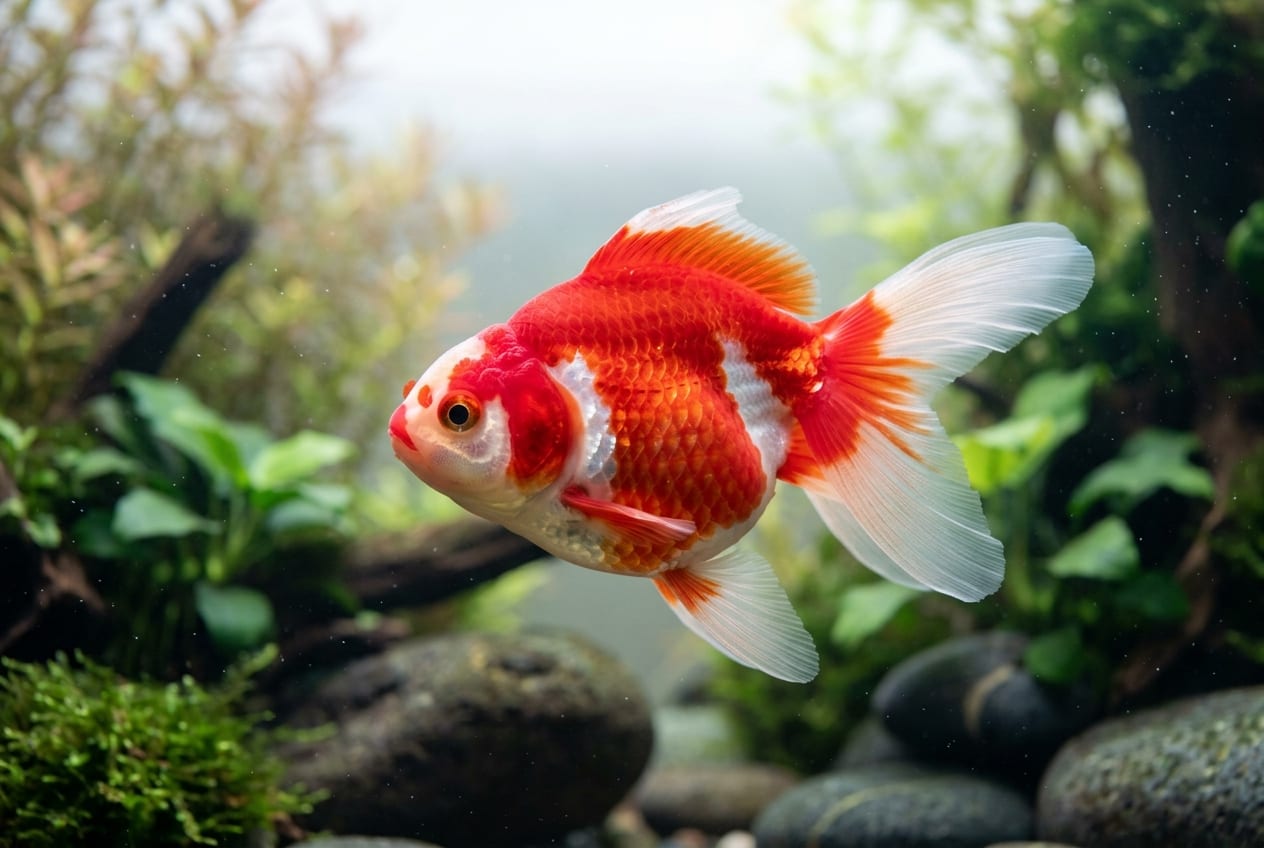
The shonai goldfish is a local variety of the Shonai region of Yamagata Prefecture, and with the tsugaru nishiki one of the two native breeds of the Tohoku area. Abe Jirobei began breeding goldfish in 1874, and three generations over some fifty years brought the line to a fixed form in 1923. The Abe line began from a native fish crossed with the oranda and the Ito line from the wakin crossed with the ryukin; the former is deep red with a pointed tail, the latter paler with a longer tail. Both have the long wakin-type body and a single tail, resembling the comet though less slender and with less rigid finnage. The tail lengthens year by year, sometimes to more than twice the body length, and droops with age, whence the name furisode goldfish. Bred in a windswept northern district it is hardy in cold, but forcing rapid growth spoils its proper form.
Source: Wikipedia (CC BY-SA 4.0)
Temperature & humidity for the Shonai Goldfish
The ideal temperature for the Shonai Goldfish is 15〜28℃.
Basic Info
Origin
Shonai region, Yamagata Prefecture, Japan
Temperature
15〜28℃
Diet
Prepared foods, frozen bloodworms
Care Guide
Lighting
It shows well from the side or above and needs no special lighting; enough to reveal how the long tail hangs is sufficient.
Care Specifications
- pH
- 6–8
- Hardness (GH)
- 5–19 dGH
- Water Temp.
- 15–28℃
PeacefulGroupBreeding: Moderate
Sources: FishBase (Carassius auratus) / Keihan Nishikigoi Center: goldfish water management / Kingyo Hitosuji: Wakin
Morphs (Varieties)
Goldfish varieties are established by fixing mutations and by selective breeding, and traits of body form, tail form, scale type, colour and head growth are all carried forward as line-bred selections. No primary source identifying loci or dominance for individual traits could be found, so inheritance is recorded only as line-bred.
Line-bredEstablished by selective line breeding.
Wakin-type long bodySingle (funa) tailElongated drooping fins (furisode)Ippon-hi red marking
Sources: Kingyo Hitosuji: Wakin
A curated selection of notable morphs. Inheritance modes are a breeding-planning guide; actual appearance varies with combos.
References & Sources
Edited & verified by: BreederDirect editorial team
The taxonomic, regulatory, and husbandry data on this page are compiled and verified against the authoritative primary sources below.
Taxonomy & Authority
Regulations & Conservation Status
Not CITES-listed
Sources: CITES Appendices (species not listed) / FishBase (Carassius auratus)
Regulations may change. Always verify the latest information with the relevant authorities.
Shonai Goldfish Listings
Loading latest listingsFind listings for this species