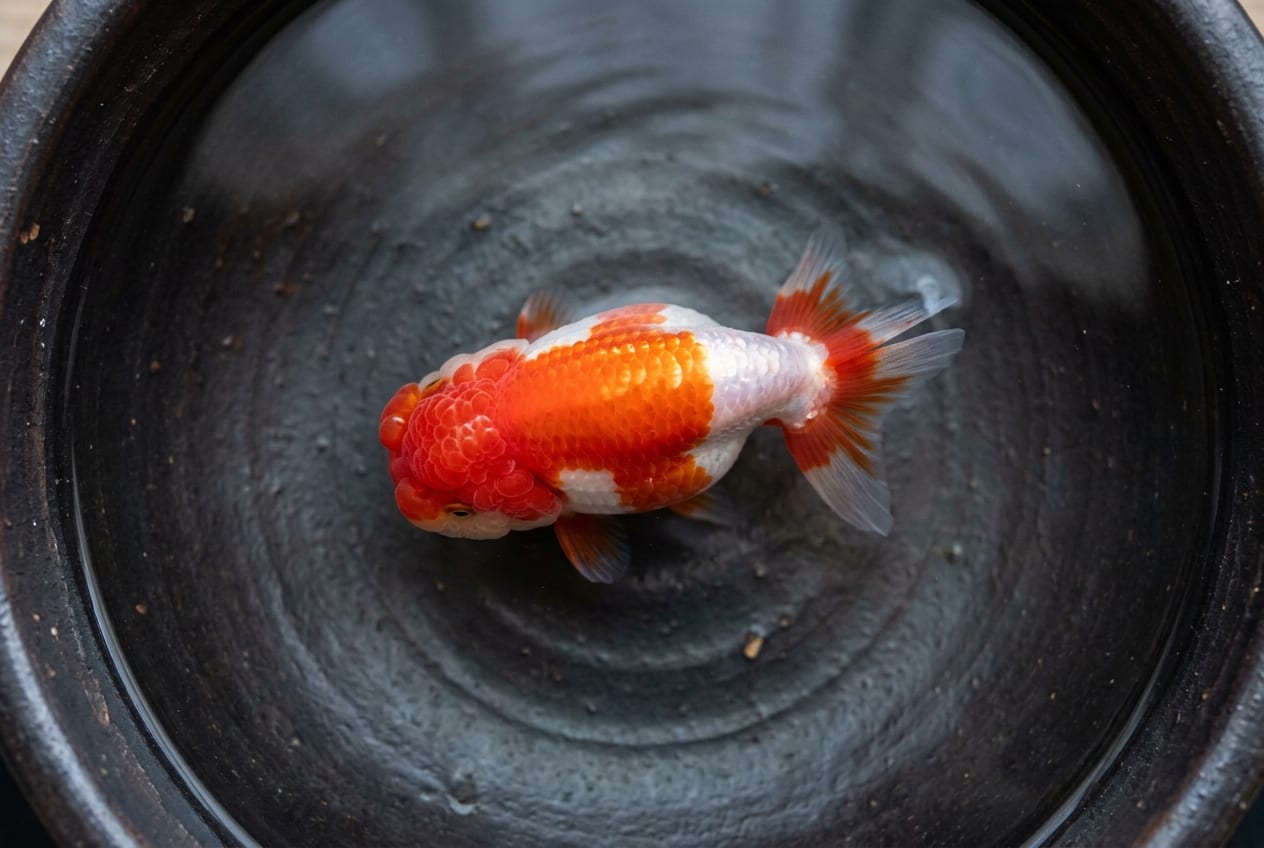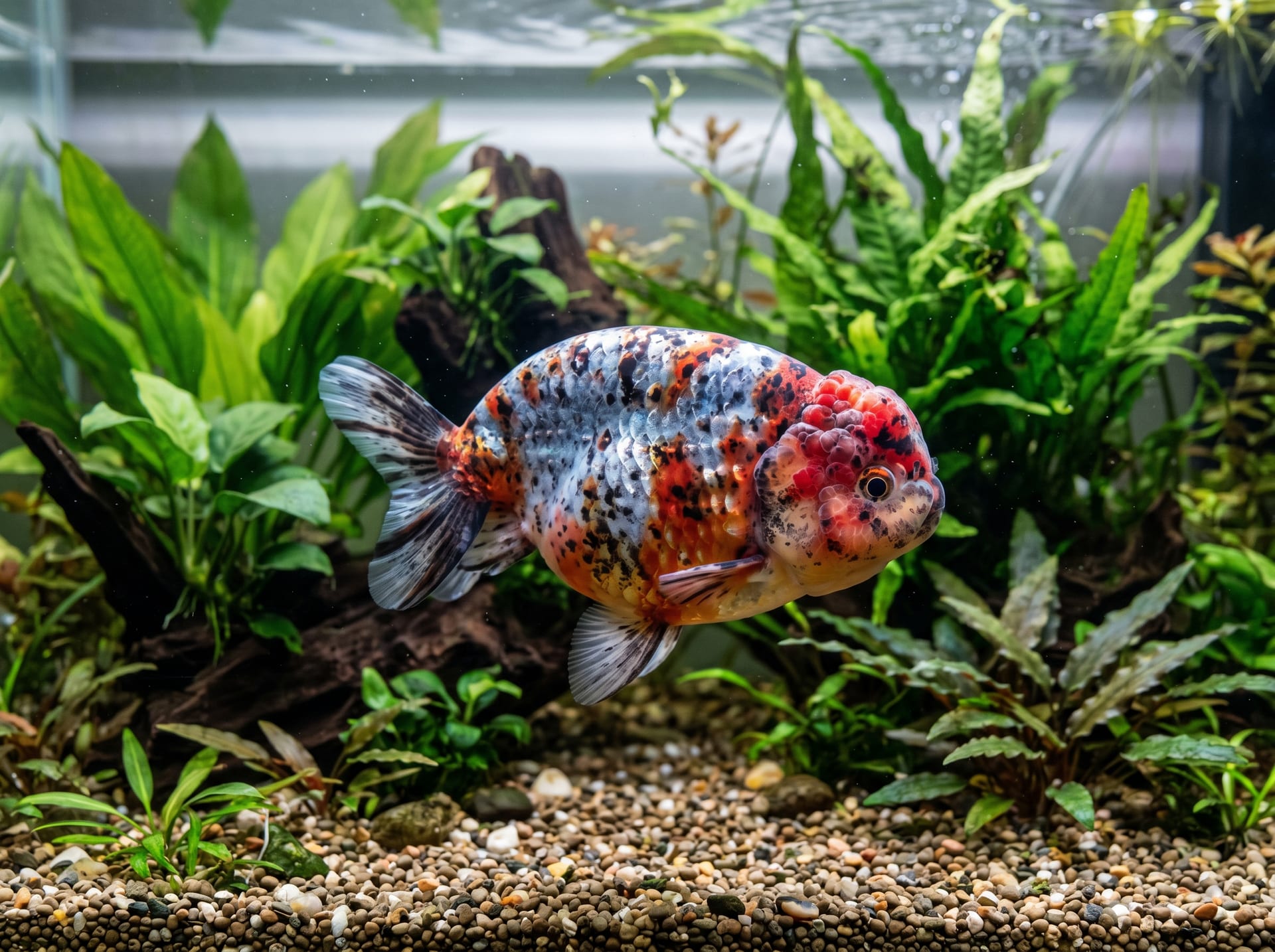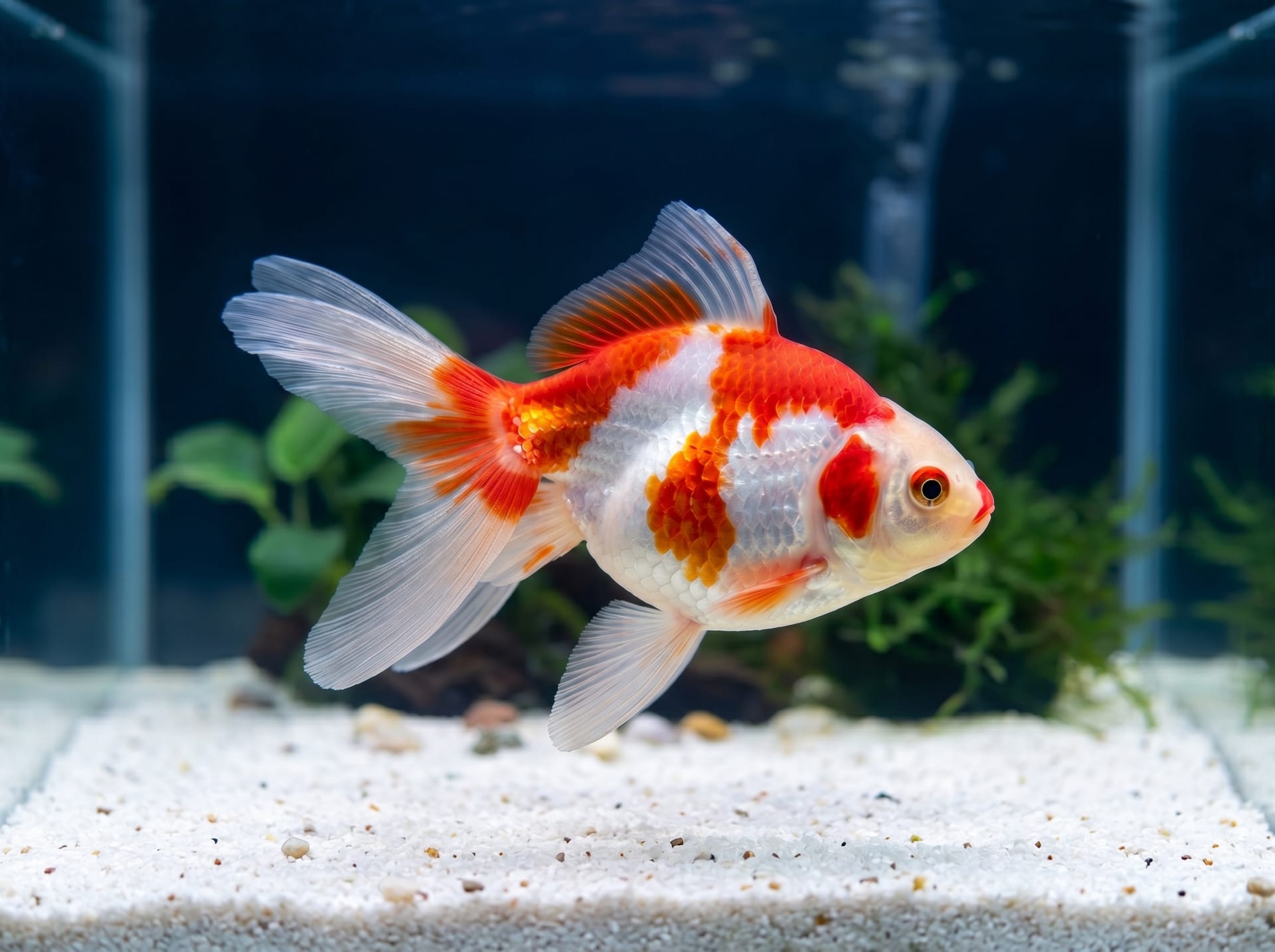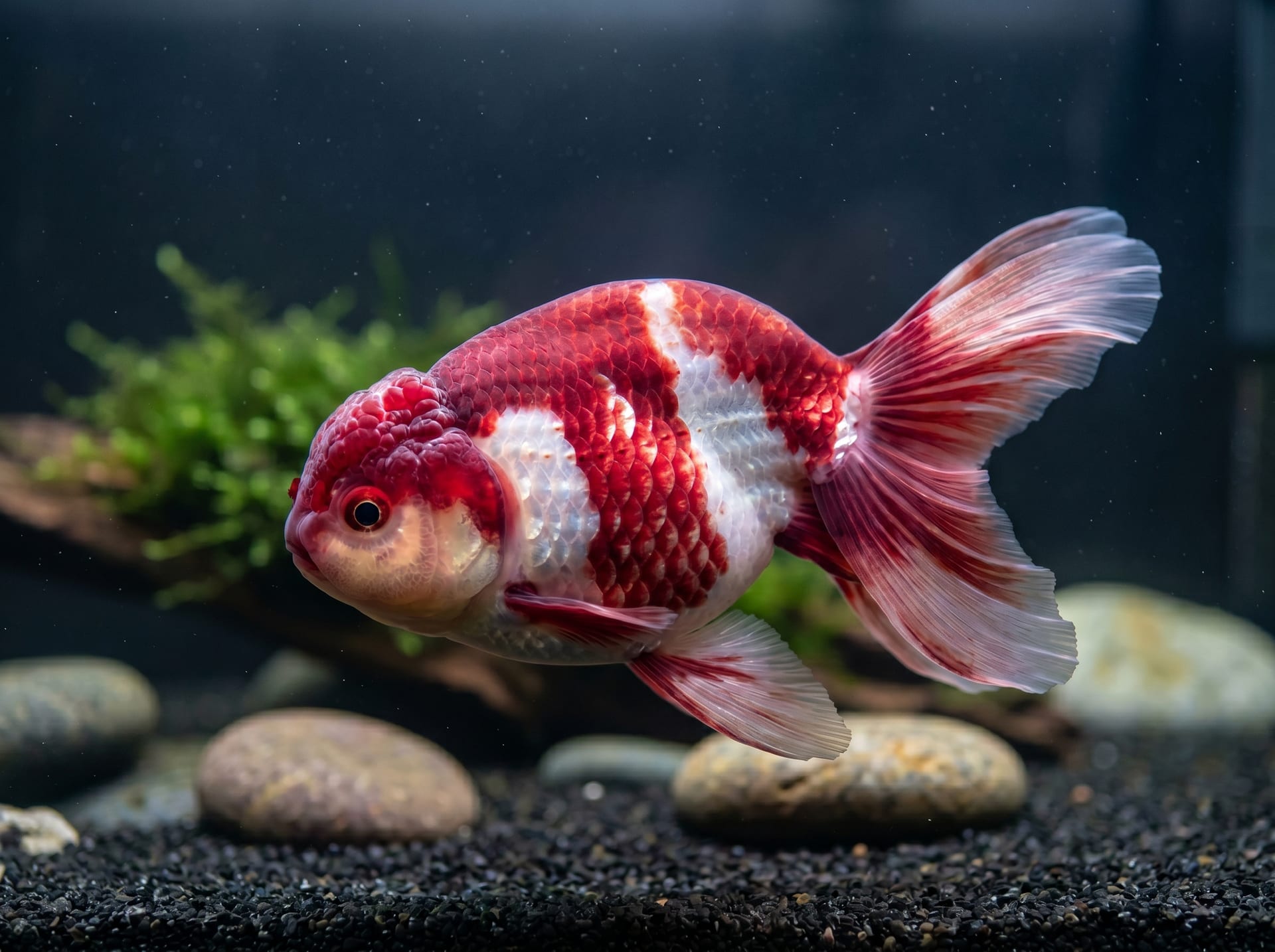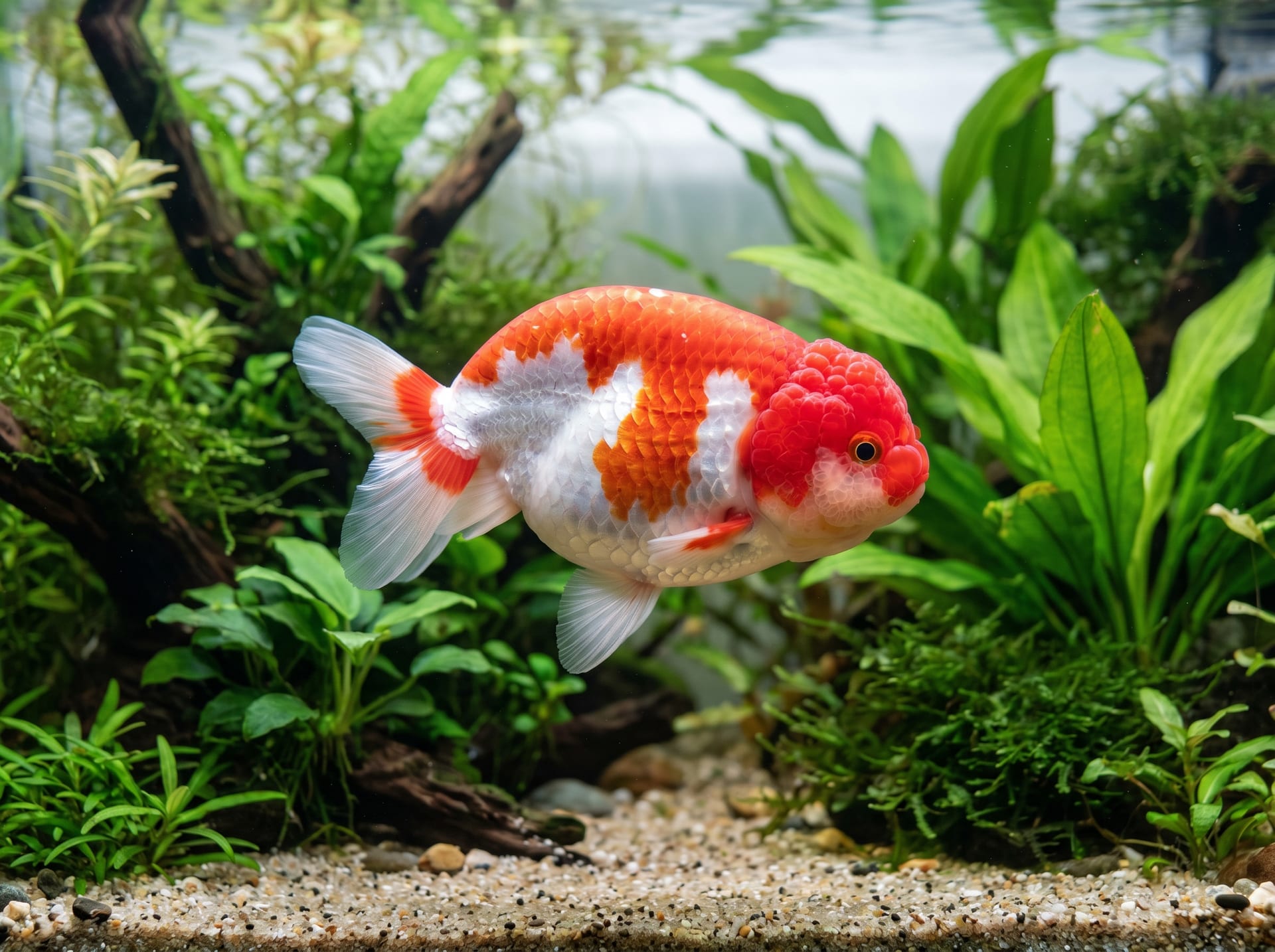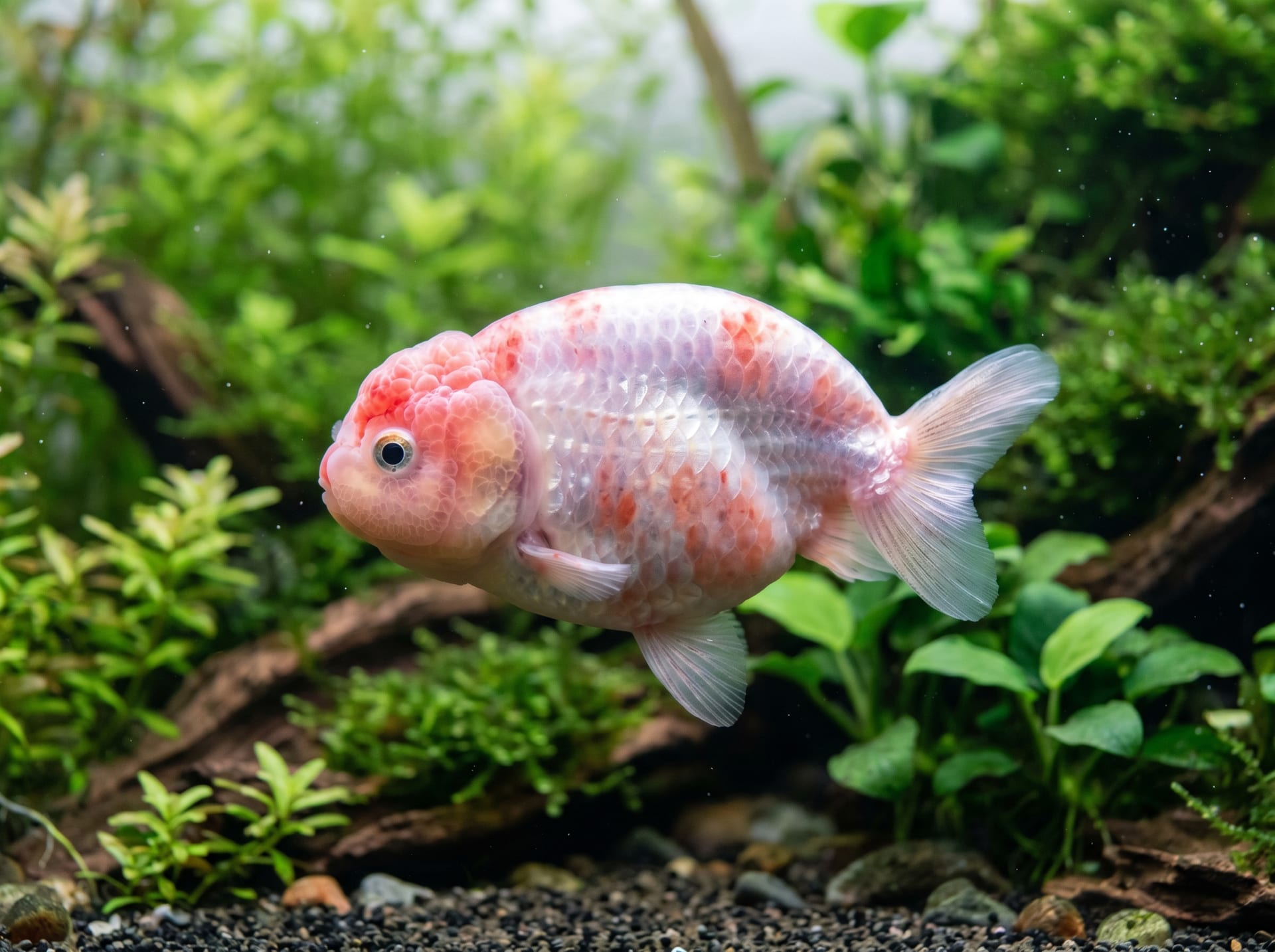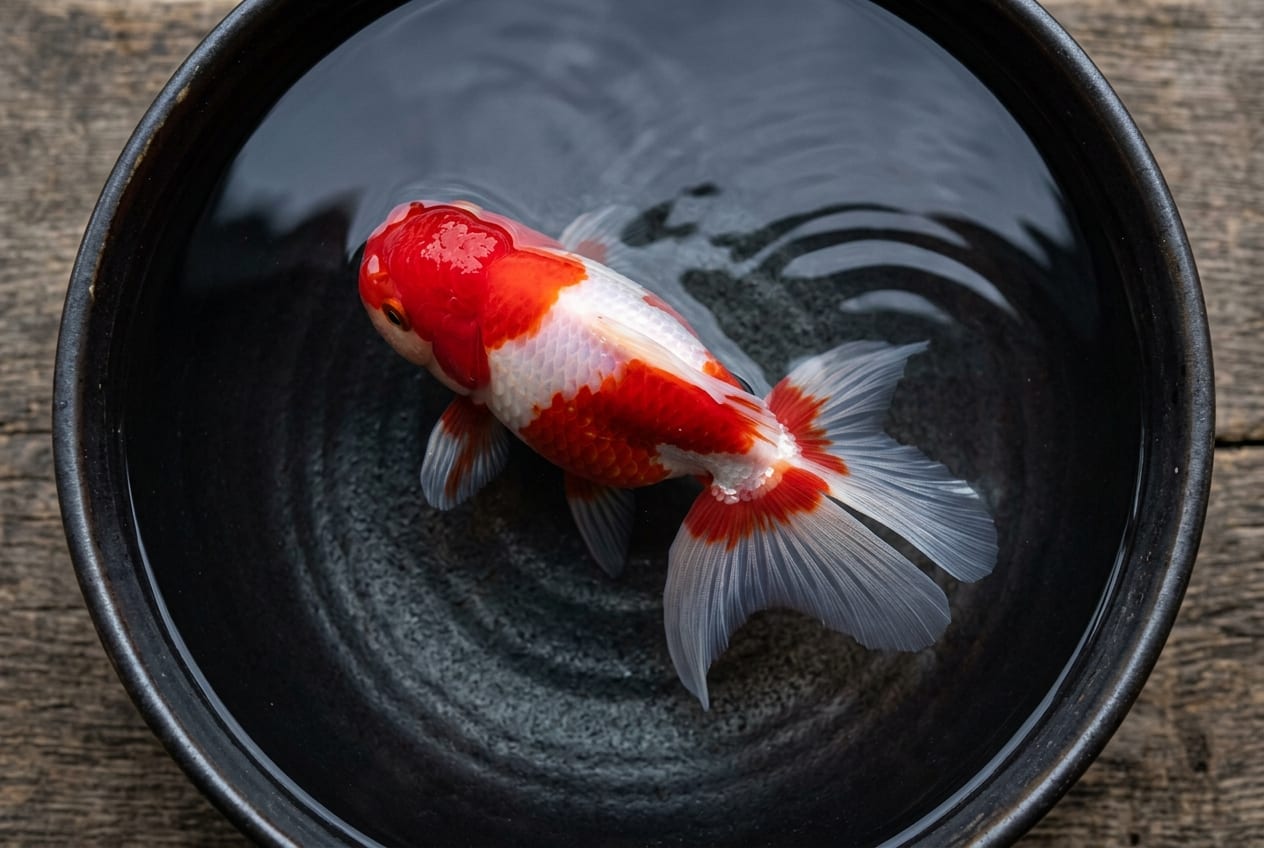
AI-generated image
Kyokai-line Ranchu
AdvancedCarassius auratus
The ranchu line descending from the fish bred by the first Ishikawa Kamekichi in Tokyo during the Meiji era. It values a powerful body, balance in the tail and beauty of movement, and is also known as the head-house line.
Difficulty
Advanced
Temperature
15〜28℃
Lifespan
10-15 years
Size
About 15cm
Diet
Prepared foods, frozen bloodworms
About
The association-line ranchu descends from the fish bred by the first Ishikawa Kamekichi in Tokyo during the Meiji era, and is one of the foundations of the modern ranchu. The All Japan Ranchu Federation, founded in 1941, granted the Ishikawa family the title of head house of the ranchu, and when the Japan Ranchu Association was founded in 1951 it took this line as its standard, which is why the fish is called the association or head-house line. Judging rests on a powerful body, balance in the form of the tail, and beauty of movement. Its criteria differ from the Uno line, which prizes head growth and colour, and the two are never judged side by side. The ranchu has no dorsal fin, reaches about 15cm, standardly carries a three-lobed, four-lobed or sakura tail, and is called the summit of goldfish keeping.
Source: Wikipedia (CC BY-SA 4.0)
Lifespan of the Kyokai-line Ranchu
The Kyokai-line Ranchu lives 10-15 years.
Size of the Kyokai-line Ranchu
The Kyokai-line Ranchu grows to About 15cm.
Temperature & humidity for the Kyokai-line Ranchu
The ideal temperature for the Kyokai-line Ranchu is 15〜28℃.
Basic Info
Origin
Tokyo, Japan
Lifespan
10-15 years
Care Specifications
- pH
- 6–8
- Hardness (GH)
- 5–19 dGH
- Water Temp.
- 15–28℃
PeacefulGroupBreeding: Hard
Sources: FishBase (Carassius auratus) / Keihan Nishikigoi Center: goldfish water management / Kingyo Hitosuji: Ranchu
Morphs (Varieties)
Goldfish varieties are established by fixing mutations and by selective breeding, and traits of body form, tail form, scale type, colour and head growth are all carried forward as line-bred selections. No primary source identifying loci or dominance for individual traits could be found, so inheritance is recorded only as line-bred.
Line-bredEstablished by selective line breeding.
Ranchu body form (dorsal-less)Head growth (wen)Three-, four-lobed or sakura tail
Sources: Kingyo Hitosuji: Ranchu
A curated selection of notable morphs. Inheritance modes are a breeding-planning guide; actual appearance varies with combos.
References & Sources
Edited & verified by: BreederDirect editorial team
The taxonomic, regulatory, and husbandry data on this page are compiled and verified against the authoritative primary sources below.
Taxonomy & Authority
Regulations & Conservation Status
Not CITES-listed
Sources: CITES Appendices (species not listed) / FishBase (Carassius auratus)
Regulations may change. Always verify the latest information with the relevant authorities.
Kyokai-line Ranchu Listings
Loading latest listingsFind listings for this species