AI-generated image
Kyo Zakura
IntermediateCarassius auratus
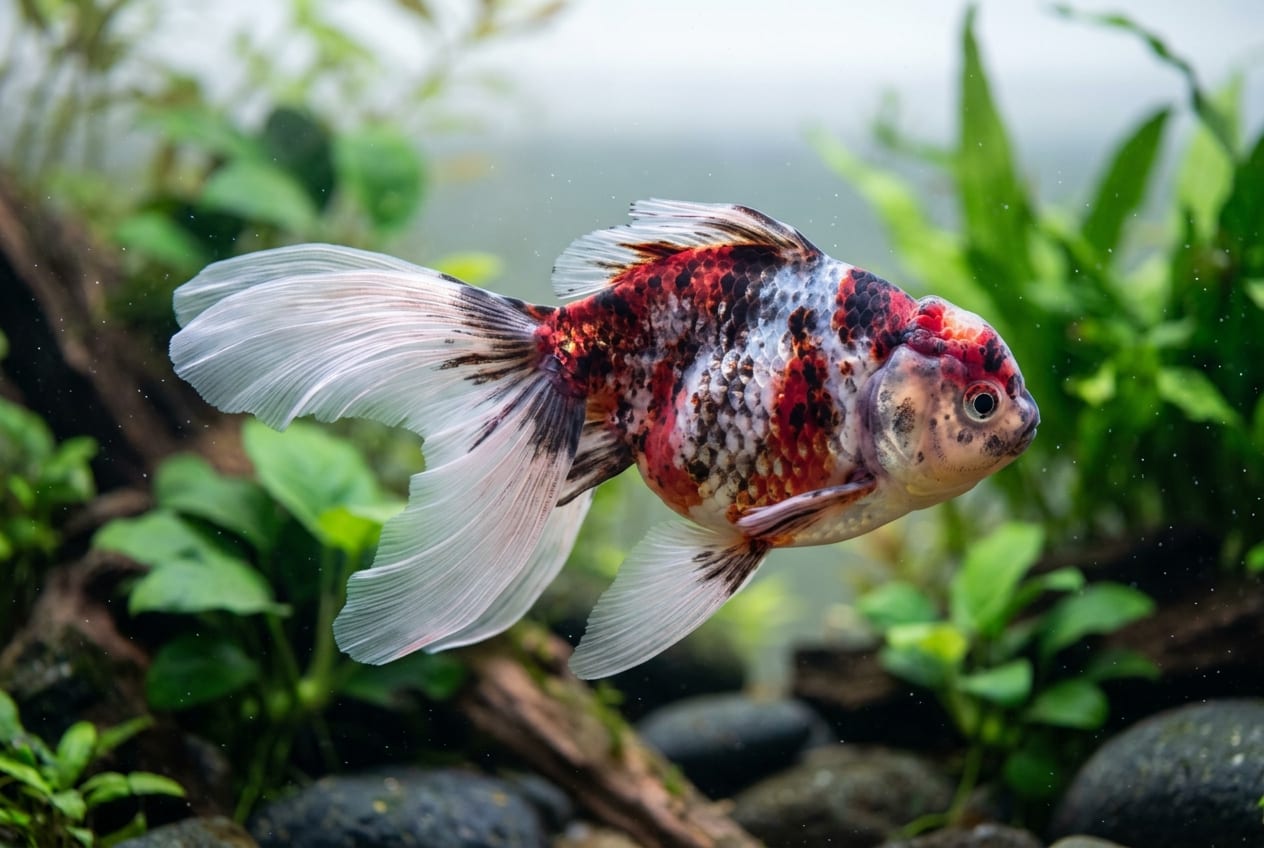
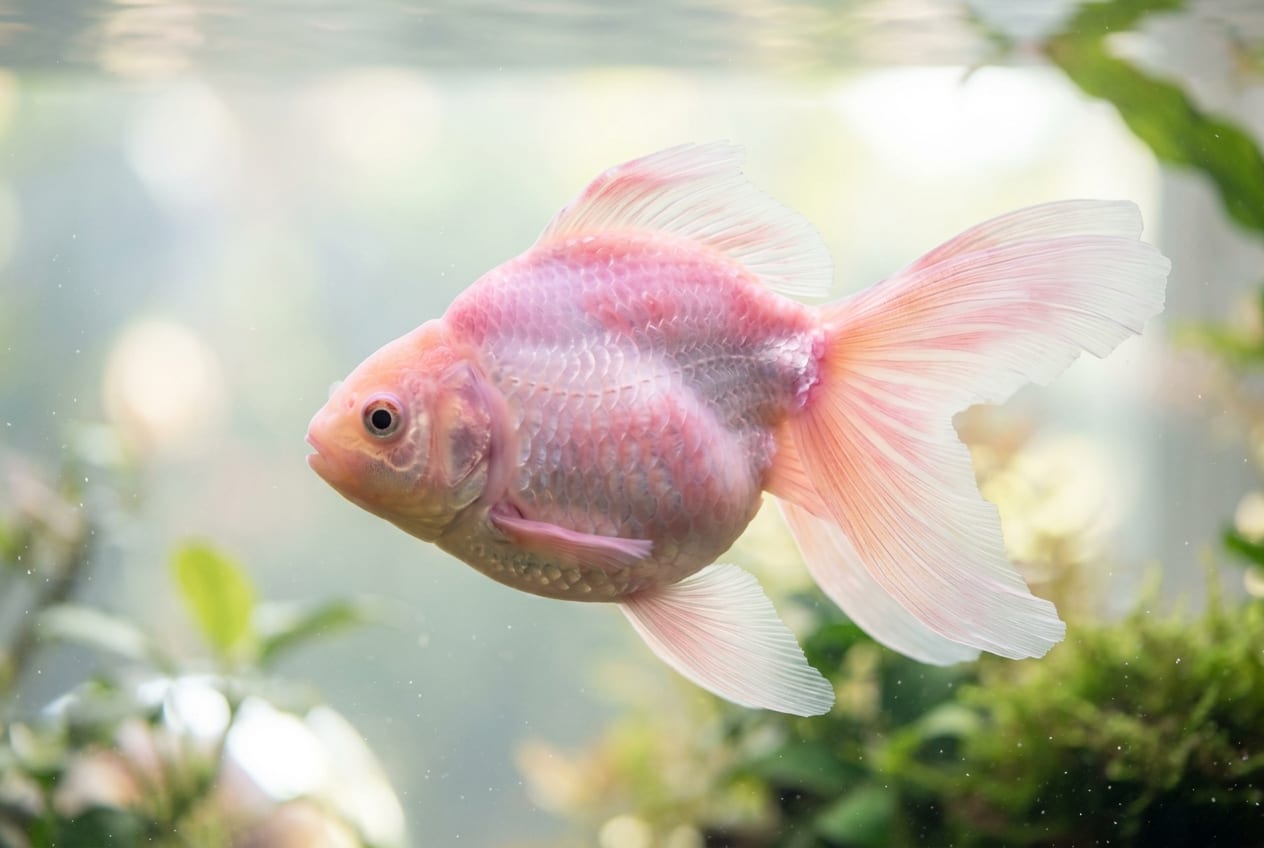
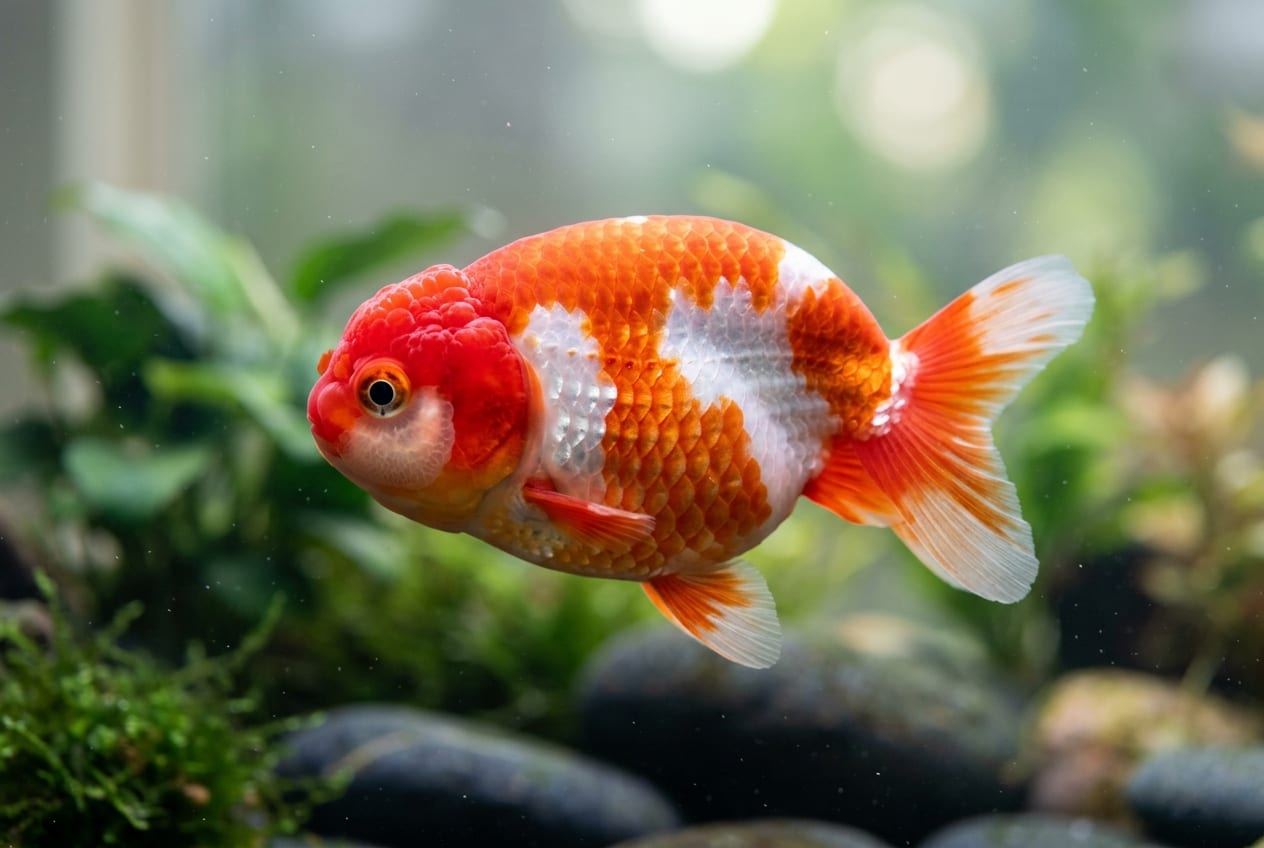
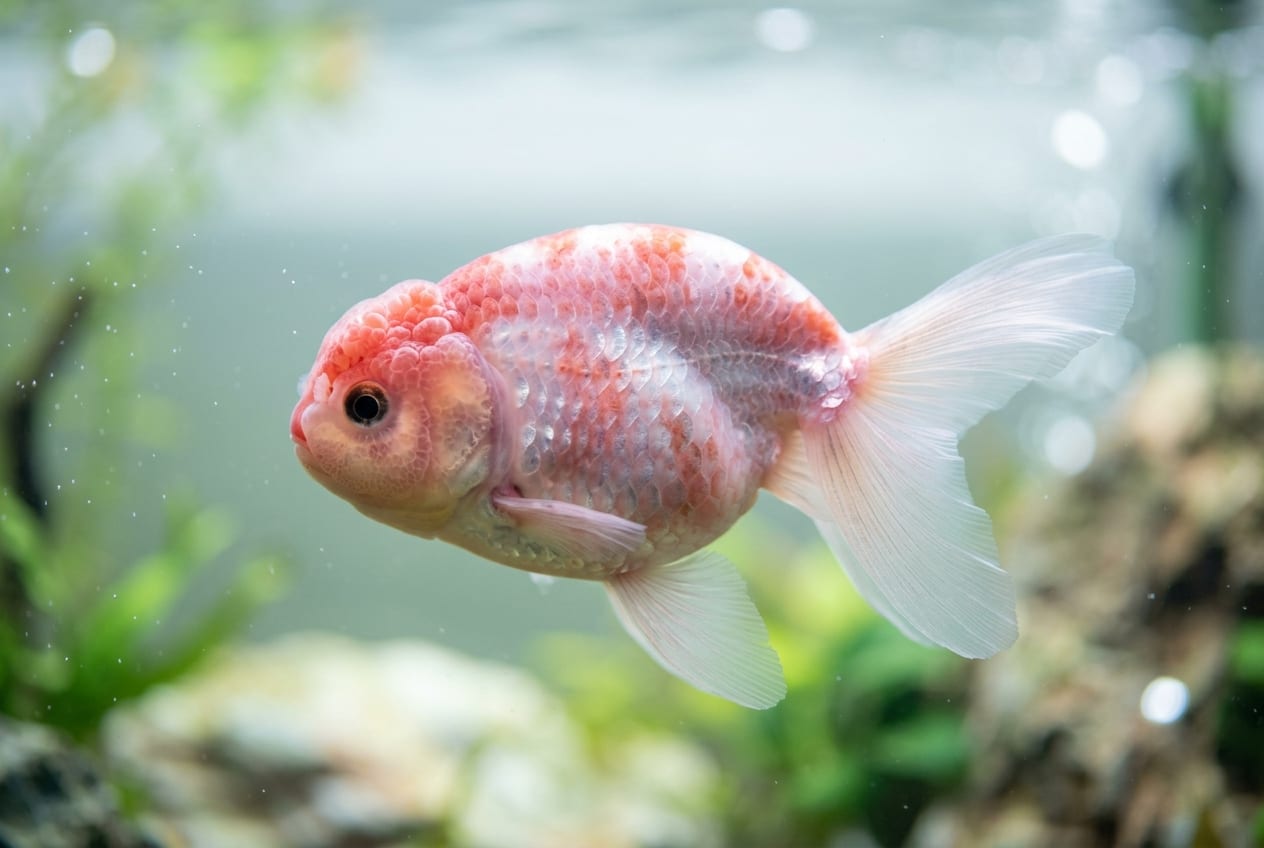
A ranchu-bodied goldfish carrying red-and-white variegation over transparent scales. The name applies when crossing the azuma nishiki with the ranchu yields a fish resembling the sakura nishiki; it is not a fixed variety.
Difficulty
Intermediate
Temperature
15〜28℃
Lifespan
10-15 years
Diet
Prepared foods, frozen bloodworms
About
Kyo zakura is the name applied when crossing the azuma nishiki with the ranchu produces a fish that closely resembles the sakura nishiki. The sakura nishiki itself was made in the Showa era by back-crossing the Edo nishiki to the ranchu; it is marked by variegation over transparent scales and was only registered as a variety in the Heisei era. Fish of the same appearance also arise from the azuma nishiki and ranchu pairing, and those are distinguished as kyo zakura. The build is the round, dorsal-less ranchu body carrying red-and-white variegation with the soft texture that transparent scales give. Since only the ancestry differs, telling the two apart requires knowing where the fish came from.
Source: Wikipedia (CC BY-SA 4.0)
Lifespan of the Kyo Zakura
The Kyo Zakura lives 10-15 years.
Temperature & humidity for the Kyo Zakura
The ideal temperature for the Kyo Zakura is 15〜28℃.
Basic Info
Origin
Japan
Lifespan
10-15 years
Temperature
15〜28℃
Diet
Prepared foods, frozen bloodworms
Care Specifications
- pH
- 6–8
- Hardness (GH)
- 5–19 dGH
- Water Temp.
- 15–28℃
PeacefulGroupBreeding: Moderate
Sources: FishBase (Carassius auratus) / Keihan Nishikigoi Center: goldfish water management
References & Sources
Edited & verified by: BreederDirect editorial team
The taxonomic, regulatory, and husbandry data on this page are compiled and verified against the authoritative primary sources below.
Taxonomy & Authority
Regulations & Conservation Status
Not CITES-listed
Sources: CITES Appendices (species not listed) / FishBase (Carassius auratus)
Regulations may change. Always verify the latest information with the relevant authorities.
Kyo Zakura Listings
Loading latest listingsFind listings for this species