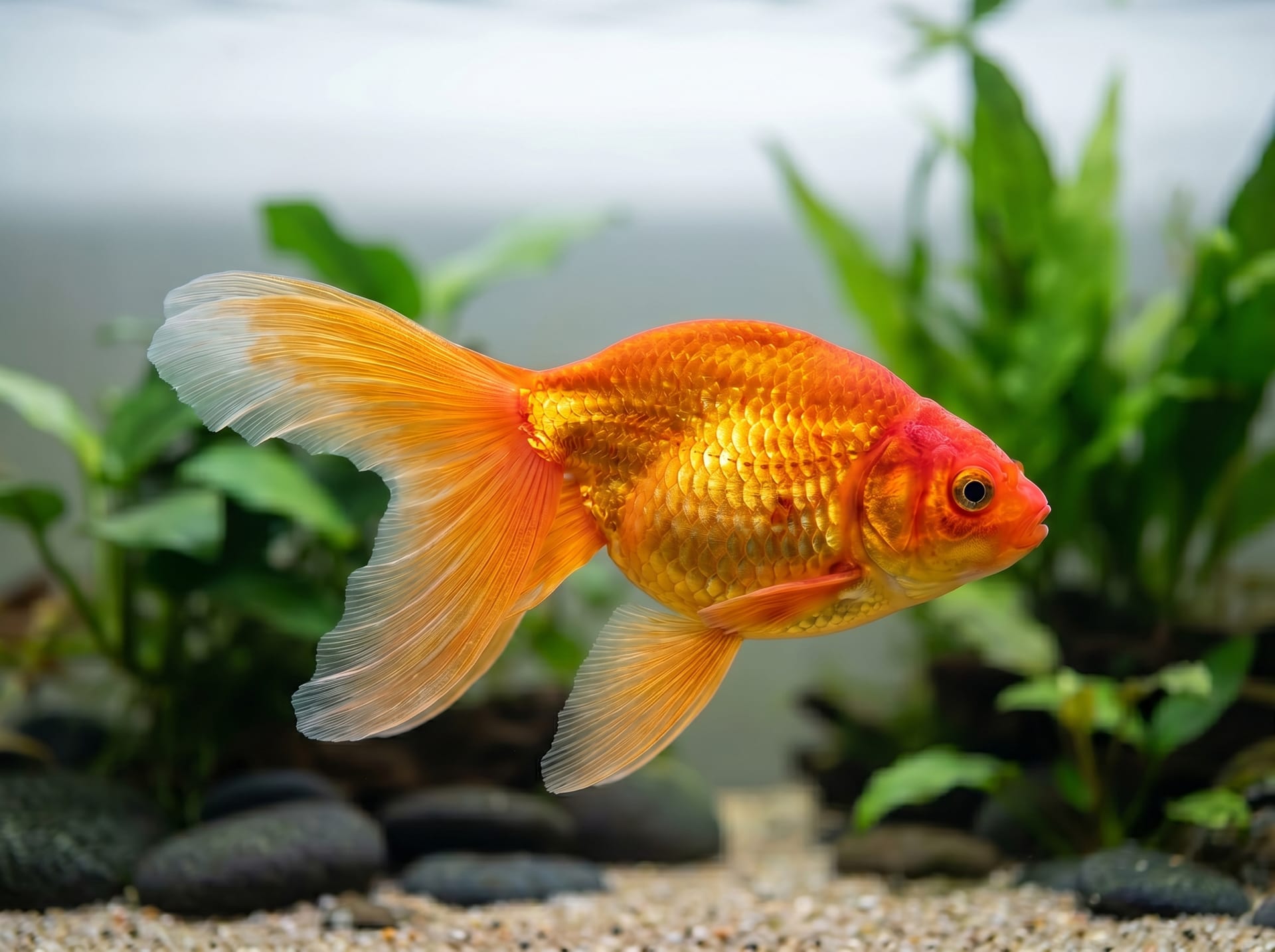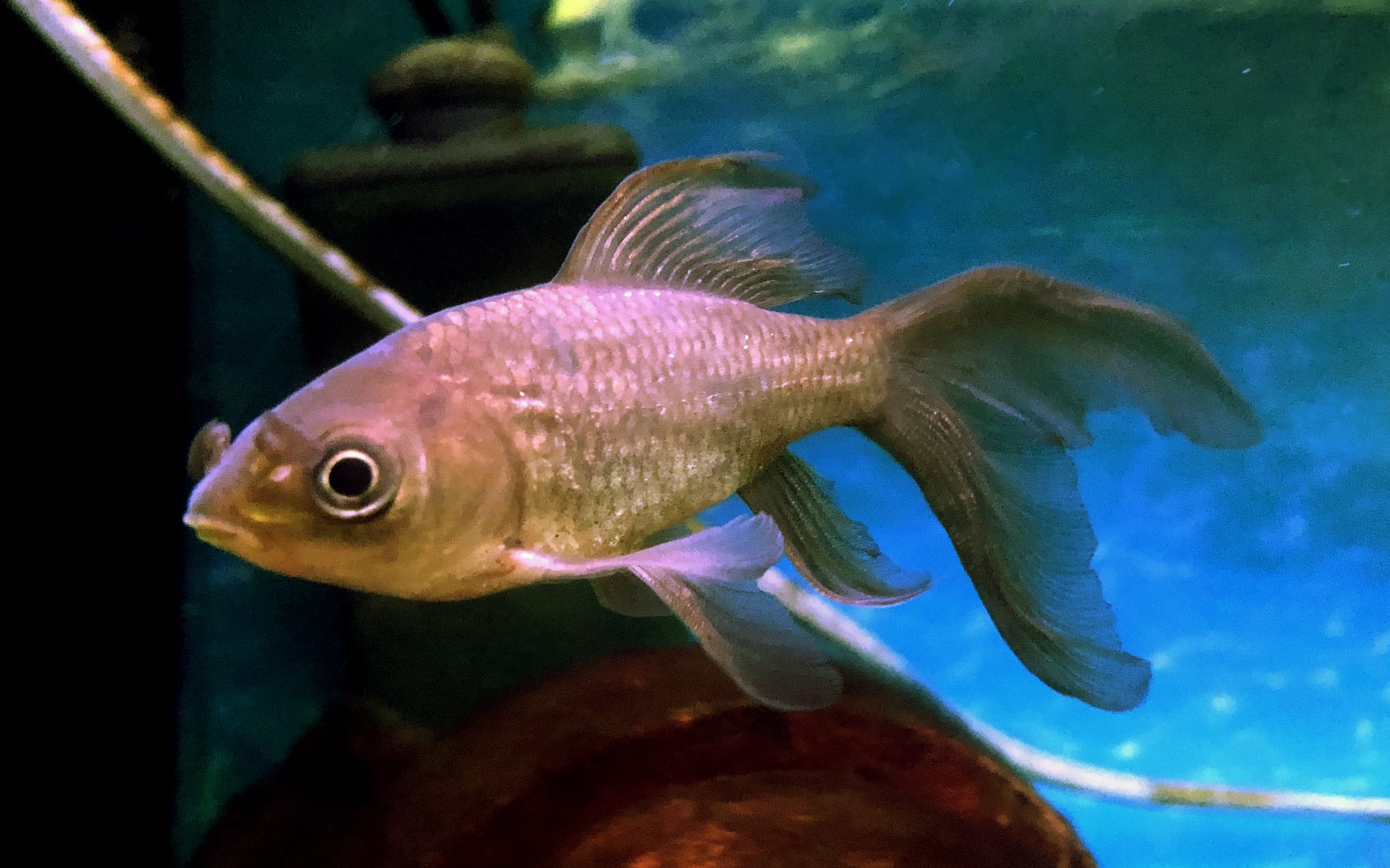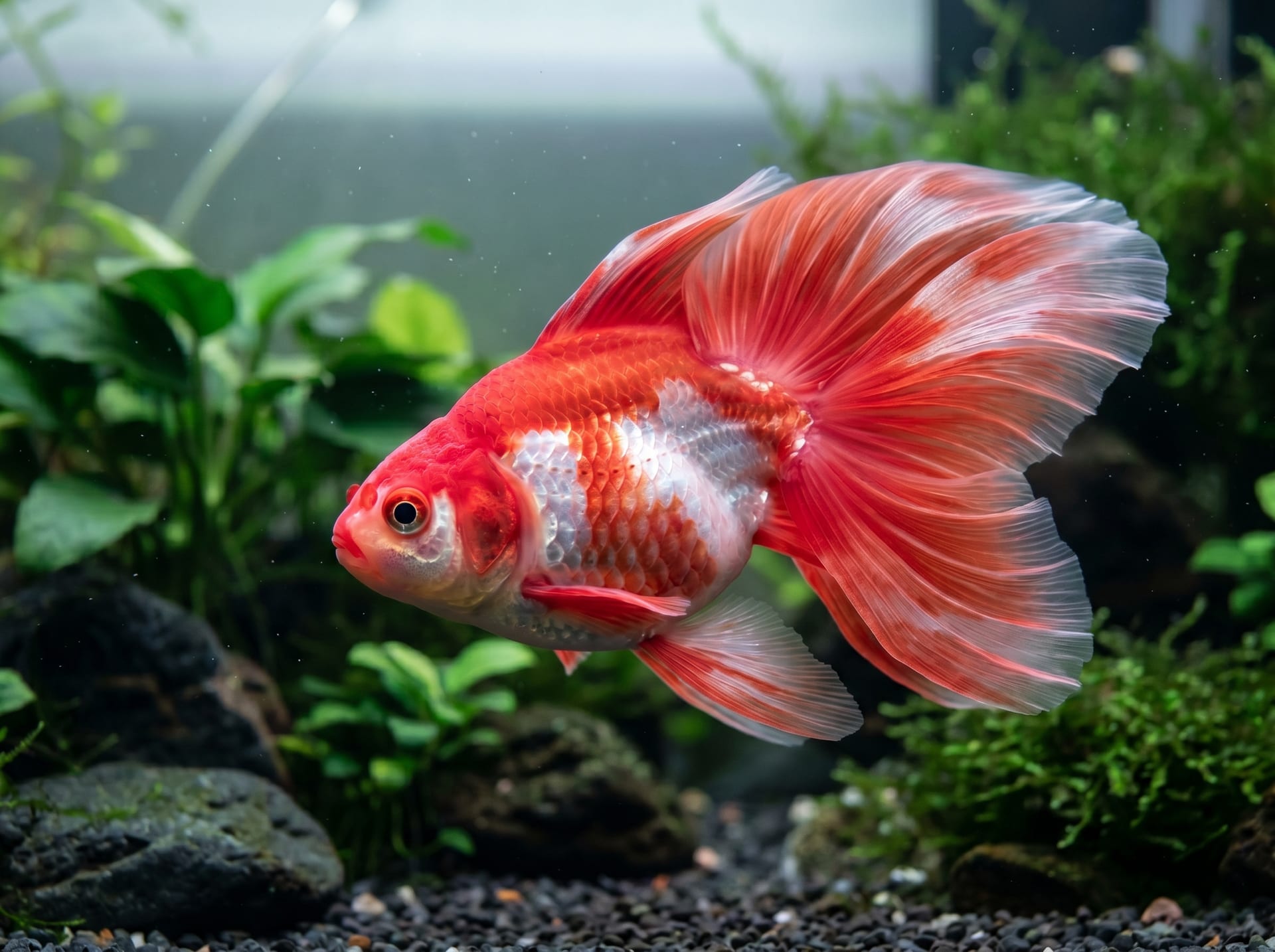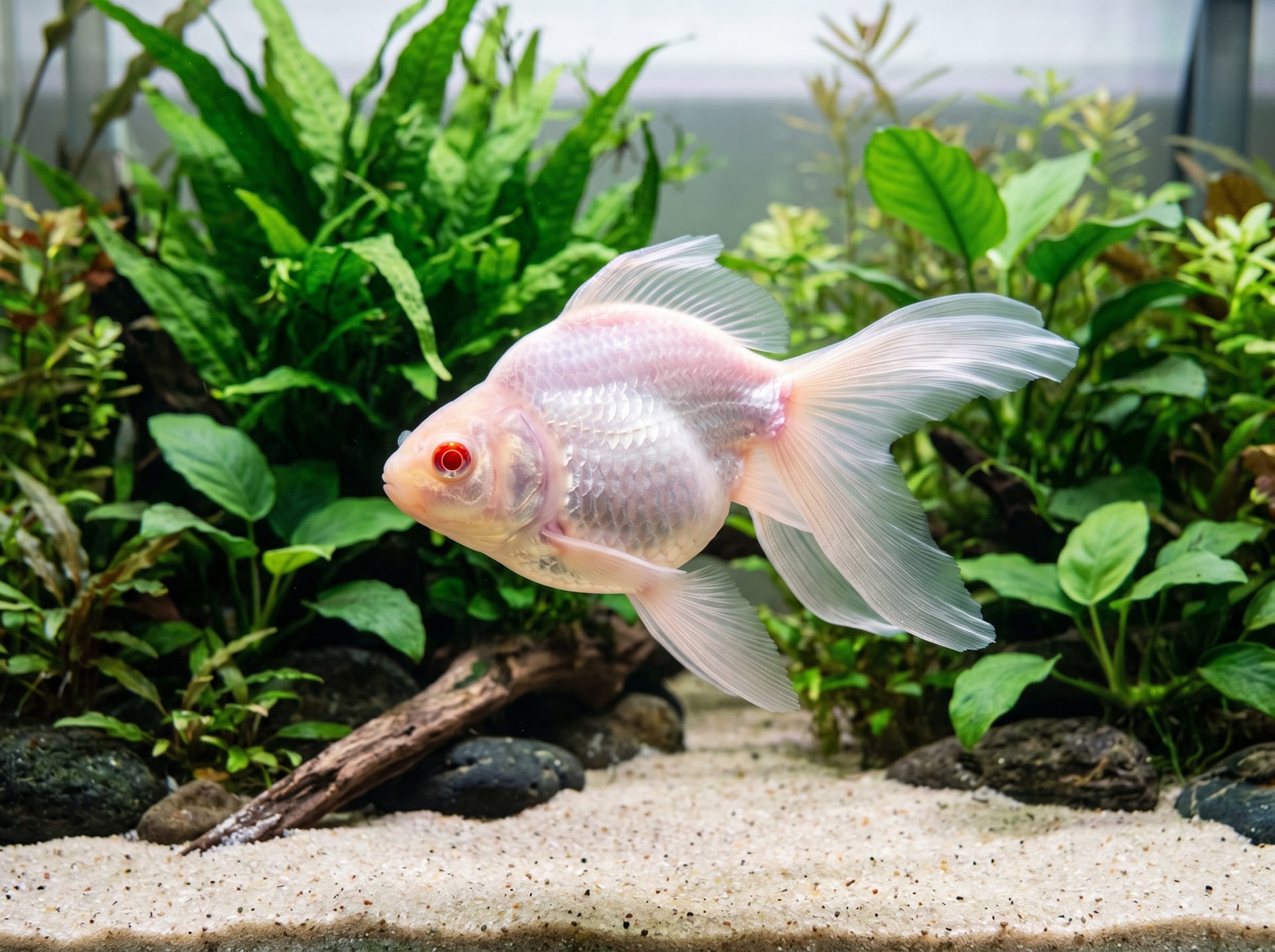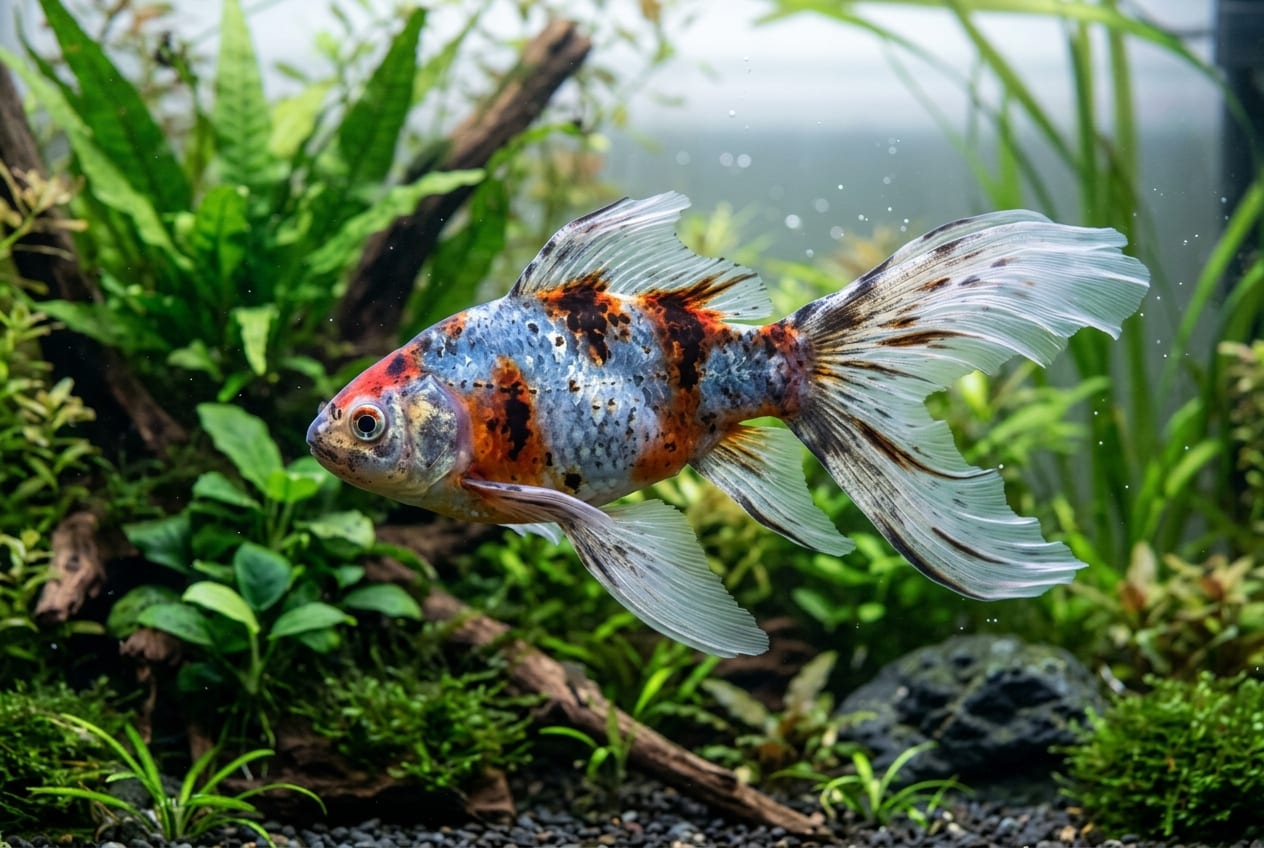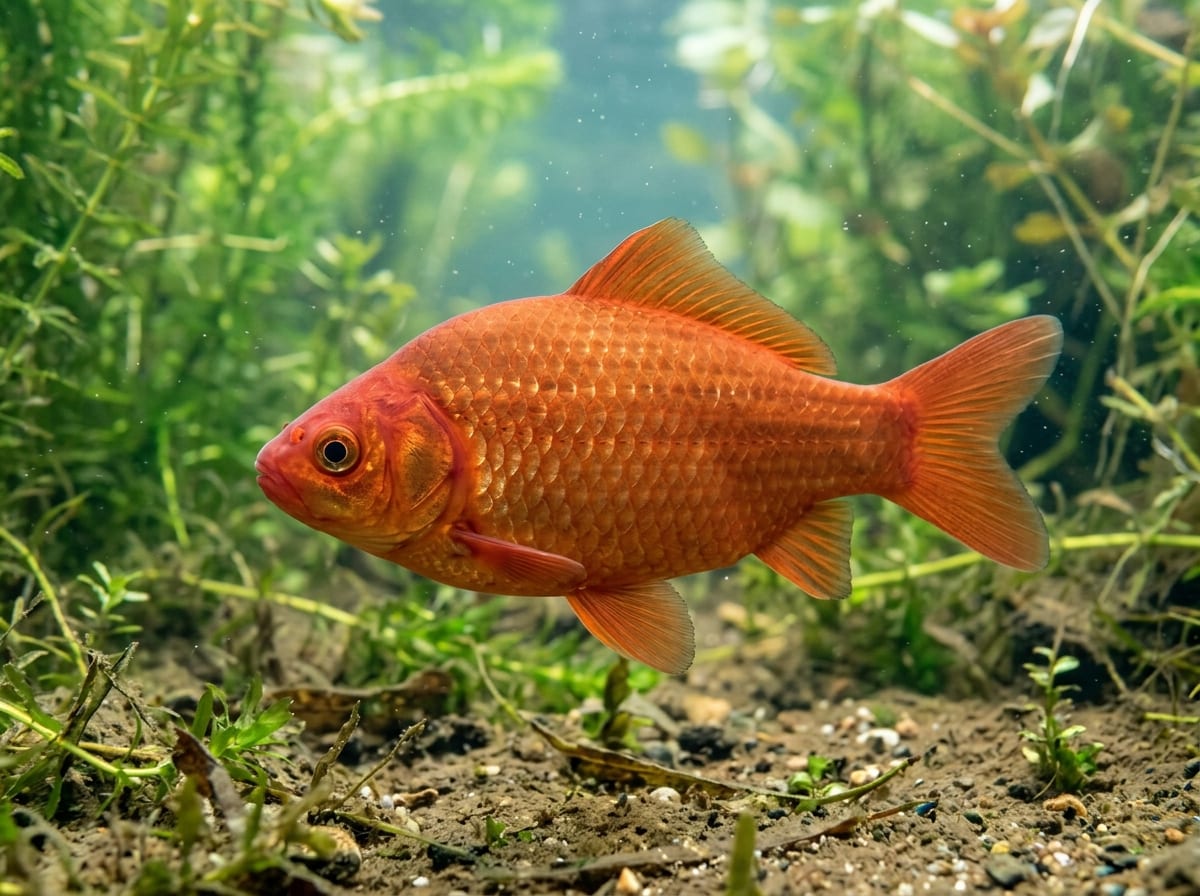
AI-generated image
Hibuna (Red Crucian Carp)
BeginnerCarassius langsdorfii
Crucian carp lacking black pigment, colored red to orange. It is not a goldfish variety but a color variant of ginbuna-type crucian carp; its habitat at Lake Harutori, Hokkaido, is a national Natural Monument. Fish on the market are farm-bred.
Difficulty
Beginner
Temperature
5〜30℃
Lifespan
Little data on lifespan specific to Hibuna
Size
The maximum recorded size for ginbuna (Carassius langsdorfii) is 39 cm TL
Diet
Omnivore (readily takes prepared foods)
About
Hibuna ('scarlet crucian carp') is the name for Carassius fish that lack black pigment and turn red; it is not a variety fixed by breeders like the goldfish. Yellow pigment remains, so the fish range from red to yellow-orange. They hatch the same coppery black as ordinary crucian carp and begin to redden after about a year. The Hibuna of Lake Harutori in Kushiro, Hokkaido, had been regarded as a mutant of the ginbuna, but in 2022 a group led by Kyoto University showed by genetic analysis that they derive from hybridization between clonally reproducing triploid crucian carp and goldfish released about 100 years ago. The Harutori habitat was designated a national Natural Monument in 1937. It is almost impossible to tell from a single-tailed Wakin by appearance; the body is pure crucian carp and the fins are not elongated, unlike the long-finned Tetsugyo. It is hardy and easy to keep, but never release it: doing so damages the genetic distinctiveness of native crucian carp. Fish on the market are farm-bred and regularly available from native-fish and goldfish dealers.
Source: Wikipedia (CC BY-SA 4.0)
Size of the Hibuna (Red Crucian Carp)
The Hibuna (Red Crucian Carp) grows to The maximum recorded size for ginbuna (Carassius langsdorfii) is 39 cm TL.
Basic Info
Origin
Japan (e.g. Lake Harutori, Kushiro, Hokkaido)
Lifespan
Little data on lifespan specific to Hibuna
Size
The maximum recorded size for ginbuna (Carassius langsdorfii) is 39 cm TL
Temperature
5〜30℃
References & Sources
Edited & verified by: BreederDirect editorial team
The taxonomic, regulatory, and husbandry data on this page are compiled and verified against the authoritative primary sources below.
Primary sources
- Wikipedia
- Cultural Heritage Online (Agency for Cultural Affairs): Harutori Lake Hibuna habitat
- Kyoto University: Origin of the Hibuna natural monument clarified (2022)
- e-Gov: Act on Protection of Cultural Properties (Art. 125)
- Species+ (CITES)
- FishBase: Carassius langsdorfii
- GBIF
- Mishina et al. (2022) PLOS ONE: Origin of scarlet gynogenetic triploid Carassius fish
- 釧路市立博物館 国指定天然記念物春採湖のヒブナ
Taxonomy & Authority
Accepted name: Carassius langsdorfii Temminck & Schlegel, 1846
Synonyms: Carassius auratus langsdorfii Temminck & Schlegel, 1846
Authority databases: GBIF · GBIF: Carassius langsdorfii · Mishina et al. (2022) PLOS ONE: Origin of scarlet gynogenetic triploid Carassius fish · 釧路市立博物館 国指定天然記念物春採湖のヒブナ
Nomenclature follows global taxonomic authority databases.
Regulations & Conservation Status
Not CITES-listed
The Harutori Lake Hibuna habitat (Kushiro, Hokkaido) was designated a national Natural Monument in 1937. It is the habitat that is designated, and collecting there is not allowed (altering a Natural Monument requires permission from the Commissioner for Cultural Affairs under the Act on Protection of Cultural Properties). Fish on the market are farm-bred and trading them is not itself regulated. To protect native populations, never release kept fish or goldfish into the wild. Not listed by CITES.
Sources: Cultural Heritage Online (Agency for Cultural Affairs): Harutori Lake Hibuna habitat / Kyoto University: Origin of the Hibuna natural monument clarified (2022) / e-Gov: Act on Protection of Cultural Properties (Art. 125) / Species+ (CITES)
Regulations may change. Always verify the latest information with the relevant authorities.
Hibuna (Red Crucian Carp) Listings
Loading latest listingsFind listings for this species