AI-generated image
Purple Earth Tiger
AdvancedCyriopagopus sp. "Hati Hati"
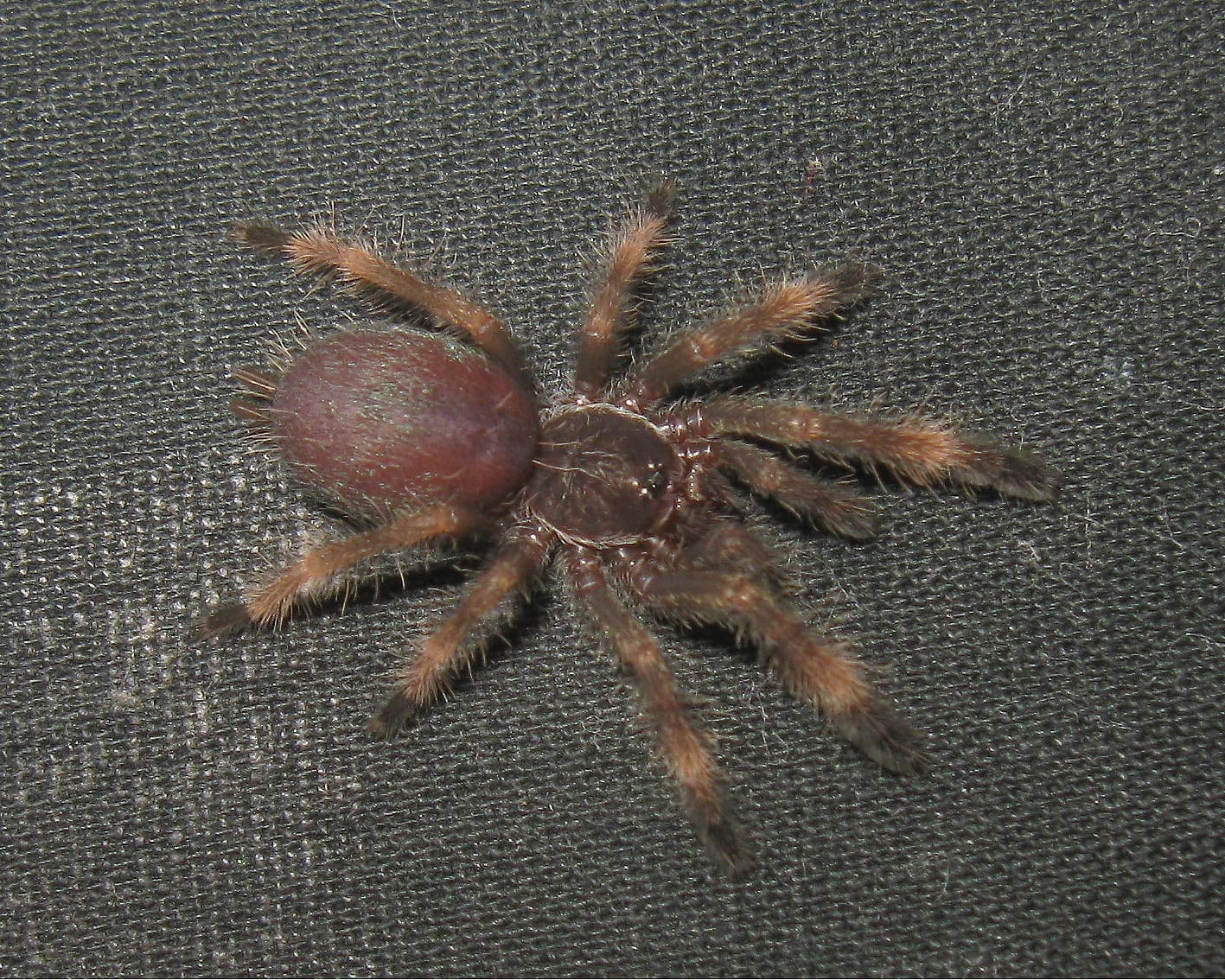
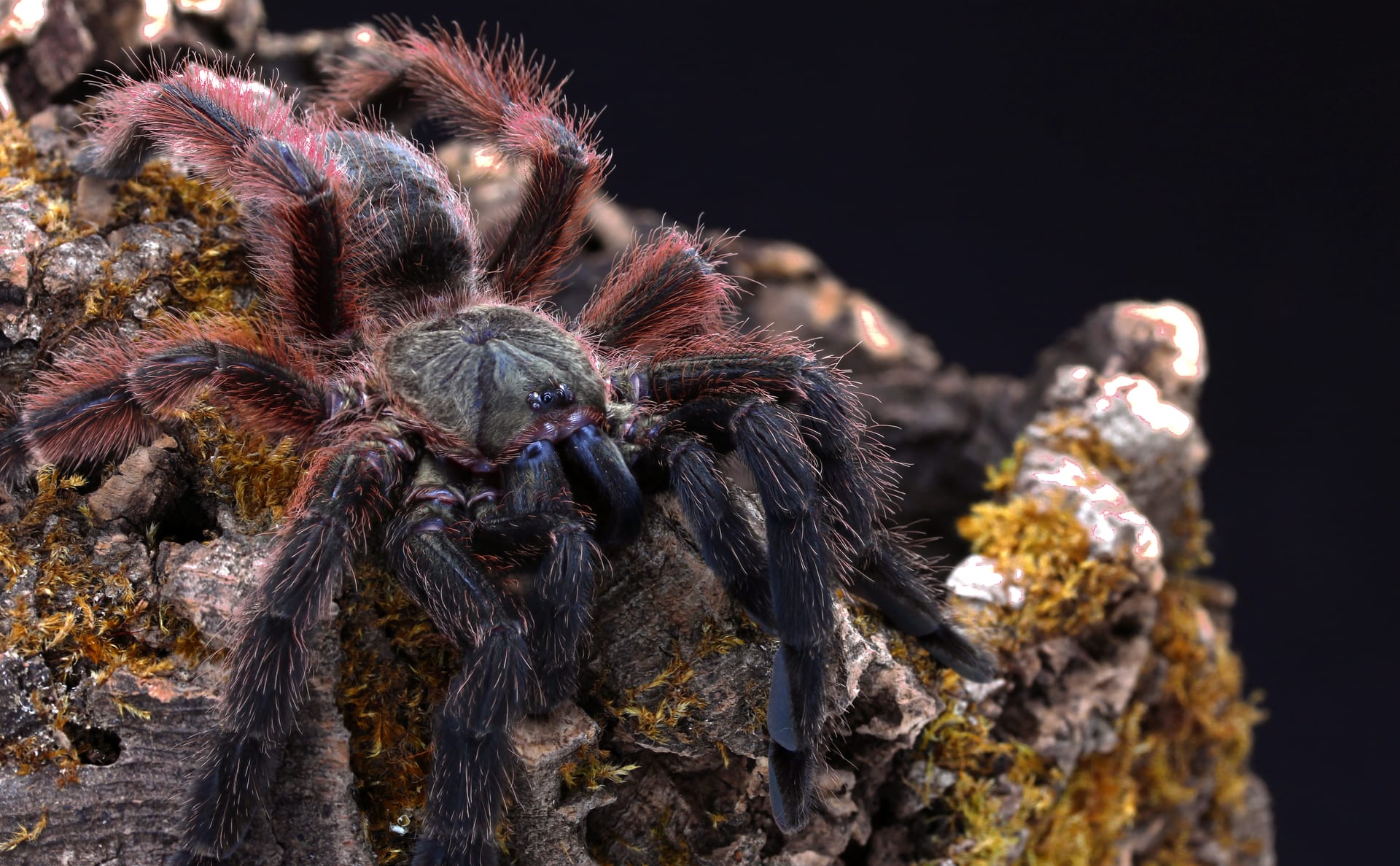
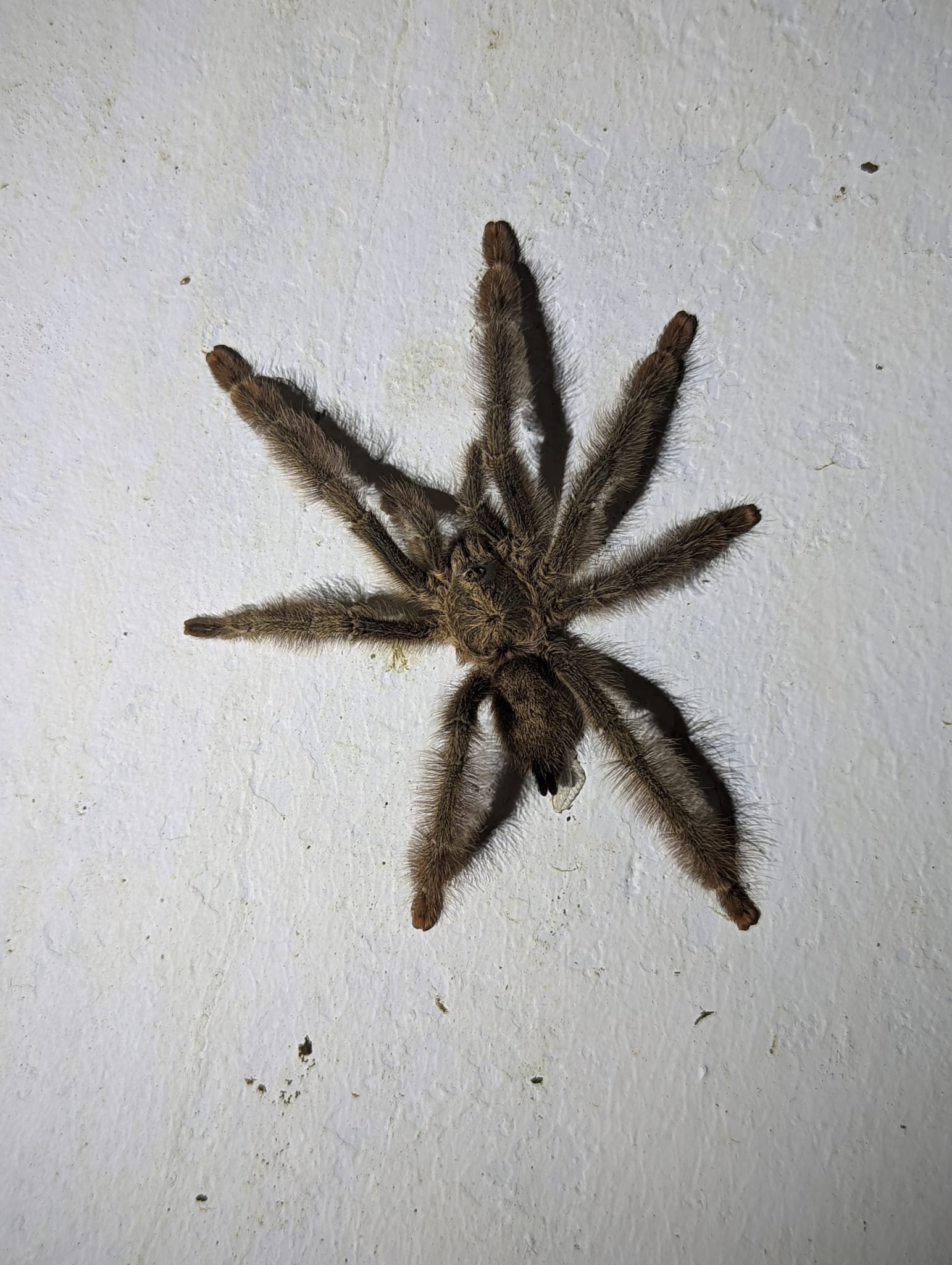
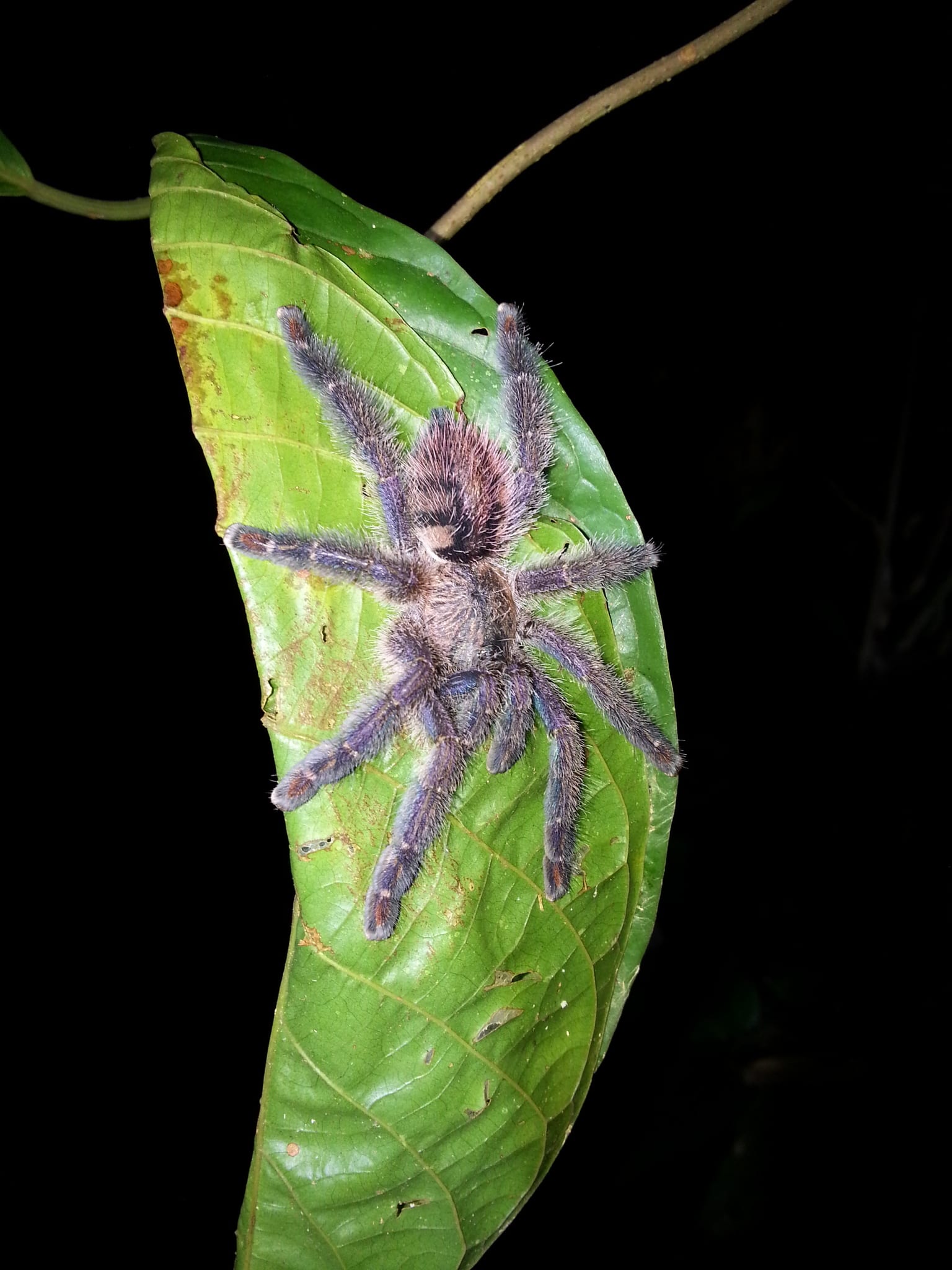
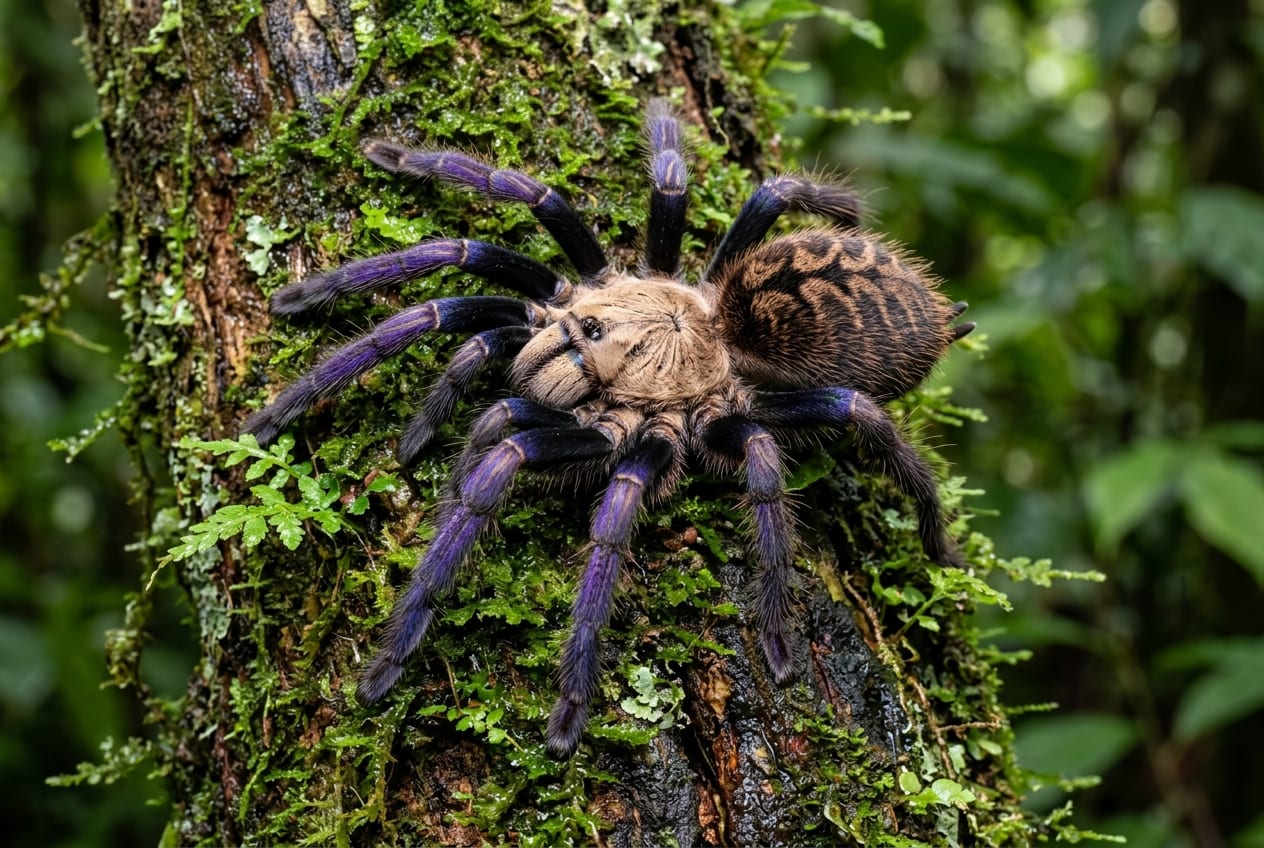
An arboreal tarantula from the lowland forests of Sulawesi, Indonesia. Females have purple-tinged legs with black femora, a pale tan carapace and a fishbone pattern on the abdomen. It is fast and skittish, so it suits experienced keepers.
Difficulty
Advanced
Lifespan
Females 13-17 years / males 3-5 years
Diet
Live insects such as crickets and roaches
About
The purple earth tiger is an arboreal tarantula known only from lowland rainforest and mango plantations around Tammajarra in Polewali Mandar, West Sulawesi, Indonesia. It circulated in the hobby as an undescribed species for years before being formally described in 2024 as Phormingochilus hatihati, the specific name coming from the Indonesian hati-hati, meaning caution. The species is sexually dichromatic: females have dark grey to bright purple legs with black femora, a pale tan carapace with radial stripes and a clear fishbone pattern on the abdomen, while males are more uniformly tan with less black on the legs and a weaker pattern. Adults shelter in knotholes, forks and the twists of aerial roots, whereas spiderlings stay near the ground and burrow before relocating to trees as they mature. It is unusual in Phormingochilus because every other described species occurs on Borneo, west of the Wallace Line. When disturbed it flees to its retreat first, but it will bite if cornered.
Source: Wikipedia (CC BY-SA 4.0)
Lifespan of the Purple Earth Tiger
The Purple Earth Tiger lives Females 13-17 years / males 3-5 years.
Basic Info
Origin
Sulawesi, Indonesia (around Tammajarra, Polewali Mandar, West Sulawesi)
Lifespan
Females 13-17 years / males 3-5 years
Diet
Live insects such as crickets and roaches
Care Guide
Care Specifications
Semi-aggressiveSolitary
Sources: Wikipedia: Phormingochilus hatihati / Muller et al. 2024, Integrative Systematics 7(2): 23-39 / Tarantupedia: Phormingochilus
References & Sources
Edited & verified by: BreederDirect editorial team
The taxonomic, regulatory, and husbandry data on this page are compiled and verified against the authoritative primary sources below.
Taxonomy & Authority
Accepted name: Cyriopagopus sp. "Hati Hati"
Synonyms: Omothymus sp. 'hati hati'
Nomenclature follows global taxonomic authority databases.
Regulations & Conservation Status
Not CITES-listed
Sources: CITES Appendices (species not listed)
Regulations may change. Always verify the latest information with the relevant authorities.
Purple Earth Tiger Listings
Loading latest listingsFind listings for this species