Source: Wikimedia Commons
Mexican Red-kneed Tarantula (smithi)
BeginnerBrachypelma smithi
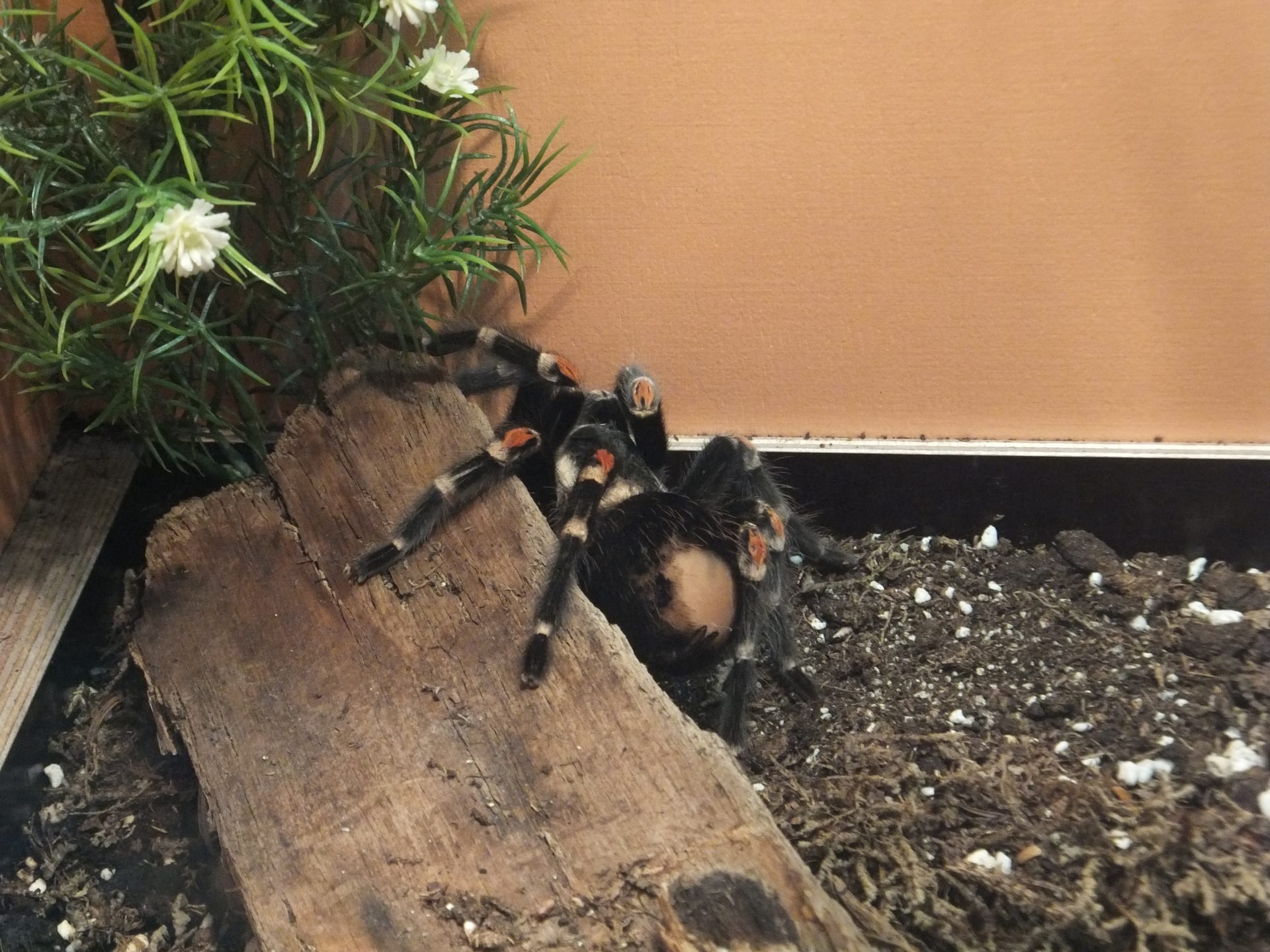
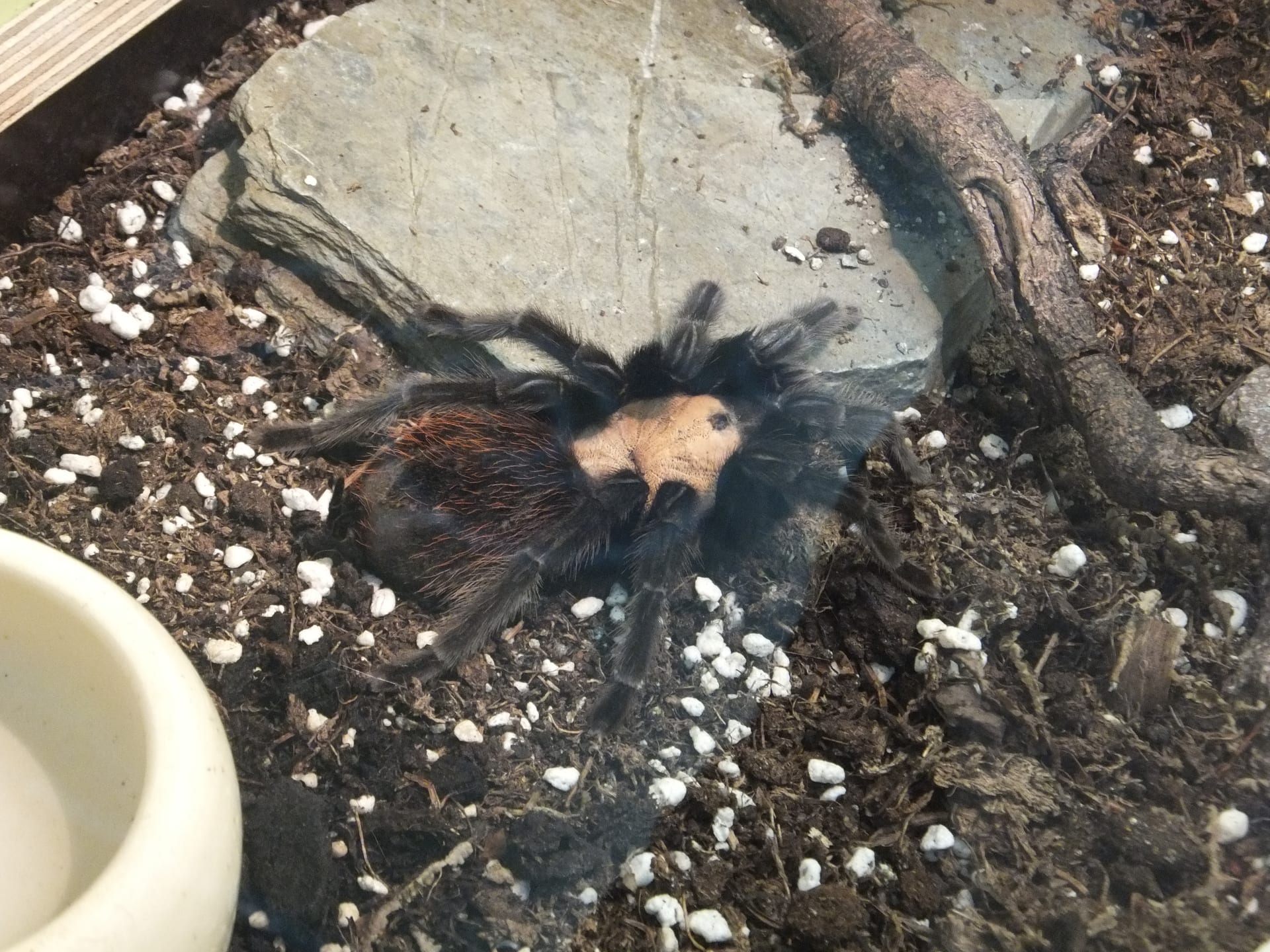
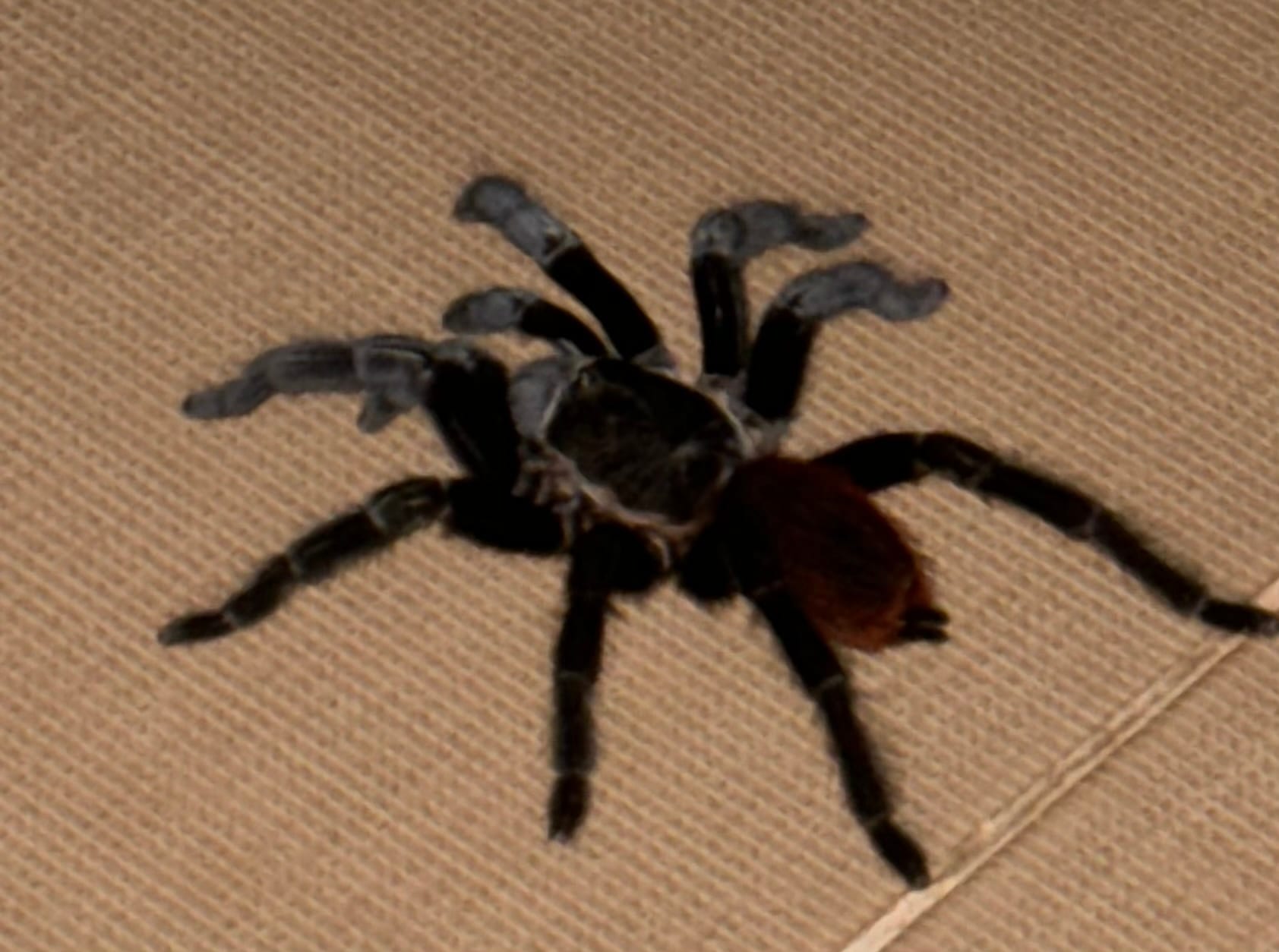
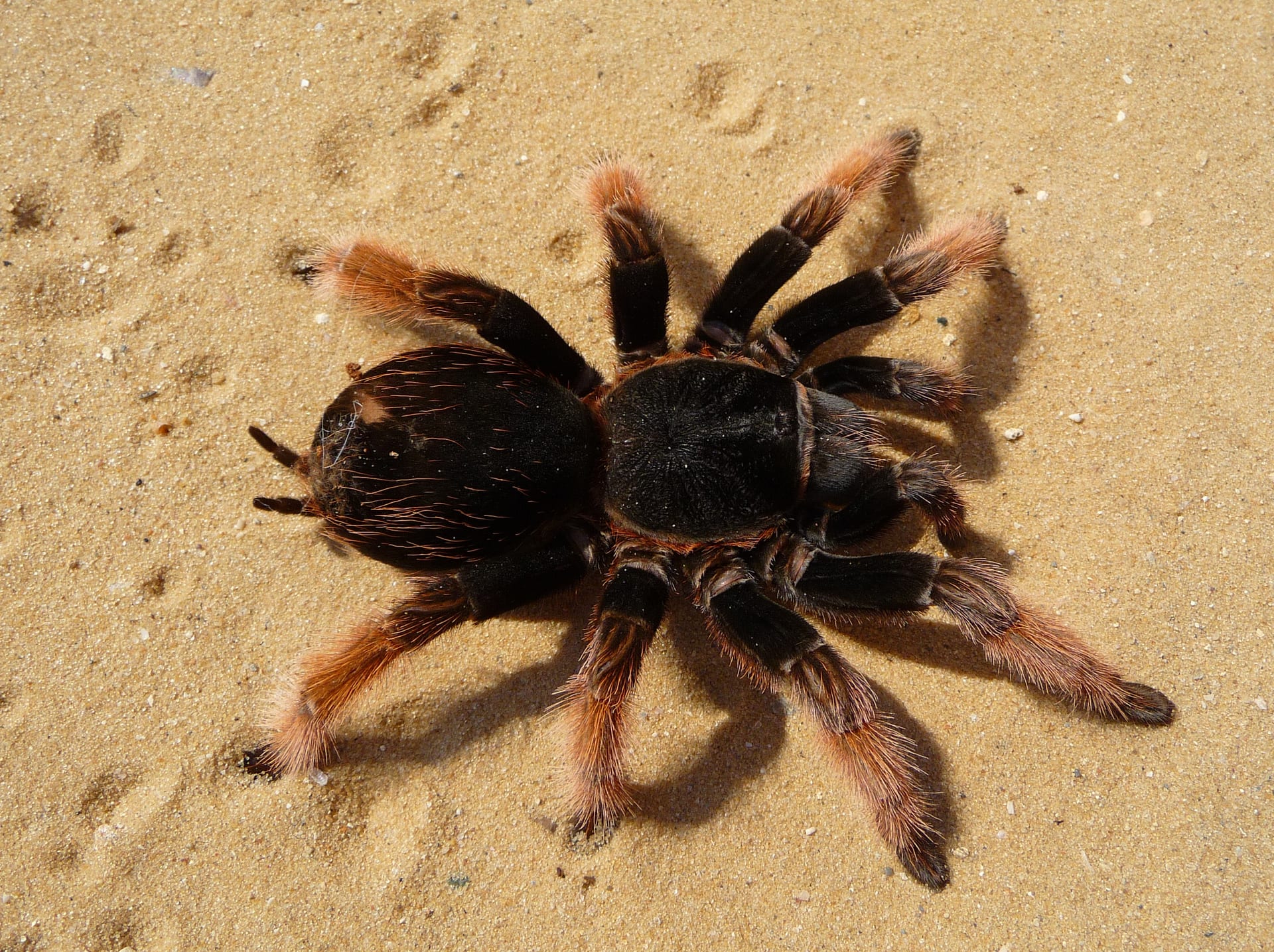
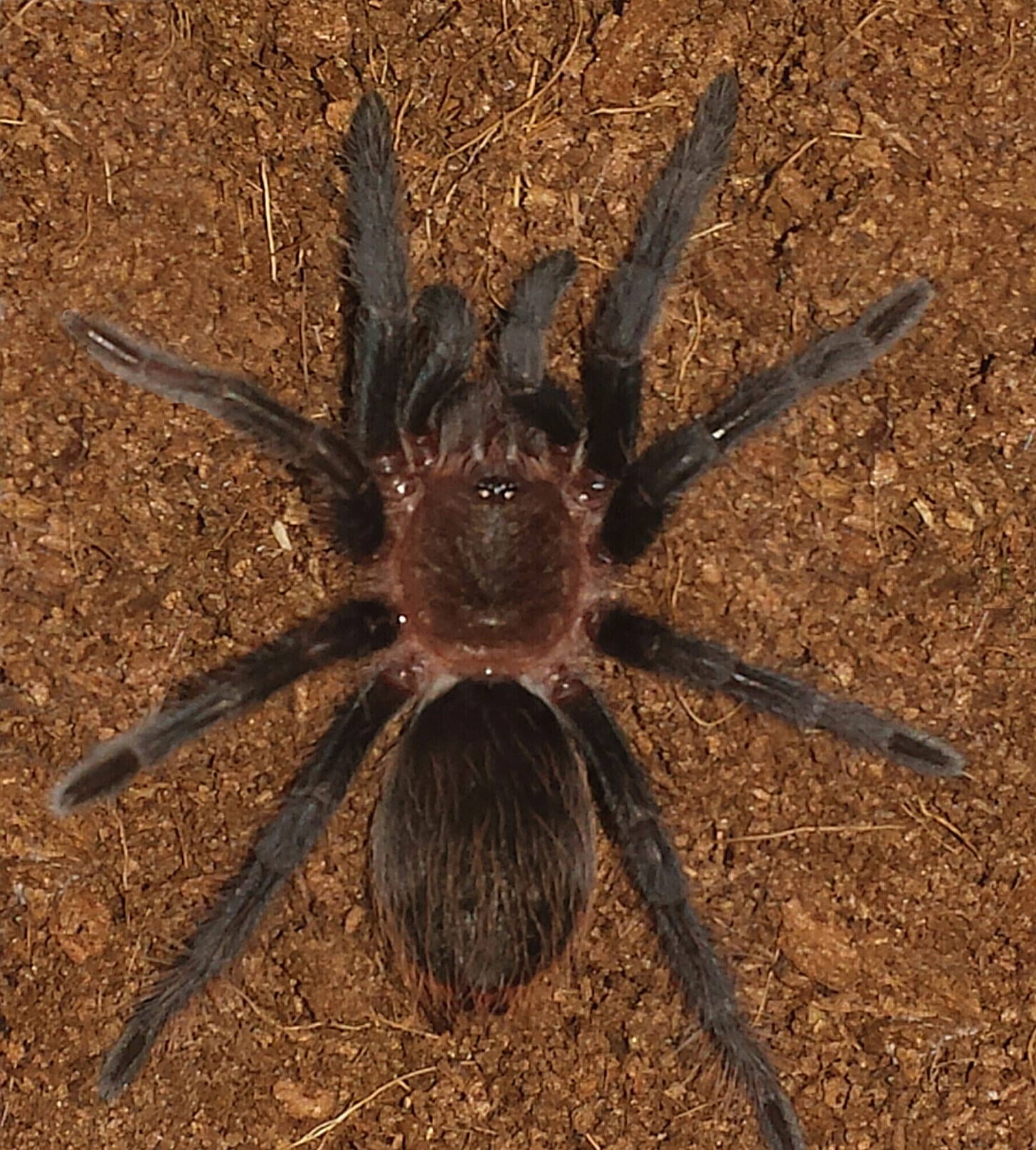
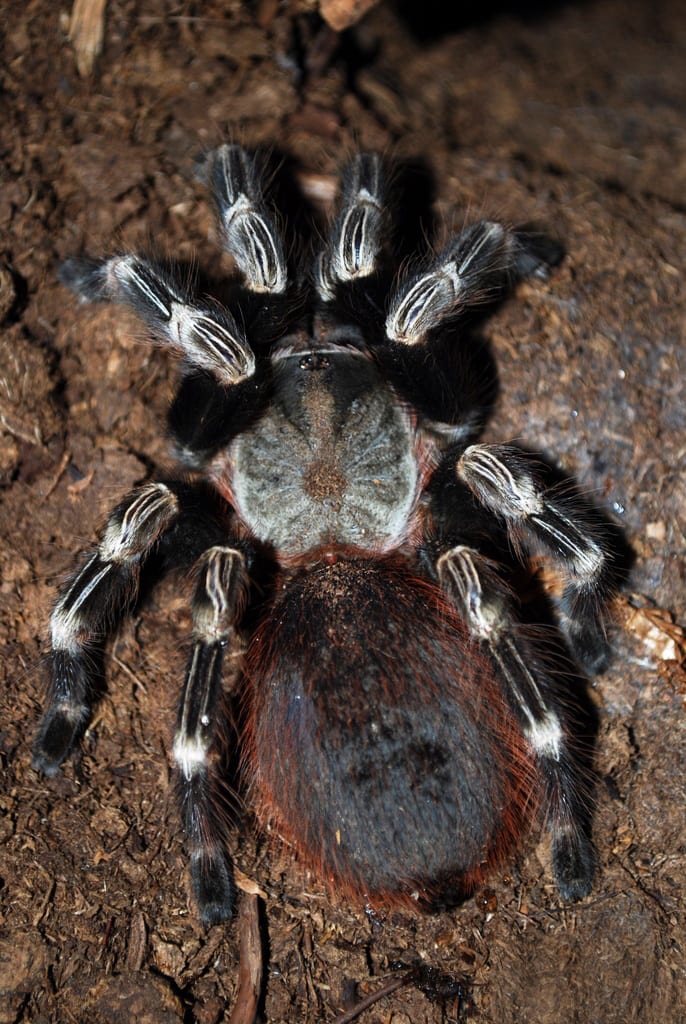
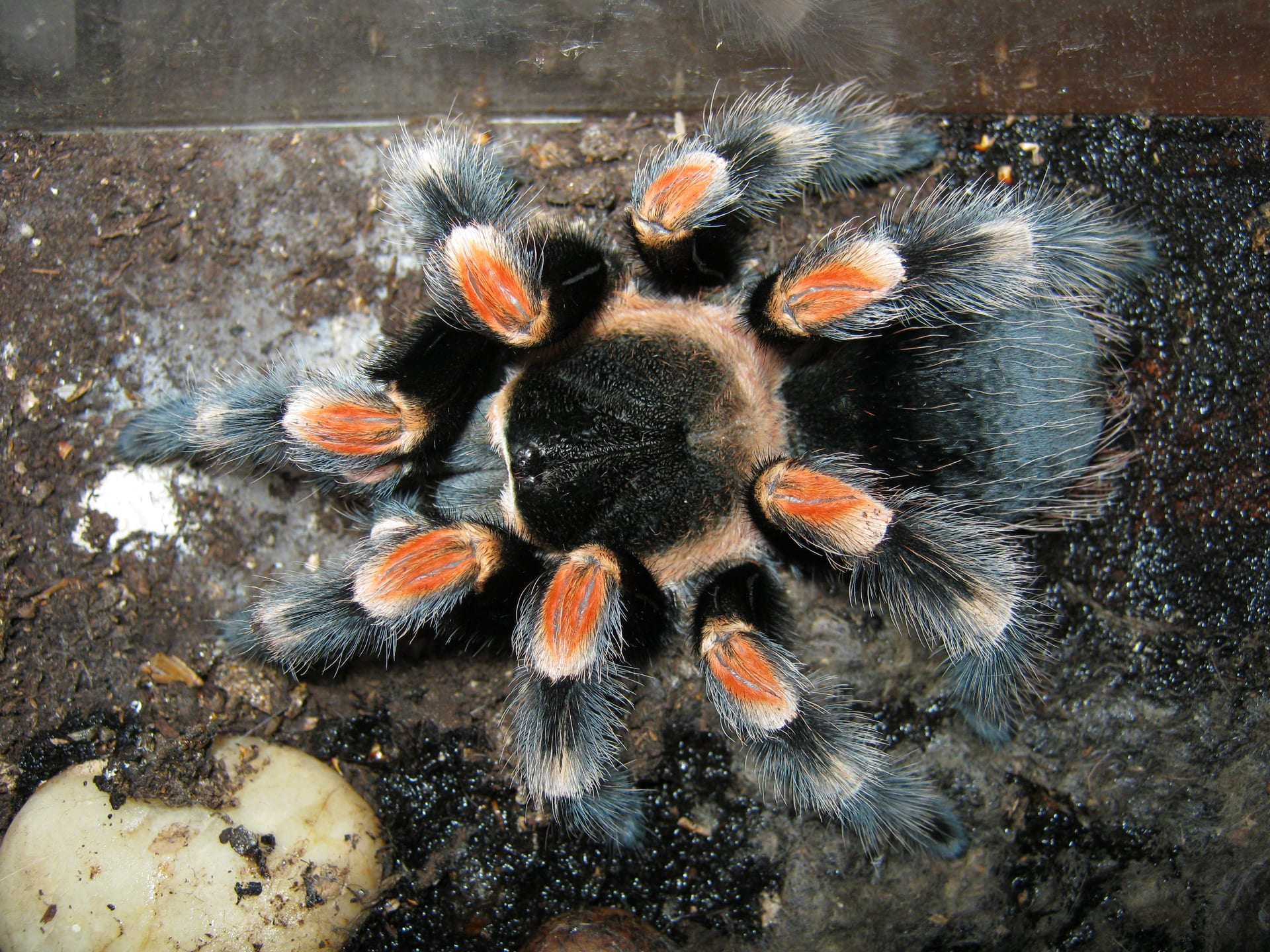
A tarantula endemic to the Pacific coast of Guerrero, Mexico. Its bluish black legs carry three bands running from reddish orange to pale pink. It was long confused with B. hamorii under the name Mexican red knee.
Difficulty
Beginner
Lifespan
Females take 9-10 years to mature in the wild and can then live about another 10; the longest captive record is 12 years, in Berlin zoos, for the spider then called B. annitha
Size
Females 5.2-5.9cm body length, males 4.4-4.9cm; the fourth leg is longest at 6.6-7.0cm
Diet
Large insects, and sometimes frogs and mice
About
Brachypelma smithi, the Mexican red knee, is a tarantula endemic to the Pacific coast of Guerrero in Mexico, where it lives in hilly deciduous tropical forest. The legs and palps are bluish black with three distinctly coloured rings: dark reddish orange on the inner part of the patellae shading to light yellowish pink, pale yellowish pink on the lower tibiae, and pinkish white at the end of the metatarsi. The species was described in 1897 as Eurypelma smithi and moved to Brachypelma in 1903, but later redescriptions were actually based on B. hamorii, so the two were confused for decades. In 2017 Mendoza and Francke showed that they are clearly separable by both fine morphology and DNA barcodes. It digs burrows under rocks and tree roots and ambushes prey at the entrance.
Source: Wikipedia (CC BY-SA 4.0)
Lifespan of the Mexican Red-kneed Tarantula (smithi)
The Mexican Red-kneed Tarantula (smithi) lives Females take 9-10 years to mature in the wild and can then live about another 10; the longest captive record is 12 years, in Berlin zoos, for the spider then called B. annitha.
Size of the Mexican Red-kneed Tarantula (smithi)
The Mexican Red-kneed Tarantula (smithi) grows to Females 5.2-5.9cm body length, males 4.4-4.9cm; the fourth leg is longest at 6.6-7.0cm.
Females measure 5.2-5.9 cm in body length and males 4.4-4.9 cm; males have shorter bodies but longer legs.
Basic Info
Origin
Mexico (Guerrero, on the Pacific coast south of the Balsas river basin)
Lifespan
Females take 9-10 years to mature in the wild and can then live about another 10; the longest captive record is 12 years, in Berlin zoos, for the spider then called B. annitha
Care Specifications
PeacefulSolitary
Sources: Wikipedia: Brachypelma smithi / Wikipedia: Brachypelma (genus; morphology and captivity) / GBIF Brachypelma smithi
References & Sources
Edited & verified by: BreederDirect editorial team
The taxonomic, regulatory, and husbandry data on this page are compiled and verified against the authoritative primary sources below.
Taxonomy & Authority
Accepted name: Brachypelma smithi (F. O. Pickard-Cambridge, 1897)
Synonyms: Eurypelma smithi F. O. Pickard-Cambridge, 1897, Brachypelma annitha
Authority databases: GBIF
Nomenclature follows global taxonomic authority databases.
Regulations & Conservation Status
CITES Appendix II
Brachypelma smithi (then not distinguished from B. hamorii) was placed on CITES Appendix II in 1985, and all remaining Brachypelma species were added in 1994.
Sources: CITES Appendices (Brachypelma spp., Appendix II) / Wikipedia: Brachypelma (conservation and CITES)
Regulations may change. Always verify the latest information with the relevant authorities.
Mexican Red-kneed Tarantula (smithi) Listings
Loading latest listingsFind listings for this species