Source: Wikimedia Commons
Mexican Rose Grey
IntermediateTliltocatl verdezi
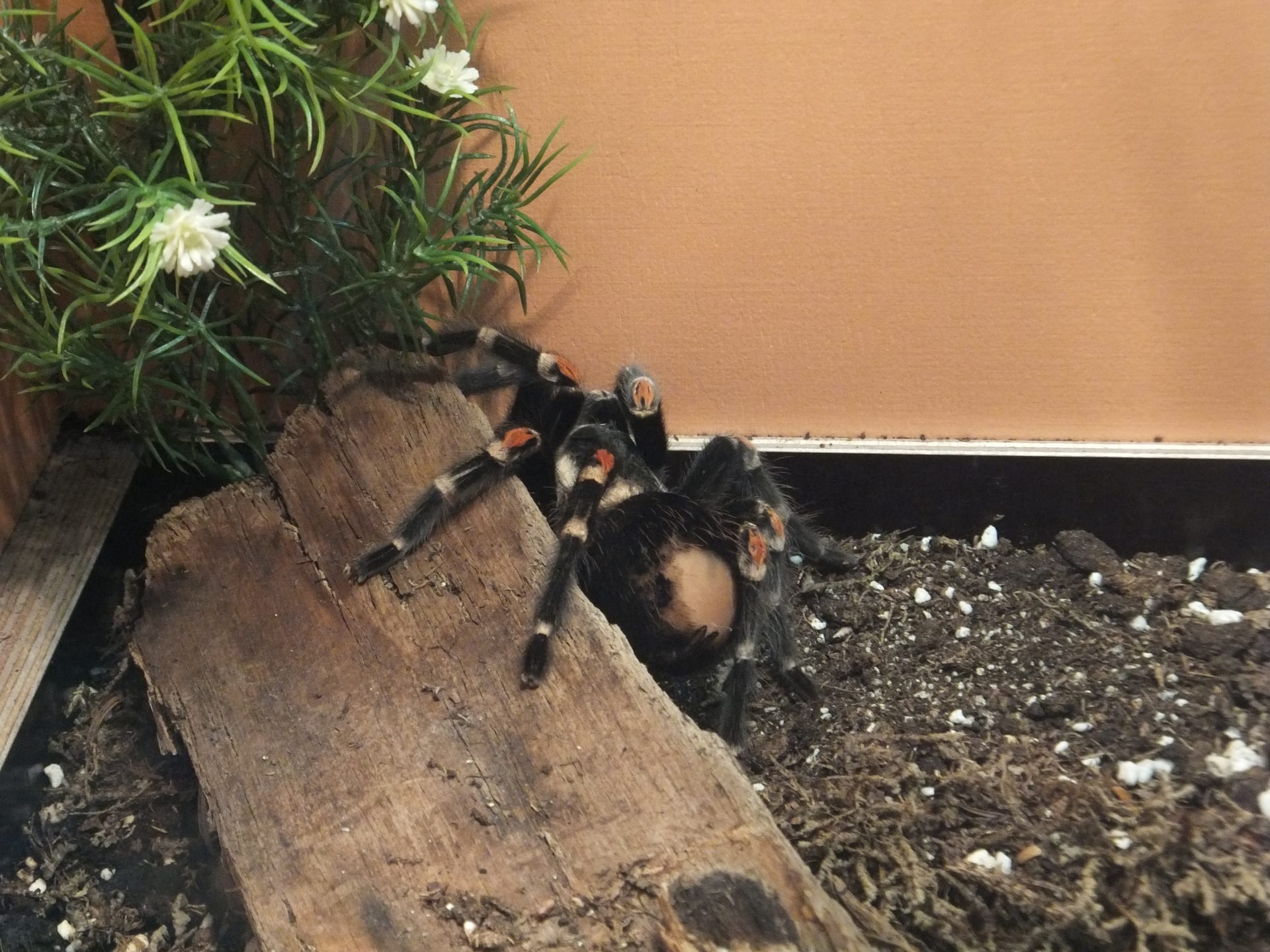
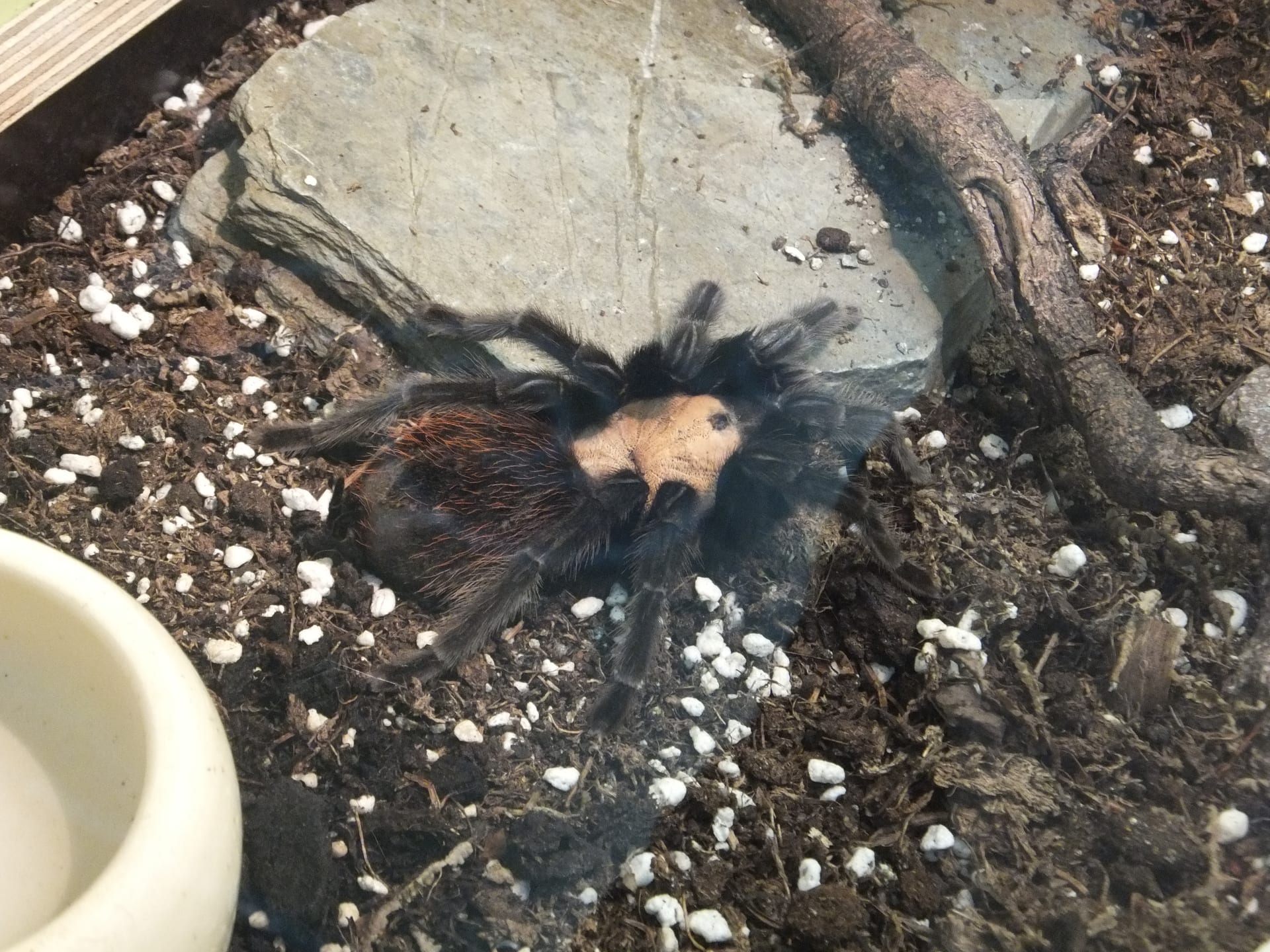
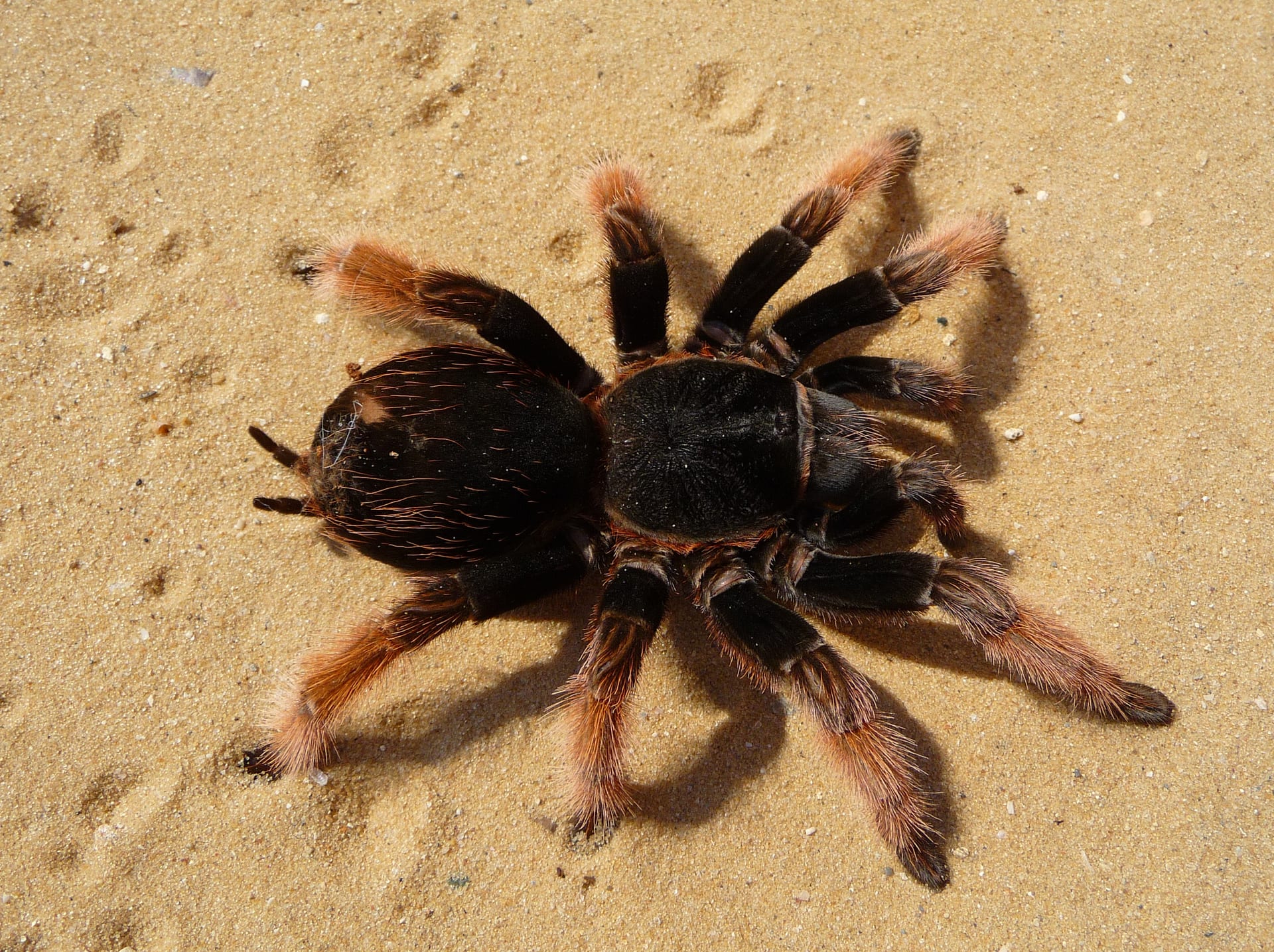
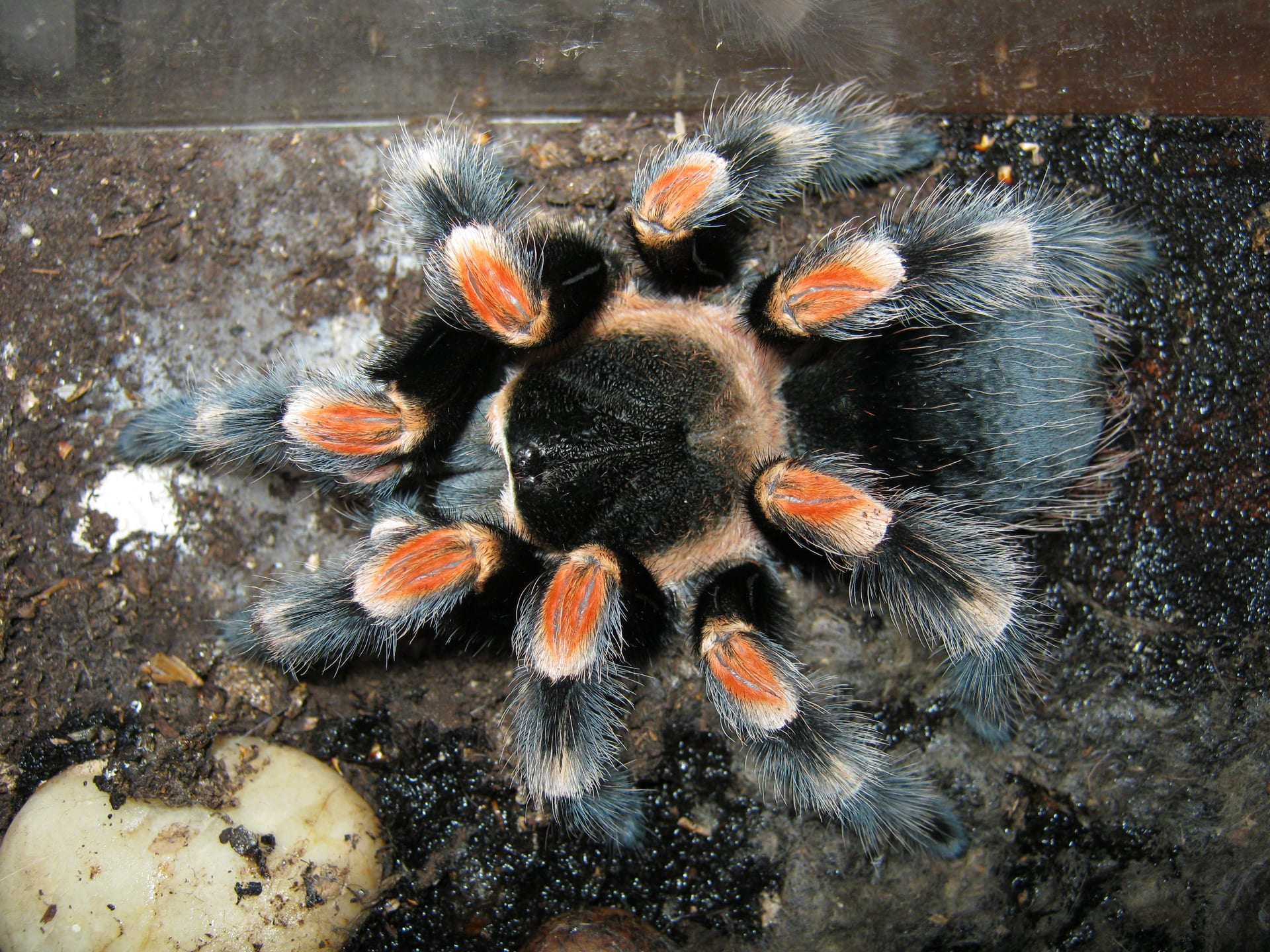
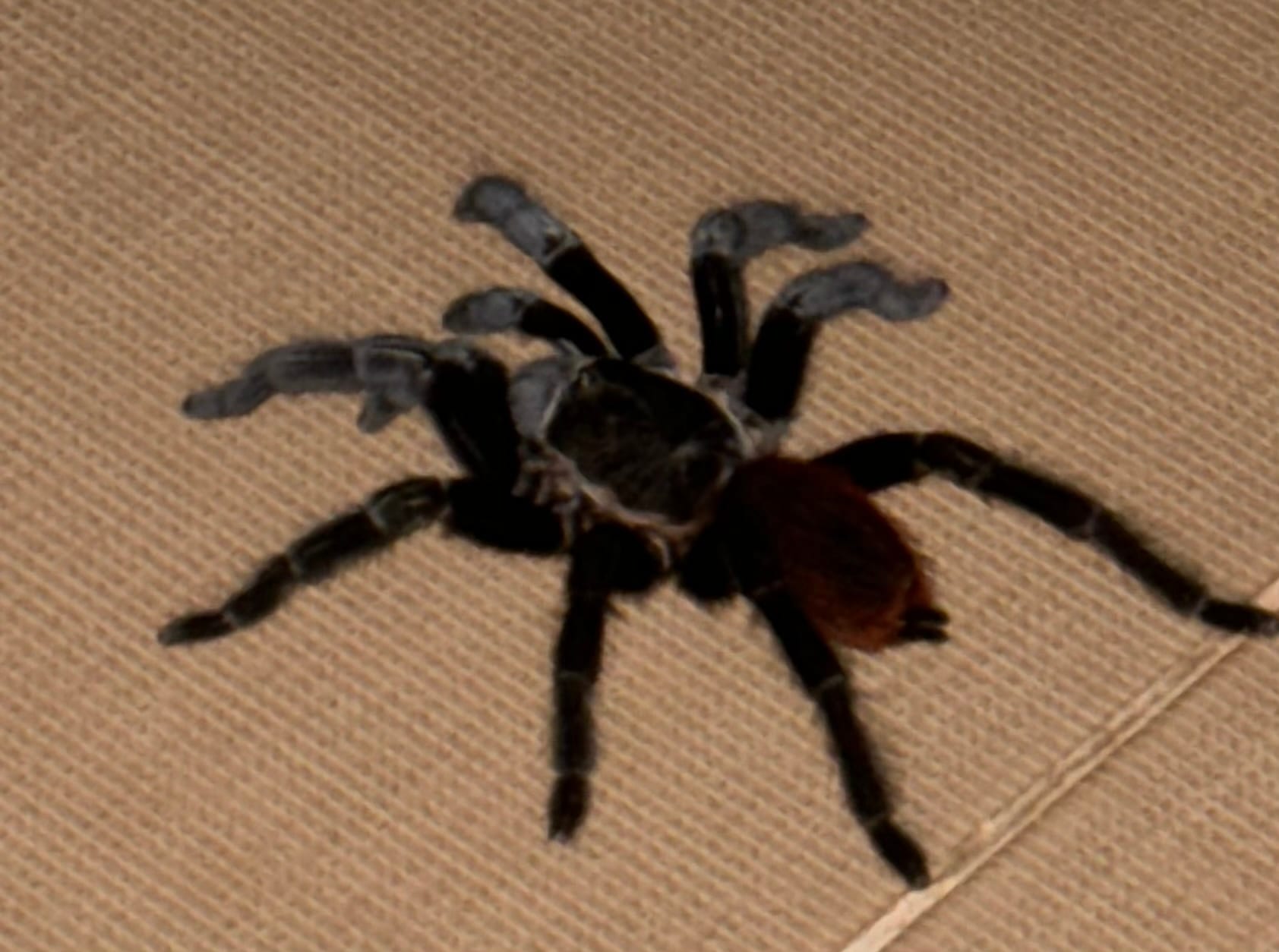
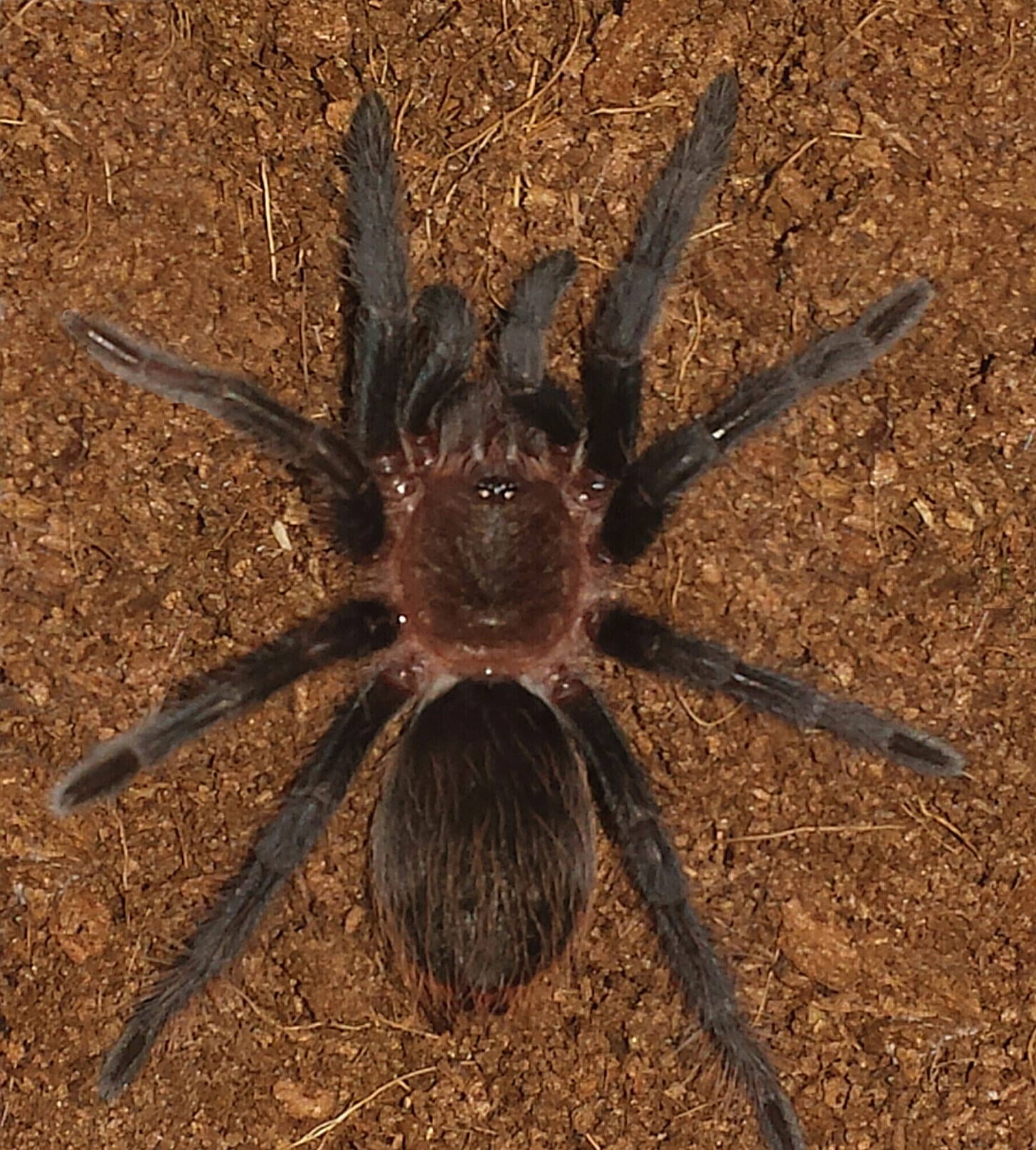
A tarantula from southern Guerrero into eastern Oaxaca, Mexico. Males are almost entirely black with red and orange hair on the abdomen and legs, while females have a slightly lighter cephalothorax marked with a dark triangle at the front.
Difficulty
Intermediate
Lifespan
Females 15-20 years / males 4-5 years
Size
Males about 3cm in body length with a fourth leg of about 5.5cm
Diet
Live insects such as crickets
About
The Mexican rose grey (Tliltocatl verdezi, formerly Brachypelma verdezi) is a theraphosid tarantula found from southern Guerrero into eastern Oaxaca in Mexico. The male's body is very dark, almost completely black, with red and orange hair on the upper surface of the abdomen and on the legs, while the female has a slightly lighter cephalothorax bearing a dark triangle at the front. Before the species was described in 2003, captive specimens circulated under the names Aphonopelma pallidum and Brachypelma pallidum, but they were very dark in colour despite pallidum meaning pale in Latin, and Gunter Schmidt described them as a new species. The specific name honours J.-M. Verdez, one of the first to realise the spiders were misnamed. The type locality was long disputed, but the natural range is now understood to run from the coast around Acapulco north into central Guerrero.
Source: Wikipedia (CC BY-SA 4.0)
Lifespan of the Mexican Rose Grey
The Mexican Rose Grey lives Females 15-20 years / males 4-5 years.
Size of the Mexican Rose Grey
The Mexican Rose Grey grows to Males about 3cm in body length with a fourth leg of about 5.5cm.
It is small for the genus: males have a total body length of about 3 cm, with the fourth and longest leg about 5.5 cm.
Basic Info
Origin
Mexico (southern Guerrero into eastern Oaxaca)
Lifespan
Females 15-20 years / males 4-5 years
Size
Care Specifications
Solitary
Sources: Wikipedia: Tliltocatl verdezi / Wikipedia: Tliltocatl (genus) / GBIF Tliltocatl verdezi
References & Sources
Edited & verified by: BreederDirect editorial team
The taxonomic, regulatory, and husbandry data on this page are compiled and verified against the authoritative primary sources below.
Taxonomy & Authority
Accepted name: Tliltocatl verdezi (Schmidt, 2003)
Synonyms: Brachypelma verdezi Schmidt, 2003
Authority databases: GBIF
Nomenclature follows global taxonomic authority databases.
Regulations & Conservation Status
CITES Appendix II
The genus was split from Brachypelma in 2020. These spiders were covered when all Brachypelma species were added to CITES Appendix II in 1994, under the former name, and remain regulated after the split.
Sources: CITES Appendices (listed under its former name in Brachypelma, Appendix II) / Wikipedia: Tliltocatl (conservation and CITES)
Regulations may change. Always verify the latest information with the relevant authorities.
Mexican Rose Grey Listings
Loading latest listingsFind listings for this species