Source: Wikimedia Commons
Suphalak
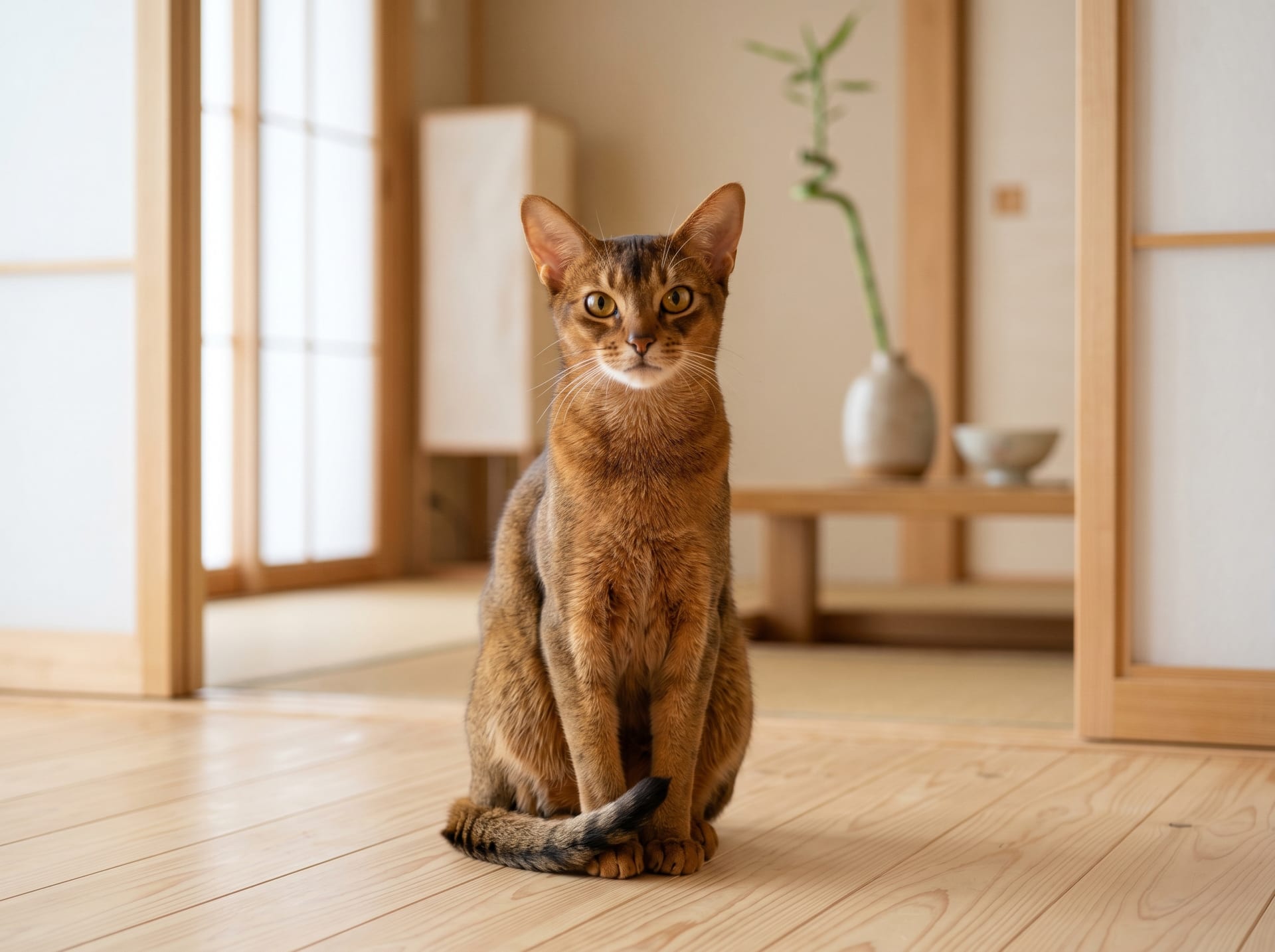
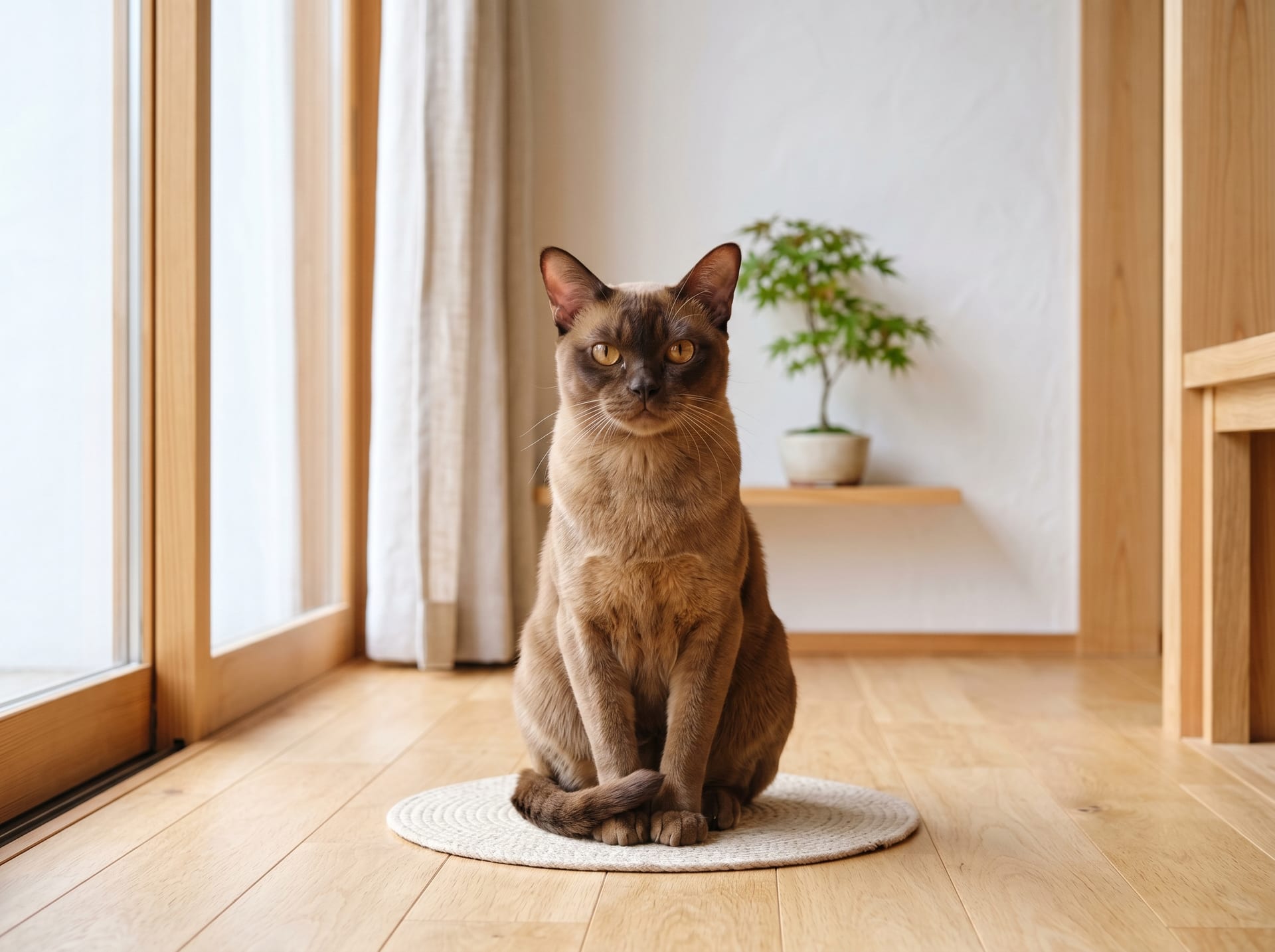
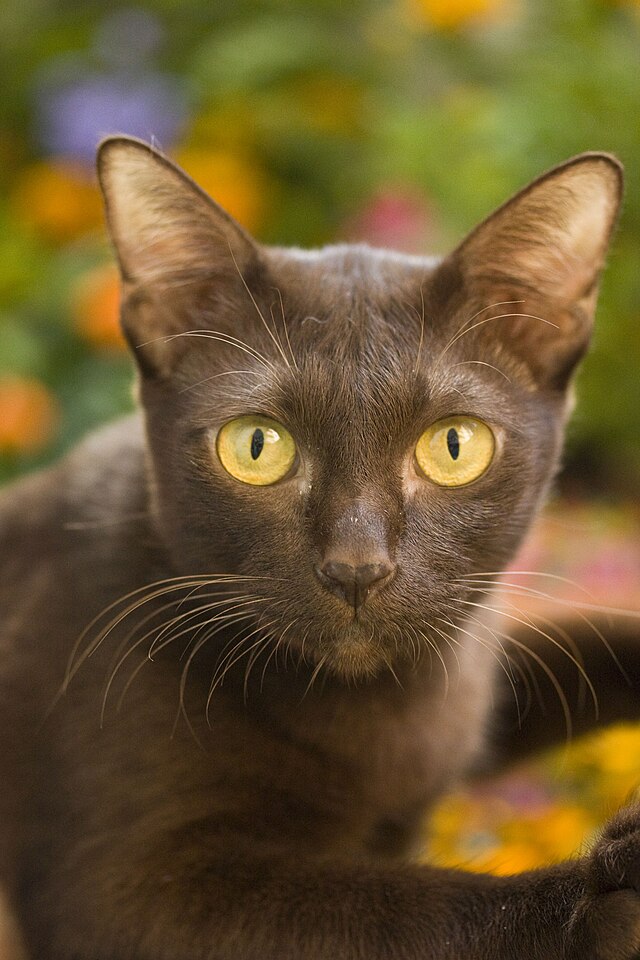
AdvancedExtremely rare ancient Thai breed. Beautiful copper-colored coat documented in historic Thai manuscripts.
Difficulty
Advanced
Temperature
18〜28℃
Lifespan
12-16 years
Size
Weight 3-5kg
Diet
Cat food (complete nutrition)
About
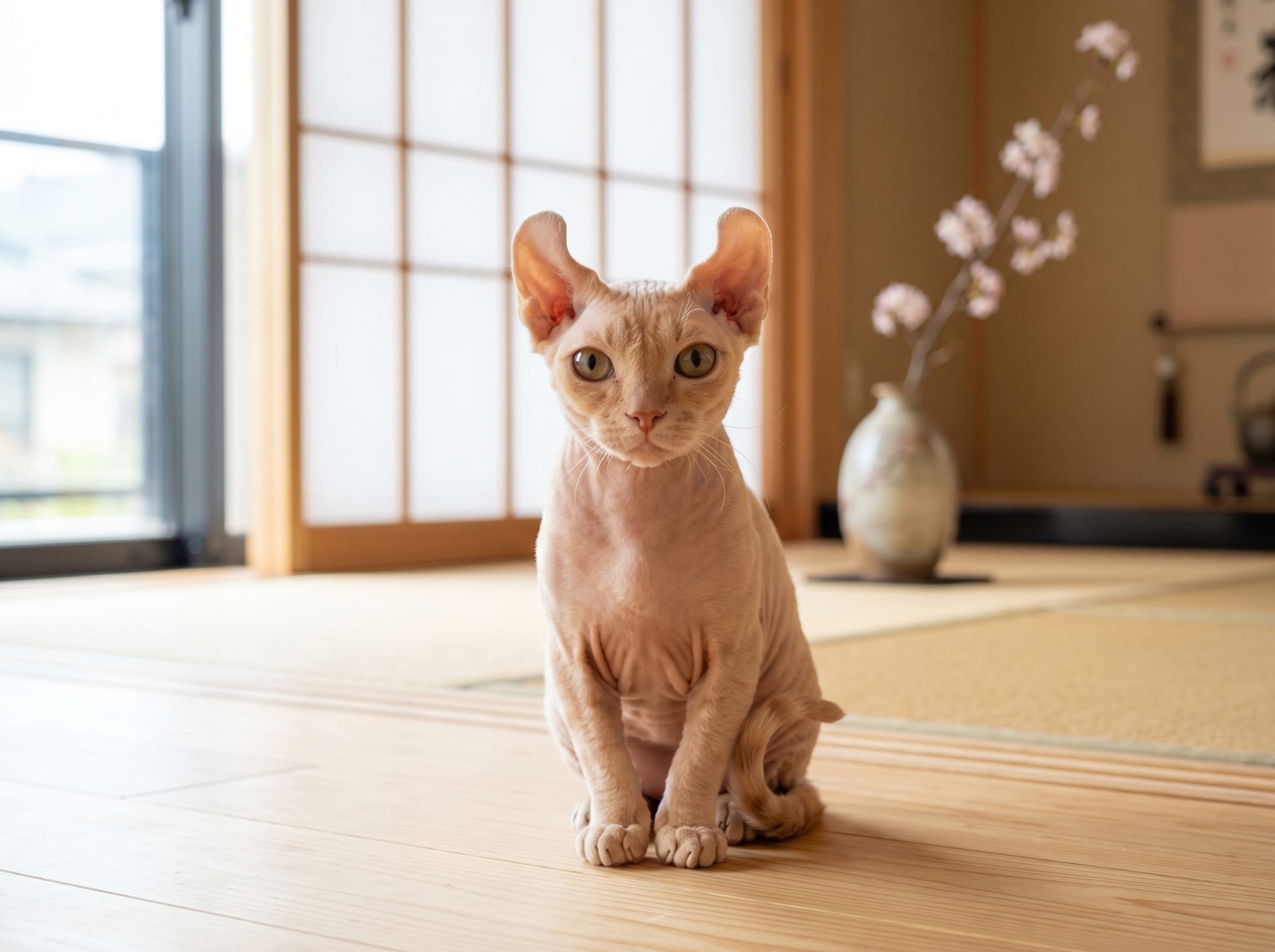
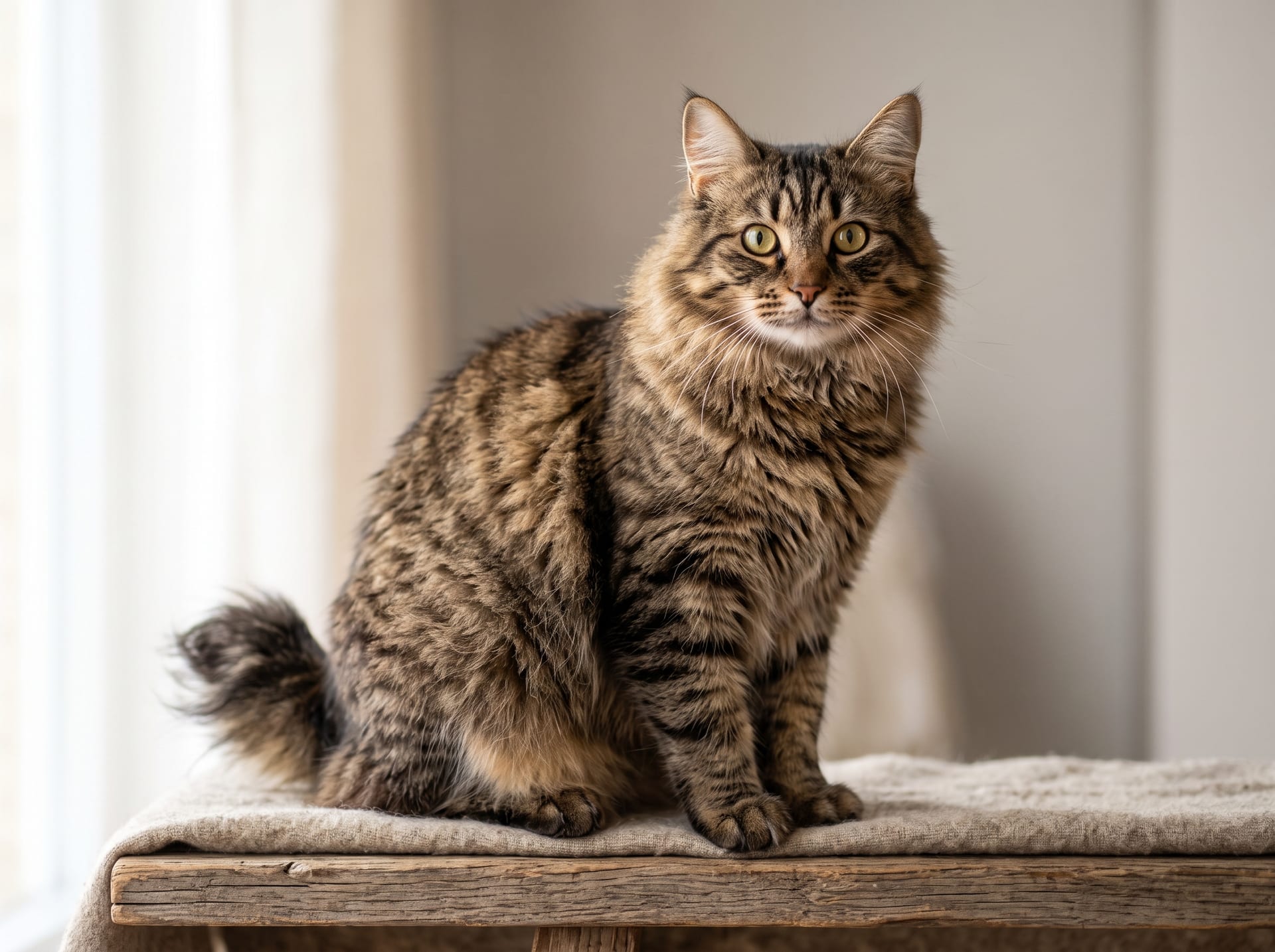
The Suphalak or Thong Daeng is a cat variety originating in Thailand. It is of a solid reddish-brown copper colored short-haired coat, and was described in a class of historical Thai manuscripts known as the Treatise on Cats or Tamra Maew. It is often considered an ancestor of the modern Burmese breed or a synonym thereof; others recognize it as a color variety of the native Thai cat breed known as Maew Boran แมวโบราณ), while there have been efforts by The International Maew Boran Association (TIMBA) in Thailand to have the Suphalak certified as a separate breed.
Source: Wikipedia (CC BY-SA 4.0)
Lifespan of the Suphalak
The Suphalak lives 12-16 years.
Size of the Suphalak
The Suphalak grows to Weight 3-5kg.
Basic Info
Origin
Thailand
Lifespan
12-16 years
Size
Weight 3-5kg
Temperature
18〜28℃
Diet
Cat food (complete nutrition)
Care Guide
References & Sources
Taxonomy & Authority
Accepted name: Linnaeus, 1758
Synonyms: Felis silvestris catus
Authority databases: GBIF · GBIF: Felis catus
Nomenclature follows global taxonomic authority databases.
Suphalak Listings
Loading latest listingsFind listings for this species