Source: Wikimedia Commons
White-headed Munia
BeginnerLonchura maja
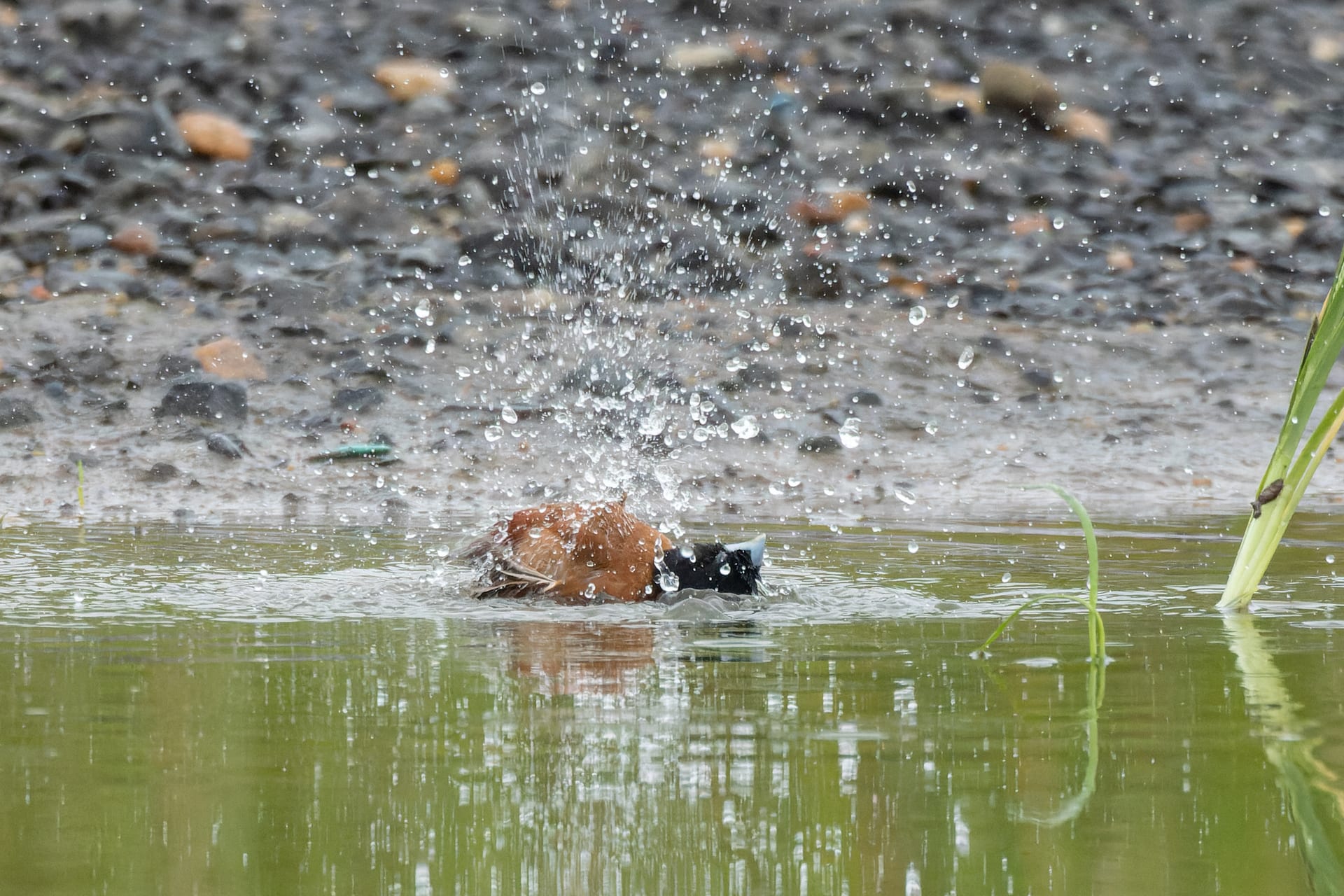
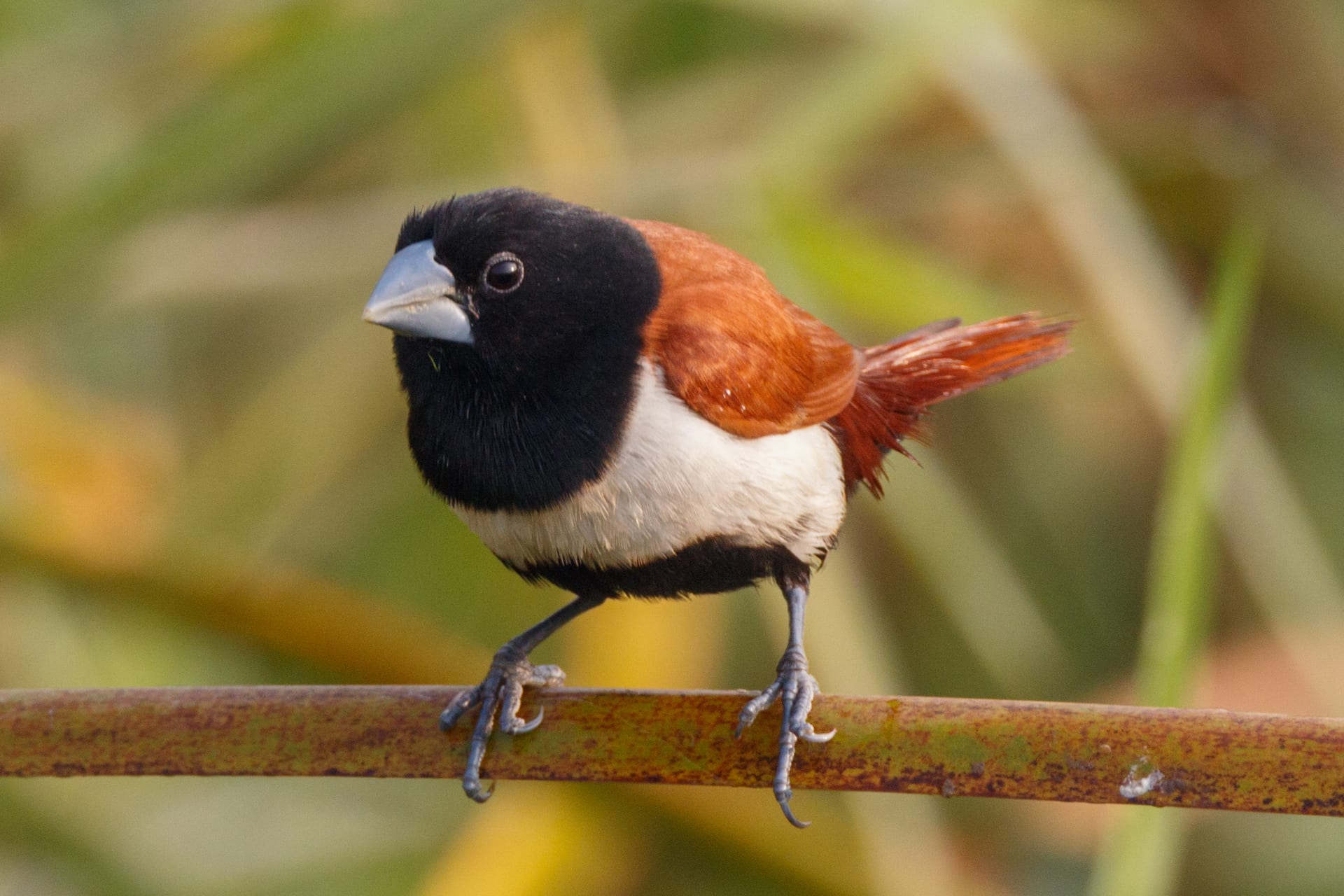
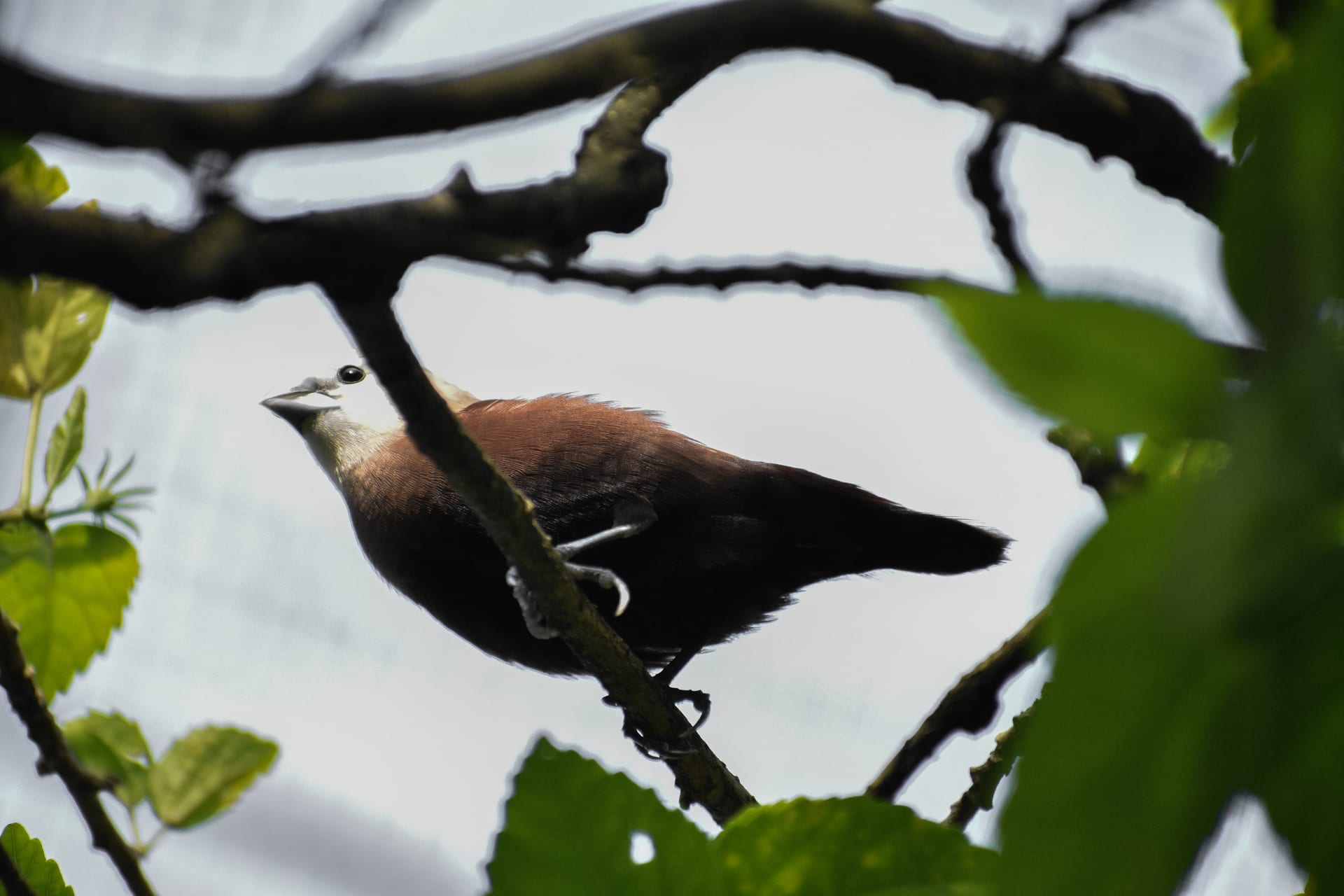
An estrildid finch with a white head and throat set against a chocolate-brown body. The clean contrast makes it easy to identify, and it is a hardy, long-established cage bird best kept in groups. The belly is black and the bill and legs are pale grey.
Difficulty
Beginner
Temperature
15〜30℃
Lifespan
5-8 years
Size
About 11cm
Humidity
40〜60%
Diet
Small finch seed mix of millet and canary seed, greens, cuttlebone or oyster grit
About
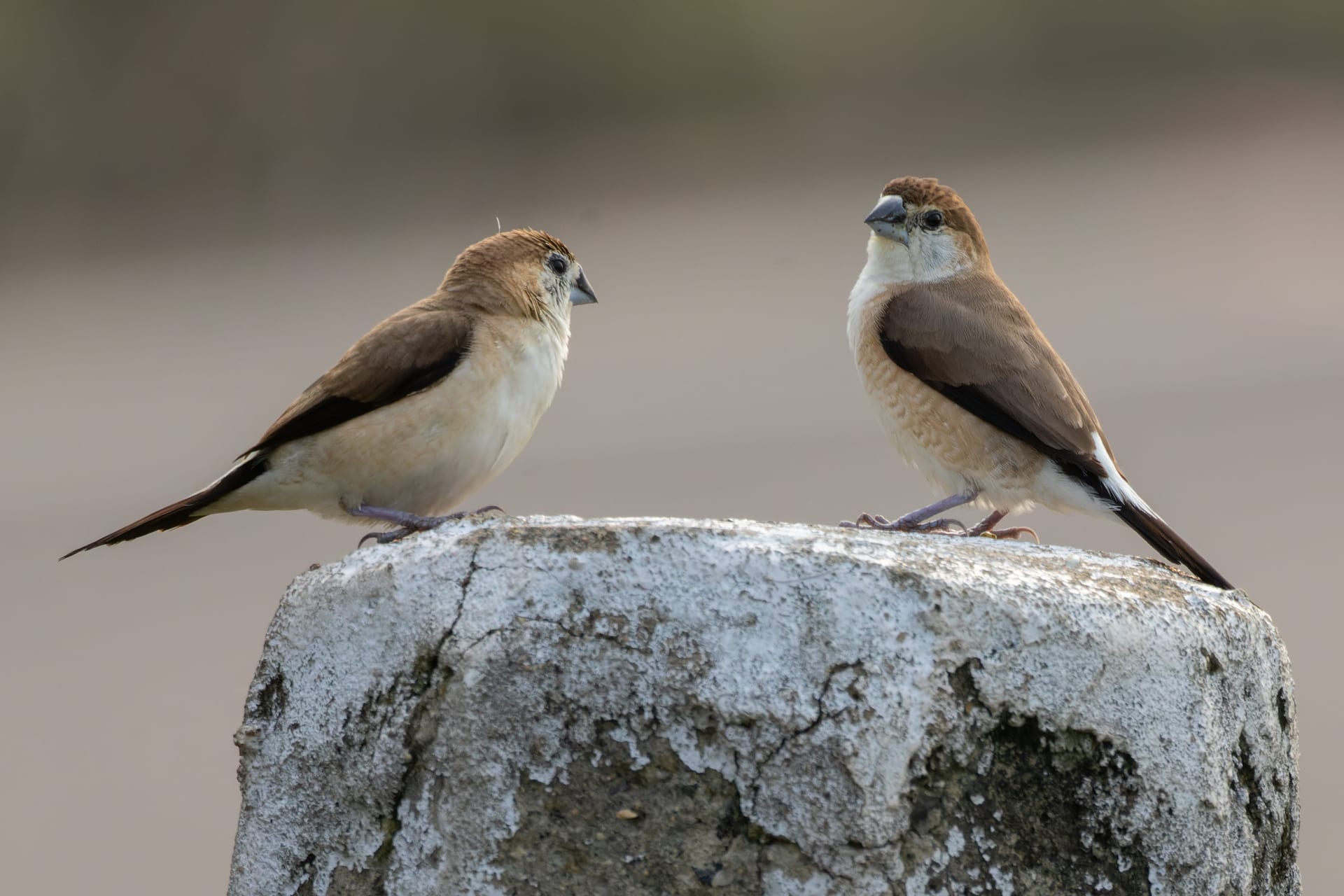
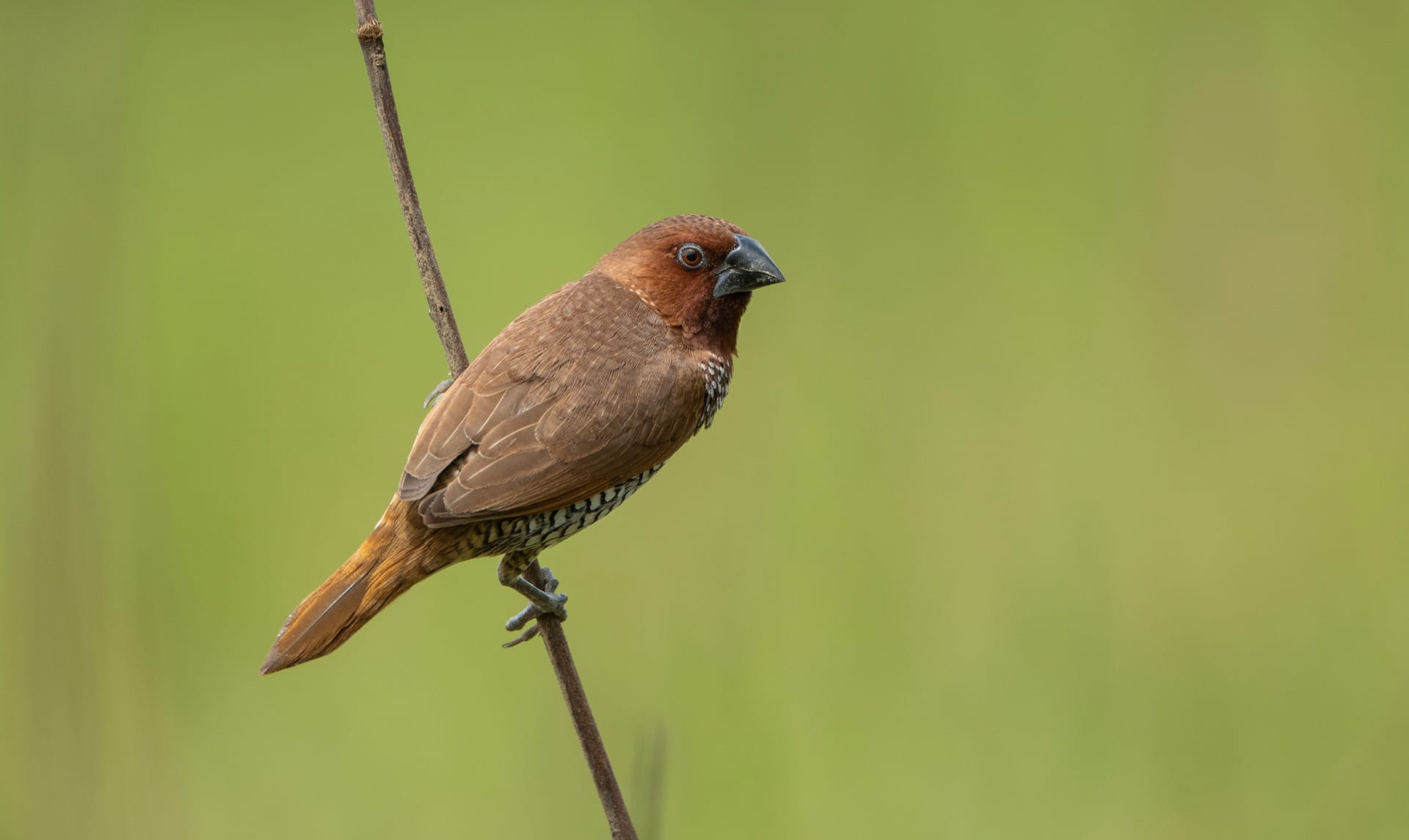
The white-headed munia (Lonchura maja) is an estrildid finch of Indonesia, Malaysia, Thailand, Vietnam and Singapore. Linnaeus described it as Loxia maja in 1766, and it is treated as monotypic. The head, throat and upper breast are white with a faint buff tinge; the upperparts, flanks and wings are chestnut brown, the belly black and the tail blackish brown, with a pale grey bill and legs. Sexual dimorphism is slight, but males have a whiter head that grows whiter with age. Juveniles are more cinnamon above and are all but impossible to separate from young chestnut or scaly-breasted munias. The bird is often confused with the pale-headed munia, which differs in tan flanks lighter than the brown wings and in lacking the black belly. Flocks live in grassland, wetland and cultivated ground, especially rice fields, feeding mainly on grass seed and grain. Both sexes build a bulky domed nest of woven grass and leaves low in vegetation, and the clutch of 4-7 white eggs is incubated by both parents for 11-13 days.
Source: Wikipedia (CC BY-SA 4.0)
Lifespan of the White-headed Munia
The White-headed Munia lives 5-8 years.
Size of the White-headed Munia
The White-headed Munia grows to About 11cm.
It is about 11 cm long and weighs around 11 g.
Basic Info
Origin
Southeast Asia (Indonesia, Malaysia, Thailand, Vietnam and Singapore)
Lifespan
5-8 years
Size
Care Specifications
PeacefulGroup
Sources: Wikipedia - White-headed munia / Wikipedia - Estrildidae, Japanese edition (Japanese names)
References & Sources
Edited & verified by: BreederDirect editorial team
The taxonomic, regulatory, and husbandry data on this page are compiled and verified against the authoritative primary sources below.
Taxonomy & Authority
Accepted name: Lonchura maja (Linnaeus, 1766)
Synonyms: Loxia maja
Authority databases: GBIF
Nomenclature follows global taxonomic authority databases.
Regulations & Conservation Status
Not CITES-listedIUCN LC · Least Concern
Lonchura maja. The family Estrildidae is not listed in the CITES Appendices, so this species is not covered.
Sources: CITES Appendices (Estrildidae not listed) / IUCN Red List
Regulations may change. Always verify the latest information with the relevant authorities.
White-headed Munia Listings
Loading latest listingsFind listings for this species