Source: Wikimedia Commons
Tawny Owl
AdvancedStrix aluco
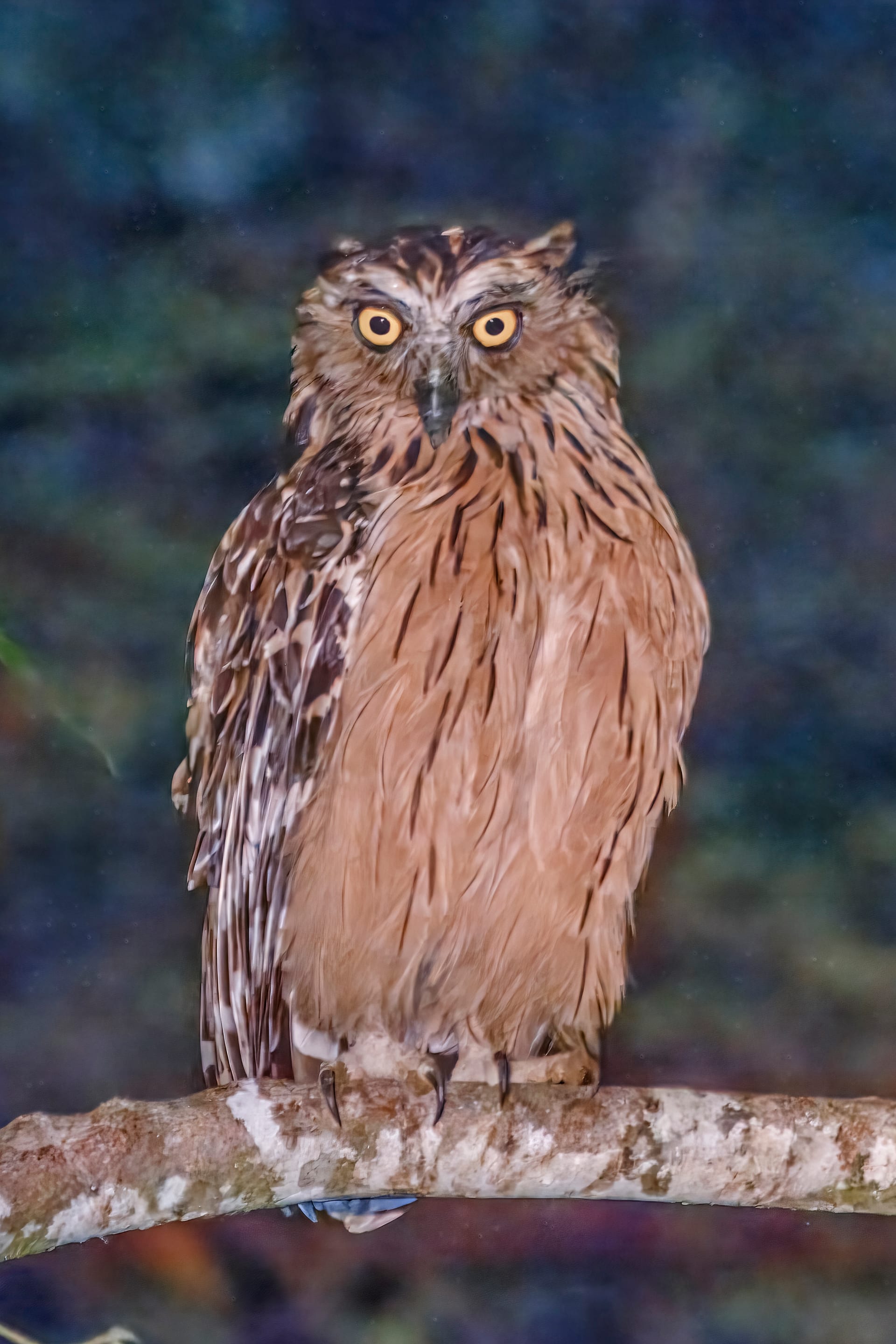
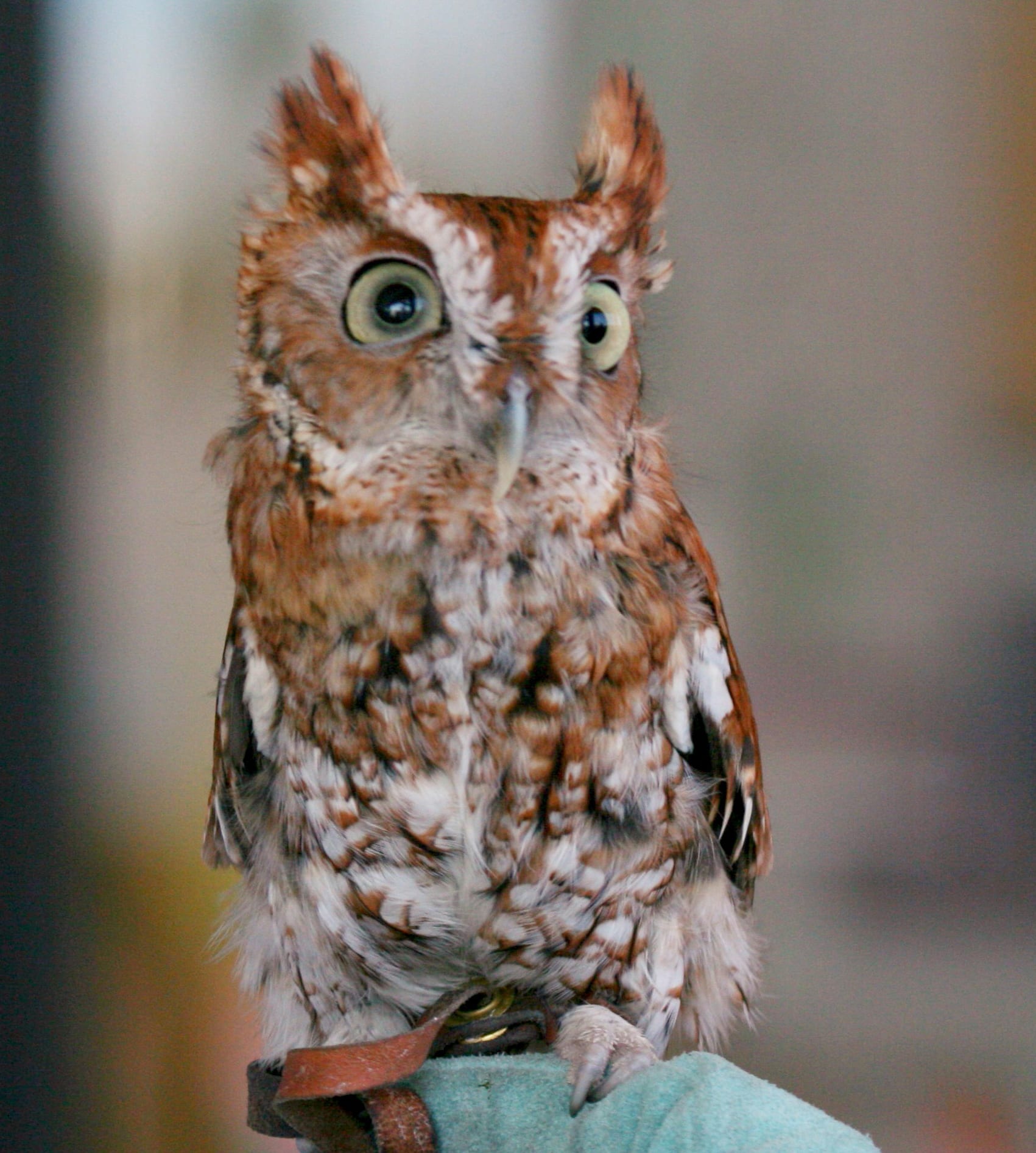
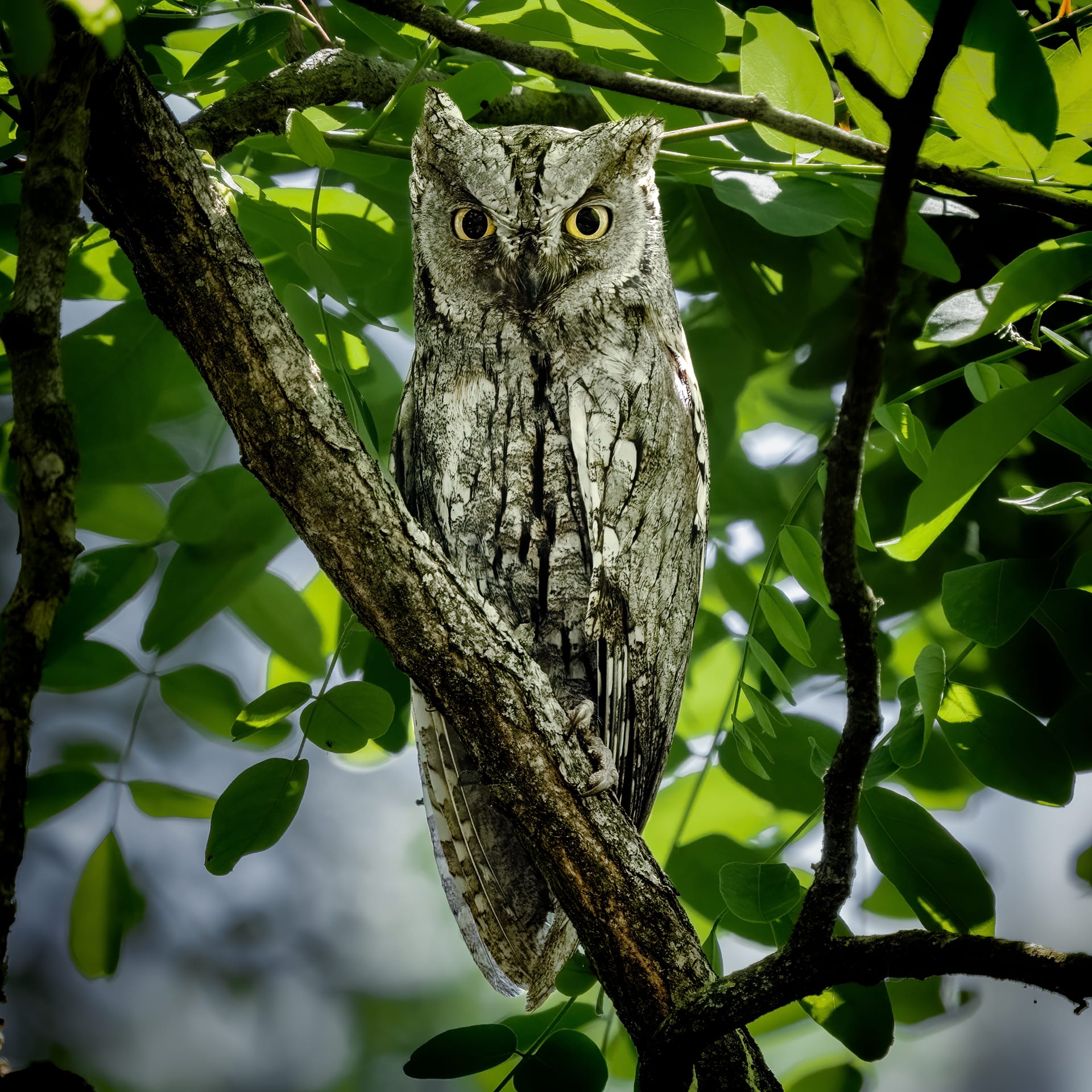
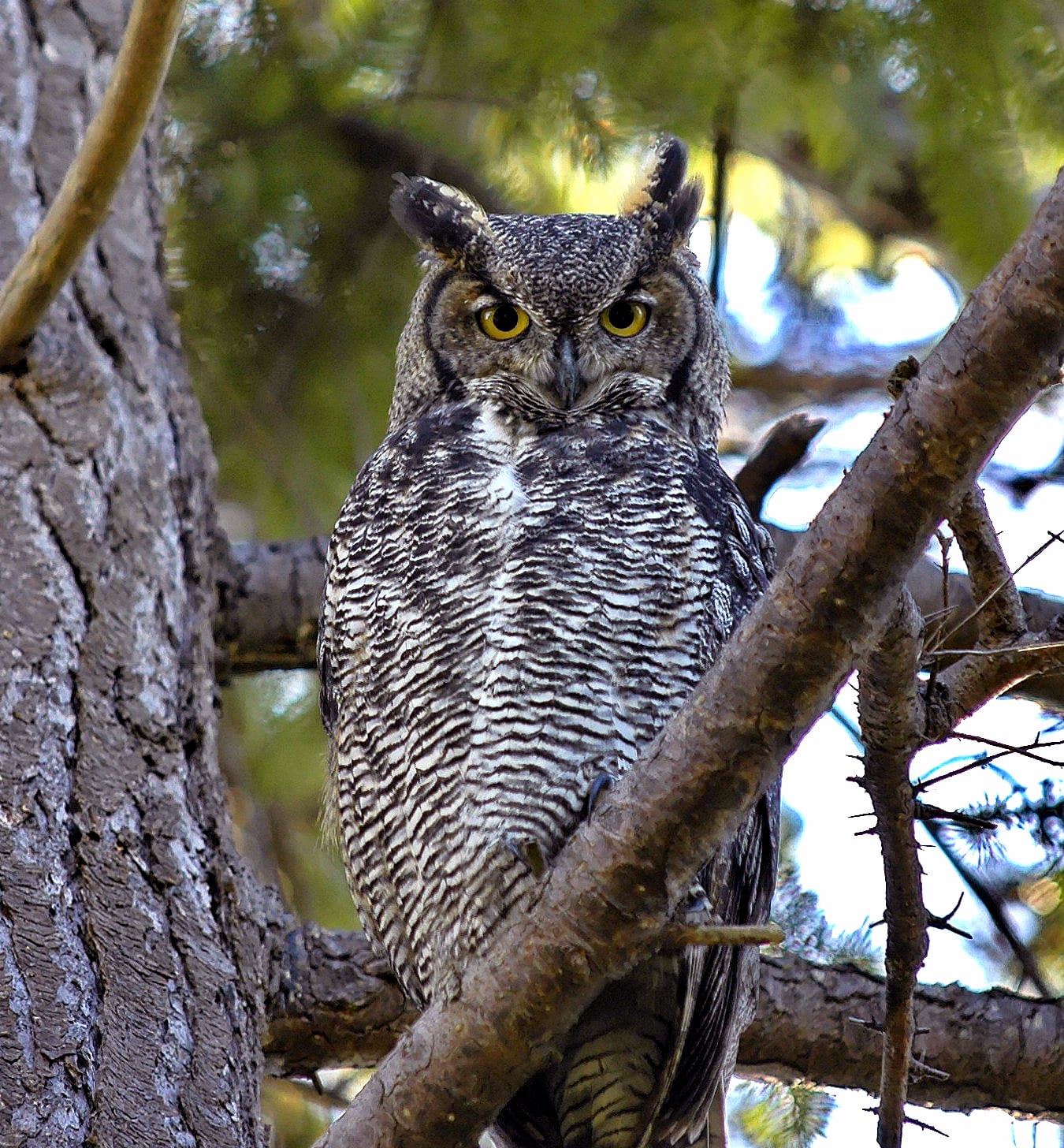
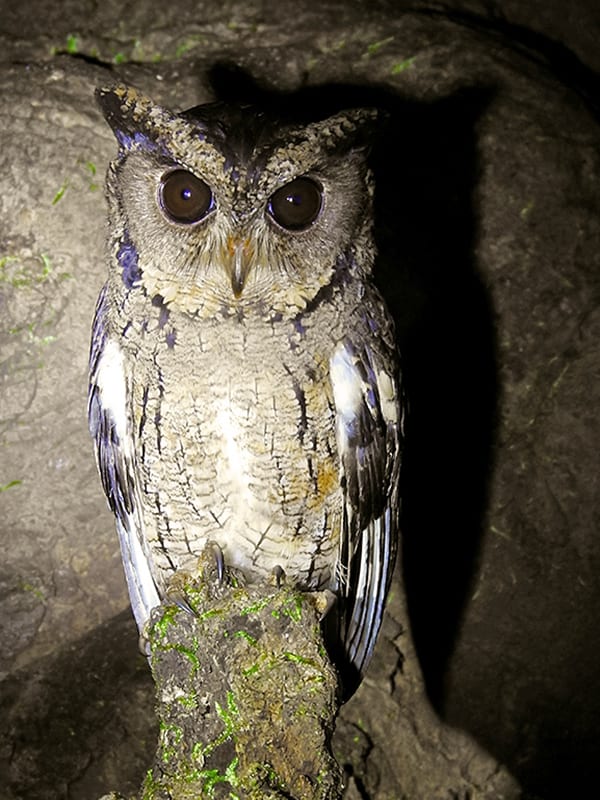
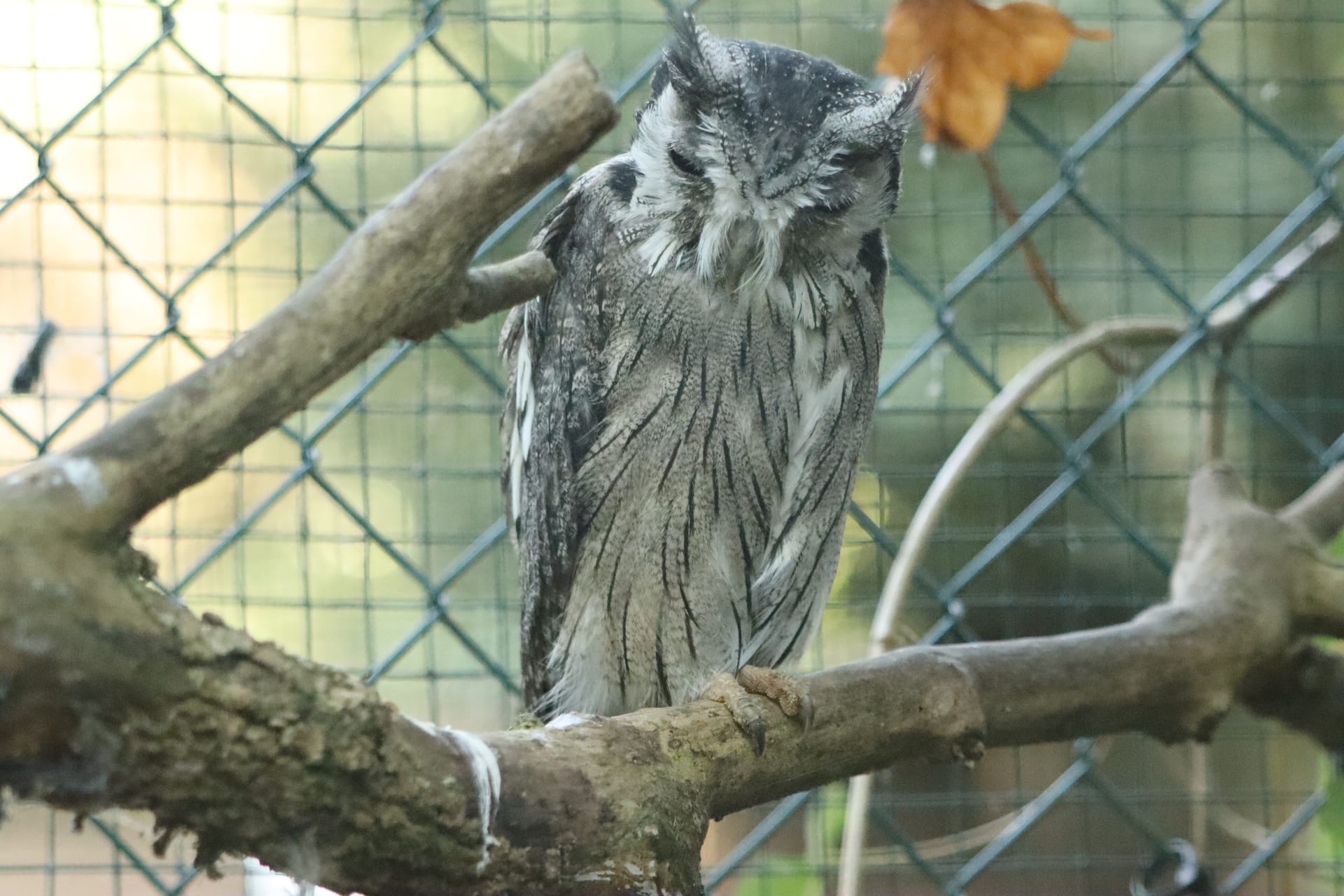
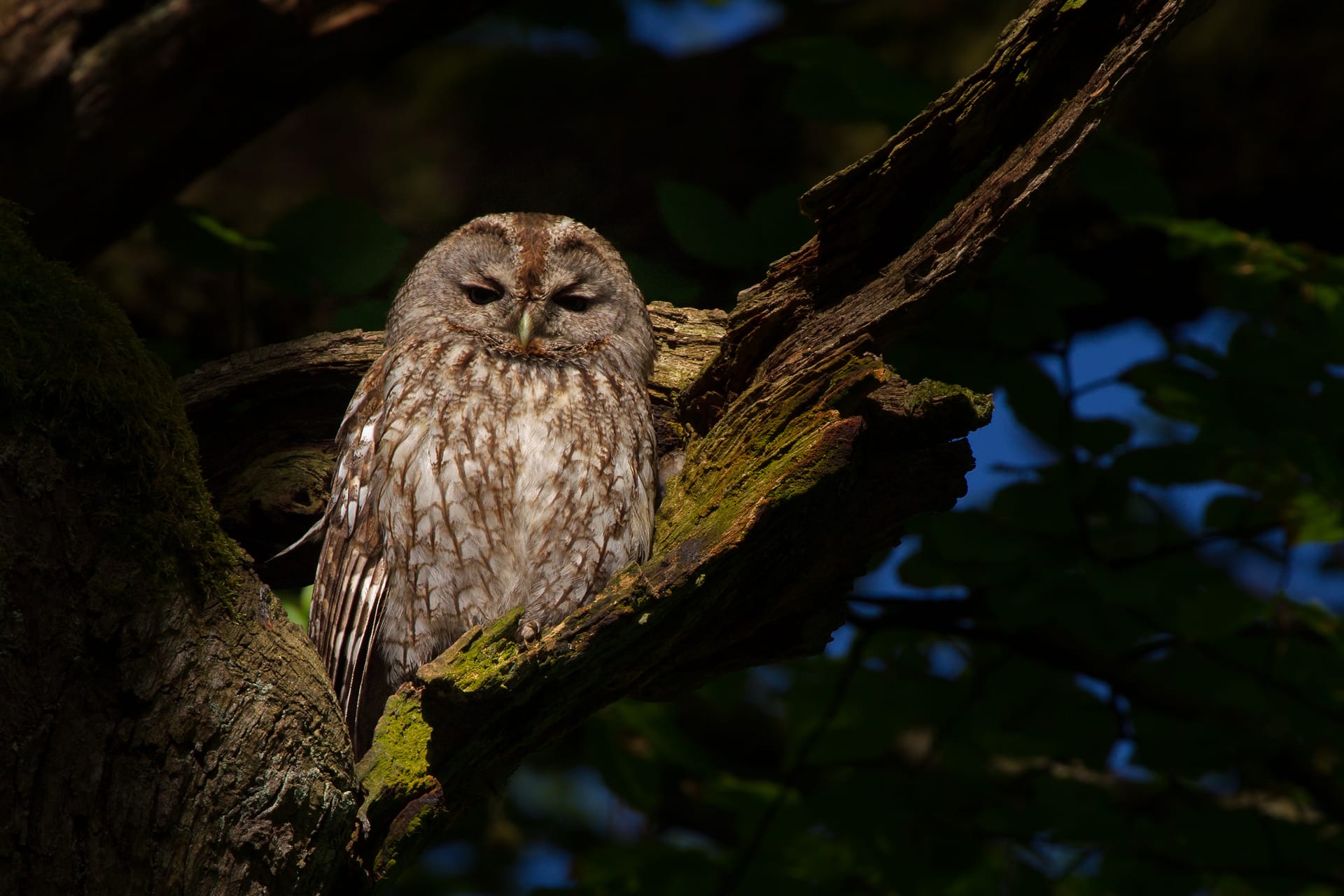
A medium-sized owl with a round, tuftless head and large eyes that look wholly dark. The commonest woodland owl of Europe, it occurs in grey and brown colour morphs. Strongly territorial, pairs stay together year-round.
Difficulty
Advanced
Temperature
15〜30℃
Lifespan
About 10 years
Size
37-43cm
Humidity
40〜60%
Diet
Frozen mice, day-old chicks and quail; in the wild mainly rodents, with frogs and birds taken as well
About
The tawny owl (Strix aluco) is a stocky, medium-sized owl of woodland across Europe and into western Siberia, with seven recognised subspecies. It is 37-43 cm long and resembles the Ural owl of Japan, but is smaller with larger eyes. The underparts are pale with dark streaks, while the upperparts are brown or grey, both morphs occurring together in several subspecies, and unlike hawks and most eagle-owls its eyes look wholly dark rather than yellow. It is nocturnal, hunting by sight, acute hearing and silent flight: its ears are set asymmetrically, which pinpoints the direction of a sound, while its retina is no more sensitive than a human's. It drops from a perch onto prey and swallows it whole, taking mainly rodents, though birds form a larger share of the diet in urban areas. It sometimes catches smaller owls and is itself taken by eagle-owls and goshawks. Non-migratory and strongly territorial, young birds that fail to find a vacant territory often starve. It lays two to five eggs from February to June in a tree hole, old building or cliff cavity, and pairs stay together year-round.
Source: Wikipedia (CC BY-SA 4.0)
Lifespan of the Tawny Owl
The Tawny Owl lives About 10 years.
Size of the Tawny Owl
The Tawny Owl grows to 37-43cm.
Basic Info
Origin
Across Europe to western Siberia, in seven recognised subspecies
Lifespan
About 10 years
Size
37-43cm
Care Specifications
AggressivePair
Sources: Wikipedia - Tawny owl / Wikipedia - Tawny owl, Japanese edition (morphology, ecology)
References & Sources
Edited & verified by: BreederDirect editorial team
The taxonomic, regulatory, and husbandry data on this page are compiled and verified against the authoritative primary sources below.
Taxonomy & Authority
Accepted name: Strix aluco Linnaeus, 1758
Synonyms: Strix stridula
Authority databases: GBIF
Nomenclature follows global taxonomic authority databases.
Regulations & Conservation Status
CITES Appendix IIIUCN LC · Least Concern
Strix aluco. The order Strigiformes is listed in CITES Appendix II except for species placed in Appendix I, so this species is Appendix II and international trade requires an export permit. It is not among Japan's designated dangerous animals.
Sources: CITES Appendices (Appendix II) / IUCN Red List / Cabinet Order under the Act on Welfare and Management of Animals, appended table (designated dangerous animals)
Regulations may change. Always verify the latest information with the relevant authorities.
Tawny Owl Listings
Loading latest listingsFind listings for this species